
Wastewater treatment expert: +86-181-0655-2851 Get Expert Consultation

About HydropureWater — Trusted Since 2008

Wastewater Treatment Manufacturer · Est. 2008

Full-Service Water Treatment — From R&D to Turnkey Delivery

HydropureWater is a specialist wastewater treatment company integrating technology R&D, process design, equipment manufacturing, on-site installation, commissioning, and long-term O&M support under one roof.

Headquartered in Hangzhou — one of China's largest environmental equipment manufacturing hubs — we have spent over 15 years engineering reliable, cost-effective solutions for clients across municipal, industrial, and commercial sectors worldwide.

Beyond wastewater, our pure-water line covers industrial and drinking-water production: reverse osmosis plants from 72 to 10,000 m³/d, seawater and brackish-water desalination, ultrafiltration, EDI polishing, water softening, and complete bottled-water production lines — sized from single-skid units to turnkey plants.

15+ Years Experience 1,000+ Projects 30+ Countries Exported To
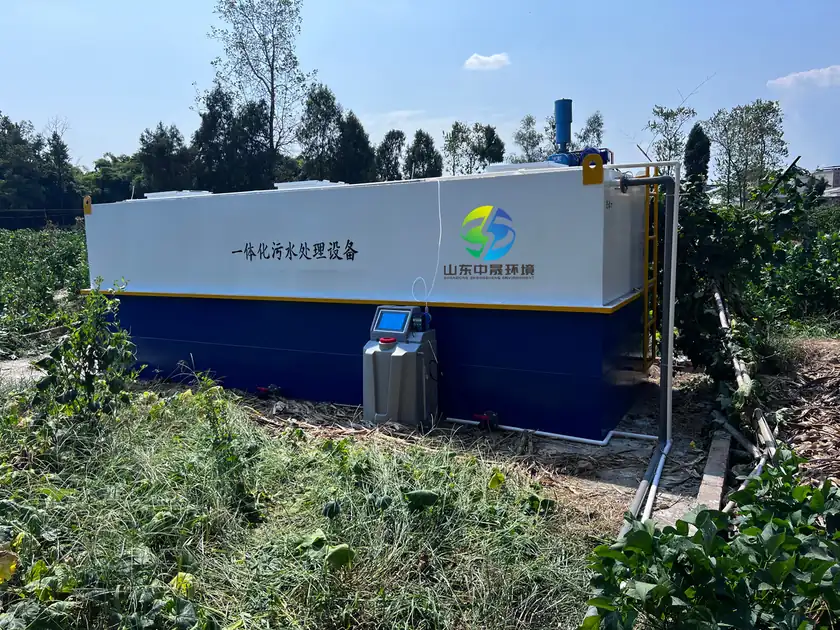
HydropureWater WSZ integrated sewage treatment unit being installed
WSZ Series integrated unit installation — delivered ready-to-run

What We Deliver

From single equipment supply to complete turnkey EPC contracts — we cover every stage of the project lifecycle.

Custom Process Design

Every project starts with a site-specific process study. We select the optimal biological, physical, and chemical treatment sequence for your wastewater characteristics and discharge targets.

In-House Manufacturing

Our own production facility handles steel fabrication, membrane assembly, electrical panel integration and factory acceptance testing — giving you quality control from the first weld to final commissioning.

Global EPC & Export

Equipment and turnkey solutions exported to 30+ countries, including markets in Africa, the Middle East, North America and Southeast Asia. We manage documentation, certification, logistics and commissioning support internationally.

Lifecycle O&M Support

Our relationship doesn't end at handover. We provide preventive maintenance programmes, remote monitoring integration, operator training, and rapid-response spare parts supply throughout equipment life.

15+Years in Wastewater Treatment
1,000+Projects Delivered (China & export)
100+Engineers & Specialists
30+Countries Exported To

Our Core Products

Two engineered lines: wastewater treatment for municipal, industrial, and commercial facilities, and pure-water production — from RO desalination to bottled-water filling.

"Quality First, Service Supreme — we pursue excellence through rigorous engineering and continuous innovation."
— HydropureWater, Company Mission
Technology LeadershipAdvanced processes matched to your discharge standards — from China Class 1A to EPA and EU UWWTD
Quality FoundationISO-compliant manufacturing, FAT at our facility, and SAT at your site before final acceptance
Common DevelopmentLong-term partnerships with clients, distributors and O&M operators in the markets we export to.

Engineering Projects

Projects documented on our Projects page: 5 overseas (region only). Client identities are withheld; capacities are shown as capacity classes.

Under Assessment 2026

What clients brought us this year, what we asked, and where each project stands.

500 m³/d combined food-processing wastewater treatment and reuse proposal

Ref. A-030 · Location withheld · 500 m³/d · Food & Beverage
Scoping — awaiting site data · Updated Nov 2026

Brief received The client-supplied design basis is approximately 500 m³/d for combined domestic sewage and poultry-processing wastewater, including blood, gut and feather streams. The two streams may not yet be mixed, and representative water quality, peak drainage, slaughter throughput, pretreatment, reuse criteria and discharge route are required before the treatment train and final equipment size can be fixed.

What we asked first Please confirm whether the stated flow combines both streams, their individual flow shares, daily drainage duration, peak and concentrated discharge conditions, daily slaughter quantity, blood and solid collection arrangements, representative water quality, existing pretreatment, reuse applications, required standards and discharge route.

Our position We propose source segregation, rotary screening, equalisation, grease control, chemical dosing where needed, dissolved air flotation, biological treatment with an MBR, and final filtration and disinfection selected against the intended reuse application. Source separation can divert blood, gut and feather solids before they dilute or overload the main treatment works. DAF removes floatable fats and suspended material, while the MBR provides biological treatment and membrane solids separation. Excess sludge should be thickened and dewatered, with residuals handled under the applicable waste route. Missing flow, water quality, solids, drainage and reuse data may change the process, equipment sizing and reuse proportion.

For similar projects Prepare separate and mixed-water samples, drainage and slaughter records, existing process drawings, reuse requirements, utility and site details, and a clearly defined discharge and residual-disposal route.

60 m³/d diffusion dialysis acid recovery and wastewater pretreatment

Ref. A-031 · Location withheld · 60 m³/d · Chemical & Electroplating
Budgetary proposal issued · Updated Nov 2026

Brief received The client-supplied design basis is 60 m³/d of sulphuric acid-containing acidic wastewater, but the stated flow may describe either the acid-recovery feed or the combined wastewater stream. No analytical results, operating hours, batch frequency, acid-recovery targets or reuse requirements are confirmed. A membrane suitability and sample-water assessment is therefore required before equipment selection.

What we asked first Please confirm the design flow and operating basis; provide complete water analyses including free sulphuric acid, pH, total acidity, sulphate salts, COD, oil, TSS and temperature; and define the recovered-acid and reuse requirements.

Our position The proposed solution comprises collection and equalisation, screening, oil separation and lamella clarification, followed by protection filtration and a diffusion dialysis system for sulphuric acid recovery. Dialysis water is prepared and supplied from a dedicated tank, while recovered acid is stored for reuse only after its concentration and impurity limits are verified. Residual liquor is transferred to the existing wastewater plant, and sludge and screenings require appropriate collection and dewatering. Final equipment sizing, membrane selection and any downstream treatment will change after the flow definition, analyses, operating pattern, reuse standard and client trial results are available.

For similar projects Prepare the wastewater characterisation, flow and operating data, recovered-acid specification, reuse assessment, site utilities and a representative sample for membrane compatibility and performance testing.

100 L/h MVR pilot evaporation and crystallisation system — United Kingdom

Ref. A-011 · United Kingdom · 100 L/h · Chemical & Electroplating
Budgetary proposal issued · Updated Nov 2026

Brief received The client requires separate proposals based on feed flow and evaporation rate for a pilot MVR system treating sodium-containing LiCl solution. The client-supplied design basis includes salinity up to 200000 ppm and no reported organics, but lacks the full composition, ppm basis, feed conditions, concentration endpoint, crystal targets, utility data and trial requirements. Eight-hour daily operation may be considered subject to confirmation.

What we asked first Please confirm the complete Li⁺, Na⁺ and Cl⁻ composition and ppm basis; pH, temperature, density, viscosity, suspended solids, concentration endpoint, target salt, purity and moisture, mother-liquor and condensate destinations, utilities, trial method and material quantity, supply boundary and destination port.

Our position The proposed package uses guarded pre-treatment to remove entrained solids, followed by a falling-film MVR evaporator for low-temperature concentration under vacuum. Vapour is condensed in a clean circuit, while the concentrated liquor is cooled in a crystalliser. Solid-liquid separation by filtration or centrifugation, followed by washing, drying and sealed residue handling, produces a testable crystal fraction. Mother liquor is returned to a controlled tank for further concentration, with purge or disposal subject to composition and client requirements. Condensate is sampled before reuse or discharge. Both feed-flow and evaporation-rate cases will be costed independently. Final metallurgy, materials, heat-transfer area, energy estimates and performance require confirmed laboratory data and operating hours.

For similar projects Prepare representative feed and concentrate samples, solvent and salt analysis, utility availability, batch duration, recovery targets, residue handling requirements and acceptance criteria before final engineering design.

40 m³/d heavy equipment wash water treatment and reuse system – Saudi Arabia

Ref. A-010 · Saudi Arabia · 40 m³/d · Industrial Process Water
Budgetary proposal issued · Updated Oct 2026

Brief received The client-supplied design basis is 40 m³/d for an eight-to-ten-hour operating day at a two-bay heavy equipment wash area serving crushing and concrete plant vehicles. Influent is reported to contain high suspended solids, cement fines, aggregate, and pH 11–12. Reuse for equipment washing and dust suppression requires pH 7–8, while other water-quality limits remain to be confirmed.

What we asked first Please confirm maximum vehicle dimensions and bay clearances, simultaneous operation, brush and automation requirements, electrical supply, drainage and reuse connections, peak discharge, TSS, particle size, alkalinity, oil and grease, neutralisation trials, and final reuse limits.

Our position The proposed system combines a rotary mechanical screen, grit separation, equalisation, automatic chemical dosing, lamella clarification, filtration, disinfection, and clean-water storage with reuse pumping. Screening and grit removal protect downstream equipment; equalisation stabilises batch discharges; coagulant and polymer dosing assist cement solids separation. Controlled acid dosing adjusts the reported alkaline influent before clarification, with final pH correction after filtration. Clarified water is filtered and disinfected before storage and reuse. Settled sludge is thickened and dewatered by a plate-and-frame filter press, with filtrate returned to equalisation. Final equipment, detention times, dosing rates, filtration selection, and reuse criteria will be confirmed after the client provides operating and water-quality data.

For similar projects Prepare vehicle dimensions, bay layouts, simultaneous-use assumptions, water analysis, neutralisation test results, peak-flow data, drainage and reuse conditions, electrical details, and acceptance criteria before final process sizing and equipment selection.

8 m³/d hospital wastewater treatment system – Senegal

Ref. A-023 · Senegal · 8 m³/d · Hospital & Healthcare
Budgetary proposal issued · Updated Oct 2026

Brief received The client-supplied design basis is 8 m³/d for a new outpatient and inpatient medical facility. Client-estimated wastewater characteristics are BOD₅ 250–400 mg/L, COD 500–800 mg/L and TSS 200–350 mg/L. The proposed treatment targets BOD₅ below 30 mg/L, COD below 90 mg/L and TSS below 30 mg/L, subject to testing, design confirmation and applicable approval.

What we asked first Please confirm the peak hourly flow and drainage period, final discharge route, applicable permit and microbiological requirements, electrical supply and available power, site dimensions, inlet and outlet levels, and the boundary for separately collected chemical, dialysis and cleaning wastes.

Our position Provide a complete package treatment system using a rotary screen for debris removal, equalisation and flow diversion, an anaerobic hydrolysis and anoxic stage, aerobic biological treatment with internal recycle, and ultrafiltration membrane separation. Apply chemical dosing only after confirming the incoming wastewater characteristics and treatment objectives. Chlorine dioxide provides final disinfection before the selected discharge or reuse route. Route separated solids to a compact thickening and plate-and-frame dewatering arrangement, then sealed storage pending authorised disposal. Keep laboratory, dialysis and surgical cleaning wastes outside this package until their independent neutralisation and responsibility boundaries are confirmed. Final process selection, sizing, hydraulic design, electrical provisions and permit compliance will be confirmed after the missing flow, quality, site and discharge information is received.

For similar projects Prepare current wastewater sampling, peak-flow calculations, drainage schedules, discharge and reuse plans, utility details, site survey information, permit requirements, and a clear scope boundary for segregated clinical waste streams.

~20,000 m³/d MBR municipal wastewater treatment system

Ref. A-012 · Location withheld · ~20,000 m³/d · Municipal & Community
Scoping — awaiting site data · Updated Oct 2026

Brief received The client seeks a continuous MBR wastewater treatment system for municipal sewage, with no stated land constraint. The client-supplied design basis includes BOD 320 mg/L, TSS 230 mg/L and ammonia nitrogen 40 mg/L. Client targets are cBOD 5 mg/L, TSS 12 mg/L, ammonia nitrogen 2 mg/L and dissolved oxygen above 5 mg/L. The AADF and P2HF abbreviations, flow basis and applicable discharge standard remain to be confirmed.

What we asked first Please confirm the project country, actual use and procurement identity; the meaning and units of AADF and P2HF; peak duration and treatment interfaces; pH, COD, water temperature and complete water quality; discharge requirements; power supply; delivery, installation and commissioning scope.

Our position The proposed solution combines preliminary solids screening, flow equalisation, biological treatment and flat-sheet MBR filtration. Mechanical screening protects downstream equipment, equalisation smooths hydraulic and load variation, and the bioreactor is sized to reduce the client-supplied BOD and ammonia load before membrane separation. MBR stages provide the required suspended-solids separation, while tertiary polishing and disinfection address the proposed effluent targets and microbial requirements. Returned sludge is thickened and dewatered by plate-and-frame filtration, with residual sludge routed to the final disposal route to be confirmed. The final configuration, membrane area, equipment sizing and disinfection method will be revised after the flow definitions, complete water analysis, temperature and local permit requirements are confirmed.

For similar projects Prepare the complete wastewater profile, flow definitions, treatment interfaces, discharge standard, power information, delivery location and required installation scope before final equipment selection and engineering design.

300 m³/d DAF system for textile dyeing and finishing wastewater

Ref. A-013 · Location withheld · 300 m³/d · Textile & Dyeing
Scoping — awaiting site data · Updated Oct 2026

Brief received The client-supplied design basis is 300 m³/d for textile dyeing and finishing wastewater containing dyes, salts, bleach and cotton. The waste streams, production and cleaning processes, operating profile, water quality, discharge destination and reuse requirements remain unconfirmed. The proposed solution therefore defines preliminary process stages, equipment boundaries and data needed for final sizing.

What we asked first Please confirm the production and cleaning processes, wastewater stream origins, operating hours and batch discharges, with laboratory data for pH, COD, BOD₅, TSS, colour, conductivity or TDS, residual chlorine and other applicable parameters. Also confirm discharge or reuse limits, project country, available space, power and installation requirements.

Our position Our complete proposed solution starts with source segregation and equalisation to reduce dye and chemical shocks, followed by screening, grit removal, coagulation and pH adjustment. These steps condition the wastewater for DAF, which removes suspended solids, cotton fibres and precipitated dye-associated material. A biological stage addresses soluble biodegradable organics, while tertiary filtration and disinfection provide polishing where required. DAF sludge and biological excess sludge are to be thickened and dewatered before approved disposal or recovery assessment. Salts, bleach and refractory colour may require source control, membrane treatment or further polishing after actual water analysis, influent variability and reuse limits are confirmed. Final equipment sizing, materials, chemical dosing and treatment sequence remain subject to verification.

For similar projects Prepare stream-by-stream flow and water analyses, identify reusable water targets, provide operating schedules and site constraints, and confirm required treatment boundaries, sludge handling route and commissioning scope before detailed design.

~60 m³/d MBR wastewater treatment system for data centre reuse

Ref. A-005 · Location withheld · ~60 m³/d · Commercial & Hospitality
Engineering assessment in progress · Updated Sep 2026

Brief received The client-supplied design basis is domestic sewage from a data centre with a nominal capacity of ~60 m³/d. The proposed treatment train is intended to support non-potable irrigation reuse. Final process sizing, disinfection criteria and treatment boundaries require confirmation of the wastewater flow basis, water quality, applicable Type 1 requirements and whether cooling-related streams are included.

What we asked first Please confirm whether the stated capacity is average or maximum, operating hours, peak factors and batch discharges; provide representative wastewater analysis; identify the jurisdiction and Type 1 irrigation criteria; and clarify whether cooling tower blowdown, RO concentrate or cleaning wastewater are included.

Our position The proposed solution uses a mechanical screen to remove gross solids, equalisation to buffer variable domestic loads, and an anoxic-aerobic biological stage to address organic matter and nutrients. MBR membrane filtration provides a solids-free reclaimed stream suitable for downstream disinfection and storage. Chlorine dioxide is proposed for final disinfection, with storage and distribution arranged for non-potable irrigation. Dewatering equipment handles settled biological excess sludge. The final configuration, capacities and equipment selection will be adjusted after the flow basis, wastewater analysis, cooling-stream boundary and applicable irrigation standard are confirmed.

For similar projects Prepare the flow and operating profile, representative wastewater analysis, site and reuse requirements, cooling-drainage inventory, applicable irrigation standard, and delivery and installation information before final equipment sizing.

50 m³/d industrial effluent treatment system — Botswana

Ref. A-009 · Botswana · 50 m³/d · Industrial Process Water
Scoping — awaiting site data · Updated Sep 2026

Brief received The client-supplied design basis is 50 m³/d, but the industrial source, flow profile, operating hours, influent characteristics and applicable receiving or reuse requirements remain unconfirmed. The proposed solution is modular and suitable for adaptation once representative wastewater samples, operating data and project boundaries are available. Final equipment sizing and treatment targets will follow engineering assessment.

What we asked first Please confirm the wastewater industry and source, whether the project remains active, average and peak flow basis, operating hours, pH, COD, BOD₅, TSS, industry-specific pollutants, discharge or reuse criteria, project stage and supply scope.

Our position The proposed train uses a rotary mechanical bar screen to remove coarse material, followed by equalisation, flow control and chemical conditioning to manage variable industrial loads. DAF removes floatable materials and suspended solids where appropriate, while an MBBR provides flexible biological treatment for biodegradable organics. A secondary clarifier, tertiary filtration and disinfection stage can be adjusted or omitted according to the final receiving or reuse standard. Settled or floated solids should be thickened and dewatered using a plate-and-frame filter press, with the filtrate returned to the process where suitable and the cake handled under the applicable waste rules. Once the source, flow data, pollutants, targets and supply scope are confirmed, the process train, equipment sizing, chemical dosing and residuals handling will be finalised.

For similar projects Prepare source and process information, representative samples, flow records, wastewater analysis, applicable discharge or reuse criteria, operating assumptions and a defined scope of supply for engineering review.

8.5 m³/h automatic chemical dosing for industrial cooling water — Brazil

Ref. A-014 · Brazil · 8.5 m³/h · Industrial Process Water
Engineering assessment in progress · Updated Sep 2026

Brief received The client-supplied design basis includes a 5 m³ effective process-water tank, 8.5 m³/h circulation, inlet pH of 11–12, low alkalinity and hardness, and target pH of 8–11 and nitrite of 1,500 ppm. The proposed skid uses sulfuric acid and corrosion inhibitor with online analysis and Modbus TCP control, subject to confirmation of water chemistry, dosing properties, and site constraints.

What we asked first Please confirm the required circulation basis, sulfuric acid concentration and SDS, corrosion-inhibitor composition and SDS, normal pH setpoint, nitrite concentration basis, piping backpressure, ambient conditions, hazardous-area classification, applicable certifications, and DCS interface permissions.

Our position The proposed solution is an automatic chemical-dosing skid comprising a 8.5 m³/h recirculation duty, an effective process-water tank, two duty/standby metering pumps, sulfuric-acid and corrosion-inhibitor dosing lines, pulse dampening, back-pressure valves, static mixing, and return-line injection. pH is measured continuously and used to trim acid dosing, while nitrite analysis provides a second controlled variable for inhibitor dosing or related treatment adjustment. A PLC/HMI manages interlocks, alarms, pump rotation, level control, and Modbus TCP communications. Bunding, secondary containment, compatible tubing, and an emergency spill response arrangement are proposed for chemical handling. Any sludge or concentrate is not generated in this closed-loop application; spent chemical solution is retained for controlled disposal under the confirmed SDS and local requirements. Final pump sizing, materials, control strategy, and certification will be revised after the outstanding client data are received.

For similar projects Prepare the process-water analysis, complete chemical SDS and dosing curves, recirculation and backpressure data, control requirements, site photographs, hazardous-area classification, and interface drawings for detailed design review.

Proposed industrial wastewater treatment system – Ethiopia

Ref. A-021 · Ethiopia · Industrial Process Water
Scoping — awaiting site data · Updated Sep 2026

Brief received The client is requesting an industrial wastewater treatment solution in Ethiopia. Wastewater source, industry, daily and peak flow, influent quality, and discharge or reuse targets have not yet been provided. The proposed design will therefore be adjusted after the client confirms the project status, treatment basis, required equipment scope, and applicable receiving or reuse requirements.

What we asked first Please confirm whether the project remains active, the wastewater source and industry, daily and peak flow, influent pollutant data, discharge or reuse targets, project stage, and the required equipment scope.

Our position Our complete proposed solution begins with a rotary mechanical bar screen to remove coarse solids, followed by an equalisation tank to balance variable industrial loads and provide controlled feeding. Multimedia filtration and activated-carbon polishing can be added where suspended solids, colloids, colour, or organic contaminants require it. An MBR system is proposed for biological treatment and membrane separation, reducing sludge volume and providing a high-quality clarified effluent suitable for reuse assessment. Chlorine dioxide or UV disinfection can be applied where pathogen control is required. Sludge is to be dewatered using a plate and frame filter press, with residual disposal assessed against local requirements. Final equipment, sizing, and treatment targets will be confirmed after the client provides the wastewater basis.

For similar projects Prepare the wastewater source, flow and peak-load data, pollutant analysis, target reuse or discharge standard, project schedule, and required equipment scope before detailed design and equipment selection.

~250 m³/d oily wastewater treatment system for a transport facility

Ref. A-027 · Location withheld · ~250 m³/d · Oil & Gas
Engineering assessment in progress · Updated Sep 2026

Brief received The client-supplied design basis is ~250 m³/d for mixed oily process water, wash water, contaminated drainage, bilge-type water, stormwater and domestic sewage. Target parameters include mineral oil, detergents, pH, BOD₅, TOC, turbidity, total phosphorus and total nitrogen. Flow variation, source composition, applicable discharge requirements and the reviewed process drawings remain to be confirmed.

What we asked first Please confirm the design flow basis, operating hours, peak and batch discharges, source segregation, sampling results, discharge destination and applicable standard, together with plot area, power supply, hazardous-area classification and treatment scope.

Our position The proposed solution combines source segregation, coarse screening, oil interception, equalisation, controlled pH adjustment, coagulation, dissolved air flotation, anoxic and aerobic biological treatment, membrane bioreactor filtration, conditional polishing and disinfection. This arrangement addresses free oil, emulsified oil, detergents, biodegradable organics, nutrients and suspended solids. Floating oil and separated sludge require bunded collection and licensed disposal, while membrane cleaning waste and any tertiary-treatment concentrate require controlled handling. Final unit selection, tankage, chemical dosing, aeration, membrane configuration, polishing steps and disinfection will be adjusted after source sampling, flow review and assessment of the supplied drawings and applicable requirements.

For similar projects Prepare source-by-source flow and sample data, oily wastewater characteristics, drainage plans, utility information, hazardous-area details and the required discharge basis before detailed sizing and performance validation.

Proposed MLD-ZLD treatment for industrial RO concentrate in Mexico

Ref. A-015 · Mexico · Industrial Process Water
Scoping — awaiting site data · Updated Sep 2026

Brief received The client is assessing treatment of reverse-osmosis concentrate from an industrial water-reuse application in Mexico. The design basis is not yet available. We need flow, operating-hour, recovery and full water-quality data, together with intended reuse and residual-disposal criteria, before selecting equipment capacities or confirming the final process.

What we asked first Please confirm average and maximum concentrate flow, operating hours, continuous or intermittent discharge, RO flows and recovery, complete concentrate analyses, MLD or ZLD targets, reuse requirements, salt-disposal route, supply scope, available space, utilities, and the process flow diagram.

Our position We propose an engineered train beginning with equalization, screening and chemical conditioning, followed by clarification and filtration to control suspended solids and protect the concentration equipment. Depending on hardness, alkalinity, silica and scaling tendency, a softener or dedicated silica-removal step may be required before a secondary reverse-osmosis or membrane-distillation stage. The resulting brine would pass through staged thermal evaporation and controlled crystallization, with residual solids collected, dewatered and prepared for the client’s approved disposal route. Membrane cleaning, chemical dosing, energy recovery, monitoring and a water-salt balance are included in the assessment. Final equipment selection and capacity will change after the client provides the missing analyses, flow profile and recovery targets.

For similar projects Prepare the water analyses, flow profile, recovery target, reuse specification, utility data and salt-disposal requirements. These items define pretreatment needs, membrane and evaporator loading, energy demand and the appropriate MLD or ZLD configuration.

15,000 m³/d wastewater treatment system for municipal application

Ref. A-006 · Location withheld · 15,000 m³/d · Municipal & Community
Scoping — awaiting site data · Updated Sep 2026

Brief received The client seeks a wastewater treatment system for a municipal application with a design capacity of 15,000 m³/d. Influent characteristics, pollutant loads, flow variation and discharge destination have not been confirmed. The client also requested clarification of the proposed trickling filter, denitrification, digestion, primary sedimentation and humas tank stages before final process selection.

What we asked first Please confirm the wastewater source, average and peak flows, influent quality, pollutant loads, discharge destination and applicable effluent limits, whether the project is new or retrofit, the intended meaning of humas tank, and available site levels and constraints.

Our position We propose a packaged treatment train comprising mechanical screening, grit separation, equalisation, anoxic denitrification, aerated biological treatment, MBR membrane separation and final disinfection. Screening protects downstream equipment, equalisation smooths hydraulic and load variation, biological stages provide carbon removal and nitrification, denitrification supports nitrogen reduction, and the MBR stage provides a compact solids-separation solution suitable where clarified effluent quality is required. Excess sludge should be thickened and dewatered, with filtrate returned to the process and the dewatered cake routed to an approved disposal route. The client-specified trickling filter and digestion arrangements remain subject to review against influent data and site conditions.

For similar projects Prepare representative wastewater samples and flow records, identify the required effluent standard, clarify the site layout and existing drainage assets, and confirm sludge handling, access, power and noise constraints before detailed design.

300 m³/d AAO domestic wastewater treatment for a transport facility

Ref. A-024 · Location withheld · 300 m³/d · Municipal & Community
Scoping — awaiting site data · Updated Sep 2026

Brief received The client requires a complete packaged treatment plant for domestic wastewater from a transport facility, based on a design capacity of 300 m³/d. Client-supplied design parameters are COD 600 mg/L, BOD₅ 300 mg/L, TSS 300 mg/L, NH₄-N 40 mg/L, TN 60 mg/L and TP 10 mg/L. The target is COD 50, BOD₅ 10, TSS 10, NH₄-N 5, TN 15 and TP 0.5 mg/L. Peak hydraulic conditions remain to be confirmed.

What we asked first Please confirm the peak flow and diurnal profile, electrical supply conditions, receiving-system discharge requirements, sludge handling route, and whether installation and commissioning guidance are required before final equipment selection.

Our position We propose a complete AAO biological process with a rotary mechanical screen, equalisation, anaerobic, anoxic and aerobic stages, followed by lamella clarification, sand filtration and disinfection. The screen removes suspended solids and debris; equalisation smooths hydraulic and load variation; AAO supports COD and BOD₅ removal, nitrification, denitrification and biological phosphorus uptake. Lamella clarification separates biomass and solids, while sand filtration polishes residual TSS. Disinfection provides final pathogen control before discharge to the approved receiving system. Excess sludge is thickened and dewatered for controlled disposal, with filtrate returned to equalisation. Final process and equipment dimensions will be adjusted after peak-flow, power, discharge and sludge-handling information is confirmed.

For similar projects Prepare confirmed hydraulic and load data, electrical details, discharge criteria and sludge-disposal requirements for engineering review, equipment selection, installation planning and commissioning.

Scoping — awaiting site data · Updated Sep 2026

Brief received The client requires three skid-mounted dosing systems for polymer, coagulant and dissolved lime, together with programmable controls, suitable electrical components and local service standards. Design capacity, flow variability, water chemistry, solids, target discharge criteria, storage times, duty and standby requirements, and the applicable process drawings remain to be confirmed before equipment selection is finalised.

What we asked first Please confirm the design flow range, required treatment duty, mine-water analysis, suspended-solids and turbidity levels, target discharge or reuse criteria, storage times, dosing accuracy, power availability, control requirements, drawing revisions, sludge handling route and treatment objectives for each skid.

Our position The proposed solution comprises equalisation and coarse screening followed by a three-skid chemical dosing package for polymer, coagulant and dissolved lime. Each skid should include calibrated chemical storage, metering pumps, mixing, calibration columns, leak containment, local controls and a programmable logic controller with human-machine interface. Coagulant dosing supports destabilisation and clarification, while polymer improves floc formation when required; lime provides pH and alkalinity adjustment. Clarified water should be filtered if the final quality basis requires it. Settled sludge should be recovered, dewatered where suitable, contained and transferred for disposal or reprocessing under an approved waste route. Final tank sizes, mixer ratings, pump duties, treatment train and residual-handling equipment will be fixed after water analysis, flow data and drawing review.

For similar projects Prepare the water analysis, flow and load data, discharge criteria, drawing set, chemical properties, storage and safety requirements, utilities, control preferences and expected operating hours for engineering review and final sizing.

Proposed sugar mill wastewater equipment package - Pakistan

Ref. A-018 · Pakistan · Food & Beverage
Budgetary proposal issued · Updated Sep 2026

Brief received The client requires a specified equipment package for sugar mill wastewater treatment, covering mixing, flow measurement, pH control, inclined-tube clarification and chemical dosing. The design capacity and influent quality are not provided. Final equipment sizing, materials, electrical specifications and process performance remain subject to client data and detailed engineering review.

What we asked first Please confirm the wastewater flow and full water-quality profile, clarify the inclined-tube material, dimensions and quantity, confirm whether each mixer requires a tank and working volume, provide the electrical supply, and authorise equivalent equipment where models are not specified.

Our position The proposed solution retains the eight specified equipment categories and arranges them for preliminary sugar mill wastewater treatment. Submerged mixing supports equalisation and solids suspension, electromagnetic flow measurement provides flow monitoring, and online pH control coordinates alkaline adjustment. Dissolving and metering equipment prepares and doses coagulant and polymer, while inclined-tube separation provides the proposed primary solids-removal stage. Separated sludge requires thickening, dewatering and final disposal, but the required equipment is not defined. After the client confirms wastewater characteristics, treatment objectives, flow, chemical storage requirements and power supply, equipment sizes, materials, controls and performance criteria will be finalised.

For similar projects Prepare the wastewater flow and water-quality dataset, chemical consumption estimates, electrical requirements, equipment dimensional and material schedules, drawings, and a complete technical and commercial comparison basis.

Proposed sargassum arsenic and heavy metal treatment system

Ref. A-017 · Location withheld · Industrial Process Water
Scoping — awaiting site data · Updated Sep 2026

Brief received The client-supplied design basis is a continuous fresh sargassum processing application with a nominal 2,000 dry metric tonnes per day and a proposed 500 km slurry pipeline. Influent water quality, seasonal moisture, metal species, target limits, final use and rheology are not provided. The basis and scale must be confirmed before detailed design.

What we asked first Please confirm the project country, dry or wet basis, operating period, plant location, seasonal feed composition, analytical data, final product limits, water-discharge requirements, utilities, pipeline route and elevation profile, project scope, schedule, and availability of representative samples.

Our position The proposed solution begins with receiving, size reduction, dilution and slurry conditioning, followed by pilot testing of water washing, thermal treatment, leaching, adsorption and ozone-assisted extraction. Ozone oxidation is proposed as a possible route for transferring arsenic and selected metals into a controllable liquid phase; its dose, contact conditions and selectivity require validation. Solid–liquid separation, washing, polishing and dewatering will be selected after rheology and contaminant mass-balance tests. Residual liquids will be treated for arsenic and metals, with generated concentrate managed as a classified hazardous or non-hazardous waste based on analysis. Dewatered solids will be assessed for downstream use or disposal. The 500 km transfer concept requires independent slurry rheology, pressure-loss, corrosion and transient-flow studies before commitment.

For similar projects Prepare representative seasonal samples, analytical protocols, a contaminant mass balance, rheology data, utility information, pipeline hydraulic data and a phased pilot-test plan before final process selection or commercial design.

Proposed containerised wastewater and RO water treatment systems

Ref. A-029 · Ethiopia · Municipal & Community
Scoping — awaiting site data · Updated Aug 2026

Brief received The client-supplied design basis comprises four independent containerised units at one camp, including two sewage treatment systems and two RO water-treatment systems. Sewage flows and potable-water demand differ between units. Influent characteristics, discharge criteria, source-water composition, fluoride and microbial limits, operating hours, storage, power and container requirements remain to be confirmed before final process selection.

What we asked first Please confirm the number, location and duty of each unit; wastewater sources; discharge destination and applicable limits; source-water analysis; required fluoride and microbial standards; operating hours; storage; power; container arrangement; scope; and programme.

Our position A modular sewage train is proposed using screening, equalisation, biological treatment, solids separation and disinfection, with MBR selected where clarified effluent quality or footprint is critical and MBBR where simpler operation is preferred. Dewatered sludge would be contained for periodic removal. The supply-water train would use multimedia and cartridge filtration, RO and final disinfection to control dissolved salts and fluoride while limiting microbial exposure. RO concentrate would be collected for controlled disposal or reviewed reuse after characterisation. Final equipment, recovery, disinfection methods and performance criteria would follow confirmation of wastewater composition, raw-water quality, applicable standards, operating conditions and client data.

For similar projects Prepare source-water and wastewater analyses, applicable discharge and potable-water standards, unit schedules, operating profiles, storage needs, utility arrangements, container layouts and a defined maintenance and residual-disposal plan.

20 m³/d egg-processing wastewater treatment system - New Zealand

Ref. A-008 · New Zealand · 20 m³/d · Food & Beverage
Preliminary assessment issued · Updated Aug 2026

Brief received The client-supplied design basis is egg-washing process wastewater with a client-supplied BOD₅ of approximately 800 mg/L. The proposed treatment train combines screening, equalisation, coagulation, dissolved air flotation, biological treatment, polishing and disinfection. Influent characteristics, discharge timing, peak loads and receiving requirements remain to be confirmed.

What we asked first Please confirm the complete influent analysis, including COD, pH, TSS, FOG, ammonia, total nitrogen, total phosphorus and conductivity. Confirm discharge timing, peak flow, extended discharge periods and applicable stormwater discharge limits or permit conditions.

Our position A rotary mechanical screen removes coarse egg-shell and wash residues, while equalisation, pH correction and coagulation prepare the wastewater for dissolved air flotation, which captures fats, solids and floatable material. MBBR biological treatment is proposed as the preferred biological stage because the wastewater contains a client-supplied BOD₅ of approximately 800 mg/L and its compact form suits a small industrial installation. A secondary clarifier or filtration stage and UV disinfection provide polishing and pathogen control before discharge. Equalisation and standby capacity should be reviewed after peak-flow data are confirmed. Dewatered sludge and DAF float are classified and collected for appropriate disposal or reuse. Final process sizing and disinfection selection will depend on the complete analysis, hydraulic profile and discharge requirements.

For similar projects Prepare a complete wastewater analysis, flow record and permit review, including peak and extended discharge periods. Confirm sludge and float handling arrangements before final equipment selection and process sizing.

100,000 m³/d digital twin consultation for municipal wastewater treatment

Ref. A-019 · Location withheld · 100,000 m³/d · Municipal & Community
Scoping — awaiting site data · Updated Aug 2026

Brief received The project concerns digital-twin technical consulting for a municipal wastewater treatment plant with a minimum client-supplied design basis of 100,000 m³/d. The existing or proposed treatment process, influent characteristics, instrumentation, historical operating data, automation architecture, digital-twin objectives, discharge requirements and delivery scope remain to be confirmed before detailed modelling and implementation planning.

What we asked first Please confirm the project stage, treatment process, design flow basis, influent and effluent requirements, automation and control system, available online and laboratory data, data-history duration, digital-twin objectives, required integrations, delivery format, timescale and site constraints.

Our position We propose a phased digital-twin solution beginning with data governance and a verified site model, followed by mechanistic and data-driven representation of the selected wastewater process. Hydraulic, biological, aeration, filtration and sludge-handling modules will be configured only after the process and design basis are confirmed. Instrumentation and laboratory results will support model calibration, while dashboards, scenario testing, operational forecasting and condition-based maintenance guidance will translate data into decisions. Sludge or residual streams will be represented according to the confirmed process, including dewatering and disposal routes where applicable. The final architecture, model scope, validation plan and implementation schedule will be adjusted after receipt and review of the missing information.

For similar projects Prepare process drawings, flow and load data, water-quality results, equipment registers, control narratives, sensor inventories, historical trends, laboratory records, maintenance history, site survey access and agreed digital-twin use cases.

15,000 m³/d industrial wastewater DAF and MBBR treatment — Pakistan

Ref. A-026 · Pakistan · 15,000 m³/d · Industrial Process Water
Scoping — awaiting site data · Updated Aug 2026

Brief received The client-supplied design basis is 15,000 m³/d of industrial combined effluent requiring pretreatment and biological treatment. Influent TSS is 820 mg/L, and the proposed DAF stage should be assessed against the client-specified solids-removal duty. Flow variation, wastewater composition, operating hours and discharge or reuse criteria remain subject to confirmation before final process design and equipment selection.

What we asked first Please confirm the wastewater industry and composition, average and peak flows, operating hours, pH, COD, BOD, oils, temperature, TSS characteristics, DAF inlet and outlet limits, discharge or reuse standards, treatment and sludge-handling requirements, utilities, site constraints and tender specifications.

Our position Our proposed solution is a rotary bar screen, equalisation tank, chemical dosing, coagulation and flocculation, DAF, MBBR, final polishing with disinfection where required, and sludge thickening followed by plate-and-frame dewatering. The screen removes coarse solids, equalisation controls hydraulic and load variation, DAF separates floatable material and suspended solids, and MBBR provides flexible biological treatment for soluble biodegradable organics. Chemical demand and air requirements depend on jar and pilot testing. Sludge conditioning, thickening and dewatering are included as appropriate. Final process selection, equipment dimensions and treatment criteria will be adjusted after the client confirms wastewater characteristics, flow data, receiving requirements and operating conditions.

For similar projects Prepare the wastewater analysis, hydraulic profile, operating schedule, required outlet characteristics, utility availability, site constraints and sludge-disposal route before detailed design, pilot testing or equipment sizing.

Proposed compact wastewater treatment system for distillery

Ref. A-007 · Ethiopia · Food & Beverage
Scoping — awaiting site data · Updated Aug 2026

Brief received The client requires a compact wastewater treatment system for a small distillery using purchased ethanol to prepare distilled beverages. The stated volume is approximately 2000 tons, but its measurement period and meaning are unclear. Design requires confirmation of wastewater sources, daily and peak flows, COD, BOD₅, TSS, pH, oil and alcohol concentrations, receiving or reuse requirements, site area, power availability and treatment scope.

What we asked first Please confirm the measurement period represented by approximately 2000 tons, daily and peak wastewater flows, source segregation, COD, BOD₅, TSS, pH, oil and alcohol concentrations, discharge or reuse standard, available footprint, power supply and whether full treatment or disinfection only is required.

Our position A proposed compact treatment train would begin with source segregation, screening, grit removal, equalisation and pH control, followed by oil and solids separation. Anaerobic treatment could reduce readily biodegradable organics where the confirmed COD load and temperature support it, while aerobic biological treatment would address residual dissolved organics and BOD₅. Secondary clarification and filtration would provide polishing, and chlorine dioxide disinfection would be applied where required for the confirmed reuse or discharge route. Sludge would be thickened and dewatered before appropriate handling, with the final route selected under local requirements. The process, equipment sizing and disinfection scope will be revised after flow, water-quality, site and power data are confirmed.

For similar projects Prepare the wastewater flow and quality dataset, source layout, treatment objective, available footprint, utilities and sludge-disposal route before detailed equipment sizing and final process selection.

Proposed aquaculture live-fish transport wastewater treatment system

Ref. A-028 · Greece · Aquaculture & Marine
Scoping — awaiting site data · Updated Aug 2026

Brief received The client-supplied design basis is a closed recirculating seawater system for a live-fish transport trailer. TAN starts near 0 and may increase by approximately 2 mg/L per day, with a client target of TAN ≤5 mg/L. The water has high salinity, pH near 8.0, chloride near 19,900 mg/L, and no confirmed discharge specification. The proposed process is subject to water temperature, alkalinity, TSS, organic loading, fish species, stocking density, space, weight and power data.

What we asked first Please confirm water temperature, alkalinity, actual TSS and organic loading, fish species and stocking density, available trailer dimensions and weight limits, power supply, required treatment objectives, sampling results and the intended reuse or discharge route before final design.

Our position The proposed solution uses a multimedia filter to remove suspended solids and protect the downstream membrane, followed by a particulate filter and UF for additional solids separation and biological-risk control. Chlorine dioxide is proposed for final disinfection, with dosing adjusted after confirming residual requirements and contact conditions. Filter backwash and UF reject water should be collected, characterised and returned to the process headworks or routed for separate treatment depending on solids, salinity and space. TAN control may require additional biological or chemical treatment once temperature, alkalinity, loading and operating conditions are confirmed. Final equipment sizing, membrane selection and disinfection dosage remain subject to the client’s data.

For similar projects Prepare representative water samples, current and expected water-quality data, fish-loading information, trailer drawings, utilities and discharge or reuse requirements. These will allow confirmation of process stages, equipment sizing and operating controls.

Food & beverage industrial park effluent

Ref. A-001 · Bangladesh · 1,000 m³/d · Food & Beverage
Preliminary assessment issued · Updated Sep 2026

Brief received Combined effluent from dairy, confectionery, bakery, juice and carbonated-drink lines: 1,000 m³/day design flow with expansion planned, 24/7 operation (≈45 m³/h average). Peak COD 3,500–4,500 mg/L, BOD₅ 2,000–2,500 mg/L, BOD/COD ≈ 0.6. Discharge target: BOD < 30, TSS < 100, TDS < 2,100, oil & grease < 10 mg/L, pH 6–9.

What we asked first Whether high-TDS streams can be segregated at source, the peak factor per production line, and whether civil works (RC tanks) are local scope or ours.

Our position Segregated collection → screening → equalisation → pH correction → DAF → anaerobic → aerobic → solids separation → tertiary polishing. We advised against a single packaged unit at this scale and recommended comparing local RC tanks with supplied M&E against a multi-train modular approach.

For similar projects Above ~500 m³/day, packaged units stop being the cheapest option; the civil/equipment split decides the budget more than the process choice does.

High-ammonia industrial effluent — stripping unit

Ref. A-002 · Gujarat, India · ~150 m³/d · Chemical & Electroplating
Scoping — awaiting client confirmation · Updated Aug 2026

Brief received ~150 m³/day (≈6 m³/h) of high-strength industrial effluent: COD 18,000–20,000 mg/L, BOD 12,000–14,000 mg/L, TSS 3,500–4,000 mg/L, TDS ~3,000 mg/L, NH₃-N ~800 mg/L, pH ~5. Ammonia removal load in the order of 100–110 kg N/day. Target NH₃-N < 50 mg/L; plant-wide COD < 250, BOD < 30, TSS < 100 mg/L.

What we asked first Whether the stripping tower is a stand-alone unit or part of a full ETP, the alkali available for pH lift, and how the recovered ammonia (ammonium sulphate or ammonia water) will be handled.

Our position Ammonia stripping tower with tail-gas absorption evaluated as a dedicated unit. We stated plainly that this unit alone cannot deliver the COD/BOD/TSS targets — those need the biological and physical stages of the full ETP.

For similar projects At NH₃-N above ~500 mg/L, stripping ahead of biology is not optional; but a stripping quote that promises full-plant compliance is a red flag.

Community sewage treatment station

Ref. A-003 · Buenos Aires, Argentina · ~35 m³/d · Municipal & Community
Engineering assessment in progress · Updated Aug 2026

Brief received A residential community of ~140 people at 250 L/person/day — ~35 m³/day of domestic sewage — needing a compact packaged station. Influent estimated as typical domestic sewage pending laboratory analysis.

What we asked first The discharge or reuse standard that applies (irrigation reuse changes the disinfection stage), the available footprint, and whether operation will be unattended.

Our position Two options priced side by side: an economical MBBR / contact-oxidation packaged plant, and a compact MBR for reuse-grade effluent.

For similar projects For communities under ~50 m³/day the process choice is driven by the reuse question, not by flow — decide what the water is for first.

MBR membrane replacement & expansion at an operating plant

Ref. A-004 · Rwanda · 35 m³/h · Municipal & Community
Engineering assessment in progress · Updated Aug 2026

Brief received An operating sewage treatment plant with an MBR stage of 35 m³/h needs its membrane modules replaced and capacity extended. Membrane-tank dimensions, aeration data and the existing module make were still to be provided.

What we asked first The existing module model and design flux, membrane-tank dimensions, air-scour blower capacity, and the permeate quality the plant must keep.

Our position Compatibility check first (module geometry, flux, permeate header), then module count and any rack modification — not a like-for-like part-number swap.

For similar projects Replacement membranes are a design task when the original module maker is no longer available: flux and air-scour must be re-verified, or the new modules foul within months.

Certifications & Quality

ISO 9001 quality management system. Factory acceptance testing (FAT) before dispatch and site acceptance testing (SAT) before handover on every project.

Certificate copy available to qualified buyers on request.

Ready to Discuss Your Project?

Share your flow rate, wastewater characteristics, and discharge targets. Our engineering team responds within 24 hours with an initial process recommendation and budget estimate.

AI Growth
Contact
Contact Us
Call Us
+86-181-0655-2851
Email Us Get a Quote Contact Us