Proposed treatment and reuse system for alkaline, solids-rich heavy equipment wash water, subject to client testing and operating data.
Project Background
The client-supplied design basis is 40 m³/d for an eight-to-ten-hour operating day at a two-bay heavy equipment wash area serving crushing and concrete plant vehicles. Influent is reported to contain high suspended solids, cement fines, aggregate, and pH 11–12. Reuse for equipment washing and dust suppression requires pH 7–8, while other water-quality limits remain to be confirmed.
Our Solution
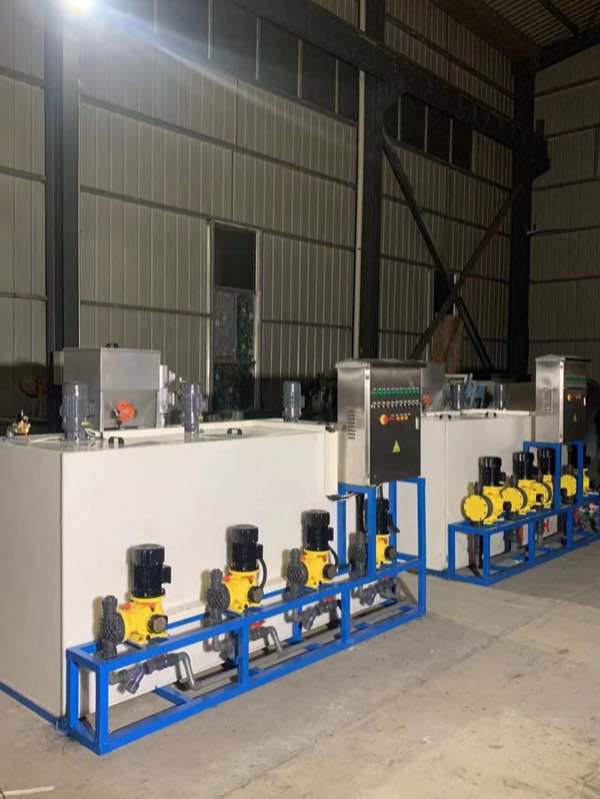
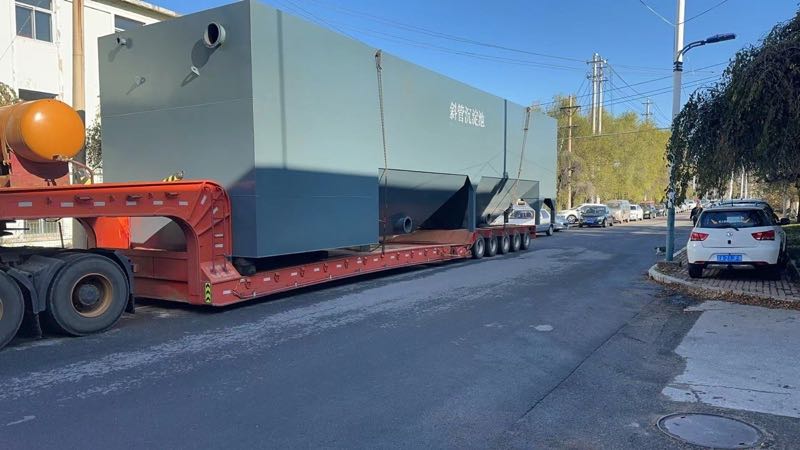
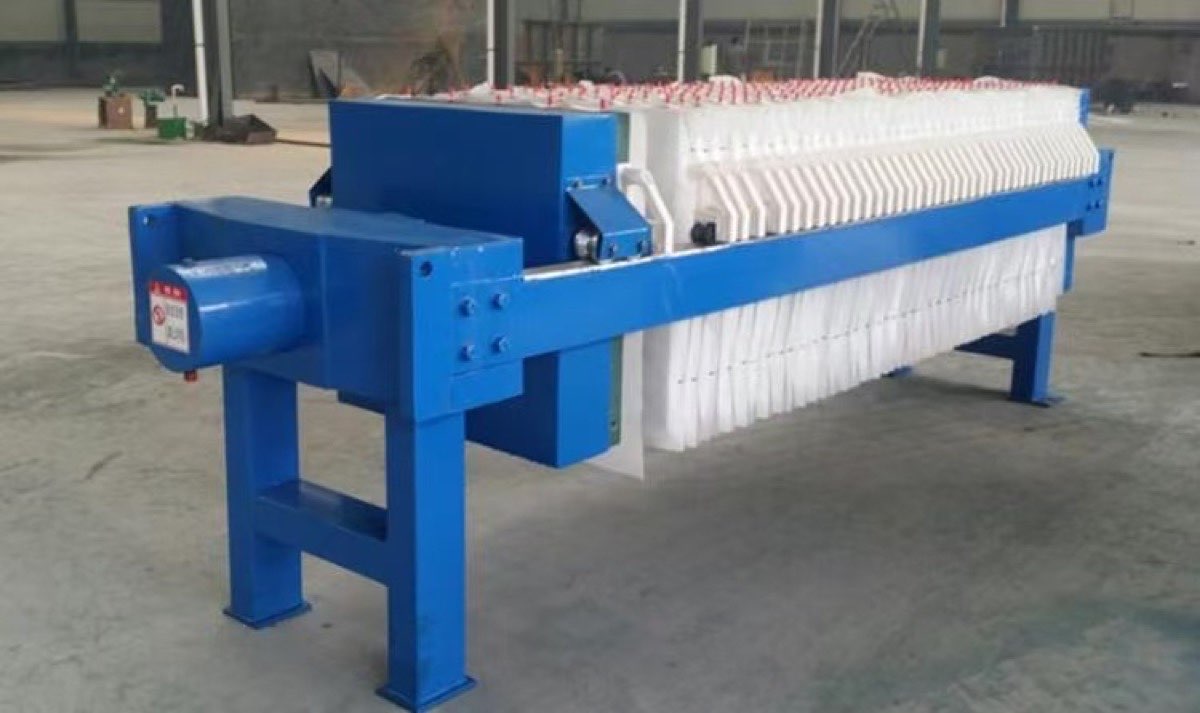
The proposed system combines a rotary mechanical screen, grit separation, equalisation, automatic chemical dosing, lamella clarification, filtration, disinfection, and clean-water storage with reuse pumping. Screening and grit removal protect downstream equipment; equalisation stabilises batch discharges; coagulant and polymer dosing assist cement solids separation. Controlled acid dosing adjusts the reported alkaline influent before clarification, with final pH correction after filtration. Clarified water is filtered and disinfected before storage and reuse. Settled sludge is thickened and dewatered by a plate-and-frame filter press, with filtrate returned to equalisation. Final equipment, detention times, dosing rates, filtration selection, and reuse criteria will be confirmed after the client provides operating and water-quality data.
What We Asked First
Please confirm maximum vehicle dimensions and bay clearances, simultaneous operation, brush and automation requirements, electrical supply, drainage and reuse connections, peak discharge, TSS, particle size, alkalinity, oil and grease, neutralisation trials, and final reuse limits.
Proposed Process Train
- 1Mechanical screening
- 2grit separation
- 3equalisation and coagulation
- 4pH neutralisation
- 5lamella clarification
- 6filtration and disinfection
- 7clean-water storage and reuse
- 8sludge thickening and plate-and-frame dewatering
For Similar Projects
Prepare vehicle dimensions, bay layouts, simultaneous-use assumptions, water analysis, neutralisation test results, peak-flow data, drainage and reuse conditions, electrical details, and acceptance criteria before final process sizing and equipment selection.
Ref. A-010. Client identity is withheld under our client-confidentiality policy. Capacity is shown as a capacity class (design value rounded up to the next 5 at its second significant digit).