
Wastewater treatment expert: +86-181-0655-2851 Get Expert Consultation

Chemical Industry Wastewater Treatment

Chemical Manufacturing

Country guides, source reports and reviewed records. Follow each record to its original context.

Chemical manufacturing generates some of the most complex and hazardous industrial wastewater streams. The diversity of chemical processes — from petrochemical synthesis and agrochemical production to specialty chemicals and plastics — means each facility produces a unique cocktail of pollutants including toxic organics, heavy metals, acids, alkalis, and refractory compounds that resist conventional treatment methods.

Chemical wastewater often contains substances that are inhibitory or toxic to biological treatment organisms, requiring careful pre-treatment strategies. Concentration fluctuations can be extreme, with batch processes creating slug loads that can overwhelm treatment systems. Many chemical compounds are persistent organic pollutants (POPs) that require advanced oxidation to break down.

HydropureWater designs robust treatment systems for the chemical industry, combining physical-chemical pre-treatment, specialized biological processes, and advanced polishing technologies to handle even the most challenging effluent streams while ensuring full regulatory compliance.

Common Wastewater Challenges in Chemical Manufacturing

Toxic & Inhibitory Compounds: Many chemical intermediates and byproducts are toxic to biological treatment organisms, requiring detoxification through chemical oxidation, reduction, or precipitation before biological treatment.

Extreme pH Variations: Acid and alkali streams from different processes create extreme pH swings (pH 1–14) that must be carefully neutralized before downstream treatment.

Refractory Organics: Many synthetic chemicals and their intermediates are resistant to biodegradation (low BOD/COD ratio), requiring advanced oxidation processes (AOP) to break molecular bonds.

Heavy Metal Pollution: Catalyst residues, metal salts, and plating chemicals introduce heavy metals (Cr, Ni, Cu, Zn) that must be removed to ppb levels through precipitation, ion exchange, or membrane separation.

Recommended Treatment Solutions

Comprehensive treatment approach for chemical industry wastewater

1

Segregation & Equalization

Separate collection of concentrated toxic streams, acid/alkali streams, and general process water. Equalization tanks buffer batch process fluctuations for stable downstream treatment.

2

Chemical Pre-treatment

Neutralization, heavy metal precipitation (hydroxide/sulfide), chemical oxidation (Fenton, ozone, or peroxide) for detoxification of toxic organics and cyanide destruction.

3

Anaerobic + Aerobic Biological Treatment

IC (Internal Circulation) or UASB anaerobic reactor for high-COD streams, followed by aerobic treatment (MBR or SBR) for final COD polishing and nitrogen removal.

4

Advanced Polishing & Zero Liquid Discharge

Activated carbon adsorption, membrane filtration (UF/NF/RO), and evaporation-crystallization for facilities targeting ZLD or stringent discharge limits.

Recommended Equipment

Robust wastewater treatment equipment for chemical plants

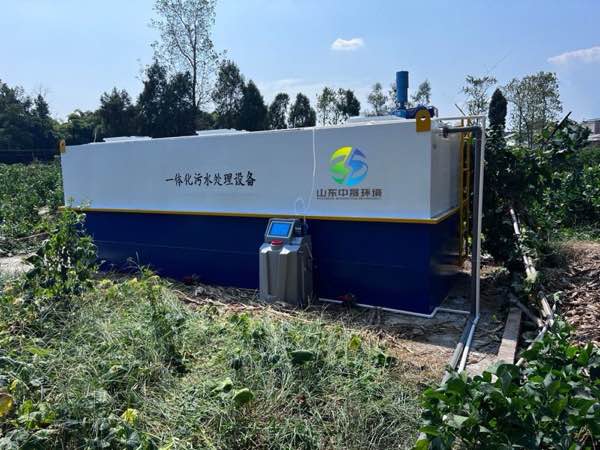
MBR Membrane Bioreactor Wastewater Treatment System

MBR Membrane Bioreactor Wastewater Treatment System

Integrated MBR membrane bioreactor system combining activated sludge treatment with submerged PVDF membrane filtration. Delivers near-reuse-quality effluent (<1 μm filtration) with 60% smaller footprint than conventional systems. Ideal for municipal sewage, industrial process water, and water reuse projects from 10 to 2,000 m³/day.

Industrial Reverse Osmosis (RO) Water Treatment System

Industrial Reverse Osmosis (RO) Water Treatment System

HydropureWater industrial RO systems deliver ultra-pure permeate at recovery rates up to 95%, serving pharmaceutical, semiconductor, food & beverage, and power generation applications worldwide. Fully automated PLC-controlled operation with continuous output and minimal chemical consumption.

Multi-Media Filter for Water Treatment

Multi-Media Filter for Water Treatment

HydropureWater multi-media filters remove suspended solids, turbidity, and colloidal matter from raw water, achieving SDI values suitable for downstream RO membrane protection. Robust, low-maintenance vessels with long-life filter media and automated backwash.

Automatic Chemical Dosing System

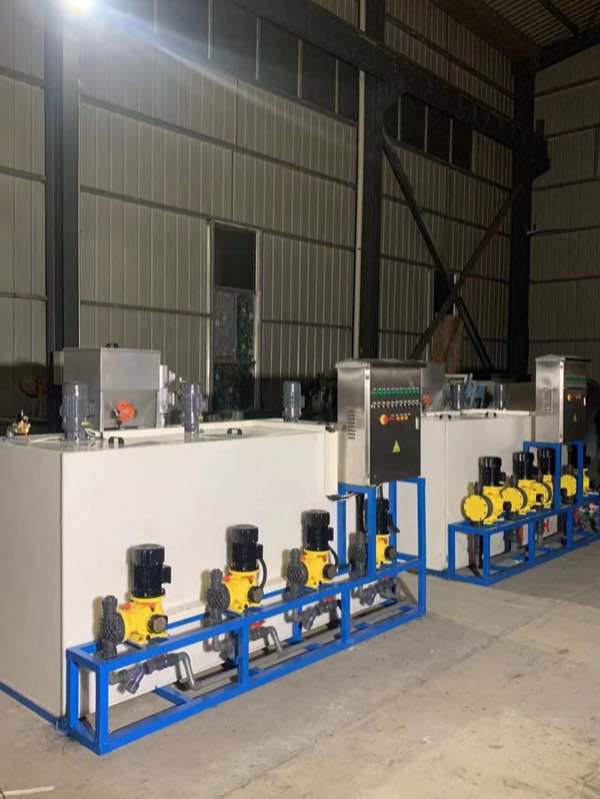
Automatic Chemical Dosing System

HydropureWater automatic chemical dosing systems provide precise, PLC-controlled injection of coagulants, flocculants, pH adjusters, and specialty chemicals for water and wastewater treatment. Skid-mounted, pre-wired, and factory-tested for rapid installation.

Plate and Frame Filter Press for Sludge Dewatering

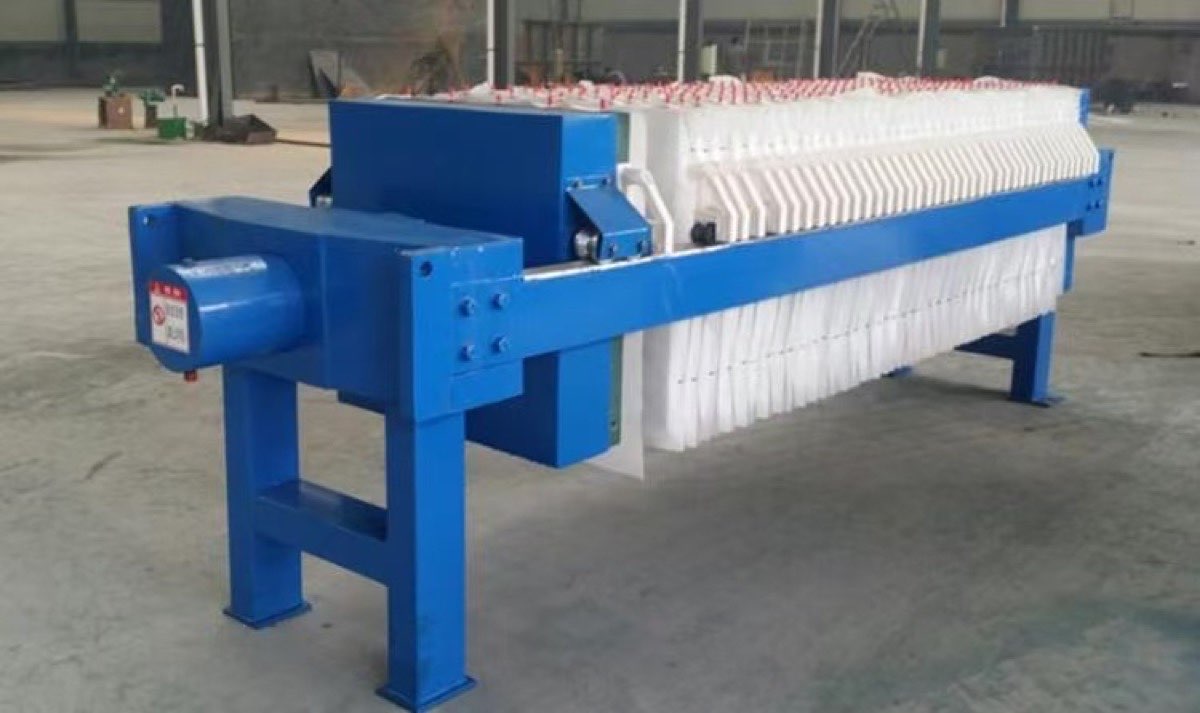
Plate and Frame Filter Press for Sludge Dewatering

HydropureWater plate and frame filter presses deliver efficient solid-liquid separation for municipal and industrial sludge dewatering, with filtration areas from 1 m² to 500 m² and manual, hydraulic, or fully automatic PLC-controlled operation.

High-Efficiency Sedimentation Tank (Lamella Clarifier)

High-Efficiency Sedimentation Tank (Lamella Clarifier)

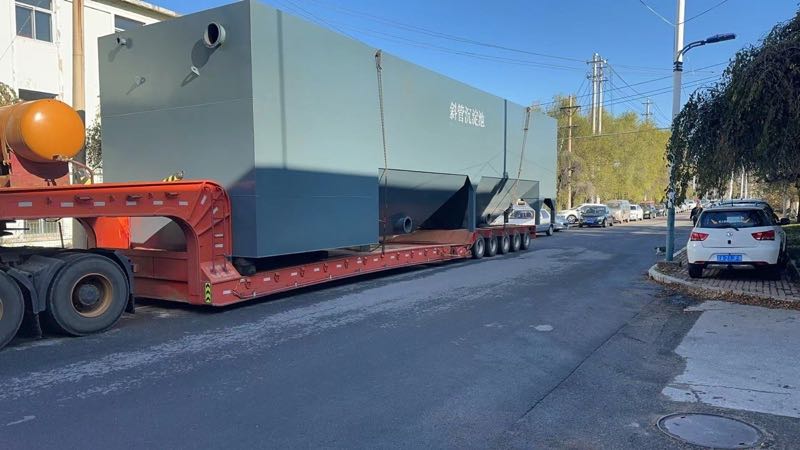
HydropureWater high-efficiency sedimentation tanks (lamella clarifiers) combine sludge recirculation, flocculation, and inclined-plate separation in a single compact structure — achieving surface loading rates of 20–40 m/h while reducing chemical consumption by up to 30%.

Flue Gas Desulfurization (FGD) Scrubber System

Flue Gas Desulfurization (FGD) Scrubber System

HydropureWater's Flue Gas Desulfurization (FGD) Scrubber combines SO₂ removal and particulate collection in a single integrated tower. Using lime/limestone wet scrubbing, it achieves high desulfurization efficiency while producing reusable gypsum byproduct — with no moving parts, low operating cost, and compliance with EPA NSPS, EU Industrial Emissions Directive 2010/75/EU, and World Bank emission guidelines.

Pulse Jet Baghouse Dust Collector

Pulse Jet Baghouse Dust Collector

The HydropureWater Pulse Jet Baghouse is a high-efficiency fabric filter dust collector engineered for coal-fired boilers and industrial furnaces. Featuring low-pressure long-bag pulse cleaning, an integrated bypass system, and modular construction, it achieves particulate emission levels below 10 mg/Nm³ — meeting EPA NSPS, EU Industrial Emissions Directive 2010/75/EU, and BAT-AEL requirements.

EDI Electrodeionization System

EDI Electrodeionization System

Continuous electrodeionization stacks that polish RO permeate to ultrapure water with no acid or caustic regeneration. Replaces mixed-bed ion exchange, eliminating regeneration wastewater and neutralization tanks. For pharmaceutical, electronics, power and dialysis water.

Ultrafiltration (UF) Water Treatment System

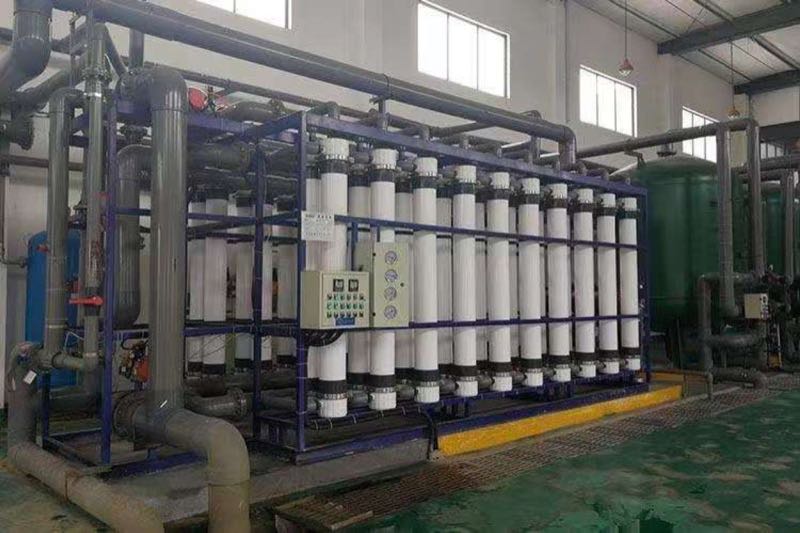
Ultrafiltration (UF) Water Treatment System

Hollow-fiber ultrafiltration systems from 2,000 to 40,000 L/h using 0.03 micron PVDF membranes. Removes bacteria, colloids and suspended solids without chemicals, accepts up to 300 ppm turbidity, with automatic backwash and air scour. For municipal, rural and RO pretreatment duty.

Industrial Water Softener System (KJ-WT Series)

Industrial Water Softener System (KJ-WT Series)

Twin-tank industrial water softeners from 1 to 45 T/h with paired brine tanks from 60 to 2,000 L. Alternating vessels give uninterrupted soft water for boiler feed, cooling systems, laundries and RO pretreatment.

Recent Chemical Industry Projects

Delivered systems and ongoing assessments in this sector. Client identities withheld; capacities approximate.

60 m³/d diffusion dialysis acid recovery and wastewater pretreatment

Ref. A-031 · Location withheld · 60 m³/d · Chemical & Electroplating
Budgetary proposal issued · Updated Nov 2026

Brief received The client-supplied design basis is 60 m³/d of sulphuric acid-containing acidic wastewater, but the stated flow may describe either the acid-recovery feed or the combined wastewater stream. No analytical results, operating hours, batch frequency, acid-recovery targets or reuse requirements are confirmed. A membrane suitability and sample-water assessment is therefore required before equipment selection.

What we asked first Please confirm the design flow and operating basis; provide complete water analyses including free sulphuric acid, pH, total acidity, sulphate salts, COD, oil, TSS and temperature; and define the recovered-acid and reuse requirements.

Our position The proposed solution comprises collection and equalisation, screening, oil separation and lamella clarification, followed by protection filtration and a diffusion dialysis system for sulphuric acid recovery. Dialysis water is prepared and supplied from a dedicated tank, while recovered acid is stored for reuse only after its concentration and impurity limits are verified. Residual liquor is transferred to the existing wastewater plant, and sludge and screenings require appropriate collection and dewatering. Final equipment sizing, membrane selection and any downstream treatment will change after the flow definition, analyses, operating pattern, reuse standard and client trial results are available.

For similar projects Prepare the wastewater characterisation, flow and operating data, recovered-acid specification, reuse assessment, site utilities and a representative sample for membrane compatibility and performance testing.

100 L/h MVR pilot evaporation and crystallisation system — United Kingdom

Ref. A-011 · United Kingdom · 100 L/h · Chemical & Electroplating
Budgetary proposal issued · Updated Nov 2026

Brief received The client requires separate proposals based on feed flow and evaporation rate for a pilot MVR system treating sodium-containing LiCl solution. The client-supplied design basis includes salinity up to 200000 ppm and no reported organics, but lacks the full composition, ppm basis, feed conditions, concentration endpoint, crystal targets, utility data and trial requirements. Eight-hour daily operation may be considered subject to confirmation.

What we asked first Please confirm the complete Li⁺, Na⁺ and Cl⁻ composition and ppm basis; pH, temperature, density, viscosity, suspended solids, concentration endpoint, target salt, purity and moisture, mother-liquor and condensate destinations, utilities, trial method and material quantity, supply boundary and destination port.

Our position The proposed package uses guarded pre-treatment to remove entrained solids, followed by a falling-film MVR evaporator for low-temperature concentration under vacuum. Vapour is condensed in a clean circuit, while the concentrated liquor is cooled in a crystalliser. Solid-liquid separation by filtration or centrifugation, followed by washing, drying and sealed residue handling, produces a testable crystal fraction. Mother liquor is returned to a controlled tank for further concentration, with purge or disposal subject to composition and client requirements. Condensate is sampled before reuse or discharge. Both feed-flow and evaporation-rate cases will be costed independently. Final metallurgy, materials, heat-transfer area, energy estimates and performance require confirmed laboratory data and operating hours.

For similar projects Prepare representative feed and concentrate samples, solvent and salt analysis, utility availability, batch duration, recovery targets, residue handling requirements and acceptance criteria before final engineering design.

40 m³/d heavy equipment wash water treatment and reuse system – Saudi Arabia

Ref. A-010 · Saudi Arabia · 40 m³/d · Industrial Process Water
Budgetary proposal issued · Updated Oct 2026

Brief received The client-supplied design basis is 40 m³/d for an eight-to-ten-hour operating day at a two-bay heavy equipment wash area serving crushing and concrete plant vehicles. Influent is reported to contain high suspended solids, cement fines, aggregate, and pH 11–12. Reuse for equipment washing and dust suppression requires pH 7–8, while other water-quality limits remain to be confirmed.

What we asked first Please confirm maximum vehicle dimensions and bay clearances, simultaneous operation, brush and automation requirements, electrical supply, drainage and reuse connections, peak discharge, TSS, particle size, alkalinity, oil and grease, neutralisation trials, and final reuse limits.

Our position The proposed system combines a rotary mechanical screen, grit separation, equalisation, automatic chemical dosing, lamella clarification, filtration, disinfection, and clean-water storage with reuse pumping. Screening and grit removal protect downstream equipment; equalisation stabilises batch discharges; coagulant and polymer dosing assist cement solids separation. Controlled acid dosing adjusts the reported alkaline influent before clarification, with final pH correction after filtration. Clarified water is filtered and disinfected before storage and reuse. Settled sludge is thickened and dewatered by a plate-and-frame filter press, with filtrate returned to equalisation. Final equipment, detention times, dosing rates, filtration selection, and reuse criteria will be confirmed after the client provides operating and water-quality data.

For similar projects Prepare vehicle dimensions, bay layouts, simultaneous-use assumptions, water analysis, neutralisation test results, peak-flow data, drainage and reuse conditions, electrical details, and acceptance criteria before final process sizing and equipment selection.

Related Technical Guides

In-depth engineering guides and compliance references

Need a Custom Solution for Your Chemical Plant?

Our engineers have extensive experience with complex chemical wastewater. Send us your effluent analysis and we will design the optimal treatment system.

AI Growth
Contact
Contact Us
Call Us
+86-181-0655-2851
Email Us Get a Quote Contact Us