Set the Effluent and Reuse Requirements First
Choose MBR over conventional activated sludge when reuse quality, footprint, biological solids retention, or unreliable settleability is binding; choose CAS when the influent is stable and readily biodegradable, land is available, permit headroom is adequate, and capital cost dominates. HydropureWater’s 2026 comparison reports MBR effluent typically below 5 mg/L TSS and below 1 NTU, versus 10 to 30 mg/L TSS at best for CAS, but MBR CAPEX at 1,000 m³/day is directionally 1.4 to 1.8 times CAS. A hybrid retrofit is worth testing when serviceable biology can be retained but sharper solids separation is required.
The equipment specification should follow the destination of the treated water. Obtain the current permit, renewal conditions, monitoring requirements, and any applicable whole-effluent-toxicity provisions before comparing bids. Then identify whether the stream will enter a county treatment system, discharge to a surface-water outfall, or support cooling, scrubber dilution, boiler feed, or another reuse destination.
Low-TSS membrane permeate does not by itself demonstrate compliance with a reuse specification. Cooling, scrubber, and boiler-feed applications may require additional polishing, disinfection, or chemistry control. The destination-specific quality envelope therefore belongs in the bid documents and performance guarantees.
The supplied evidence is general and supplier-based. It does not establish Cantonment-specific permit limits, reuse requirements, or operating conditions; those must be confirmed from local agency records and the plant’s reuse specification.
| Input to fix before bidding | Evidence required | Decision affected |
|---|---|---|
| Discharge destination | Current permit, renewal terms, monitoring and toxicity conditions | Whether CAS effluent quality is sufficient |
| Reuse endpoint | End-use quality specification and chemistry requirements | Whether MBR alone is sufficient or polishing is required |
| Batch variability | Production-year flow and contaminant record, including batch timing | Equalization, pretreatment, biological and membrane sizing |
| Site constraints | Available footprint, disposal route, operator capability and water-reuse value | New CAS, full MBR or hybrid retrofit |
Compare CAS, MBR and Hybrid Treatment
CAS uses gravity settling in a secondary clarifier, while MBR retains biomass with membrane separation and thereby decouples effluent solids from sludge settleability. HydropureWater’s 2026 chemical-wastewater comparison gives CAS SRT screening bounds of 5 to 15 days and HRT bounds of 6 to 12 hours, versus MBR SRT bounds of 20 to 60 days and MLSS bounds of 8,000 to 15,000 mg/L. These are comparison bounds, not a plant design.
CAS is the defensible baseline when the chemical stream is stable and readily biodegradable, adequate land is available, the permit has sufficient headroom, and initial capital is the priority. Its weakness is operational: surfactant, solvent, or ammonia loads can impair settleability and carry biomass into the effluent.
Full MBR becomes the stronger candidate when very low solids or turbidity supports reuse, footprint is constrained, recalcitrant loads require longer solids retention, or losing biomass during settleability problems would be costly. HydropureWater’s 2026 comparison reports typical MBR effluent below 5 mg/L TSS and below 1 NTU, compared with 10 to 30 mg/L TSS at best for CAS. That separation is not, by itself, a discharge or reuse guarantee.
A hybrid MBR retrofit requires evaluation when existing aeration and clarification equipment remain serviceable but tighter solids separation or reuse objectives require added membrane capacity. Retaining the biology can preserve an established process while replacing or supplementing solids separation. It is not automatically cheaper: the existing tank condition, membrane demand, hydraulic profile and residual asset value all affect the retrofit case.
The MBR wastewater cost per m³ guide is useful for developing the bid model, but every bidder must apply the same permit, influent envelope, reuse endpoint and guarantee conditions.
| Decision condition | CAS | Full MBR | Hybrid MBR retrofit |
|---|---|---|---|
| Influent and land | Stable, readily biodegradable flow; adequate land | Variable or recalcitrant flow; limited land | Existing treatment remains serviceable; separation must improve |
| Separation | Gravity settling; susceptible to poor settleability | Membrane separation; dependent on integrity and sustainable flux | Added membrane separation around retained biology |
| Indicative performance from HydropureWater, 2026 | 10 to 30 mg/L TSS at best | Below 5 mg/L TSS and below 1 NTU | Must be established for the modified train |
| Screening values from HydropureWater, 2026 | SRT 5 to 15 days; HRT 6 to 12 hours | SRT 20 to 60 days; MLSS 8,000 to 15,000 mg/L | Existing biology and membrane demand must be reconciled |
| Main commercial risk | Clarifier upsets and weaker solids performance | Higher capital, energy, cleaning and membrane-replacement exposure | Integration mismatch and uncertain retained-asset performance |
Test Whether the Chemical Stream Can Protect the Biology
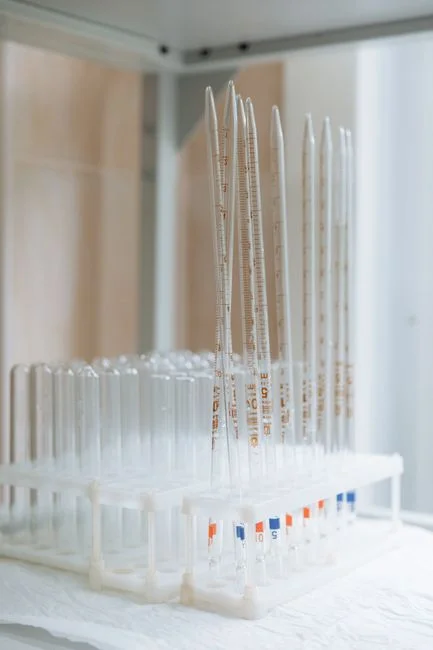
A chemical-compatibility gate must precede equipment selection because neither biology nor membranes are inherently protected from incompatible batches. HydropureWater’s 2026 Central US chemical-wastewater profile identifies COD swings of 800 to 4,000 mg/L as a regional comparison envelope, while requiring final design to use plant-specific data. A single composite sample cannot represent the timing, duration and mixing rate of production discharges.
Obtain a full production-year influent dataset, including batch timing, flow, COD, nutrients, pH, salinity, temperature and relevant toxic constituents. Identify the shortest credible mixing interval for surfactant, solvent, oil or ammonia discharges. Use whole-effluent-toxicity testing to cover normal batches and that shortest credible interval; toxicity is a process-design input, not a closeout item.
Surfactant, solvent or ammonia slugs can cause CAS bulking, pinpoint floc and clarifier instability. MBR retains biomass when settling deteriorates, but it remains exposed to the same biological shock and can suffer membrane fouling or polymer damage. Equalization, pH control and compatible pretreatment are therefore required for either route.
HydropureWater’s 2026 general MBR comparison identifies oils and greases above 50 mg/L as an irreversible-fouling risk, subject to confirmation for the selected membrane. It also identifies aggressive solvents as membrane threats and temperatures above 40 °C as unsuitable for PVDF membranes. Require a chemical-by-chemical compatibility statement and pilot verification where application risk remains unresolved.
Where oil, FOG or floatable solids must be removed, DAF pretreatment for oily chemical wastewater can intercept contaminants before the biological and membrane stages. DAF is pretreatment, not a substitute for biological treatment. The DAF versus clarifier selection for chemical wastewater comparison provides a separate decision framework that should not be merged with the CAS-versus-MBR bid.
Account for Winter Operation and Membrane Maintenance
Winter operation can narrow the apparent biological advantage of CAS because cold water slows biological reactions and gravity settling. HydropureWater’s 2026 Central US source identifies January mixed-liquor temperatures of 8 to 12 °C and states that nitrification rates roughly halve for each 10 °C decline.
At 10 °C, the same 2026 source states that a 30-day MBR SRT can still support full nitrification while a 10-day CAS SRT typically cannot. Verify that relationship through site-specific kinetics. The MBR case also requires review of membrane area and operating flux because viscosity-related permeability changes can offset the biological benefit of solids retention.
HydropureWater’s 2026 Central US comparison identifies 0.3 to 0.6 kWh/m³ of membrane-scouring energy above the CAS baseline. It also identifies weekly NaOCl maintenance cleaning at 500 to 1,000 mg/L and semiannual recovery cleaning with citric acid or NaOH. Price those frequencies against the actual chemistry, production schedule, membrane configuration and local utility rates.
| Winter or maintenance issue | Procurement evidence required | Acceptance response |
|---|---|---|
| Cold mixed liquor | Site temperature record and winter influent loads | Seasonal SRT, volume and biological-loading check |
| Reduced membrane permeability | Temperature-corrected flux and permeability method | Guaranteed sustainable flux under the stated range |
| Scouring demand | Equipment-specific kWh/m³ calculation | Base and peak power demand identified |
| Preventive and recovery cleaning | Plant chemistry, cleaning frequency and compatibility statement | Cleaning chemistry, dose, frequency and downtime defined |
| Membrane replacement | Current replacement price and warranty terms | Spare-parts schedule and replacement responsibility stated |
Build a Comparable 20-Year Cost and Bid Model
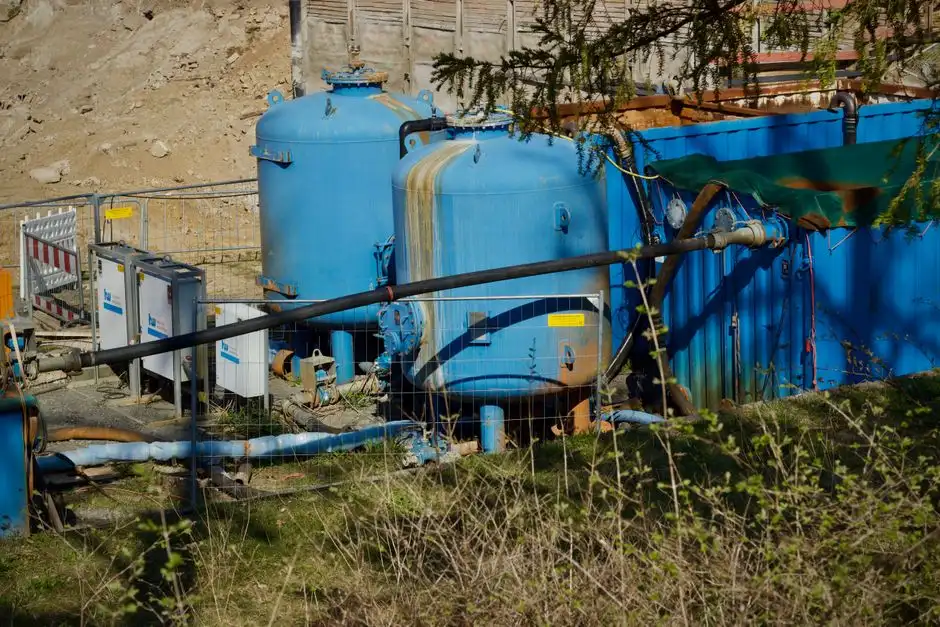
For a 1,000 m³/day chemical stream, HydropureWater’s 2026 comparison gives directional MBR CAPEX of 1.4 to 1.8 times CAS and MBR OPEX of 1.2 to 1.5 times CAS per cubic metre. These are comparison multipliers, not quotations; they do not establish the price of a Cantonment installation.
The operating comparison must include the consequences of retained solids. The 2026 source reports observed yields of 0.10 to 0.25 kg VSS/kg COD for MBR and 0.30 to 0.45 kg VSS/kg COD for CAS, which it translates into 20 to 40% less waste activated sludge. It also gives a 2026 estimate of $35 to $55 per wet ton for Class B dewatering cake and reports hauls often exceeding 100 km. Use plant-specific moisture content, generation, route and disposal quotations.
A plate-and-frame filter press can dewater sludge from either treatment train, but the bid should be based on actual chemical demand, cake moisture and haulability testing rather than an assumed cake-solids value.
Require each bidder to state the flow basis, influent envelope, hydraulic and contaminant-loading calculations, membrane area, design flux, turndown, pretreatment, cleaning chemistry, replacement terms and enforceable TSS, turbidity, COD, nutrient and reuse guarantees. The integrated MBR membrane bioreactor system equipment reference can support equipment scope development, but equipment specifications are not independent whole-plant guarantees.
- Normalize flow, batch and influent basis across all bids.
- Price energy, chemicals, membrane replacement, sludge volume, dewatering, disposal and labor.
- Credit purchased-water displacement only for verified reusable volume and operating hours.
- Apply a common 20-year cash-flow basis, including terminal asset and residual-value assumptions.
- Evaluate bids against identical permit and reuse guarantees.
| Bid item | Mandatory supplier entry | Pass/fail check |
|---|---|---|
| Design basis | Flow, batch envelope, temperatures and contaminant loads | Matches the buyer’s approved basis |
| Process sizing | Volume, SRT, membrane area, design flux and turndown | Supports all documented operating states |
| Compatibility | Chemical-by-chemical membrane and material review | No unresolved incompatible constituent |
| Performance | TSS, turbidity, COD, nutrient and reuse guarantees | Legally enforceable and tied to plant conditions |
| Operations | Cleaning, replacement, spares, labor and upset response | Lifecycle cost and downtime are priced |
| Verification | Commissioning, toxicity testing and pilot plan where required | Acceptance criteria stated before award |
Frequently Asked Questions
How much more does MBR cost than conventional activated sludge for chemical wastewater?
HydropureWater’s 2026 comparison estimates MBR CAPEX at 1.4 to 1.8 times CAS and OPEX at 1.2 to 1.5 times CAS per cubic metre for a 1,000 m³/day stream. These directional multipliers exclude a site quotation and do
Frequently Asked Questions
Is MBR worth the extra cost for chemical wastewater?
Membrane Bioreactors (MBR) are generally worth the higher capital and operational expenditure when effluent reuse or stringent discharge limits are required. While Conventional Activated Sludge (CAS) systems typically achieve BOD levels of 10-20 mg/L and TSS of 15-30 mg/L, MBR systems consistently deliver BOD < 5 mg/L and TSS < 1 mg/L, often meeting stringent reuse standards such as Title 22 in California.
The decision hinges on the total cost of ownership; MBR eliminates the need for secondary clarifiers and tertiary filtration steps, reducing the overall footprint by 50-70%. For chemical facilities facing high effluent surcharges or strict nitrogen/phosphorus removal mandates, the operational reliability and superior water quality of MBR often provide a faster return on investment compared to the chemical dosing and sludge handling costs associated with upgrading a CAS plant.
How do I size an MBR for a chemical plant with batch discharges?
Sizing an MBR for batch-discharging chemical plants requires an equalization basin capable of buffering the entire volume of the largest batch discharge to ensure a constant flow rate to the biological process. Since membrane flux rates are typically designed between 10-25 LMH (liters per square meter per hour), hydraulic surges must be mitigated to prevent irreversible membrane fouling and excessive transmembrane pressure (TMP) spikes.
Engineers should size the bioreactor based on the organic loading rate (OLR) rather than just hydraulic retention time, aiming for a Food-to-Microorganism (F/M) ratio that accounts for the peak COD/BOD concentration of the batches. If the batch discharge contains high concentrations of recalcitrant organics or solvents, the system must include an integrated or upstream pretreatment step to prevent membrane degradation and maintain the design flux.
When is a hybrid MBR retrofit better than installing new activated sludge?
A hybrid MBR retrofit is superior when a facility needs to increase treatment capacity or improve effluent quality within the constraints of an existing, space-limited footprint. By converting existing aeration tanks into MBR zones and installing membrane modules directly into the basins, facilities can increase the Mixed Liquor Suspended Solids (MLSS) concentration from the 3,000-4,000 mg/L typical of CAS to 8,000-12,000 mg/L.
This higher biomass concentration allows for a significantly higher organic loading rate without the need for additional civil construction. A retrofit is the most cost-effective solution when the existing basin geometry is sound and the facility lacks the real estate to construct new, larger secondary clarifiers required to handle higher flow rates or sludge volumes in a traditional CAS configuration.
Which performance guarantees should I require from an MBR supplier?
Performance guarantees should explicitly define effluent quality, membrane flux maintenance, and energy consumption. Essential guarantees include a specific permeate quality (e.g., BOD < 5 mg/L, TSS < 1 mg/L, Turbidity < 0.2 NTU) and a sustained net flux rate measured over a 24-hour cycle at a specified peak flow temperature.
Additionally, require a guaranteed membrane service life, typically ranging from 5 to 7 years, based on a maximum allowable transmembrane pressure (TMP) increase. Suppliers should also provide a guarantee on the maximum specific energy consumption (SEC), usually expressed in kWh/m³ of treated water, which must account for both permeate extraction and membrane scouring air requirements to prevent excessive operational costs.
What influent and toxicity tests are needed before choosing CAS versus MBR?
Before selecting a process, perform a comprehensive influent characterization including COD/BOD ratio, TKN, phosphorus, and trace heavy metals. For chemical wastewater, it is critical to conduct a Respirometry Test to determine the oxygen uptake rate (OUR) and assess the potential for inhibition of nitrifying bacteria, which are highly sensitive to chemical toxins.
Acute toxicity testing using species such as Daphnia magna or Vibrio fischeri (Microtox) is necessary to determine if the influent will inhibit the biomass, as MBR membranes are susceptible to fouling from chemical-induced extracellular polymeric substance (EPS) production. If the influent contains non-biodegradable or toxic compounds that exceed threshold levels, an MBR will fail rapidly, and pretreatment (such as Advanced Oxidation Processes or carbon adsorption) must be verified as a prerequisite.