Country guides, source reports and reviewed records. Follow each record to its original context.
The oil and gas industry produces massive volumes of wastewater throughout the entire value chain — from produced water during extraction, to process water in refineries, to cooling water and wash water in petrochemical operations. This wastewater contains a complex mixture of free and emulsified oils, dissolved hydrocarbons, heavy metals, naturally occurring radioactive materials (NORM), and high total dissolved solids (TDS).
Produced water alone accounts for the largest waste stream in oil and gas production, with water-to-oil ratios often exceeding 10:1 in mature fields. Refinery wastewater contains phenols, sulfides, ammonia, and various hydrocarbons from crude oil processing. The treatment challenge is compounded by harsh operating conditions, remote locations, and the need for compact, reliable systems.
HydropureWater delivers proven oil-water separation and treatment systems for the entire oil and gas sector, from upstream production facilities to downstream refineries, designed for reliability in demanding conditions while meeting the strictest discharge or reinjection standards.
Emulsified Oil & Hydrocarbons: Stable oil-in-water emulsions from mechanical processing and chemical surfactants are extremely difficult to break with gravity separation alone, requiring advanced flotation or membrane technologies.
High TDS & Salinity: Produced water often contains 30,000–300,000 mg/L TDS, far exceeding seawater salinity, creating challenges for both treatment and disposal in regions with strict discharge limits.
Toxic Compounds: Phenols, polycyclic aromatic hydrocarbons (PAHs), hydrogen sulfide, and heavy metals from crude oil processing are toxic to aquatic life and require specific removal technologies.
Remote & Harsh Conditions: Oil field locations demand compact, robust treatment equipment that operates reliably with minimal maintenance in extreme temperatures, sandstorms, and limited infrastructure.
Proven treatment approach for oil and gas wastewater
Primary oil-water separation removes free oil and large droplets by gravity. API separators and CPI (Corrugated Plate Interceptors) handle bulk oil removal, recovering valuable hydrocarbons.
High-efficiency DAF systems remove emulsified oils, fine suspended solids, and dispersed hydrocarbons. Chemical pre-conditioning with demulsifiers and coagulants breaks stable emulsions before flotation.
MBBR (Moving Bed Biofilm Reactor) or MBR systems degrade dissolved hydrocarbons and phenols. Air or steam stripping removes volatile compounds (H₂S, ammonia, BTEX) before biological stages.
UF/RO membrane systems produce water quality suitable for reinjection, beneficial reuse, or surface discharge. Ceramic membranes are preferred for high-temperature produced water applications.
Specialized wastewater treatment equipment for oil and gas operations
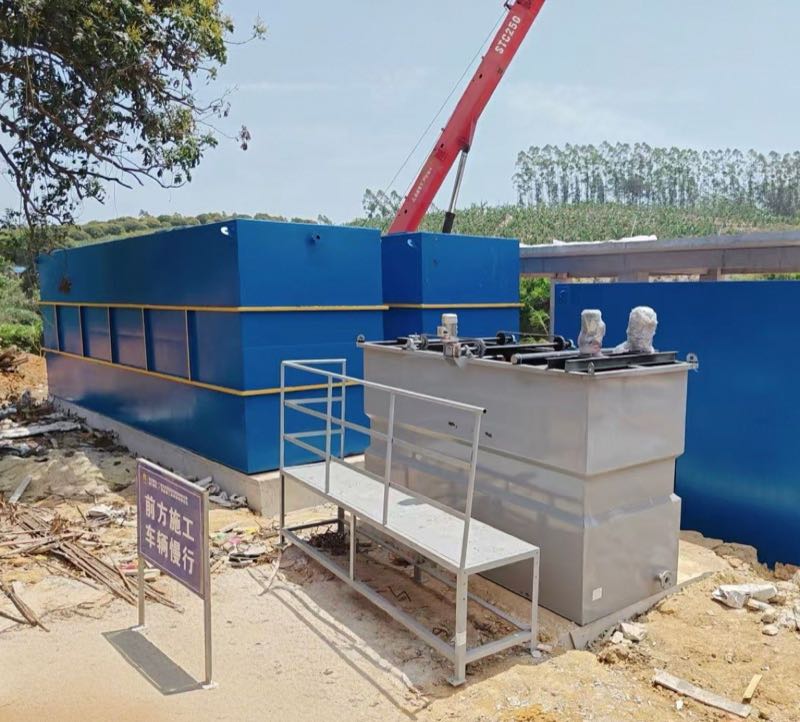
Dissolved air flotation (DAF) system for high-efficiency removal of suspended solids, FOG, oil & grease, and colloidal matter from industrial wastewater. Micro-bubble technology with automatic skimming handles 4–300 m³/h across 13 standard models. Proven in food processing, pulp & paper, textile, metalworking, petrochemical, and municipal pre-treatment applications.
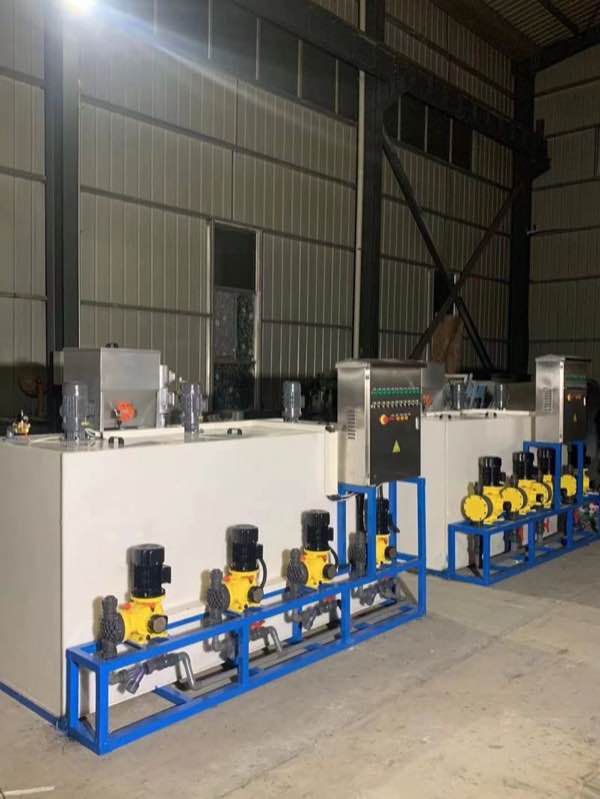
HydropureWater automatic chemical dosing systems provide precise, PLC-controlled injection of coagulants, flocculants, pH adjusters, and specialty chemicals for water and wastewater treatment. Skid-mounted, pre-wired, and factory-tested for rapid installation.
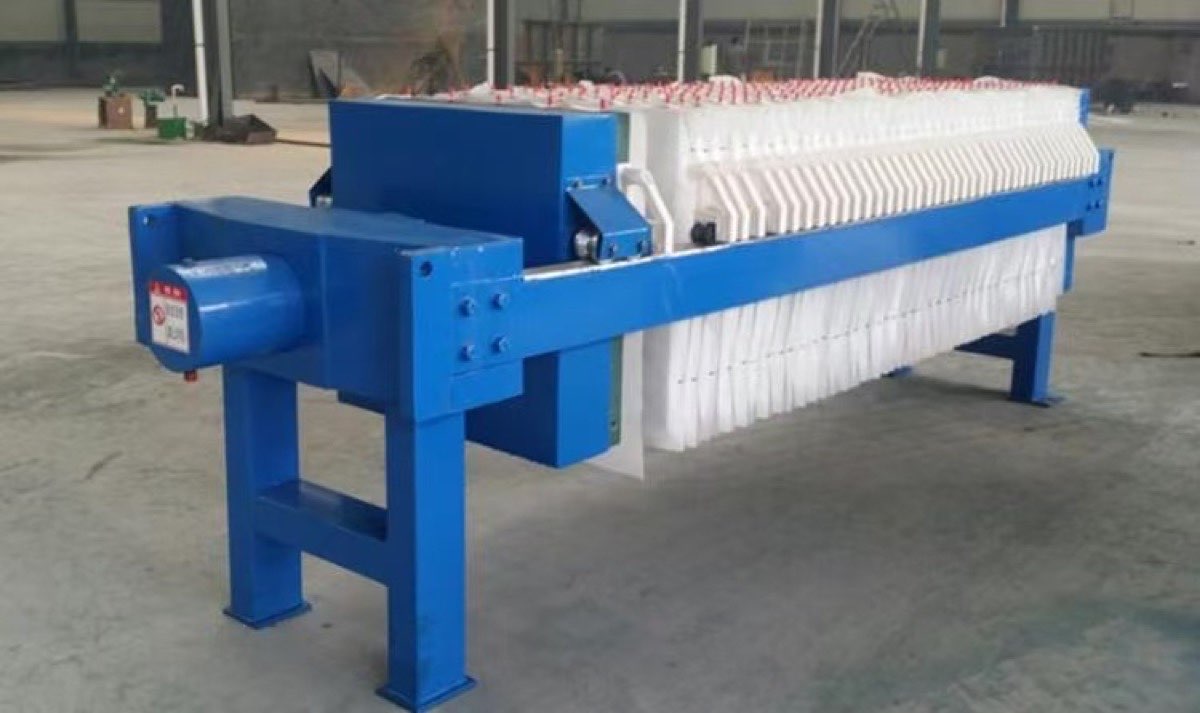
HydropureWater plate and frame filter presses deliver efficient solid-liquid separation for municipal and industrial sludge dewatering, with filtration areas from 1 m² to 500 m² and manual, hydraulic, or fully automatic PLC-controlled operation.
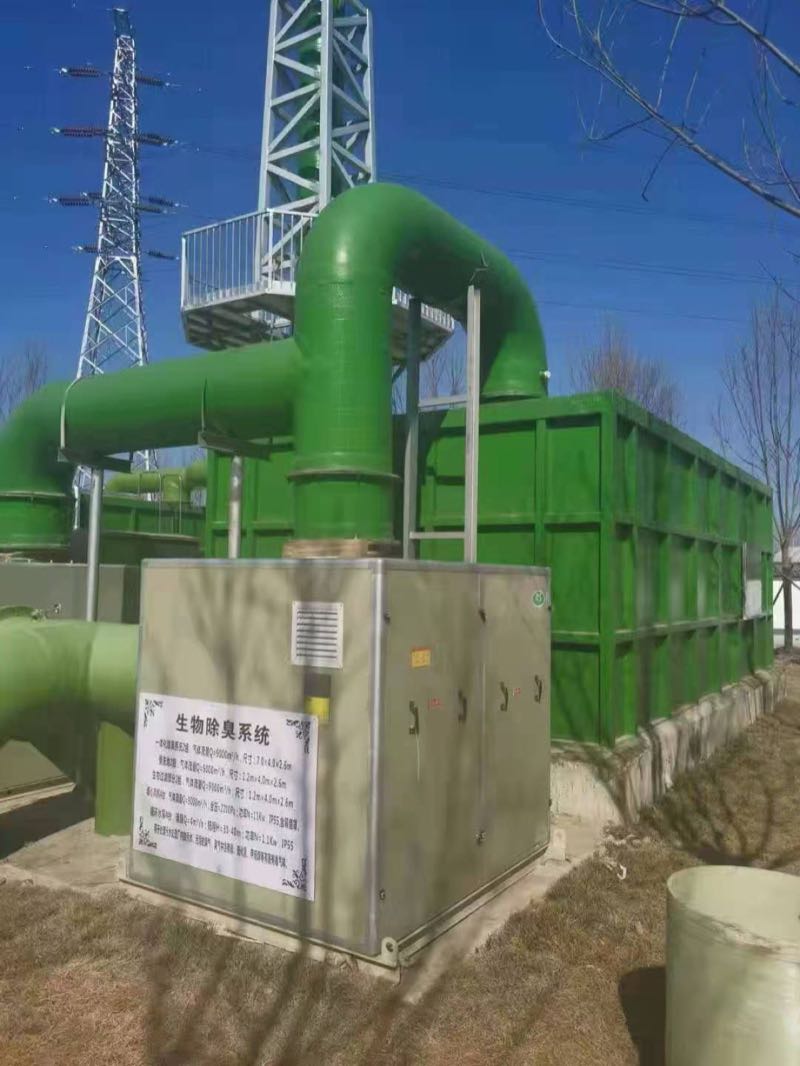
HydropureWater's Flue Gas Desulfurization (FGD) Scrubber combines SO₂ removal and particulate collection in a single integrated tower. Using lime/limestone wet scrubbing, it achieves high desulfurization efficiency while producing reusable gypsum byproduct — with no moving parts, low operating cost, and compliance with EPA NSPS, EU Industrial Emissions Directive 2010/75/EU, and World Bank emission guidelines.

Twin-tank industrial water softeners from 1 to 45 T/h with paired brine tanks from 60 to 2,000 L. Alternating vessels give uninterrupted soft water for boiler feed, cooling systems, laundries and RO pretreatment.

Hollow-fiber ultrafiltration systems from 2,000 to 40,000 L/h using 0.03 micron PVDF membranes. Removes bacteria, colloids and suspended solids without chemicals, accepts up to 300 ppm turbidity, with automatic backwash and air scour. For municipal, rural and RO pretreatment duty.
In-depth engineering guides and compliance references
Our engineers design treatment systems for upstream, midstream, and downstream operations. Get a free consultation with performance guarantees.
