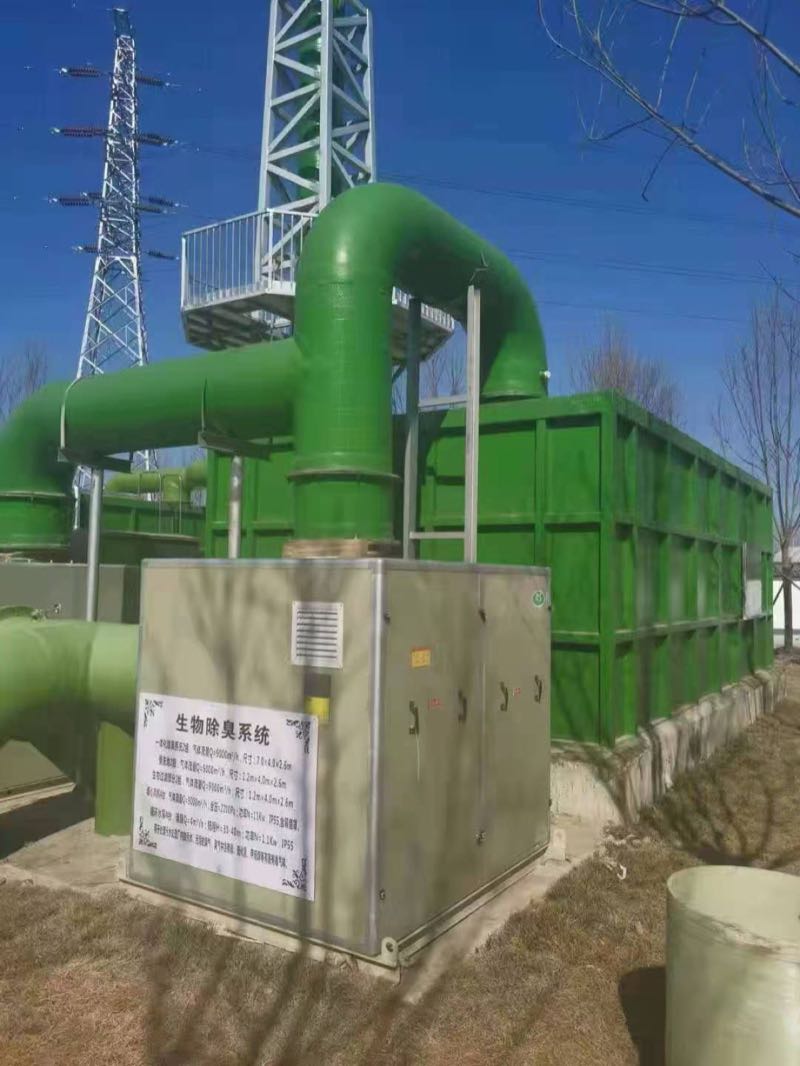
HydropureWater's Flue Gas Desulfurization (FGD) Scrubber combines SO₂ removal and particulate collection in a single integrated tower. Using lime/limestone wet scrubbing, it achieves high desulfurization efficiency while producing reusable gypsum byproduct — with no moving parts, low operating cost, and compliance with EPA NSPS, EU Industrial Emissions Directive 2010/75/EU, and World Bank emission guidelines.
HydropureWater's FGD Scrubber System delivers simultaneous sulfur dioxide removal and particulate capture in a compact, single-vessel design. Engineered on aerodynamic and fluid-dynamic principles, the scrubber accelerates hot flue gas into intimate contact with an alkaline lime slurry, generating fine droplets that maximize gas–liquid contact area. SO₂ and other acid gases react with the calcium-based sorbent to form calcium sulfate (gypsum), while entrained dust particles are captured by inertial impaction and washed from the gas stream. A dedicated separation stage removes the gypsum slurry, producing clean flue gas that meets stringent emission limits and a solid byproduct suitable for construction applications.
Hot flue gas from the boiler or furnace enters the scrubber at high velocity and is directed through a series of acceleration and contact zones. As the gas stream impacts the circulating lime/limestone slurry, the high temperature and turbulent mixing rapidly atomize the liquid into fine droplets, creating an extensive gas–liquid interface.
The key chemical reactions are:
Dust particles are simultaneously captured through inertial impaction, interception, and diffusion within the wet scrubbing zone. The cleaned gas then passes through a mist elimination stage to remove entrained droplets before being discharged through the stack. The spent slurry — now rich in gypsum — is directed to a separation/dewatering system for byproduct recovery.
| Parameter | Specification |
|---|---|
| Desulfurization Efficiency | ≥ 90% (up to 98% with enhanced design) |
| Dust Removal Efficiency | ≥ 95% |
| Sorbent | Quicklime (CaO) or Limestone (CaCO₃) |
| Applicable Flue Gas Temp. | Up to 250 °C inlet |
| Pressure Drop | 800 – 1,500 Pa (application dependent) |
| Byproduct | FGD Gypsum (CaSO₄ · 2H₂O) |
| Moving Parts | None (static internals) |
| Construction Material | Carbon steel with FRP/rubber lining; 316L SS options |
| Applicable Standards | EPA NSPS (40 CFR Part 60), EU IED 2010/75/EU, World Bank EHS Guidelines |
HydropureWater's integrated FGD scrubber achieves dual-purpose emission control — SO₂ and particulate — in a single, zero-moving-part vessel that costs less to install, operate, and maintain than separate systems. The use of commodity lime as a sorbent keeps operating expenses low, while gypsum byproduct recovery can generate revenue or offset disposal costs. With no rotating components to wear or fail, our scrubbers deliver decades of reliable service with minimal downtime. HydropureWater provides complete project support including emissions modeling, system sizing, structural design, installation supervision, and post-commissioning performance verification.
Industrial boilers, foundries, coke ovens, ceramic kilns, cement rotary kilns, refractory tunnel kilns, rare earth processing, smelting, glass manufacturing, food drying, and power plants.
Yes, the calcium sulfate (gypsum) byproduct is suitable for wallboard manufacturing, cement additive, and soil amendment — offsetting disposal costs.
Widely available lime or limestone — low-cost, abundant resources with no proprietary chemicals required.
No, static internal components eliminate mechanical wear, reduce maintenance frequency, and extend service life significantly.
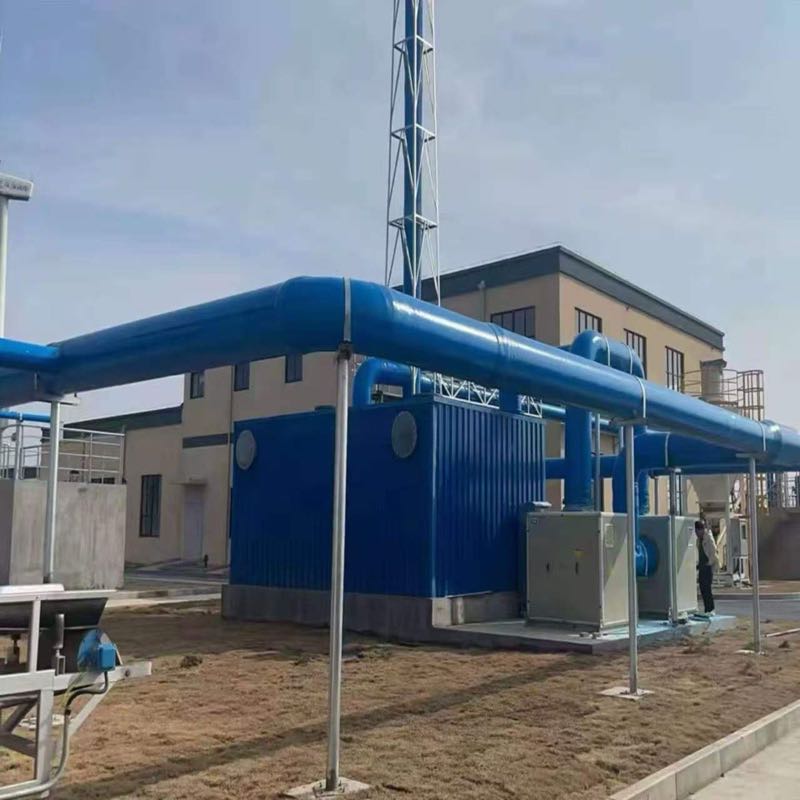
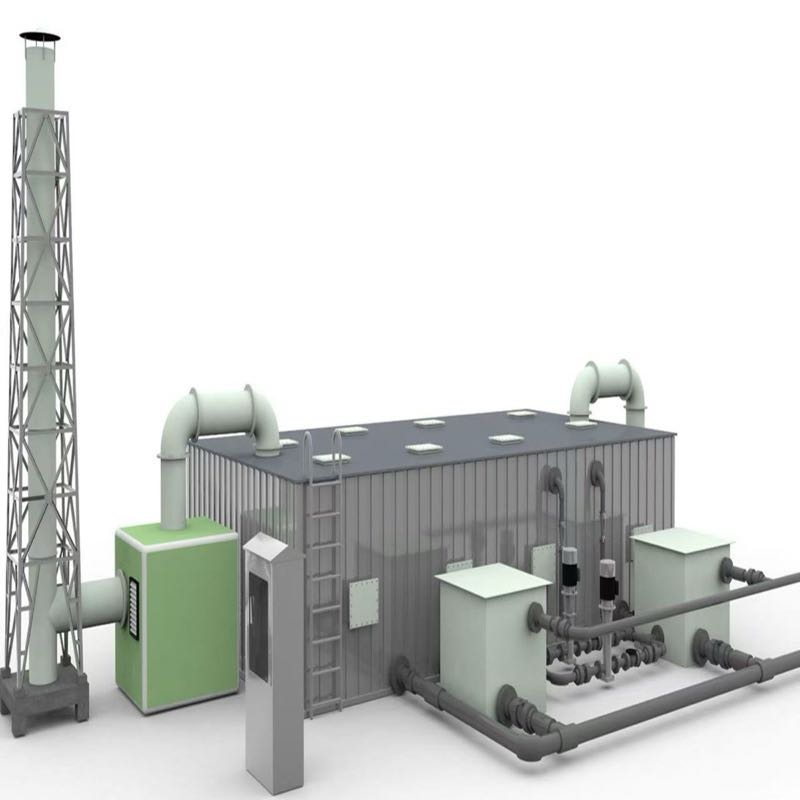
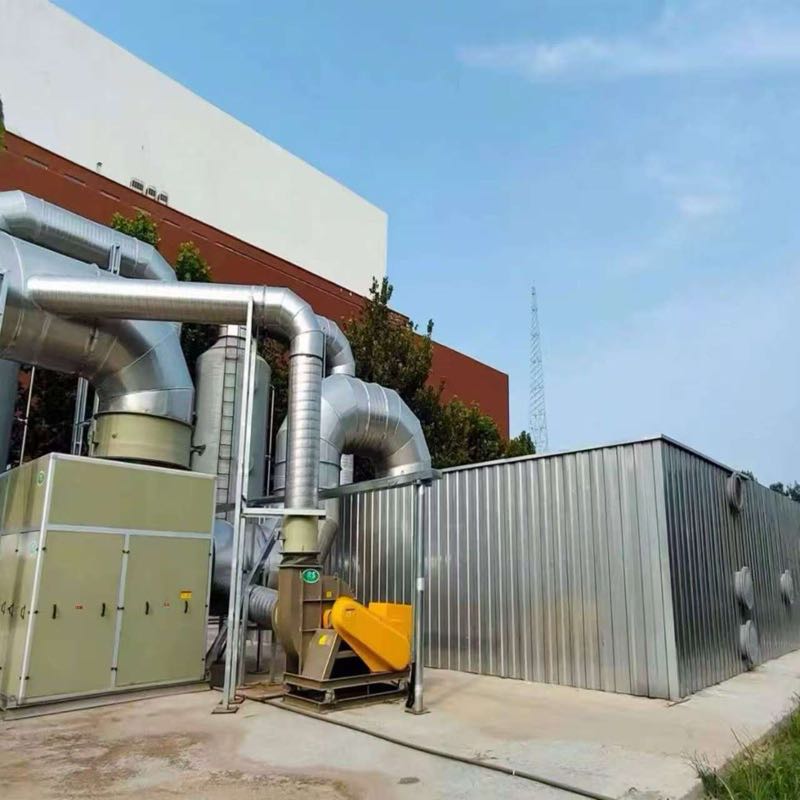
The HydropureWater Pulse Jet Baghouse is a high-efficiency fabric filter dust collector engineered for coal-fired boilers and industrial furnaces. Featuring low-pressure long-bag pulse cleaning, an integrated bypass system, and modular construction, it achieves particulate emission levels below 10 mg/Nm³ — meeting EPA NSPS, EU Industrial Emissions Directive 2010/75/EU, and BAT-AEL requirements.

Hollow-fiber ultrafiltration systems from 2,000 to 40,000 L/h using 0.03 micron PVDF membranes. Removes bacteria, colloids and suspended solids without chemicals, accepts up to 300 ppm turbidity, with automatic backwash and air scour. For municipal, rural and RO pretreatment duty.

Complete turnkey bottled water lines integrating RO treatment, pure water storage, PET bottle blowing (350-1500 ml), 8-8-3 filling, labelling, inkjet coding and sleeve shrink packaging - specified as one balanced scope rather than separate machines.
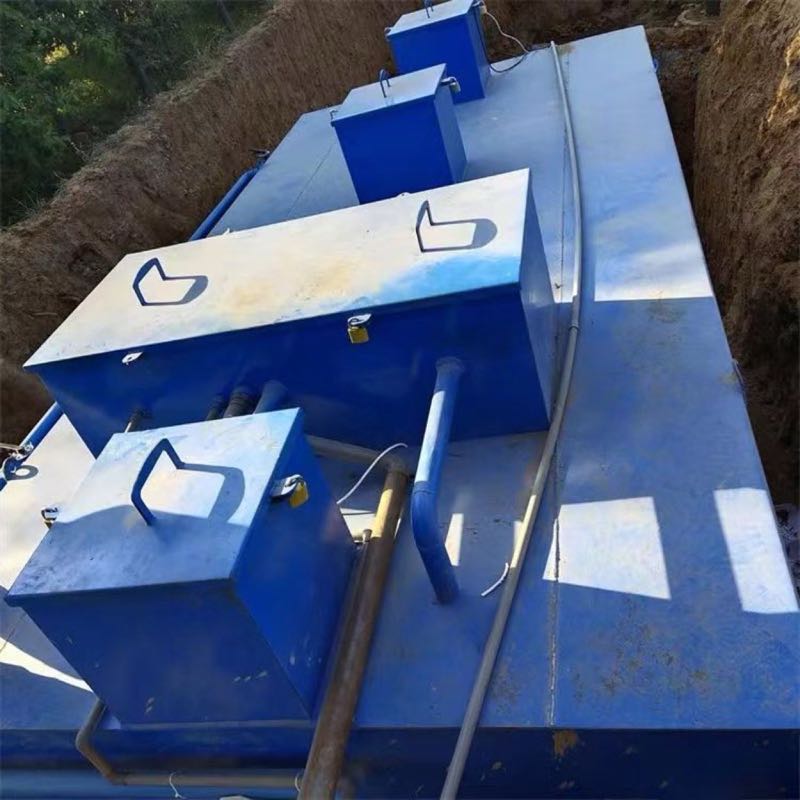
WSZ series underground integrated sewage treatment plant combines anoxic/aerobic (A/O) biological contact oxidation with sedimentation and disinfection in a single buried package unit. Fully automated with no operator required, it handles 1–80 m³/h for residential communities, hotels, hospitals, factories, and rural areas. Can be installed below grade with landscaping above, or mounted on a trailer for mobile deployment.
Get a free consultation and customized quote from our engineering team.
