
Wastewater treatment expert: +86-181-0655-2851 Get Expert Consultation

Food & Beverage Wastewater Treatment

Food & Beverage

Country guides, source reports and reviewed records. Follow each record to its original context.

The food and beverage processing industry generates some of the most challenging wastewater streams in the industrial sector. With extremely high concentrations of organic matter (BOD and COD), fats, oils, and grease (FOG), and fluctuating flow rates tied to production schedules and seasonal demand, these facilities require robust, purpose-built treatment systems to meet increasingly strict environmental discharge regulations.

From dairy processing and meat slaughterhouses to breweries, bakeries, and fruit juice plants, each sub-sector produces wastewater with unique characteristics. Common pollutants include suspended solids from food particles, dissolved sugars and proteins that drive biological oxygen demand, and emulsified fats that resist conventional separation.

At HydropureWater, we have extensive experience designing and manufacturing complete wastewater treatment systems specifically tailored for the food and beverage industry. Our solutions combine physical, chemical, and biological treatment processes to deliver reliable, cost-effective results that meet local and international discharge standards.

Common Wastewater Challenges in Food Processing

High BOD/COD Levels: Organic waste from food processing creates extremely high biological and chemical oxygen demand, often exceeding 10,000 mg/L, requiring intensive biological treatment.

Fats, Oils & Grease (FOG): FOG contamination from cooking and processing operations can clog pipes, foul membranes, and inhibit biological treatment if not properly removed upstream.

Seasonal Flow Variations: Production volumes fluctuate dramatically with seasons and market demand, requiring treatment systems that handle widely varying flow rates and pollutant loads.

Strict Discharge Regulations: Environmental authorities worldwide are tightening discharge limits. Non-compliance can result in heavy fines, production shutdowns, and reputational damage.

Recommended Treatment Solutions

A proven multi-stage approach to food processing wastewater treatment

1

Screening & Pre-treatment

Mechanical bar screens and fine screens remove coarse solids, food particles, and debris. This critical first step protects downstream equipment and reduces overall pollutant load.

2

DAF System (Dissolved Air Flotation)

Our high-efficiency DAF units remove FOG and suspended solids through micro-bubble flotation. Typically removes 90–95% of FOG and 85–95% of TSS.

3

Biological Treatment (MBR or Activated Sludge)

MBR systems combine activated sludge with membrane filtration for superior effluent quality in a compact footprint. BOD/COD removal rates exceed 95%.

4

Tertiary Treatment & Water Reuse

Ultrafiltration membranes and disinfection polish effluent to near-potable quality. Treated water can be reused for cleaning, cooling, or irrigation.

Recommended Equipment

Purpose-built wastewater treatment equipment for the food industry

Dissolved Air Flotation (DAF) System

Dissolved Air Flotation (DAF) System

Dissolved air flotation (DAF) system for high-efficiency removal of suspended solids, FOG, oil & grease, and colloidal matter from industrial wastewater. Micro-bubble technology with automatic skimming handles 4–300 m³/h across 13 standard models. Proven in food processing, pulp & paper, textile, metalworking, petrochemical, and municipal pre-treatment applications.

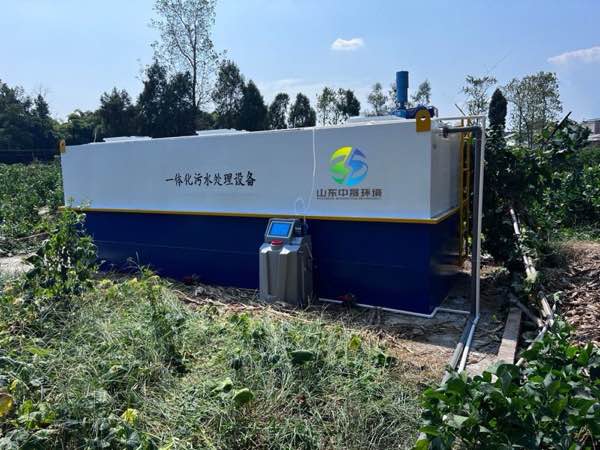
MBR Membrane Bioreactor Wastewater Treatment System

MBR Membrane Bioreactor Wastewater Treatment System

Integrated MBR membrane bioreactor system combining activated sludge treatment with submerged PVDF membrane filtration. Delivers near-reuse-quality effluent (<1 μm filtration) with 60% smaller footprint than conventional systems. Ideal for municipal sewage, industrial process water, and water reuse projects from 10 to 2,000 m³/day.

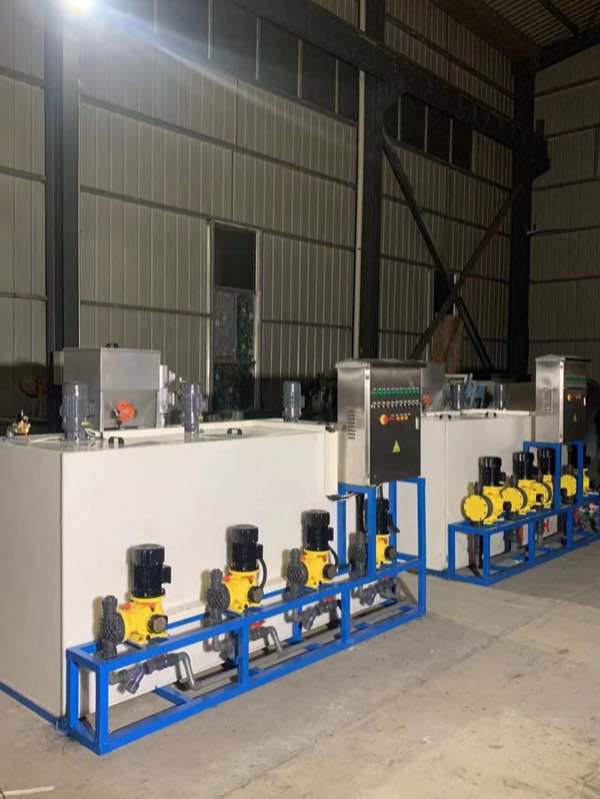
Automatic Chemical Dosing System

Automatic Chemical Dosing System

HydropureWater automatic chemical dosing systems provide precise, PLC-controlled injection of coagulants, flocculants, pH adjusters, and specialty chemicals for water and wastewater treatment. Skid-mounted, pre-wired, and factory-tested for rapid installation.

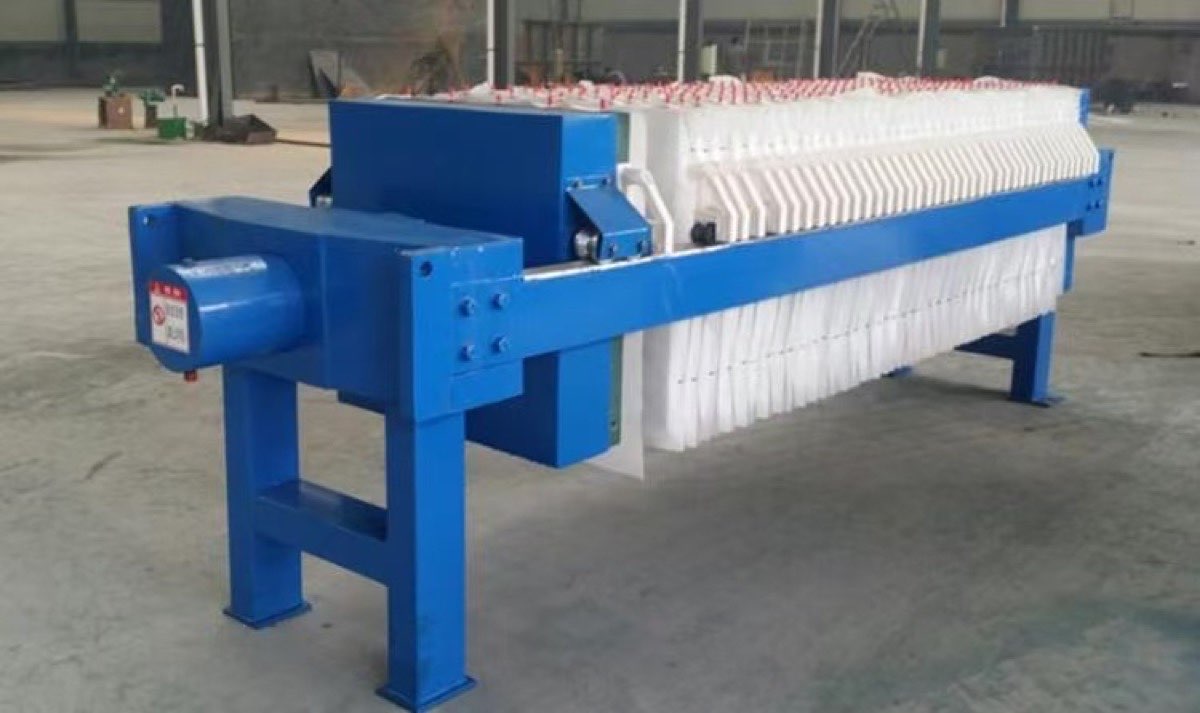
Plate and Frame Filter Press for Sludge Dewatering

Plate and Frame Filter Press for Sludge Dewatering

HydropureWater plate and frame filter presses deliver efficient solid-liquid separation for municipal and industrial sludge dewatering, with filtration areas from 1 m² to 500 m² and manual, hydraulic, or fully automatic PLC-controlled operation.

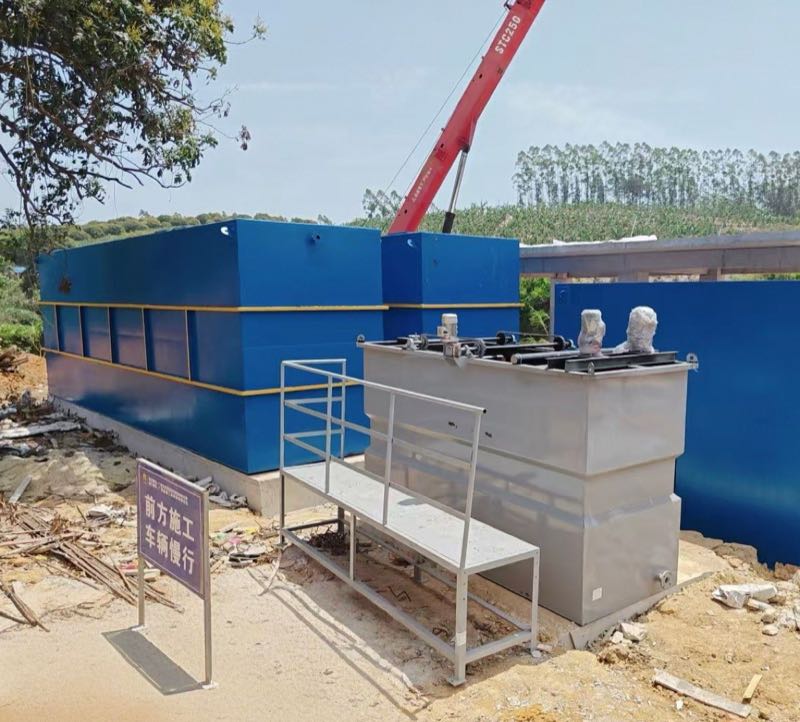
High-Efficiency Sedimentation Tank (Lamella Clarifier)

High-Efficiency Sedimentation Tank (Lamella Clarifier)

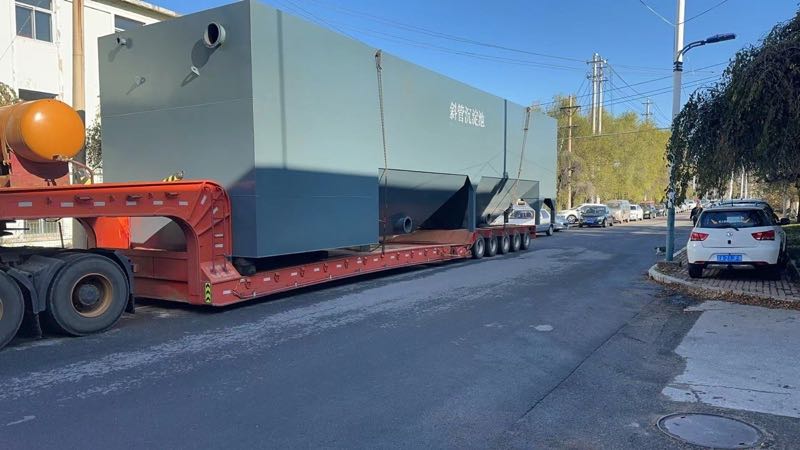
HydropureWater high-efficiency sedimentation tanks (lamella clarifiers) combine sludge recirculation, flocculation, and inclined-plate separation in a single compact structure — achieving surface loading rates of 20–40 m/h while reducing chemical consumption by up to 30%.

Rotary Mechanical Bar Screen (GX Series)

Rotary Mechanical Bar Screen (GX Series)

The GX Series Rotary Mechanical Bar Screen is a continuous-duty fine screening system for municipal and industrial wastewater headworks. Featuring stainless steel rake teeth, dual overload protection, and a self-cleaning brush discharge mechanism, it reliably removes suspended solids, rags, plastics, and fibrous debris — protecting downstream pumps, valves, and biological treatment processes.

Bottled Water Production Line

Bottled Water Production Line

Complete turnkey bottled water lines integrating RO treatment, pure water storage, PET bottle blowing (350-1500 ml), 8-8-3 filling, labelling, inkjet coding and sleeve shrink packaging - specified as one balanced scope rather than separate machines.

Ultrafiltration (UF) Water Treatment System

Ultrafiltration (UF) Water Treatment System

Hollow-fiber ultrafiltration systems from 2,000 to 40,000 L/h using 0.03 micron PVDF membranes. Removes bacteria, colloids and suspended solids without chemicals, accepts up to 300 ppm turbidity, with automatic backwash and air scour. For municipal, rural and RO pretreatment duty.

Industrial Water Softener System (KJ-WT Series)

Industrial Water Softener System (KJ-WT Series)

Twin-tank industrial water softeners from 1 to 45 T/h with paired brine tanks from 60 to 2,000 L. Alternating vessels give uninterrupted soft water for boiler feed, cooling systems, laundries and RO pretreatment.

Recent Food & Beverage Projects

Delivered systems and ongoing assessments in this sector. Client identities withheld; capacities approximate.

500 m³/d combined food-processing wastewater treatment and reuse proposal

Ref. A-030 · Location withheld · 500 m³/d · Food & Beverage
Scoping — awaiting site data · Updated Nov 2026

Brief received The client-supplied design basis is approximately 500 m³/d for combined domestic sewage and poultry-processing wastewater, including blood, gut and feather streams. The two streams may not yet be mixed, and representative water quality, peak drainage, slaughter throughput, pretreatment, reuse criteria and discharge route are required before the treatment train and final equipment size can be fixed.

What we asked first Please confirm whether the stated flow combines both streams, their individual flow shares, daily drainage duration, peak and concentrated discharge conditions, daily slaughter quantity, blood and solid collection arrangements, representative water quality, existing pretreatment, reuse applications, required standards and discharge route.

Our position We propose source segregation, rotary screening, equalisation, grease control, chemical dosing where needed, dissolved air flotation, biological treatment with an MBR, and final filtration and disinfection selected against the intended reuse application. Source separation can divert blood, gut and feather solids before they dilute or overload the main treatment works. DAF removes floatable fats and suspended material, while the MBR provides biological treatment and membrane solids separation. Excess sludge should be thickened and dewatered, with residuals handled under the applicable waste route. Missing flow, water quality, solids, drainage and reuse data may change the process, equipment sizing and reuse proportion.

For similar projects Prepare separate and mixed-water samples, drainage and slaughter records, existing process drawings, reuse requirements, utility and site details, and a clearly defined discharge and residual-disposal route.

Proposed sugar mill wastewater equipment package - Pakistan

Ref. A-018 · Pakistan · Food & Beverage
Budgetary proposal issued · Updated Sep 2026

Brief received The client requires a specified equipment package for sugar mill wastewater treatment, covering mixing, flow measurement, pH control, inclined-tube clarification and chemical dosing. The design capacity and influent quality are not provided. Final equipment sizing, materials, electrical specifications and process performance remain subject to client data and detailed engineering review.

What we asked first Please confirm the wastewater flow and full water-quality profile, clarify the inclined-tube material, dimensions and quantity, confirm whether each mixer requires a tank and working volume, provide the electrical supply, and authorise equivalent equipment where models are not specified.

Our position The proposed solution retains the eight specified equipment categories and arranges them for preliminary sugar mill wastewater treatment. Submerged mixing supports equalisation and solids suspension, electromagnetic flow measurement provides flow monitoring, and online pH control coordinates alkaline adjustment. Dissolving and metering equipment prepares and doses coagulant and polymer, while inclined-tube separation provides the proposed primary solids-removal stage. Separated sludge requires thickening, dewatering and final disposal, but the required equipment is not defined. After the client confirms wastewater characteristics, treatment objectives, flow, chemical storage requirements and power supply, equipment sizes, materials, controls and performance criteria will be finalised.

For similar projects Prepare the wastewater flow and water-quality dataset, chemical consumption estimates, electrical requirements, equipment dimensional and material schedules, drawings, and a complete technical and commercial comparison basis.

20 m³/d egg-processing wastewater treatment system - New Zealand

Ref. A-008 · New Zealand · 20 m³/d · Food & Beverage
Preliminary assessment issued · Updated Aug 2026

Brief received The client-supplied design basis is egg-washing process wastewater with a client-supplied BOD₅ of approximately 800 mg/L. The proposed treatment train combines screening, equalisation, coagulation, dissolved air flotation, biological treatment, polishing and disinfection. Influent characteristics, discharge timing, peak loads and receiving requirements remain to be confirmed.

What we asked first Please confirm the complete influent analysis, including COD, pH, TSS, FOG, ammonia, total nitrogen, total phosphorus and conductivity. Confirm discharge timing, peak flow, extended discharge periods and applicable stormwater discharge limits or permit conditions.

Our position A rotary mechanical screen removes coarse egg-shell and wash residues, while equalisation, pH correction and coagulation prepare the wastewater for dissolved air flotation, which captures fats, solids and floatable material. MBBR biological treatment is proposed as the preferred biological stage because the wastewater contains a client-supplied BOD₅ of approximately 800 mg/L and its compact form suits a small industrial installation. A secondary clarifier or filtration stage and UV disinfection provide polishing and pathogen control before discharge. Equalisation and standby capacity should be reviewed after peak-flow data are confirmed. Dewatered sludge and DAF float are classified and collected for appropriate disposal or reuse. Final process sizing and disinfection selection will depend on the complete analysis, hydraulic profile and discharge requirements.

For similar projects Prepare a complete wastewater analysis, flow record and permit review, including peak and extended discharge periods. Confirm sludge and float handling arrangements before final equipment selection and process sizing.

Related Technical Guides

In-depth engineering guides and compliance references

Need a Custom Solution for Your Food Processing Plant?

Our engineers will analyze your wastewater data and design a treatment system tailored to your specific requirements. Get a free consultation today.

AI Growth
Contact
Contact Us
Call Us
+86-181-0655-2851
Email Us Get a Quote Contact Us