Choose the Treatment Objective Before Selecting IFAS
IFAS can be considered for palm oil mill effluent when the objective is biological COD and BOD removal with reliable solids retention, but it should normally follow appropriate oil, suspended-solids and equalization control. The supplied research does not establish IFAS as a stand-alone POME treatment guarantee. It shows that a biological SBR achieved 96.80% COD removal and 90.1% BOD removal at optimized conditions, while a compact biological plant reported outlet COD below 50 ppm under its operating conditions. For IFAS selection, compare the biological duty, footprint, solids-retention needs, nutrient-removal targets and downstream polishing requirements using site wastewater characterization.
IFAS should be treated as a biological stage within a treatment train, not as a single piece of equipment assigned every compliance duty. The selection basis must first distinguish organics removal, nutrient removal, solids separation, oil control and final polishing. This prevents an integrated fixed-film activated sludge reactor from being specified for objectives that actually require physical separation, adsorption or membrane filtration.
Published biological results provide useful benchmarks, but they do not transfer directly to IFAS. In the Journal of Oil Palm Research study published online in October 2020 and in the March 2021 issue, the tested SBR configurations produced COD removal of 95.34–98.31%, BOD removal of 88.79–91.44%, TSS removal of 95.47–98.95%, ammonia-nitrogen removal of 96.19–98.30% and colour removal of 56.94–81.64%. At the study’s optimum conditions, ammonia-nitrogen removal reached 98.20%, while colour removal was 69.90%. Those results separate biological performance from the residual need for polishing.
| Treatment objective | Evidence-based decision | Equipment or verification needed |
|---|---|---|
| Biological COD and BOD reduction | IFAS is a candidate fixed-film biological route, subject to representative-feed and hydraulic verification. | Vendor process calculations, media details, aeration design and site trial. |
| Ammonia-nitrogen control | SBR test results reached 96.19–98.30% removal across configurations, but this is not an IFAS guarantee. | Specify the ammonia limit and test loading, alkalinity, pH and nitrification performance. |
| Suspended-solids separation | The SBR study reported 95.47–98.95% TSS removal; upstream and downstream solids duties remain explicit design items. | DAF, clarifier or equivalent solids separation plus sludge handling. |
| Colour reduction | Colour removal remained lower than COD and ammonia-nitrogen removal in the SBR study. | Define whether final colour polishing is required and verify it against site wastewater. |
| Discharge or reuse compliance | Published benchmarks are configuration-specific and cannot replace a project-specific limit. | Applicable permit or reuse criteria stated in the procurement specification. |
If pH adjustment or chemical conditioning is part of the train, specify an automatic chemical dosing system for wastewater conditioning. Its duty should follow the wastewater characterization and process calculations rather than a selected chemical being assumed in advance.
Screen POME Before the Biological Stage
POME pretreatment should be assigned by contaminant rather than by a generic pretreatment package. The supplier needs representative data for COD, BOD, TSS, ammonia nitrogen, colour, oil and grease, pH and flow variability. The supplied sources do not establish an IFAS-specific POME feed limit, so no universal acceptance limit should be inferred from the literature reviewed here.
Request sampling across the relevant production and mill operating cycle, including normal flow, start-up, shutdown and upset periods. The sampling plan should identify whether the tested POME is raw mill effluent, decanted water or another process stream. It should also record whether reported concentrations are total or dissolved, because that distinction affects both contaminant control and biological treatment calculations.
- Establish flow and load variability, including equalization requirements.
- Characterize oil and grease because it can interfere with biological operation and downstream equipment.
- Measure TSS and assess whether suspended material is settleable, floatable or colloidal.
- Define COD, BOD and ammonia-nitrogen loads on the selected design basis.
- Set pH and nutrient conditions from site data rather than generic assumptions.
A DAF system for POME oil and solids pretreatment addresses physical contaminants rather than biological degradation. In this train, DAF is assigned to oil and grease, floating material, suspended solids and colloidal matter. Chemical conditioning may support that separation when justified by jar or pilot testing. An automatic chemical dosing system for wastewater conditioning can then apply the selected pH or conditioning chemical under controlled flow and load.
Solids separation is a central treatment function, not an optional downstream refinement. The Journal of Oil Palm Research study published online in October 2020 reported TSS removal of 95.47–98.95% across its tested SBR configurations and 97.20% at the optimum conditions. That performance was configuration-specific, but it demonstrates why solids inventory, separation and wasting must be included in the POME biological design.
| Buyer-required input | Reason for screening | Decision or equipment action |
|---|---|---|
| Representative COD, BOD and flow series | Defines organic and hydraulic loading. | Determine biological capacity, equalization duty and hydraulic retention. |
| TSS and settleability data | Distinguishes suspended solids from soluble treatment demand. | Set upstream solids-removal requirements and biological solids inventory. |
| Oil and grease concentrations | Identifies a contaminant that can foul or burden downstream biological and polishing equipment. | Provide DAF and oil-control duties before biological treatment. |
| Colour measurements | The SBR study indicates that colour removal may require attention beyond COD removal. | Define a polishing objective and acceptance test. |
| pH and flow variability | Controls dosing demand, equalization and biological stability. | Specify dosing controls and equalization operating logic. |
Compare IFAS With Alternative Treatment Routes
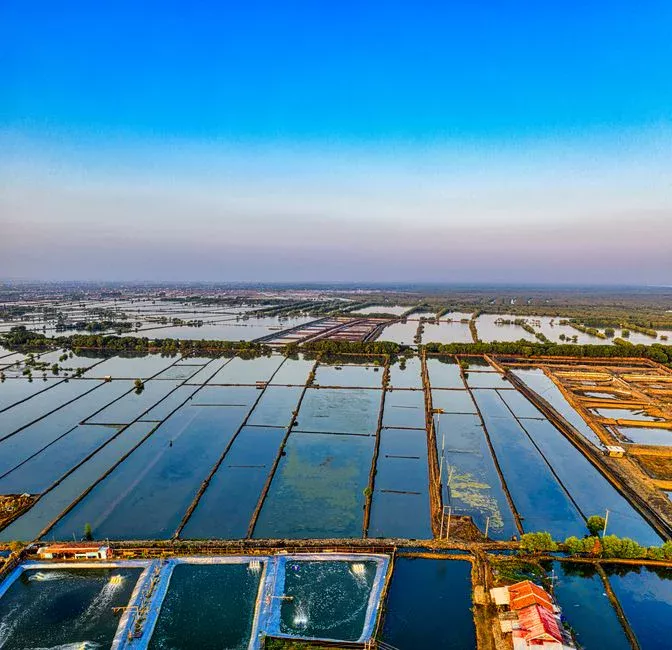
IFAS is the fixed-film biological option in this comparison, but the supplied evidence does not establish comparative IFAS sizing, footprint or removal performance for POME. Selection must therefore compare process roles and design inputs rather than transfer SBR, MBR or DAF results directly to IFAS.
The Journal of Oil Palm Research SBR study, published online in October 2020, is the principal biological benchmark in the supplied research. Across tested configurations, COD removal was 95.34–98.31%, BOD removal 88.79–91.44%, TSS removal 95.47–98.95%, ammonia-nitrogen removal 96.19–98.30% and colour removal 56.94–81.64%. These results show the range achieved by that particular SBR and test configuration; they do not constitute acceptance criteria for an IFAS proposal.
MBR becomes relevant where high-quality solids separation justifies the additional process and maintenance requirements. The supplied commercial equipment specification describes submerged PVDF membranes, filtration below 1 μm, a footprint 60% smaller than conventional systems and capacities from 10 to 2,000 m³/day. These are manufacturer specifications, not POME field-performance results. They should therefore be checked against the required effluent quality and the supplier’s stated design basis.
DAF occupies a different process role. The DAF catalogue identifies suspended solids, FOG, oil and grease and colloidal matter among its removal duties, making it an upstream separator or polish-separator rather than a substitute for biological COD degradation. Likewise, an SBR provides a different biological configuration and settling sequence from IFAS. The broader review of hybrid POME processes, published by IOP Conference Series Materials Science and Engineering, emphasizes nitrification and nutrient removal as significant duties; it does not provide an IFAS-centered selection framework.
| Route | Primary process role | Selection basis | Main downstream implication |
|---|---|---|---|
| IFAS | Fixed-film biological treatment with retained biomass. | Site wastewater, required biological loading, footprint, solids-retention demand and supplier-calculated aeration and media duties. | Requires downstream solids separation and any specified polishing. |
| SBR | Cycles biological treatment with integrated settling and discharge in the supplied study. | Configuration-specific biological performance and cycle requirements. | Clarification remains a defined part of the process; residual colour and solids require checking. |
| MBR | Biological treatment combined with membrane solids separation. | Required solids-separation quality, membrane scope and verified capacity. | May reduce reliance on a separate solids-separation step, subject to supplier design. |
| DAF | Removal of oil, grease, floating solids and colloidal material. | Contaminant characterization and upstream or polishing duty. | Produces separated sludge and requires an identified solids-handling route. |
| Clarifier | Separation of biological solids from treated liquid. | Solids loading, hydraulic rate, sludge characteristics and required clarity. | Clarifier sludge still requires thickening, dewatering and disposal. |
For the underlying biological-route decision, the MBR versus activated-sludge process comparison provides a useful framework for asking what solids-separation quality the project actually requires, although it is not a POME-specific performance study.
Specify the IFAS Process Train and Controls
A procurement-ready IFAS train should begin with equalization and upstream contaminant control, continue through biological treatment and solids separation, and finish with polishing only where the stated objective requires it. The exact sequence should follow characterization of the POME stream. A practical starting point is equalization, DAF, IFAS, solids separation and final polishing, with pH or conditioning dosing applied where required.
Do not issue an IFAS equipment schedule without a supplier-calculated design basis. The available research does not provide IFAS-specific POME loading rates, hydraulic retention, aeration rates, media area or biomass inventory. Those values therefore belong in the supplier’s process calculations and must be traceable to the selected POME characterization.
- Equalization must address flow and load variation identified in the characterization.
- DAF must remove the oil, grease and floatable solids assigned to upstream pretreatment.
- The IFAS biological stage must define media characteristics, reactor configuration and oxygen transfer.
- Clarification or another solids-separation step must address biomass and residual solids leaving the reactor.
- Final polishing must address any COD, TSS, colour, ammonia or reuse requirement not met by the preceding train.
- Sludge handling must address wasting, storage, dewatering and the resulting disposal route.
Specify aeration, hydraulic retention, biomass inventory, recirculation, solids wasting and sludge dewatering as supplier-supplied design items. The control scope should also define interlocks, alarms, flow measurement, dissolved-oxygen control, feed-forward or trim dosing, and the operating strategy for equalization. For automation architecture, the PLC control architecture for wastewater treatment can support the specification review, but it is not evidence of POME performance.
Use an automatic chemical dosing system for wastewater conditioning where controlled pH adjustment or other chemical addition is part of the verified process. Sludge dewatering should then be defined from the expected solids stream rather than by equipment type alone. The sludge-dewatering equipment selection guide offers a separate route for assessing filtration suitability, although it addresses rendering-plant wastewater rather than POME.
| Procurement package | Minimum supplier submission | Buyer verification |
|---|---|---|
| Design basis | Characterized wastewater, flow and load data, treatment objectives and applicable limits. | Confirm that the offered process addresses the stated POME stream. |
| Process calculations | Hydraulic, biological, aeration, solids and sludge calculations. | Check assumptions, inputs and calculation consistency. |
| Equipment particulars | Reactor, media, blower, DAF, clarifier, dosing, piping and instrumentation data. | Confirm materials, duty, redundancy and interface with the site utilities. |
| Controls | Control narrative, I/O list, alarms, interlocks and PLC architecture. | Trace each control action to its operating purpose and required measurement. |
| Commissioning and guarantees | Pre-commissioning checks, trial protocol, acceptance limits and performance guarantees. | Define sampling methods, test duration, operating conditions and remedy for failure. |
Verify Performance with Pilot and Acceptance Tests
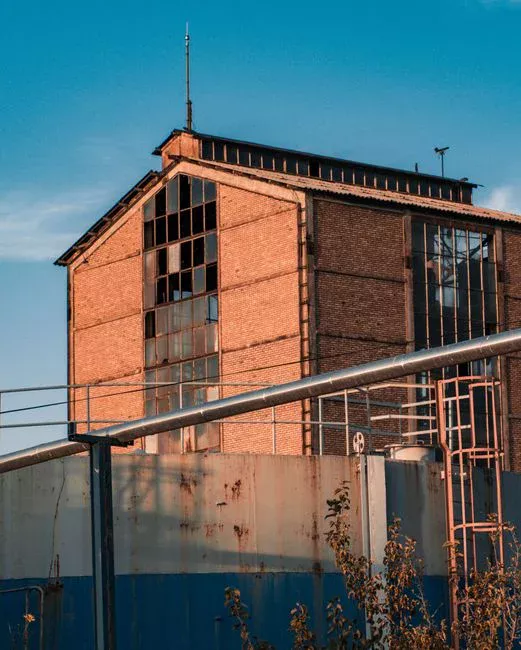
POME performance must be verified with representative wastewater because the supplied studies cover different configurations and process objectives. The Levapor compact-plant case was developed through site pilot trials before a compact biological plant was offered. That sequence is relevant: site wastewater should precede final equipment sizing, particularly where POME composition varies with mill operation.
The same commercial case reports outlet COD below 50 ppm under the operating conditions of that compact biological plant. This is a project-specific reference, not a universal POME standard or an automatic IFAS acceptance limit. The buyer must specify the numerical limit from the applicable discharge or reuse requirement, then define how the test will demonstrate compliance.
Test COD and BOD to establish biological performance, TSS to verify solids separation, ammonia nitrogen to verify nitrification performance and colour to identify residual polishing needs. Record hydraulic and organic loading during the trial. The S1 study’s colour-removal range of 56.94–81.64%, reported in the Journal of Oil Palm Research study published online in October 2020, shows why colour should be measured independently even when COD and ammonia-nitrogen removal are high.
Use a high-efficiency sedimentation tank for final solids separation as a potential downstream equipment item, subject to hydraulic loading, sludge characteristics and effluent criteria. The equipment selection should follow the performance requirement; it should not substitute for a demonstration that solids separation can be maintained at the required hydraulic and organic loads.
| Acceptance item | Verification requirement | Decision consequence |
|---|---|---|
| Representative POME | Document source, sampling period, operating condition and analytical methods. | Reject transfer of results from unrelated industrial wastewater. |
| Hydraulic and organic loading | Measure flow and loading throughout the trial rather than reporting a single operating point. | Determine the verified operating envelope. |
| COD, BOD, TSS, ammonia nitrogen and colour | Test inlet and outlet concurrently using the agreed analytical methods. | Identify biological performance, solids separation and polishing gaps. |
| Permit or reuse criterion | State the applicable numeric limit before testing. | Prevent an operating result from being mistaken for compliance. |
| Controls and failure handling | Test alarms, interlocks, dosing response and recovery from upset conditions. | Confirm operability rather than effluent performance alone. |
Contract acceptance should define sampling frequency, test duration, normal operating exclusions, instrument calibration, reporting format and remedies for non-compliance. Published values remain benchmarks for comparison; the site trial establishes the operating basis for the selected train.
Frequently Asked Questions
What is the budget implication of selecting IFAS for POME treatment?
The supplied research contains no quotation or cost comparison for IFAS, SBR, MBR, DAF or clarification equipment for POME. A buyer should request a capital-cost breakdown covering reactors, media, aeration, DAF, clarification, dosing, controls, sludge handling, installation and commissioning, plus a separate operating-cost estimate for power, chemicals, media replacement and sludge disposal. No budget can be assigned responsibly until the wastewater characterization, treatment objectives and preliminary design basis are available.
How should IFAS equipment be sized for palm oil mill wastewater?
The supplied evidence does not establish universal IFAS sizing values for POME. Require the supplier to calculate reactor volume, media area, hydraulic retention, aeration, recirculation and solids handling from representative wastewater characterization and the project load basis. A site pilot should then confirm the selected operating envelope rather than transferring SBR results directly to IFAS.
Which supplier documents should be reviewed before selecting an IFAS train?
Request the guaranteed design basis, process calculations, media details, blower and clarifier sizing, equipment drawings, control narrative, I/O list, commissioning procedure and performance guarantees. Also require pilot evidence using representative POME and acceptance-test methods with clearly defined effluent limits. The PLC control architecture for wastewater treatment can inform the controls review, while the MBR versus activated-sludge process comparison can support the solids-separation decision; neither substitutes for POME-specific validation.
Can the published biological removal results be used as acceptance criteria?
No. The Journal of Oil Palm Research SBR results are configuration-specific, and the Levapor outlet COD below 50 ppm reflects that plant’s operating conditions. Use them as benchmarks, then set acceptance criteria from the applicable permit or reuse requirement and verify them through concurrent inlet and outlet testing. Also test colour independently because its reported SBR removal remained 56.94–81.64% across the tested configurations.
Related Equipment
- DAF system for POME oil and solids pretreatment — specifications, capacity range, and technical data