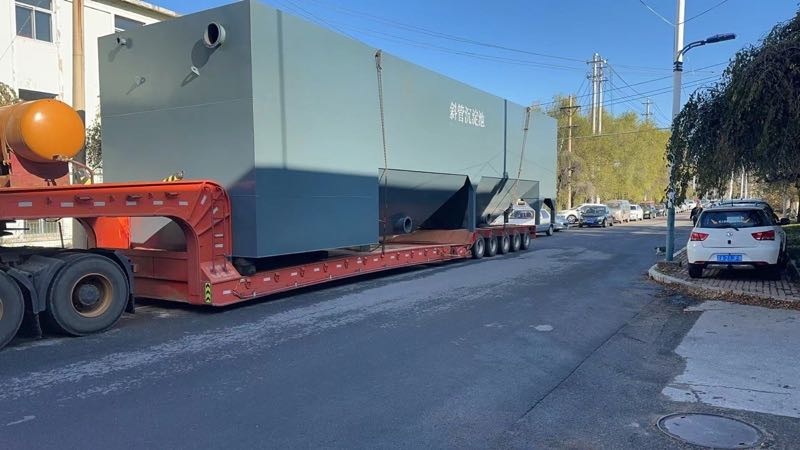
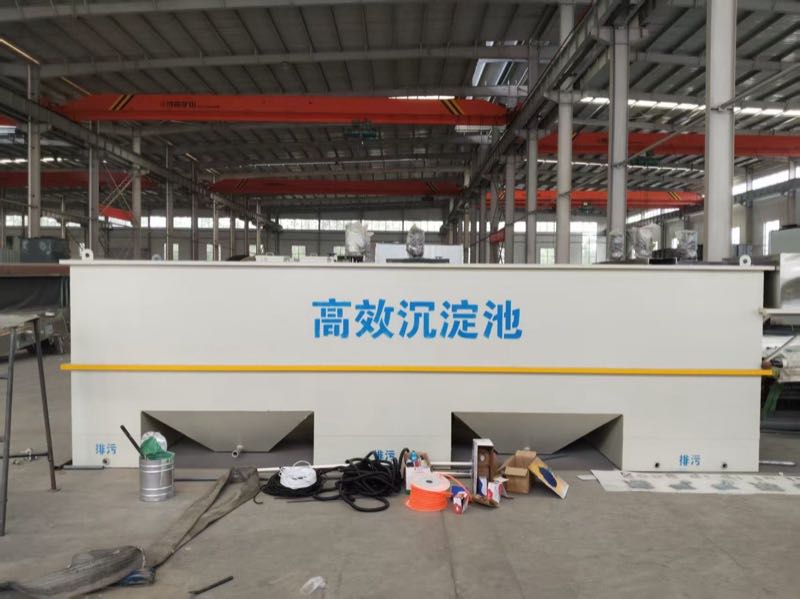
HydropureWater high-efficiency sedimentation tanks (lamella clarifiers) combine sludge recirculation, flocculation, and inclined-plate separation in a single compact structure — achieving surface loading rates of 20–40 m/h while reducing chemical consumption by up to 30%.
The high-efficiency sedimentation tank — also known as a lamella or inclined-plate clarifier — represents a significant advance over conventional sedimentation basins. By integrating sludge-recirculation flocculation, inclined-plate (lamella) separation, and in-tank sludge thickening into one compact structure, it achieves settling rates 5–10 times higher than a traditional horizontal-flow clarifier while occupying a fraction of the footprint. HydropureWater's design is proven in drinking water, municipal wastewater, and industrial process-water applications where high throughput, consistent effluent quality, and low chemical consumption are essential.
The process takes place in two main zones — the reaction zone and the clarification zone.
In the reaction zone, raw water, coagulant, and recirculated sludge enter a rapid-mix chamber equipped with a mechanical agitator. Intense mixing promotes rapid coagulation and contact between fresh coagulant, incoming particles, and recycled floc. The mixture then flows into a slow-mix (flocculation) chamber where gentle agitation allows micro-flocs to aggregate into large, dense floc particles.
The flocculated water passes into the clarification zone, which comprises an inlet pre-settling section and an inclined-plate (lamella) pack. As water rises through the lamella plates, floc settles onto the plate surfaces and slides downward into the sludge hopper beneath. Clarified water is collected by launders above the plate pack. The thickening zone at the bottom of the tank concentrates settled sludge to 30–550 g/L; a portion is recirculated to the reaction zone and the remainder is discharged by sludge pump to dewatering. This sludge-recirculation loop is the key to the system's chemical efficiency — recycled floc acts as a seed and ballast, accelerating flocculation and enabling a denser, faster-settling floc structure.
| Parameter | Specification |
|---|---|
| Surface Loading Rate | 20 – 40 m/h |
| Coagulant Savings vs. Conventional | 10% – 30% |
| Thickened Sludge Concentration | 30 – 550 g/L (application dependent) |
| Lamella Plate Angle | 60° from horizontal |
| Lamella Plate Material | PP / PVC (stainless steel for high-temperature applications) |
| Reaction Zone Agitator | Variable-speed, low-shear impeller |
| Sludge Recirculation | Submersible or external recirculation pump |
| Tank Material | Reinforced concrete (civil) or SS304/316L (packaged units) |
| Capacity Range | 50 – 50,000 m³/day per unit |
| Effluent Turbidity | ≤ 3 NTU (typical potable water duty); ≤ 10 NTU (wastewater duty) |
| Retention Time (Clarification Zone) | 15 – 30 minutes |
| Control System | PLC with sludge-blanket level sensor, flow pacing, and chemical dose trim |
| Compliance | EU Urban Waste Water Treatment Directive 91/271/EEC; US EPA NPDES discharge limits; WHO Drinking Water Guidelines |
HydropureWater's high-efficiency sedimentation tanks are designed by experienced process engineers who optimise reaction-zone geometry, agitator energy input, lamella plate configuration, and sludge-recirculation rate for each project's raw water quality and treatment targets. The result is a clarifier that consistently outperforms conventional basins — delivering lower turbidity, lower chemical consumption, and far higher throughput per square metre of plant footprint. Whether you are upgrading an existing works for higher capacity or designing a greenfield installation with space constraints, our lamella clarifier technology offers the most cost-effective path to reliable, regulation-compliant clarified water.
5–10× higher surface loading rate (20–40 m/h), 50%+ smaller footprint, 10–30% less chemical consumption through sludge recirculation.
Thickened underflow at 30–550 g/L — often suitable for direct mechanical dewatering without a separate thickener.
Drinking water treatment, municipal wastewater, industrial process water, water reuse systems, and high-standard discharge applications.
Recycled floc acts as seed and ballast, accelerating flocculation kinetics and enabling denser, faster-settling floc — reducing coagulant demand by 10–30%.
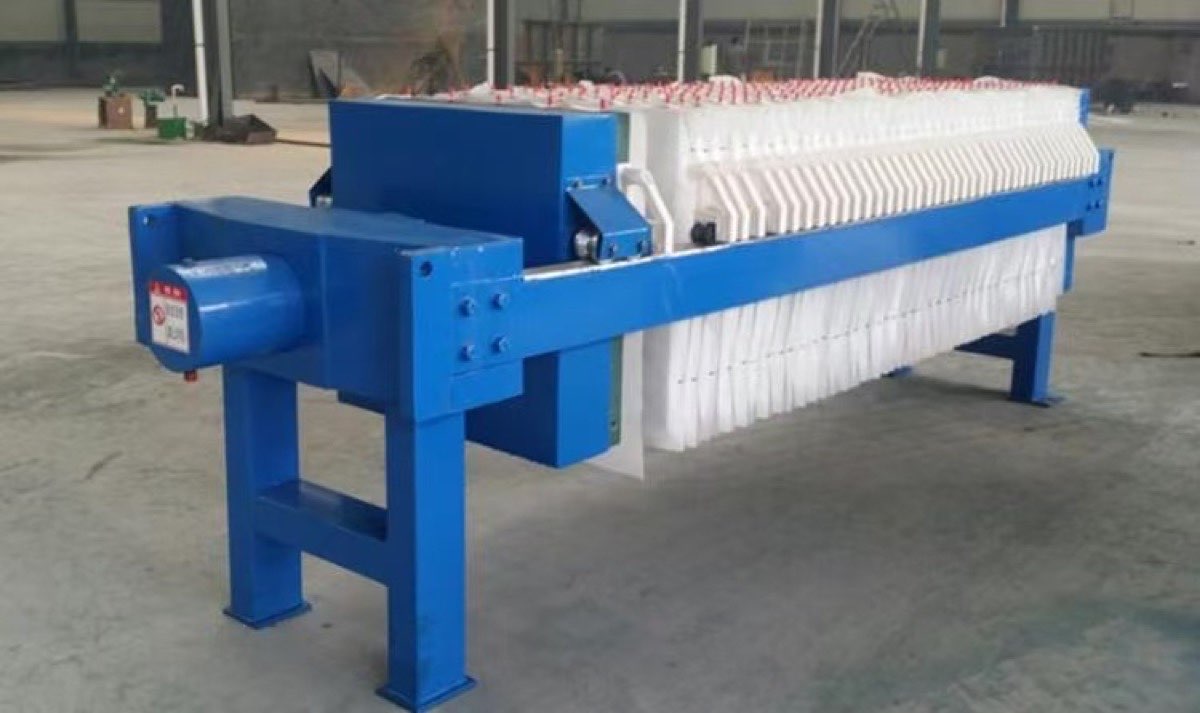
HydropureWater plate and frame filter presses deliver efficient solid-liquid separation for municipal and industrial sludge dewatering, with filtration areas from 1 m² to 500 m² and manual, hydraulic, or fully automatic PLC-controlled operation.

Hollow-fiber ultrafiltration systems from 2,000 to 40,000 L/h using 0.03 micron PVDF membranes. Removes bacteria, colloids and suspended solids without chemicals, accepts up to 300 ppm turbidity, with automatic backwash and air scour. For municipal, rural and RO pretreatment duty.

Complete turnkey bottled water lines integrating RO treatment, pure water storage, PET bottle blowing (350-1500 ml), 8-8-3 filling, labelling, inkjet coding and sleeve shrink packaging - specified as one balanced scope rather than separate machines.
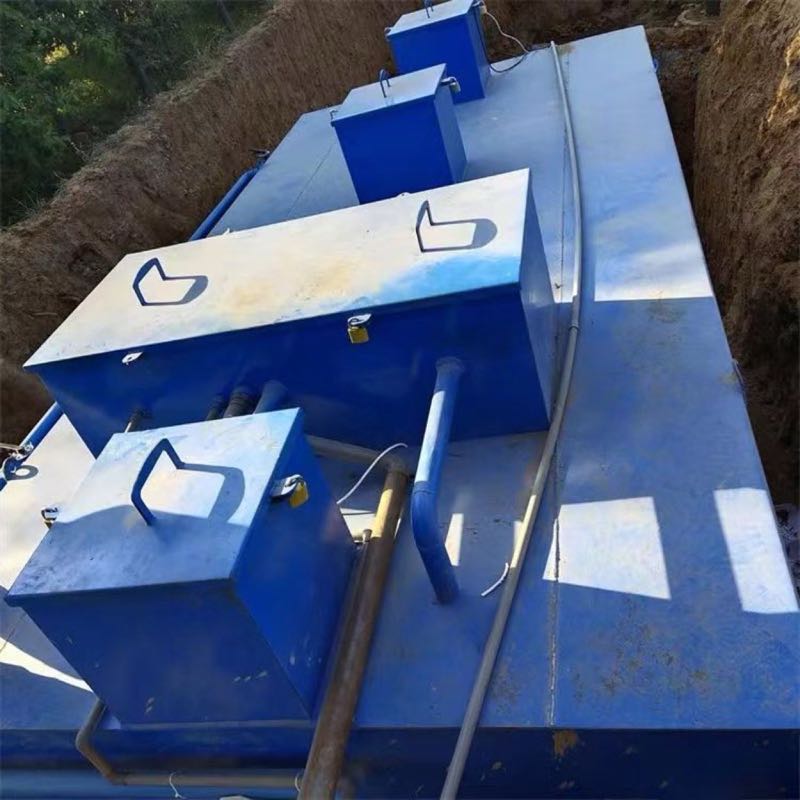
WSZ series underground integrated sewage treatment plant combines anoxic/aerobic (A/O) biological contact oxidation with sedimentation and disinfection in a single buried package unit. Fully automated with no operator required, it handles 1–80 m³/h for residential communities, hotels, hospitals, factories, and rural areas. Can be installed below grade with landscaping above, or mounted on a trailer for mobile deployment.
Get a free consultation and customized quote from our engineering team.
