
Wastewater treatment expert: +86-181-0655-2851 Get Expert Consultation

Textile & Dyeing Wastewater Treatment

Textile wastewater, country by country

Explore published country dossiers with local research samples, discharge references and treatment evidence. Compare countries, then follow the connections between processes, pollutants and equipment.

The textile and dyeing industry is one of the largest industrial water consumers and wastewater generators worldwide. Textile wastewater is characterized by intense color, high chemical oxygen demand (COD), varying pH levels, and complex mixtures of synthetic dyes, sizing agents, surfactants, and heavy metals that make it extremely difficult to treat with conventional methods.

Different stages of textile processing — from desizing, scouring, and bleaching to dyeing and finishing — each produce distinct wastewater streams with unique pollutant profiles. Reactive dyes, in particular, have very low fixation rates (60–70%), meaning up to 40% of the dye ends up in the effluent, creating deeply colored wastewater that is resistant to biodegradation.

HydropureWater provides integrated treatment systems specifically engineered for the textile industry, combining physical-chemical pre-treatment with advanced biological processes to achieve effective color removal, COD reduction, and regulatory compliance while maximizing water recovery for reuse in production.

Common Wastewater Challenges in Textile & Dyeing

Intense Color & Dye Residues: Synthetic dyes create deeply colored effluent that is highly visible and resistant to conventional biological treatment. Even small concentrations (10-50 mg/L) produce unacceptable color levels.

High Chemical Load: Sizing agents, surfactants, bleaching chemicals, and auxiliary compounds create COD levels of 1,000–3,000 mg/L with wide pH fluctuations from 2 to 12.

Heavy Metal Contamination: Certain dye classes (chromium-based, copper-based) introduce heavy metals that require specialized removal before discharge.

High Water Consumption: Textile manufacturing uses 100–300 liters of water per kg of fabric, making water recycling essential for both cost savings and sustainability compliance.

Recommended Treatment Solutions

Multi-stage treatment approach for textile and dyeing wastewater

1

Equalization & pH Adjustment

A large equalization tank homogenizes fluctuating flows and pH levels (2–12) from different process stages, ensuring consistent feed conditions for downstream treatment.

2

Coagulation-Flocculation & DAF

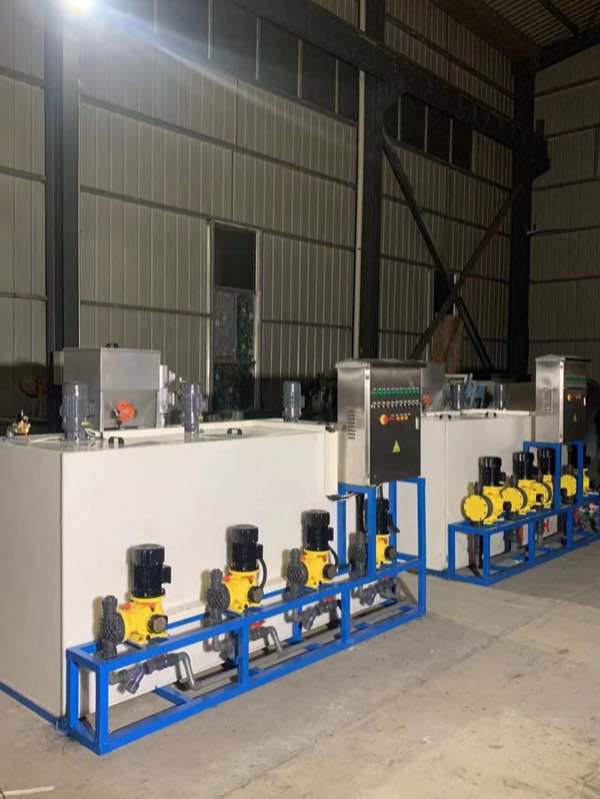
Chemical dosing (PAC, polymer) breaks colloidal dye particles, followed by dissolved air flotation to remove color, suspended solids, and emulsified oils. Achieves 80–90% color removal.

3

Biological Treatment (Anaerobic + Aerobic)

Two-stage biological process: anaerobic treatment breaks the azo bonds in reactive dyes, followed by aerobic oxidation for COD reduction. Combined removal rate exceeds 90%.

4

Advanced Oxidation & Membrane Filtration

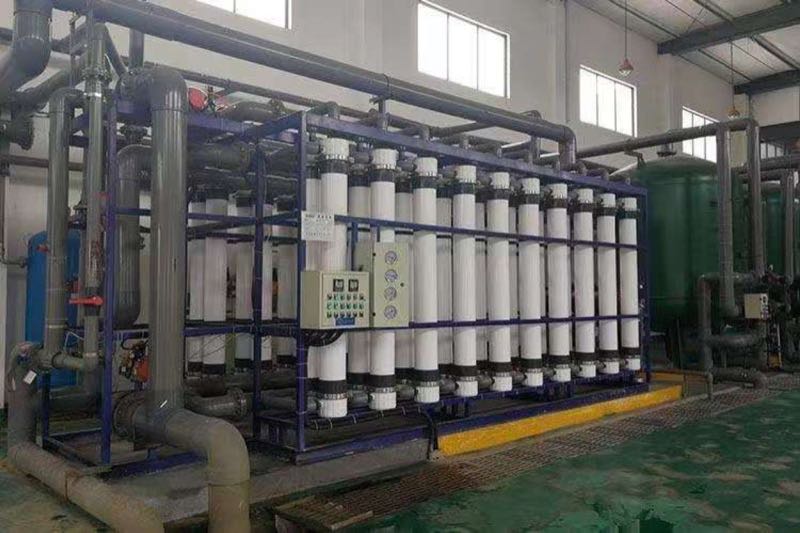
Ozone or Fenton oxidation destroys residual color and recalcitrant organics. UF/RO membranes produce high-quality permeate suitable for reuse in dyeing processes, achieving 60–80% water recovery.

Recommended Equipment

Specialized wastewater treatment equipment for the textile industry

Dissolved Air Flotation (DAF) System

Dissolved Air Flotation (DAF) System

Dissolved air flotation (DAF) system for high-efficiency removal of suspended solids, FOG, oil & grease, and colloidal matter from industrial wastewater. Micro-bubble technology with automatic skimming handles 4–300 m³/h across 13 standard models. Proven in food processing, pulp & paper, textile, metalworking, petrochemical, and municipal pre-treatment applications.

MBR Membrane Bioreactor Wastewater Treatment System

MBR Membrane Bioreactor Wastewater Treatment System

Integrated MBR membrane bioreactor system combining activated sludge treatment with submerged PVDF membrane filtration. Delivers near-reuse-quality effluent (<1 μm filtration) with 60% smaller footprint than conventional systems. Ideal for municipal sewage, industrial process water, and water reuse projects from 10 to 2,000 m³/day.

Industrial Reverse Osmosis (RO) Water Treatment System

Industrial Reverse Osmosis (RO) Water Treatment System

HydropureWater industrial RO systems deliver ultra-pure permeate at recovery rates up to 95%, serving pharmaceutical, semiconductor, food & beverage, and power generation applications worldwide. Fully automated PLC-controlled operation with continuous output and minimal chemical consumption.

Multi-Media Filter for Water Treatment

Multi-Media Filter for Water Treatment

HydropureWater multi-media filters remove suspended solids, turbidity, and colloidal matter from raw water, achieving SDI values suitable for downstream RO membrane protection. Robust, low-maintenance vessels with long-life filter media and automated backwash.

Automatic Chemical Dosing System

Automatic Chemical Dosing System

HydropureWater automatic chemical dosing systems provide precise, PLC-controlled injection of coagulants, flocculants, pH adjusters, and specialty chemicals for water and wastewater treatment. Skid-mounted, pre-wired, and factory-tested for rapid installation.

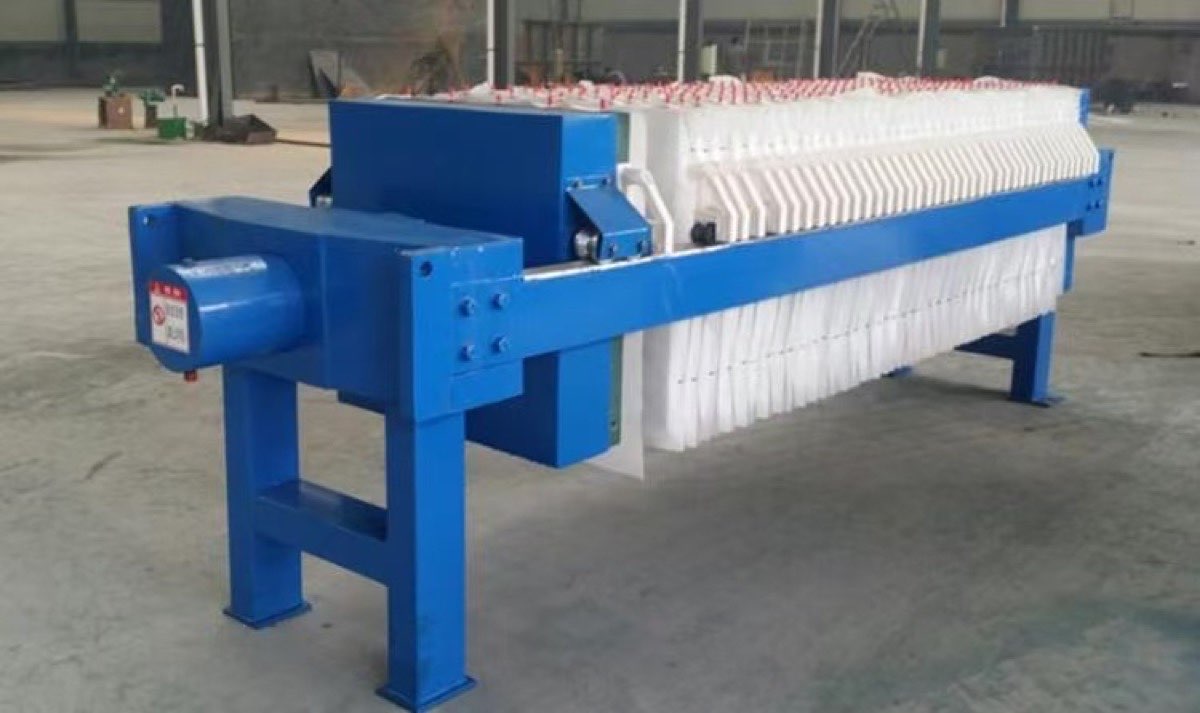
Plate and Frame Filter Press for Sludge Dewatering

Plate and Frame Filter Press for Sludge Dewatering

HydropureWater plate and frame filter presses deliver efficient solid-liquid separation for municipal and industrial sludge dewatering, with filtration areas from 1 m² to 500 m² and manual, hydraulic, or fully automatic PLC-controlled operation.

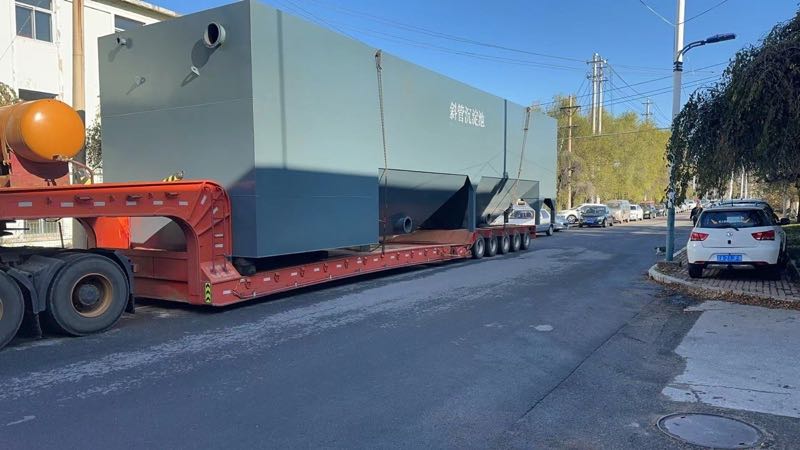
High-Efficiency Sedimentation Tank (Lamella Clarifier)

High-Efficiency Sedimentation Tank (Lamella Clarifier)

HydropureWater high-efficiency sedimentation tanks (lamella clarifiers) combine sludge recirculation, flocculation, and inclined-plate separation in a single compact structure — achieving surface loading rates of 20–40 m/h while reducing chemical consumption by up to 30%.

Industrial Water Softener System (KJ-WT Series)

Industrial Water Softener System (KJ-WT Series)

Twin-tank industrial water softeners from 1 to 45 T/h with paired brine tanks from 60 to 2,000 L. Alternating vessels give uninterrupted soft water for boiler feed, cooling systems, laundries and RO pretreatment.

UV Sterilizer for Water Treatment

UV Sterilizer for Water Treatment

Full pipeline UV-C sterilizer range - flange, quick-connect, double lamp, medium-pressure, self-cleaning, outdoor rainproof and open-channel configurations. Chemical-free disinfection effective against chlorine-resistant Cryptosporidium and Giardia, with no by-products or taste change.

Recent Textile & Dyeing Projects

Delivered systems and ongoing assessments in this sector. Client identities withheld; capacities approximate.

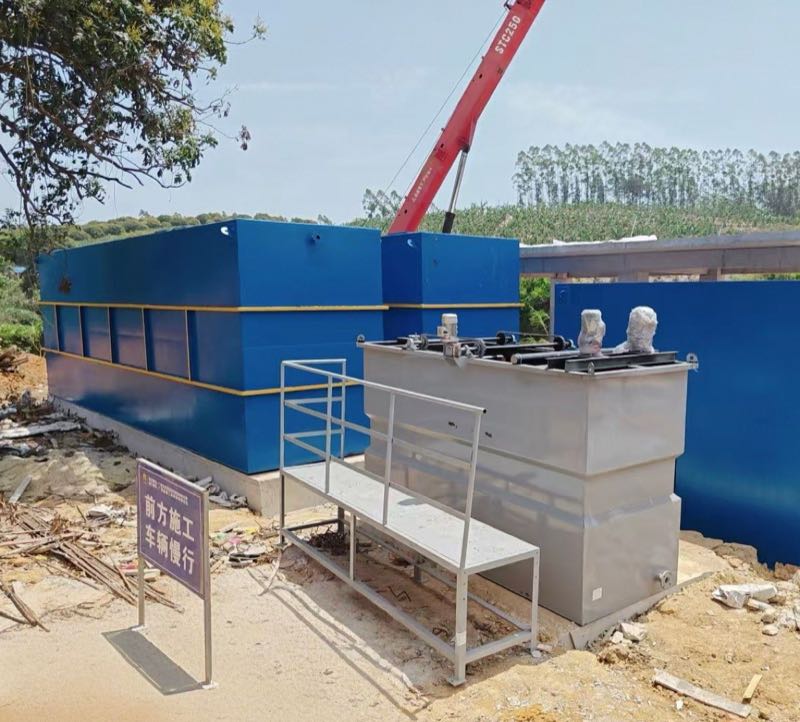
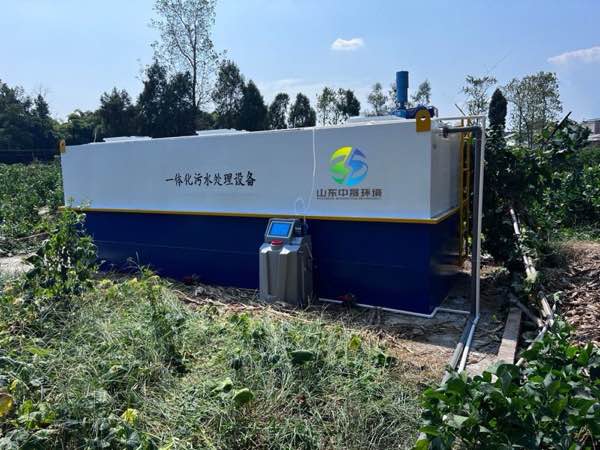
300 m³/d DAF system for textile dyeing and finishing wastewater

Ref. A-013 · Location withheld · 300 m³/d · Textile & Dyeing
Scoping — awaiting site data · Updated Oct 2026

Brief received The client-supplied design basis is 300 m³/d for textile dyeing and finishing wastewater containing dyes, salts, bleach and cotton. The waste streams, production and cleaning processes, operating profile, water quality, discharge destination and reuse requirements remain unconfirmed. The proposed solution therefore defines preliminary process stages, equipment boundaries and data needed for final sizing.

What we asked first Please confirm the production and cleaning processes, wastewater stream origins, operating hours and batch discharges, with laboratory data for pH, COD, BOD₅, TSS, colour, conductivity or TDS, residual chlorine and other applicable parameters. Also confirm discharge or reuse limits, project country, available space, power and installation requirements.

Our position Our complete proposed solution starts with source segregation and equalisation to reduce dye and chemical shocks, followed by screening, grit removal, coagulation and pH adjustment. These steps condition the wastewater for DAF, which removes suspended solids, cotton fibres and precipitated dye-associated material. A biological stage addresses soluble biodegradable organics, while tertiary filtration and disinfection provide polishing where required. DAF sludge and biological excess sludge are to be thickened and dewatered before approved disposal or recovery assessment. Salts, bleach and refractory colour may require source control, membrane treatment or further polishing after actual water analysis, influent variability and reuse limits are confirmed. Final equipment sizing, materials, chemical dosing and treatment sequence remain subject to verification.

For similar projects Prepare stream-by-stream flow and water analyses, identify reusable water targets, provide operating schedules and site constraints, and confirm required treatment boundaries, sludge handling route and commissioning scope before detailed design.

Related Technical Guides

In-depth engineering guides and compliance references

Need a Custom Solution for Your Textile Mill?

Our engineers specialize in textile wastewater with experience treating reactive, disperse, and vat dye effluents. Get a free consultation and customized treatment proposal.

AI Growth
Contact
Contact Us
Call Us
+86-181-0655-2851
Email Us Get a Quote Contact Us