
Full pipeline UV-C sterilizer range - flange, quick-connect, double lamp, medium-pressure, self-cleaning, outdoor rainproof and open-channel configurations. Chemical-free disinfection effective against chlorine-resistant Cryptosporidium and Giardia, with no by-products or taste change.
Ultraviolet sterilization inactivates bacteria, viruses and protozoa by damaging their DNA with 254 nm UV-C light, and it does so without adding any chemical to the water, without altering taste, odour or pH, and without producing disinfection by-products. Contact time is seconds rather than the minutes chlorine requires. HydropureWater supplies a full pipeline UV series — from small inline units through medium-pressure and self-cleaning models to open-channel systems for treatment plant effluent — with the connection type, chamber orientation and enclosure specified to suit the installation rather than forcing the pipework to suit the lamp.
Water flows through a stainless steel chamber containing one or more UV lamps housed inside quartz sleeves that keep the lamps dry while transmitting UV-C light into the water. As micro-organisms pass through the irradiated zone they absorb 254 nm energy, which forms thymine dimers in their DNA and destroys their ability to replicate — they may remain physically intact but can no longer cause infection. The delivered dose is the product of UV intensity and residence time, so correct sizing depends on flow rate and on the water's UV transmittance: turbidity, iron and organics all absorb UV and reduce the dose reaching the organisms. This is why UV is installed downstream of filtration rather than as a substitute for it, and why self-cleaning models exist — scale and film on the quartz sleeve cut transmittance and silently reduce the delivered dose.
| Type | Configuration | Typical Use |
|---|---|---|
| Small inline UV | Compact chamber, threaded connection | Point-of-use, small flow polishing |
| Flange interface UV | Flanged inlet and outlet | Standard pipeline installation |
| Quick-connect / external thread UV | Fast coupling or male thread | Compact plant rooms, skid integration |
| Double lamp tube UV | Twin lamp chamber | Higher flow in a single unit |
| Same-side and opposite-side inlet/outlet | Port orientation options | Retrofit into fixed pipework layouts |
| Split type, top water outlet | Separated electrical enclosure | Where the control box must sit away from the chamber |
| Small volume, high power | Compact high-output chamber | Constrained plant rooms with high flow |
| Medium-pressure UV | Medium-pressure lamp technology | High flow from a short chamber |
| Self-cleaning UV | Automatic quartz sleeve wiper | Water with scaling or fouling tendency |
| Outdoor rainproof / top-mounted electrical box | Weatherproof enclosure | Exposed and outdoor installations |
| Open channel UV | Channel-mounted lamp banks | Municipal and wastewater plant effluent |
| Customer-customized / special-shaped | Built to specification | Non-standard site constraints |
UV sizing depends on flow rate and UV transmittance, not flow rate alone. Send your design flow and a water analysis including turbidity and iron for a specified unit.
UV is the disinfection technology most often specified by flow rate alone, and that is exactly how it under-performs in service. The delivered dose depends on the water's UV transmittance as much as on lamp power, so the same unit that works on RO permeate can be substantially under-dosed on surface water carrying iron and organics. HydropureWater sizes UV against your actual water analysis, recommends self-cleaning chambers where the water will foul quartz sleeves, and supplies the connection type and enclosure to match your pipework and site rather than requiring you to rebuild around the unit.
No. UV inactivates organisms as they pass through the chamber but leaves nothing in the water afterwards, so it does not protect against recontamination downstream. Where a distribution network needs residual protection, UV is combined with a small chlorine or chlorine dioxide dose, with UV doing the primary inactivation work.
Yes, and this is one of its main advantages over chlorine. Those protozoa are highly chlorine-resistant but are inactivated by comparatively modest UV doses, which is why UV became standard practice for drinking water treatment where surface water sources are used.
UV lamps lose output gradually over their service life and are replaced on a scheduled basis rather than on failure — a lamp that still glows may be delivering well below its rated dose. Quartz sleeves also need periodic cleaning; on fouling water a self-cleaning model with an automatic wiper avoids relying on manual intervention.
Yes. Turbidity, suspended solids, iron and organics absorb and scatter UV light, shielding organisms from the dose. UV is installed after filtration — typically after ultrafiltration or multi-media filtration — not as a replacement for it.
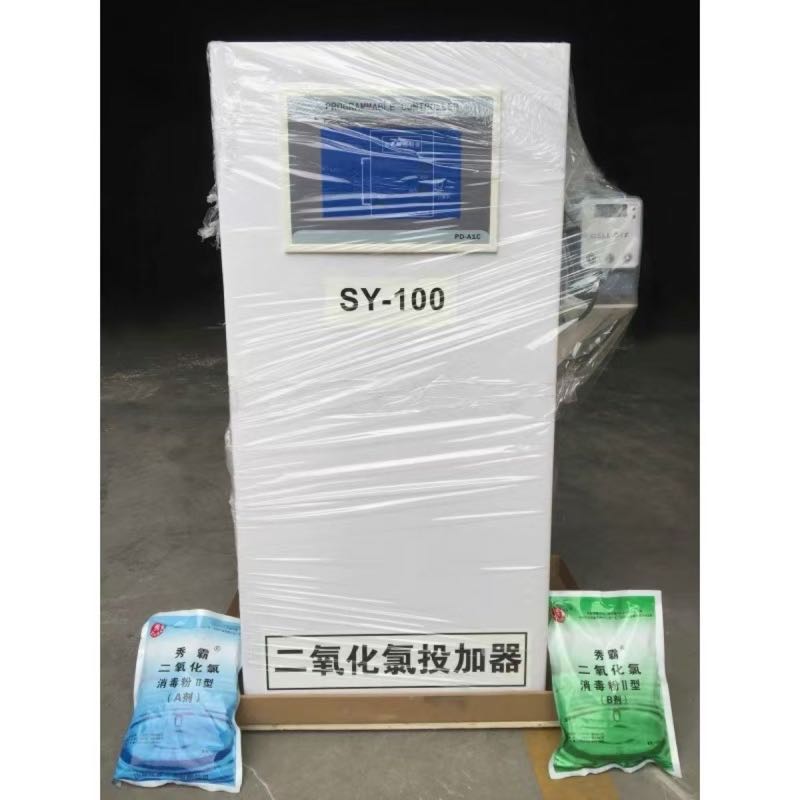
HydropureWater Chlorine Dioxide Generators produce high-purity ClO₂ disinfectant on-site using proven chemical or electrolytic methods. Available in eight configurations — from compact manual units (50 g/h) to fully automated industrial systems (20,000 g/h) — these generators deliver reliable microbial control for municipal drinking water, hospital effluent, industrial cooling loops, and process wastewater. Compliant with EPA, EU Drinking Water Directive 98/83/EC, and WHO Guidelines for Drinking-water Quality.
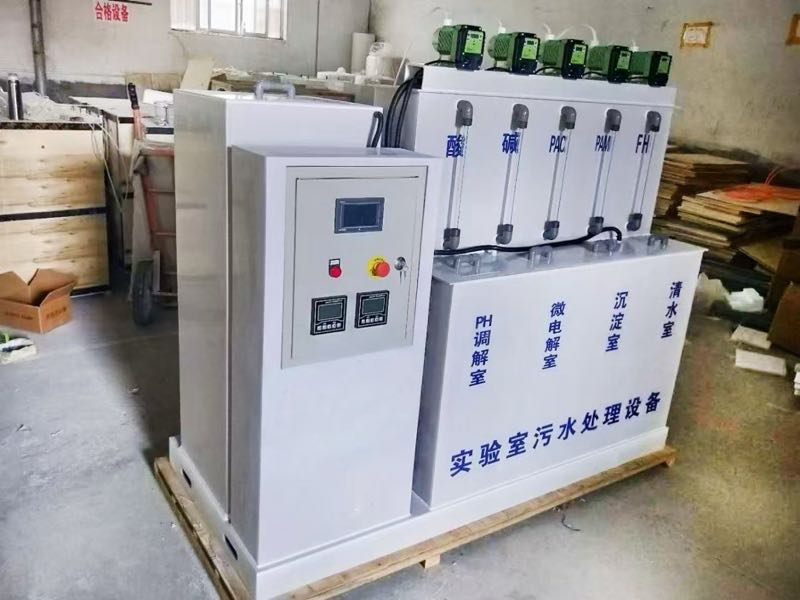
The HydropureWater Medical Wastewater Treatment System is a compact, fully automated unit engineered for clinics, dental offices, veterinary hospitals, and small medical facilities. Combining multi-stage filtration with ozone disinfection (99%+ kill rate), it meets EPA and EU Urban Waste Water Directive 91/271/EEC discharge requirements in a footprint as small as 0.5 m² — with no chemical dosing, no noise, and no secondary pollution.

Ozone generators in portable, benchtop and cabinet formats plus water tank self-cleaning disinfectors, AOT photo-oxidation catalytic sterilizers and silver ion processors. Prevents bacterial regrowth in storage tanks and oxidizes taste, odour and colour compounds.

Hollow-fiber ultrafiltration systems from 2,000 to 40,000 L/h using 0.03 micron PVDF membranes. Removes bacteria, colloids and suspended solids without chemicals, accepts up to 300 ppm turbidity, with automatic backwash and air scour. For municipal, rural and RO pretreatment duty.
Get a free consultation and customized quote from our engineering team.
