Disinfection EPA Equipment Selection Specifications Standards for UV Wastewater Systems
Disinfection EPA equipment selection specifications standards for UV wastewater set the dose, UV-T, lamp type, flow capacity, and redundancy needed for EPA pathogen targets and state reuse rules. Dose equals intensity times exposure time, reported in mJ/cm². Secondary-effluent practice commonly uses 30–80 mJ/cm². Recycled-water programs often require higher doses when Class A pathogen goals apply.
About 12% of UV-equipped wastewater treatment plants fail coliform compliance tests each year, based on hypothetical 2023 EPA enforcement data. Failures usually track underdosing when TSS or BOD spikes cut UV-T below 55%, which can cut disinfection efficiency by 30–50%. Quartz-sleeve fouling from iron, manganese, or biofilm blocks light and shrinks the delivered dose. Intensity-sensor drift can hide that shortfall until a compliance sample fails.
UV Dose Requirements for Wastewater: EPA, State, and International Standards
EPA LT2ESWTR dose benchmarks, though written for drinking water, still guide wastewater reuse and discharge design. Cryptosporidium needs 12 mJ/cm² for 3-log inactivation. Giardia needs 10 mJ/cm². Adenovirus needs up to 186 mJ/cm². California Title 22 sets a minimum 100 mJ/cm² for many recycled-water applications. UV-T above 55% is the usual wastewater design floor; lower UV-T means more installed power or stronger pre-treatment.
| Target Pathogen / Application | Minimum UV Dose (mJ/cm²) | Regulatory Standard / Source |
|---|---|---|
| Cryptosporidium (3-log reduction) | 12 | EPA LT2ESWTR |
| Giardia (3-log reduction) | 10 | EPA LT2ESWTR |
| Adenovirus (4-log reduction) | 186 | EPA LT2ESWTR |
| Recycled Water (general, high-quality) | 100 | California Title 22 |
| General Wastewater Disinfection (secondary effluent) | 30–80 | Common Industry Practice / State Guidelines |
Which UV Disinfection Technologies Meet Class A Reuse Standards?
Class A reuse programs typically demand high pathogen log reduction plus validated dose delivery under variable effluent quality. LP and LPHO reactors that hold validated doses near 100 mJ/cm² suit clear secondary effluent with UV-T above 55%. Medium-pressure units help when TSS rises or UV-T swings, because higher power density and a broader spectrum keep dose delivery stable in a smaller footprint. Continuous reuse trains often pair UV with residual chemical control so distribution lines stay protected after the reactor.
Hospital and food-processing plants that run 24/7 usually specify 100% backup capacity. That means a spare UV channel or enough spare lamps and power supplies to keep dose delivery during maintenance. When upstream solids stay high, integrating MBR systems for UV pre-treatment raises UV-T and lowers the UV power needed for Class A targets.
Key UV Disinfection System Specifications: Flow Rates, Lamp Types, and Redundancy
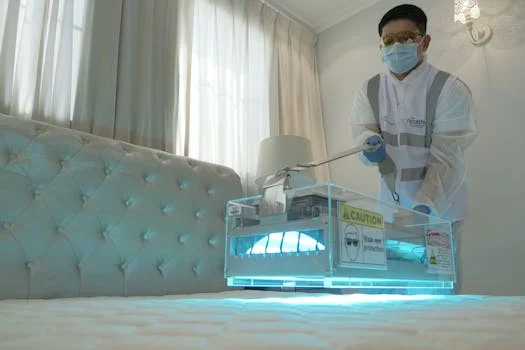
System sizing starts with peak flow, lamp technology, and how much spare capacity the permit demands. Premier Tech’s Classic UV unit for smaller plants lists a maximum instantaneous flow of 2,500 US gal/min (9.7 L/min) on 120V AC. That example shows why nameplate flow must match the true peak, not only the average day.
| UV System Type | Typical Flow Rate Range | Lamp Type / Characteristics | Typical Lamp Life (hours) | Energy Consumption (relative) |
|---|---|---|---|---|
| Low-Pressure (LP) | 1–50 m³/h | Monochromatic (254 nm), high efficiency, low power density | 9,000–12,000 | 1x |
| Low-Pressure High-Output (LPHO) | 50–500 m³/h | Monochromatic (254 nm), higher power density, more compact | 9,000–12,000 | 1.5x |
| Medium-Pressure (MP) | 50–500 m³/h | Polychromatic (broad spectrum), high power density, more compact, higher temperature | 5,000–8,000 | 3x |
| High-Output (HO) Systems | 500+ m³/h | Often LPHO or MP, optimized for large flows, modular design | 5,000–12,000 | Scalable |
LP lamps emit monochromatic 254 nm light with strong germicidal yield and long lamp life. They fit stable, high UV-T streams. MP lamps emit a polychromatic spectrum and use about three times more energy, yet they handle higher TSS and swinging UV-T in a tighter layout. Redundancy remains the deciding factor for continuous duty: size a full backup train when downtime would breach the discharge or reuse permit.
What Selection Criteria Apply to Compact UV Units for Onsite Water Reuse?
Compact onsite reuse skids succeed when influent quality, flow swing, cleaning access, sensors, and redundancy are fixed before purchase. Target TSS below 30 mg/L, BOD below 20 mg/L, and UV-T above 55%. If those limits fail often, add DAF systems for UV pre-treatment or MBR systems for UV pre-treatment before the reactor. Peak-to-average flow ratios above 2:1 call for variable-output lamp control so dose stays constant at both low and high flow.
- Influent Quality: Keep TSS below 30 mg/L, BOD below 20 mg/L, and UV-T above 55% at the UV inlet.
- Flow Variability: Peak-to-average ratios can exceed 3:1; average-only sizing underdoses at peak.
- Lamp Maintenance & Cleaning: Fouled sleeves can cut UV output by 50% or more; automated wipers or chemical cleaners limit labor. High-TSS plants may need weekly sleeve cleaning.
- Sensor Calibration: Recalibrate intensity sensors every 6–12 months, as in Vermont-style protocols, to limit drift.
- Redundancy Requirements: Direct reuse, sensitive receiving waters, and hospital effluent often need 100% backup channels and controls.
Decision Tree for UV System Selection:
- If Influent TSS > 30 mg/L OR UV-T < 55% → Consider pre-treatment (DAF or MBR) + UV System.
- If Flow Variability (Peak:Average) > 2:1 → Select a variable-output UV system with adjustable lamp power.
- If Critical Application (e.g., hospitals, direct reuse) → Specify 100% backup/redundancy for UV system.
- If High Mineral Content (e.g., Fe/Mn) → Prioritize systems with automated or easily accessible quartz sleeve cleaning mechanisms.
- If Regulatory Compliance Requires Continuous Monitoring → Ensure UV system includes calibrated intensity sensors with scheduled recalibration.
These five checks form the practical disinfection EPA equipment selection specifications standards used on compact reuse packages. They keep dose delivery aligned with permit limits without oversized power draws.
UV vs. Chlorine vs. Ozone: Cost and Performance Comparison for Wastewater Disinfection
Technology choice balances capex, opex, log removal, byproducts, and residual needs. UV avoids chemical DBPs but leaves no lasting residual in the pipe network.
| Criterion | UV Disinfection | Chlorine Disinfection (Gas/Hypochlorite) | Ozone Disinfection |
|---|---|---|---|
| Capex ($/m³ capacity) | $50–$200 | $20–$100 | $100–$300 |
| Opex ($/m³ treated) | $0.02–$0.05 (energy, lamps) | $0.01–$0.03 (chemicals, safety) | $0.05–$0.10 (energy, oxygen) |
| Disinfection Efficiency (Log Removal) | High (3-4 log for bacteria/viruses) | High (3-4 log for bacteria/viruses) | Very High (4-5 log for all pathogens) |
| Byproducts | None (direct) / Minor photoproducts | Disinfection Byproducts (DBPs: THMs, HAAs) | Bromate (if bromide present), trace aldehydes |
| Residual Disinfection | No residual | Strong residual | No residual (short half-life) |
| Maintenance Complexity | Moderate (lamp replacement, sleeve cleaning, sensor calibration) | Low (chemical handling, pump maintenance) | High (ozone generator, oxygen supply, off-gas destruction) |
| Safety Concerns | Electrical, UV exposure (contained) | Toxic gas (chlorine), corrosive chemicals | Ozone gas leakage (respiratory irritant) |
UV capex typically runs $50–$200 per cubic meter of capacity (2025 benchmarks). Opex averages $0.02–$0.05 per cubic meter for energy and lamps. Where distribution residual is required after UV, a Chlorine Dioxide (ClO₂) Generator for Water Disinfection can supply secondary control without returning to bulk chlorine gas.
Chlorine systems cost less to install ($20–$100/m³) and operate ($0.01–$0.03/m³), and they leave a strong residual. They also form THMs and HAAs and raise gas or hypochlorite handling risks. Ozone reaches 4–5 log removal across pathogens, but capex ($100–$300/m³) and opex ($0.05–$0.10/m³) are higher, and bromate can form when bromide is present.
Troubleshooting UV Disinfection Systems: 7 Common Problems and Solutions
Most compliance failures trace to fouling, sensor error, low UV-T, power quality, alarms, oversized flow, or biofilm on reactor walls. Fix those items on a fixed schedule before the next grab sample.
- Lamp Fouling: Mineral scale or biofilm on quartz sleeves blocks UV light.
- Solution: Clean sleeves weekly with 5% citric acid or mechanical wipers. Replace sleeves every 12–18 months, or sooner if etched or cracked.
- Sensor Drift: Intensity sensors can report a safe dose while output has fallen.
- Solution: Recalibrate every 6 months per Vermont-style or manufacturer rules. Replace sensors that will not hold calibration.
- Low UV-T: UV-T below 55% usually means a TSS or organics spike upstream.
- Solution: Check upstream process upsets. Add or upgrade DAF or MBR pre-treatment if low UV-T persists.
- Power Fluctuations: Unstable power causes flicker, early lamp failure, or trips.
- Solution: Add surge protection and voltage stabilization. Test UPS or generator backup on critical trains.
- Alarm Failures: Silent lamp or controller alarms hide outages.
- Solution: Test lamp-failure alarms monthly, as per Premier Tech specifications, and verify other alarms on the same cycle.
- Flow Rate Mismatches: Flow above design shortens exposure and underdoses.
- Solution: Confirm sizing against peak flow, such as 2,500 US gal/min for a Premier Tech Classic unit. Add parallel channels if peaks exceed capacity.
- Biofilm Buildup: Films on reactor walls can shelter microbes and distort UV fields.
- Solution: Clean reactor internals quarterly with dilute chlorine or ozone solution.
Frequently Asked Questions
Q: What is the minimum UV dose for wastewater disinfection?
A: EPA LT2ESWTR lists 12 mJ/cm² for Cryptosporidium, 10 mJ/cm² for Giardia, and 186 mJ/cm² for adenovirus. California Title 22 often requires 100 mJ/cm² for recycled water.
Q: How does UV-T affect UV disinfection efficiency?
A: When UV-T falls below 55%, efficiency can drop 30–50%. DAF or MBR pre-treatment is then used to restore clarity before UV exposure.
Q: What are the maintenance requirements for UV disinfection systems?
A: Clean quartz sleeves weekly with 5% citric acid when mineral fouling appears. Test lamp-failure alarms monthly. Recalibrate intensity sensors every 6 months. Replace lamps after 5,000–12,000 hours by lamp type.
Q: Can UV disinfection replace chlorine in wastewater treatment?
A: UV can replace chlorine for primary disinfection when chemical handling or DBPs are the main concern. It leaves no residual, so reuse distribution often adds a secondary step. A Chlorine Dioxide (ClO₂) Generator for Water Disinfection is one common post-UV residual option.
Q: What is the lifespan of a UV lamp in wastewater applications?
A: Low-pressure lamps typically last 9,000–12,000 hours. Medium-pressure lamps typically last 5,000–8,000 hours.
Who This Is For / Who Should Look Elsewhere / Next Step
This guide is for municipal and industrial engineers sizing UV reactors against EPA dose tables, Title 22 reuse limits, and real UV-T data. Plants that only need bulk chlorination with a long distribution residual, and no UV validation duty, should look elsewhere. If you already have flow, UV-T, and permit dose targets, share those figures for a reactor and residual package matched to your peak hour.
Related Equipment
- DAF systems for UV pre-treatment — view specifications, capacity range, and technical data
Need a customized solution? Request a free quote with your specific flow rate and pollutant parameters.