Why Hospitals Can’t Use Standard Sewage Treatment Plants (STPs)
Hospital effluent contains 3–10× higher concentrations of pharmaceuticals and pathogens than domestic sewage, rendering standard Sewage Treatment Plants (STPs) insufficient for regulatory compliance. According to WHO 2023 guidelines, medical wastewater typically carries antibiotic concentrations ranging from 10 to 500 µg/L and pathogen loads of 10^3 to 10^6 CFU/mL of E. coli. While STPs are optimized for basic Biochemical Oxygen Demand (BOD) and Chemical Oxygen Demand (COD) removal with an efficiency of 85–90%, they are not engineered to sequester recalcitrant antibiotics, heavy metals like mercury from dental amalgams, or disinfectants such as glutaraldehyde used in sterilization units.
The technical failure of STPs in clinical settings often leads to significant legal and environmental liabilities. A 2023 EPA citation involving a U.S. hospital highlighted this risk when the facility was found discharging effluent with 200 µg/L of ciprofloxacin—twenty times the recommended ETP limit of 10 µg/L—because it relied on a municipal-grade STP. This lack of specialized treatment allows "superbugs" and endocrine-disrupting chemicals to enter local ecosystems, violating standards such as the EU Urban Waste Water Directive 91/271/EEC, which sets specific hospital-related limits for Adsorbable Organic Halides (AOX) and heavy metals. For facilities operating under U.S. hospital wastewater compliance requirements, the 40 CFR Part 460 guidelines further emphasize that medical effluent must meet pharmaceutical-grade discharge thresholds that STPs simply cannot reach.
| Contaminant Parameter | Domestic Sewage (Typical) | Hospital Effluent (Typical) | STP Removal Efficiency | ETP Removal Efficiency |
|---|---|---|---|---|
| Antibiotics (µg/L) | <1.0 | 10 – 500 | 20% – 40% | 92% – 97% |
| E. coli (CFU/mL) | 10^2 – 10^4 | 10^3 – 10^6 | 90% – 95% | 99.9% + |
| Heavy Metals (mg/L) | Trace | 0.5 – 5.0 | <30% | 85% – 95% |
| BOD5 (mg/L) | 200 – 300 | 400 – 800 | 85% – 90% | 92% – 97% |
Hospital Effluent Treatment Plant (ETP): Engineering Specs, Process Flow & Limitations
A specialized hospital effluent treatment plant (ETP) utilizes a multi-stage physiochemical and biological process to achieve 95–99% removal of high-risk medical contaminants. The standard process flow begins with fine screening using 6 mm bar spacing to remove clinical debris, followed by primary sedimentation with a Hydraulic Retention Time (HRT) of 2–4 hours. The core biological stage typically employs Anoxic/Oxic (A/O) or Moving Bed Biofilm Reactor (MBBR) technology with an HRT of 8–12 hours, specifically designed to degrade complex organic compounds and pharmaceuticals. Final treatment involves tertiary disinfection using chlorine dioxide or high-intensity UV systems to ensure a 99.9% pathogen kill rate before discharge.
Engineering benchmarks for a compact hospital ETP system with ozone disinfection show removal efficiencies of 95–98% for Total Suspended Solids (TSS), 90–95% for COD, and 85–95% for heavy metals. These systems occupy a moderate footprint of 0.5–1.5 m² per m³/h capacity, making them more compact than traditional activated sludge STPs but larger than high-rate clarification systems. Energy consumption for a hospital ETP ranges from 0.8 to 1.2 kWh/m³, which is significantly higher than the 0.3–0.5 kWh/m³ required for domestic STPs due to the intensive aeration and advanced oxidation processes necessary to break down antibiotic residues.
Despite their efficiency, hospital ETPs face specific engineering limitations. They often struggle with high-salinity effluent from dialysis units, which can inhibit biological activity if not pre-diluted or treated with reverse osmosis. phosphorus removal usually requires supplemental chemical dosing, and the resulting chemical sludge requires specialized disposal. Sludge handling is a critical operational factor; facility managers must evaluate sludge dewatering options for hospital ETPs to manage disposal costs, which currently range from $150 to $300 per ton in the United States depending on the hazardous classification of the waste.
| Engineering Parameter | Hospital ETP Specification | Removal Rate (EPA 2024 Benchmark) |
|---|---|---|
| Hydraulic Retention Time (HRT) | 10 – 16 Hours (Total) | N/A |
| TSS Removal | Primary + Secondary + Tertiary | 95% – 98% |
| Antibiotic Degradation | Advanced Biological + Ozone/UV | 92% – 97% |
| Energy Intensity | 0.8 – 1.2 kWh/m³ | N/A |
| Disinfection Standard | Log 3 to Log 4 Reduction | 99.9% – 99.99% |
Alternatives to Hospital ETPs: Engineering Comparison of MBR, DAF, Chemical Dosing & STP
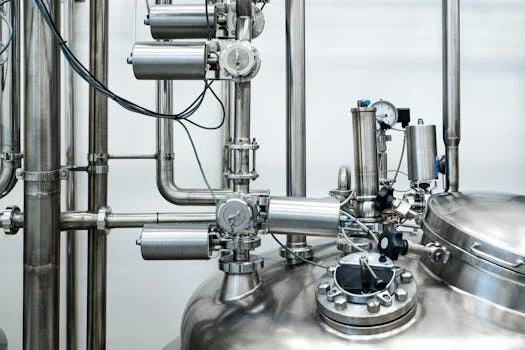
The selection between a standard ETP and alternatives like Membrane Bioreactors (MBR) or Dissolved Air Flotation (DAF) depends on the required effluent quality and the hospital’s specific contaminant profile. A MBR system for near-reuse-quality hospital effluent provides the highest level of treatment, producing water with <1 NTU turbidity and 99% pathogen removal without the need for secondary clarifiers. However, MBR systems carry a high CAPEX ($1.2M–$3M for a 100 m³/h capacity) and require membrane replacement every 5–7 years at a cost of $50–$100/m². This makes MBR ideal for hospitals pursuing water reuse for HVAC cooling or irrigation but potentially over-engineered for simple sewer discharge.
For pre-treatment of laundry or kitchen greywater, a high-efficiency DAF system for hospital greywater pre-treatment offers superior TSS removal (95–98%) and oil/grease reduction. While DAF is highly effective for solids, it only removes 30–60% of dissolved pharmaceuticals, meaning it must be paired with an ETP or MBR for full clinical compliance. Chemical dosing systems (using lime or ferric chloride) offer the lowest CAPEX ($50K–$200K) but result in the highest OPEX ($0.50–$1.50/m³) due to chemical consumption and a 3–5× increase in sludge production compared to biological ETPs. When comparing DAF vs lamella clarifiers and other pre-treatment alternatives, engineers must weigh the footprint advantages of DAF against the higher energy costs of air saturation.
| 12 Parameter Comparison | Standard ETP | MBR System | DAF Unit | STP (Domestic) |
|---|---|---|---|---|
| 1. Antibiotic Removal | 92% – 97% | 98% + | 30% – 60% | 20% – 40% |
| 2. Pathogen Kill Rate | 99.9% | 99.99% | 70% – 80% | 90% – 95% |
| 3. Effluent Turbidity | <5 NTU | <1 NTU | <10 NTU | <20 NTU |
| 4. Footprint Req. | Moderate | Very Compact | Compact | Large |
| 5. Energy Use (kWh/m³) | 0.8 – 1.2 | 1.5 – 2.5 | 0.4 – 0.7 | 0.3 – 0.5 |
| 6. CAPEX (100 m³/h) | $800K – $1.5M | $1.2M – $3M | $200K – $500K | $300K – $800K |
| 7. OPEX (per m³) | $0.40 – $0.80 | $0.70 – $1.20 | $0.20 – $0.50 | $0.15 – $0.40 |
| 8. Sludge Production | Low-Moderate | Low | Moderate-High | Moderate |
| 9. Maintenance Skill | Medium | High | Medium | Low |
| 10. Heavy Metal Rem. | 85% – 95% | 90% – 98% | 60% – 80% | <30% |
| 11. Water Reuse Pot. | Moderate | High | Low (Pre-only) | None |
| 12. Compliance Risk | Low | Zero | High (Standalone) | Very High |
Cost-Benefit Analysis: CAPEX, OPEX & ROI for Hospital Wastewater Treatment Systems
The total cost of ownership for hospital wastewater systems is increasingly driven by operational compliance and water scarcity rather than initial equipment purchase. According to 2025 RSMeans data, the CAPEX for a 100 m³/h ETP ranges from $800,000 to $1.5 million, while a comparable MBR system can reach $3 million. However, the ROI for these advanced systems is bolstered by the avoidance of environmental fines, which can range from $50,000 to over $500,000 per year for repeated pharmaceutical discharge violations. hospitals that implement water reuse strategies can save between $0.50 and $2.00 per m³ on municipal water procurement, significantly offsetting the higher OPEX of $0.70–$1.20/m³ associated with MBR systems.
Operational downtime represents a hidden cost often overlooked during procurement. A hospital shutdown due to wastewater backup or compliance failure can cost between $10,000 and $50,000 per day in lost revenue and emergency remediation. A 2024 case study of a 500-bed hospital in Germany demonstrated the financial viability of advanced treatment; by installing a hybrid ETP + MBR system, the facility reduced antibiotic discharge by 98% and recouping its $2.2 million CAPEX in 4.2 years through a combination of reduced discharge fees and the reuse of treated water for the facility's cooling towers.
| System Type | Estimated CAPEX | OPEX (Energy/Chem/Labor) | Estimated ROI Period |
|---|---|---|---|
| Standard ETP | $1.0M | $0.60 / m³ | 5 – 7 Years |
| MBR (Reuse Grade) | $2.1M | $0.95 / m³ | 4 – 6 Years (with reuse) |
| DAF + ETP Hybrid | $1.4M | $0.75 / m³ | 6 – 8 Years |
| STP (Compliance Risk) | $0.5M | $0.30 / m³ | N/A (Fine Dependent) |
Decision Framework: How to Choose the Right System for Your Hospital
Selecting the optimal wastewater technology requires a systematic evaluation of a hospital's specific effluent chemistry, local regulations, and long-term sustainability goals. Engineering teams should follow this five-step decision matrix to ensure the selected system meets both current and future requirements:
- Step 1: Contaminant Profiling – Conduct a 24-hour composite sampling of the raw effluent. If pharmaceutical concentrations (antibiotics, steroids) are above 100 µg/L, a specialized ETP or MBR is mandatory. If TSS and oils from kitchens/laundry are the primary concern, a DAF unit should be integrated as pre-treatment.
- Step 2: Regulatory Mapping – Determine if the facility must comply with EU/WHO standards for endocrine disruptors or local municipal codes. High-stringency zones require MBR or ETPs with advanced oxidation (Ozone/UV) to ensure non-detectable levels of pathogens.
- Step 3: Spatial and Footprint Constraints – For urban hospitals with limited land, MBR systems offer the highest capacity per square meter. Greenfield sites or rural facilities may find a modular ETP more cost-effective due to lower maintenance complexity.
- Step 4: Budgetary Prioritization – If CAPEX is the primary constraint, a DAF + chemical dosing system may suffice for basic discharge, though OPEX will be higher. If long-term ROI is the goal, an ETP with MBBR technology offers the best balance of energy efficiency and removal performance.
- Step 5: Future-Proofing and Reuse – Evaluate the potential for water reuse. If the hospital plans to use treated effluent for non-potable applications like toilet flushing or irrigation, an MBR + Reverse Osmosis (RO) configuration is the only viable path to meet ISO 30500 or WHO reuse guidelines.
Frequently Asked Questions
What is the difference between STP and ETP in hospitals?The primary difference lies in the target contaminants and removal efficiency. STPs are designed for domestic sewage, achieving 85–90% BOD removal but only 20–40% antibiotic removal. Hospital ETPs are engineered for medical waste, achieving 95–97% removal of antibiotics and heavy metals to meet EPA 40 CFR Part 460 and EU 91/271/EEC standards.
What is the difference between WTP and ETP?A Water Treatment Plant (WTP) processes raw water (from wells or rivers) into potable drinking water using coagulation, filtration, and disinfection. An Effluent Treatment Plant (ETP) treats contaminated wastewater (sewage and chemicals) to make it safe for environmental discharge or reuse, utilizing biological and advanced oxidation processes.
Can hospitals reuse treated effluent?Yes, provided the treatment system meets ISO 30500 or WHO reuse standards. Typically, this requires an MBR system followed by Reverse Osmosis (RO) for high-grade reuse (potable or HVAC), or a standard ETP with UV disinfection for low-grade reuse such as landscape irrigation or dust suppression.
How much does a hospital ETP cost?For a system with 100 m³/h capacity, CAPEX typically ranges from $800,000 to $1.5 million. OPEX costs, including energy, chemicals, and labor, generally range between $0.40 and $0.80 per cubic meter of treated water.
What are the maintenance requirements for hospital ETPs?Standard maintenance includes daily monitoring of pH, dissolved oxygen, and flow rates. Weekly tasks involve sludge wasting and pump inspections. Quarterly requirements include sensor calibration and, for MBR systems, Clean-In-Place (CIP) membrane washing to prevent biofouling.