
Wastewater treatment expert: +86-181-0655-2851 Get Expert Consultation

Pharmaceutical Wastewater Treatment

Pharmaceutical Manufacturing

Country guides, source reports and reviewed records. Follow each record to its original context.

Pharmaceutical manufacturing generates wastewater containing active pharmaceutical ingredients (APIs), solvents, intermediates, and cleaning agents that pose serious environmental and public health risks if improperly treated. The presence of antibiotics, hormones, and cytotoxic compounds requires specialized treatment beyond conventional biological methods.

Pharmaceutical wastewater is characterized by high variability in composition and flow (due to batch production), low biodegradability of synthetic drug compounds, and the presence of antimicrobial substances that can inhibit biological treatment processes. Increasingly, regulators worldwide are imposing stricter limits on pharmaceutical residues in effluent discharge.

HydropureWater provides purpose-built treatment systems for the pharmaceutical industry, combining advanced oxidation with robust biological processes to achieve complete degradation of APIs and regulatory compliance, while meeting the stringent documentation and quality requirements expected in pharmaceutical manufacturing.

Common Wastewater Challenges in Pharmaceutical Manufacturing

Active Pharmaceutical Ingredients: APIs including antibiotics, hormones, and anti-cancer drugs persist through conventional treatment and can cause antimicrobial resistance and ecological damage at very low concentrations (ng/L to μg/L).

Solvent & Chemical Residues: Organic solvents (methanol, acetone, dichloromethane), catalysts, and reagents from synthesis processes create high COD loads and may be toxic to biological treatment.

Antimicrobial Inhibition: Antibiotic residues can kill or suppress the microorganisms essential for biological wastewater treatment, requiring pre-treatment to reduce antimicrobial activity before biological stages.

Regulatory Compliance: Pharmaceutical facilities face the strictest discharge standards globally, with emerging regulations specifically targeting API residues and requiring documented treatment validation.

Recommended Treatment Solutions

Advanced treatment approach for pharmaceutical wastewater

1

Source Segregation & Solvent Recovery

High-concentration solvent streams are segregated for distillation recovery, reducing COD load by 60–80% before treatment. Concentrated mother liquors are pre-treated separately.

2

Advanced Oxidation Pre-treatment

Fenton oxidation, ozonation, or UV/H₂O₂ breaks down refractory APIs and destroys antimicrobial activity, improving biodegradability (BOD/COD ratio) from 0.1 to above 0.4.

3

MBR Biological Treatment

Membrane bioreactor with extended sludge retention time (30–60 days) provides enhanced biodegradation of pharmaceutical compounds. MBR effluent meets strict TSS and turbidity requirements.

4

Activated Carbon & Membrane Polishing

Granular activated carbon (GAC) adsorbs residual trace APIs, followed by nanofiltration/RO for water reuse applications. API removal exceeds 99.9%.

Recommended Equipment

High-standard wastewater treatment equipment for pharmaceutical plants

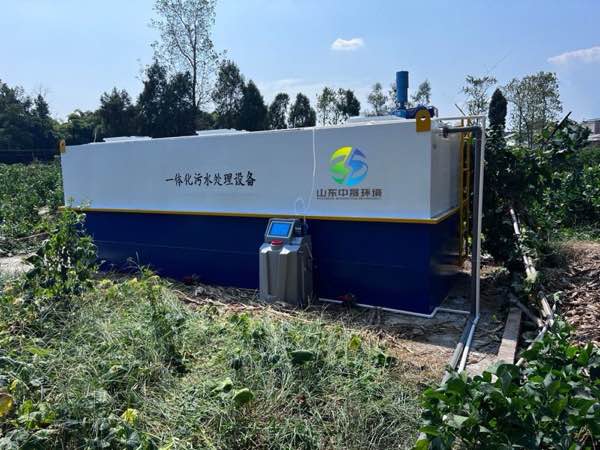
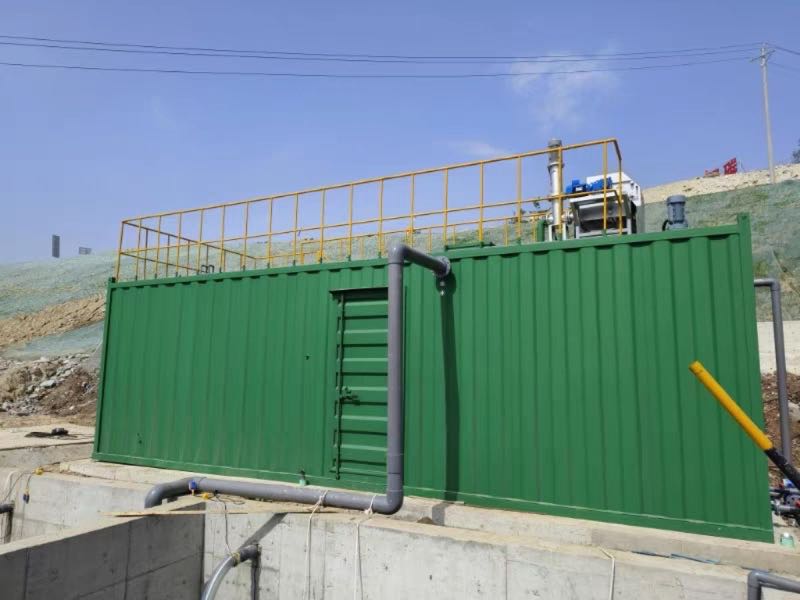
MBR Membrane Bioreactor Wastewater Treatment System

MBR Membrane Bioreactor Wastewater Treatment System

Integrated MBR membrane bioreactor system combining activated sludge treatment with submerged PVDF membrane filtration. Delivers near-reuse-quality effluent (<1 μm filtration) with 60% smaller footprint than conventional systems. Ideal for municipal sewage, industrial process water, and water reuse projects from 10 to 2,000 m³/day.

MBR Flat Sheet Membrane Module (DF Series)

MBR Flat Sheet Membrane Module (DF Series)

DF series PVDF flat sheet membrane modules for submerged MBR applications. Features 0.1 μm pore size with integrated aeration box for continuous membrane scouring. Individually replaceable membrane elements, stainless steel frame, and 10–20× lower energy consumption than external cross-flow systems. Available in 80–225 m² configurations producing 32–135 m³/day.

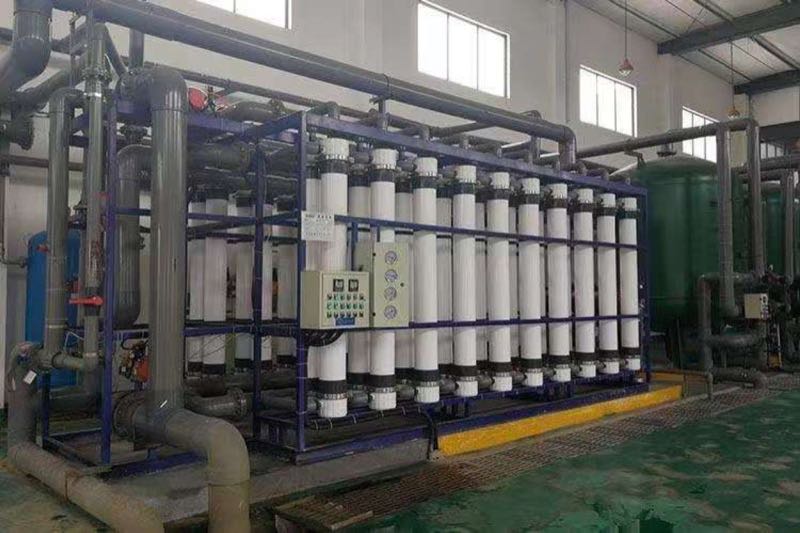
Industrial Reverse Osmosis (RO) Water Treatment System

Industrial Reverse Osmosis (RO) Water Treatment System

HydropureWater industrial RO systems deliver ultra-pure permeate at recovery rates up to 95%, serving pharmaceutical, semiconductor, food & beverage, and power generation applications worldwide. Fully automated PLC-controlled operation with continuous output and minimal chemical consumption.

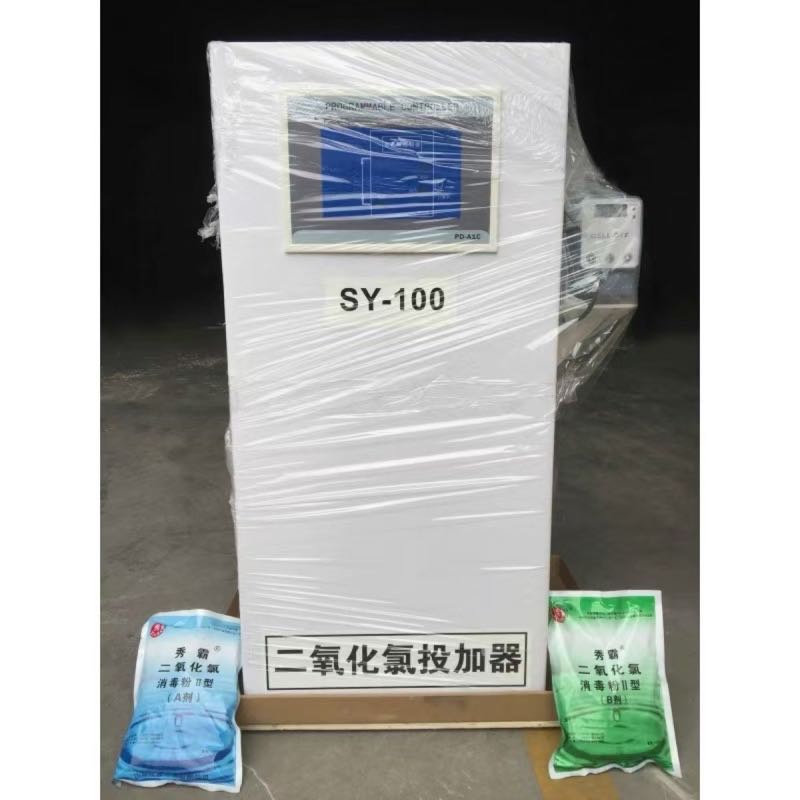
Chlorine Dioxide (ClO₂) Generator for Water Disinfection

Chlorine Dioxide (ClO₂) Generator for Water Disinfection

HydropureWater Chlorine Dioxide Generators produce high-purity ClO₂ disinfectant on-site using proven chemical or electrolytic methods. Available in eight configurations — from compact manual units (50 g/h) to fully automated industrial systems (20,000 g/h) — these generators deliver reliable microbial control for municipal drinking water, hospital effluent, industrial cooling loops, and process wastewater. Compliant with EPA, EU Drinking Water Directive 98/83/EC, and WHO Guidelines for Drinking-water Quality.

Medical & Hospital Wastewater Treatment System

Medical & Hospital Wastewater Treatment System

The HydropureWater Medical Wastewater Treatment System is a compact, fully automated unit engineered for clinics, dental offices, veterinary hospitals, and small medical facilities. Combining multi-stage filtration with ozone disinfection (99%+ kill rate), it meets EPA and EU Urban Waste Water Directive 91/271/EEC discharge requirements in a footprint as small as 0.5 m² — with no chemical dosing, no noise, and no secondary pollution.

EDI Electrodeionization System

EDI Electrodeionization System

Continuous electrodeionization stacks that polish RO permeate to ultrapure water with no acid or caustic regeneration. Replaces mixed-bed ion exchange, eliminating regeneration wastewater and neutralization tanks. For pharmaceutical, electronics, power and dialysis water.

UV Sterilizer for Water Treatment

UV Sterilizer for Water Treatment

Full pipeline UV-C sterilizer range - flange, quick-connect, double lamp, medium-pressure, self-cleaning, outdoor rainproof and open-channel configurations. Chemical-free disinfection effective against chlorine-resistant Cryptosporidium and Giardia, with no by-products or taste change.

Ozone Generator & Water Tank Sterilization System

Ozone Generator & Water Tank Sterilization System

Ozone generators in portable, benchtop and cabinet formats plus water tank self-cleaning disinfectors, AOT photo-oxidation catalytic sterilizers and silver ion processors. Prevents bacterial regrowth in storage tanks and oxidizes taste, odour and colour compounds.

Recent Pharmaceutical Projects

Delivered systems and ongoing assessments in this sector. Client identities withheld; capacities approximate.

D-038 Delivered · Engineering record

30 m³/day MBR Plant for a 60-Bed Hospital Dialysis Centre

Capacity class
30 m³/d
Region
West Africa
Sector
Hospital & Healthcare

Fine screening → equalisation and dechlorination → anoxic treatment → …

View project record

8 m³/d hospital wastewater treatment system – Senegal

Ref. A-023 · Senegal · 8 m³/d · Hospital & Healthcare
Budgetary proposal issued · Updated Oct 2026

Brief received The client-supplied design basis is 8 m³/d for a new outpatient and inpatient medical facility. Client-estimated wastewater characteristics are BOD₅ 250–400 mg/L, COD 500–800 mg/L and TSS 200–350 mg/L. The proposed treatment targets BOD₅ below 30 mg/L, COD below 90 mg/L and TSS below 30 mg/L, subject to testing, design confirmation and applicable approval.

What we asked first Please confirm the peak hourly flow and drainage period, final discharge route, applicable permit and microbiological requirements, electrical supply and available power, site dimensions, inlet and outlet levels, and the boundary for separately collected chemical, dialysis and cleaning wastes.

Our position Provide a complete package treatment system using a rotary screen for debris removal, equalisation and flow diversion, an anaerobic hydrolysis and anoxic stage, aerobic biological treatment with internal recycle, and ultrafiltration membrane separation. Apply chemical dosing only after confirming the incoming wastewater characteristics and treatment objectives. Chlorine dioxide provides final disinfection before the selected discharge or reuse route. Route separated solids to a compact thickening and plate-and-frame dewatering arrangement, then sealed storage pending authorised disposal. Keep laboratory, dialysis and surgical cleaning wastes outside this package until their independent neutralisation and responsibility boundaries are confirmed. Final process selection, sizing, hydraulic design, electrical provisions and permit compliance will be confirmed after the missing flow, quality, site and discharge information is received.

For similar projects Prepare current wastewater sampling, peak-flow calculations, drainage schedules, discharge and reuse plans, utility details, site survey information, permit requirements, and a clear scope boundary for segregated clinical waste streams.

Related Technical Guides

In-depth engineering guides and compliance references

Need a Custom Solution for Your Pharmaceutical Facility?

Our engineers understand the unique requirements of pharmaceutical wastewater. Get a free consultation with detailed API removal guarantees.

AI Growth
Contact
Contact Us
Call Us
+86-181-0655-2851
Email Us Get a Quote Contact Us