HydropureWater is a leading manufacturer of wastewater treatment equipment, specializing in DAF systems, MBR bioreactors, and packaged treatment plants for industrial and municipal applications.
With 15+ years of experience and 500+ completed projects across Asia, Europe and beyond, we deliver reliable, cost-effective solutions that meet the strictest discharge standards.
Custom-engineered solutions for every application
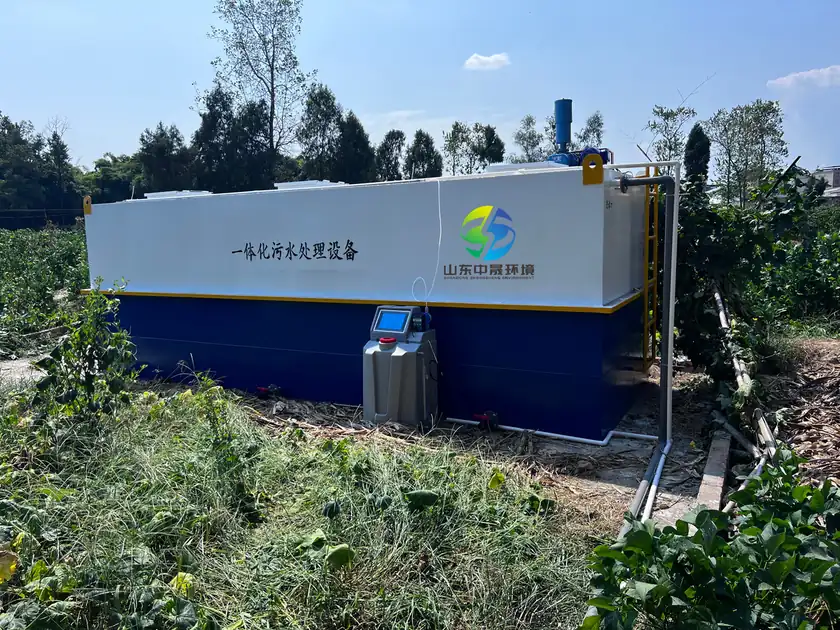
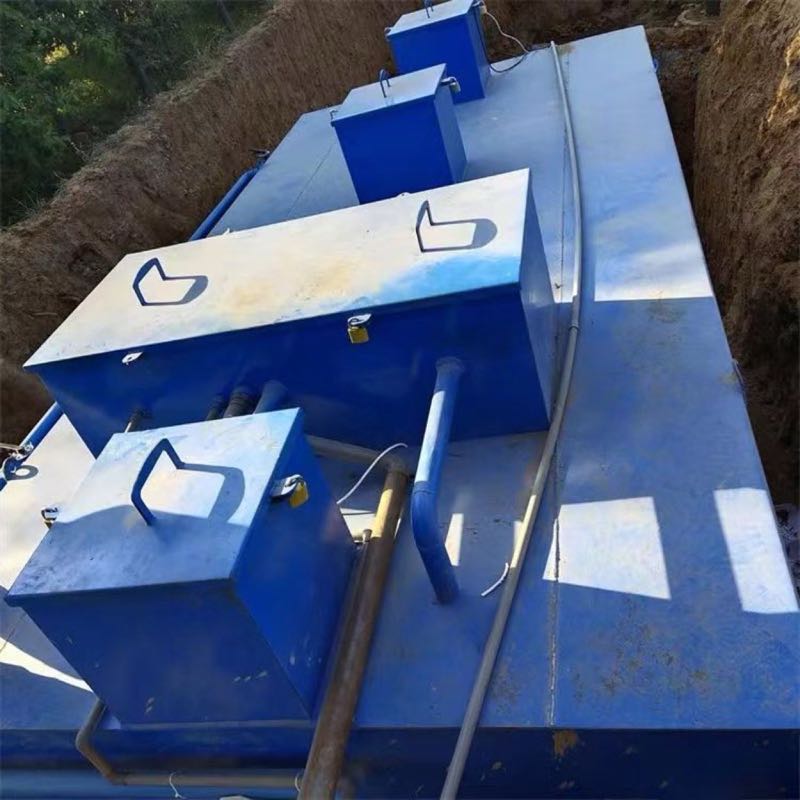
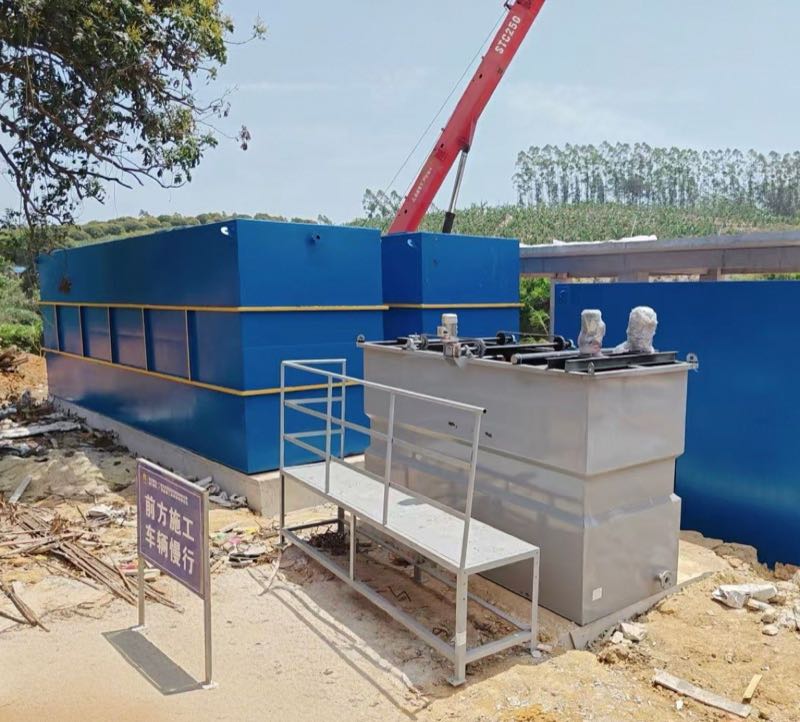
WSZ series underground integrated sewage treatment plant combines anoxic/aerobic (A/O) biological contact oxidation with sedimentation and disinfection in a single buried package unit. Fully automated with no operator required, it handles 1–80 m³/h for residential communities, hotels, hospitals, factories, and rural areas. Can be installed below grade with landscaping above, or mounted on a trailer for mobile deployment.
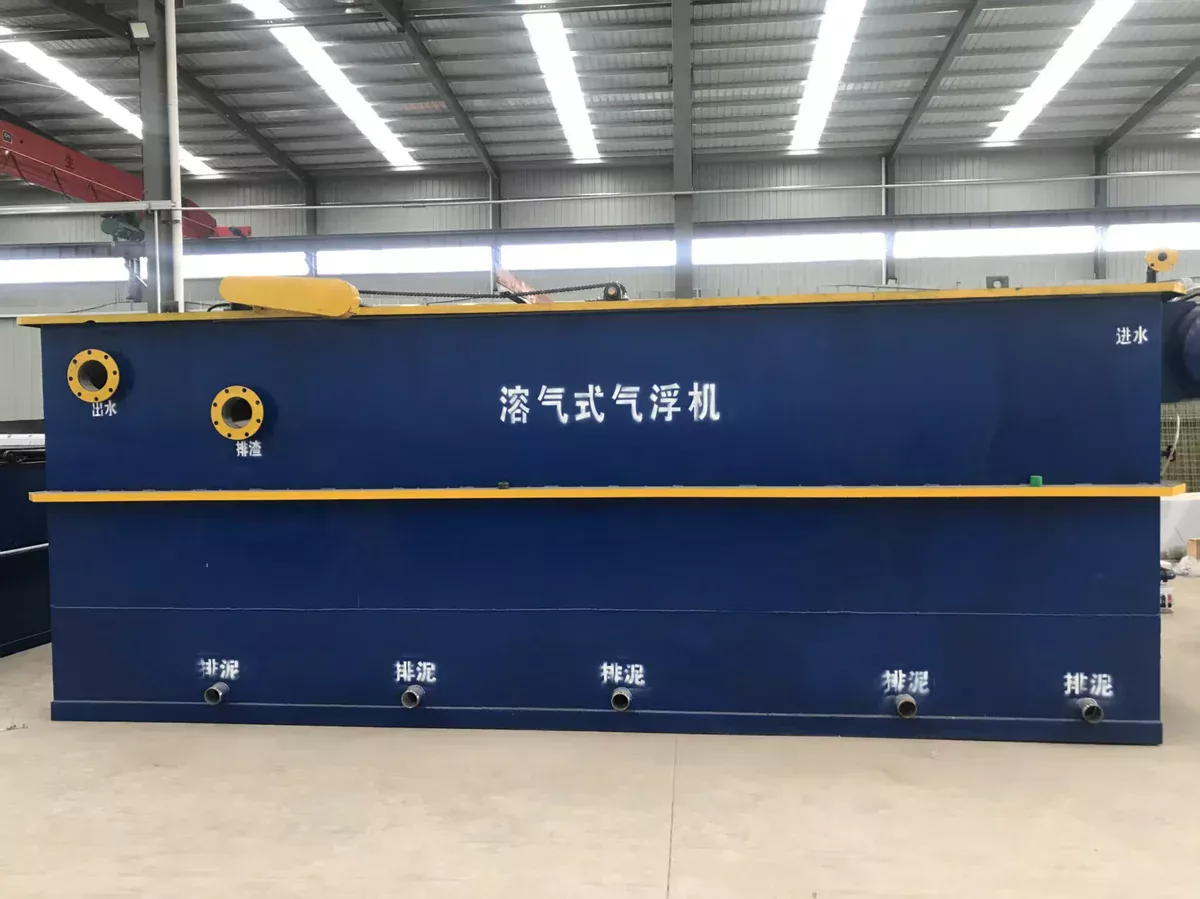
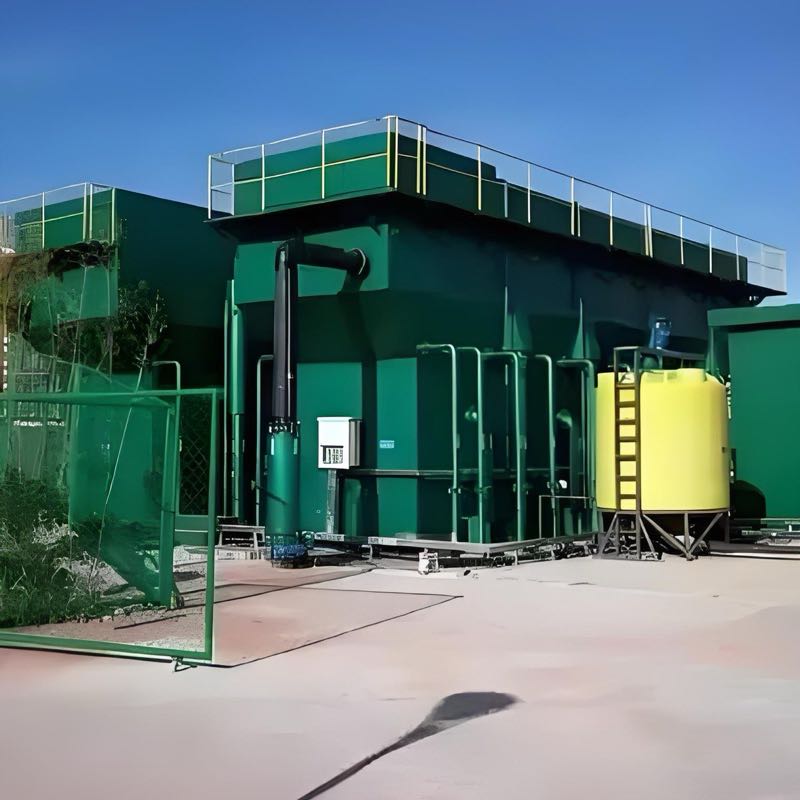
ZSQ series dissolved air flotation (DAF) system for high-efficiency removal of suspended solids, FOG, oil & grease, and colloidal matter from industrial wastewater. Micro-bubble technology with automatic skimming handles 4–300 m³/h across 13 standard models. Proven in food processing, pulp & paper, textile, metalworking, petrochemical, and municipal pre-treatment applications.
JY series all-in-one water purification system integrates coagulation, flocculation, sedimentation, filtration, and automatic backwash in a single compact unit. Fully automatic operation treats surface water with turbidity up to 3,000 mg/L to below 3 mg/L. Ideal for rural water supply, small towns, industrial process water, and mine water treatment with capacities from 10 to 200 m³/h.
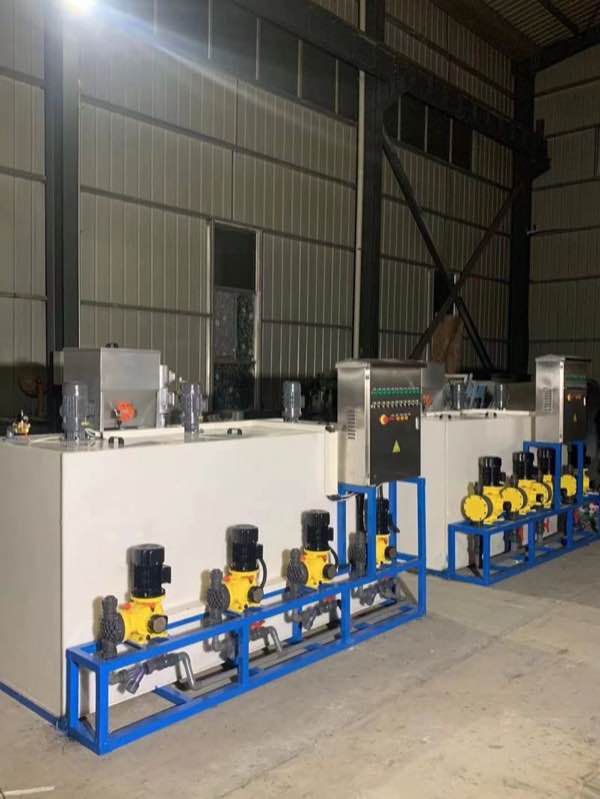
HydropureWater automatic chemical dosing systems provide precise, PLC-controlled injection of coagulants, flocculants, pH adjusters, and specialty chemicals for water and wastewater treatment. Skid-mounted, pre-wired, and factory-tested for rapid installation.
HydropureWater plate and frame filter presses deliver efficient solid-liquid separation for municipal and industrial sludge dewatering, with filtration areas from 1 m² to 500 m² and manual, hydraulic, or fully automatic PLC-controlled operation.
The ZS Series Chlorine Dioxide Generator produces high-purity ClO₂ disinfectant on-site using proven chemical or electrolytic methods. Available in eight configurations — from compact manual units (50 g/h) to fully automated industrial systems (20,000 g/h) — these generators deliver reliable microbial control for municipal drinking water, hospital effluent, industrial cooling loops, and process wastewater. Compliant with EPA, EU Drinking Water Directive 98/83/EC, and WHO Guidelines for Drinking-water Quality.
Tailored wastewater treatment solutions for your industry
High BOD/COD and FOG removal for food processing plants
Color removal and chemical treatment for textile wastewater
Complex chemical wastewater treatment and neutralization
High-standard treatment for pharmaceutical manufacturing wastewater
Oily wastewater separation and produced water treatment
Complete sewage treatment plants for communities and cities
Every system is designed specifically for your wastewater characteristics and discharge requirements.
ISO 9001 certified manufacturing with rigorous quality control at every production stage.
On-site installation guidance, commissioning, and after-sales support available worldwide.
Direct factory pricing with no middlemen. Get the best value for your wastewater treatment investment.
Technical articles and industry knowledge
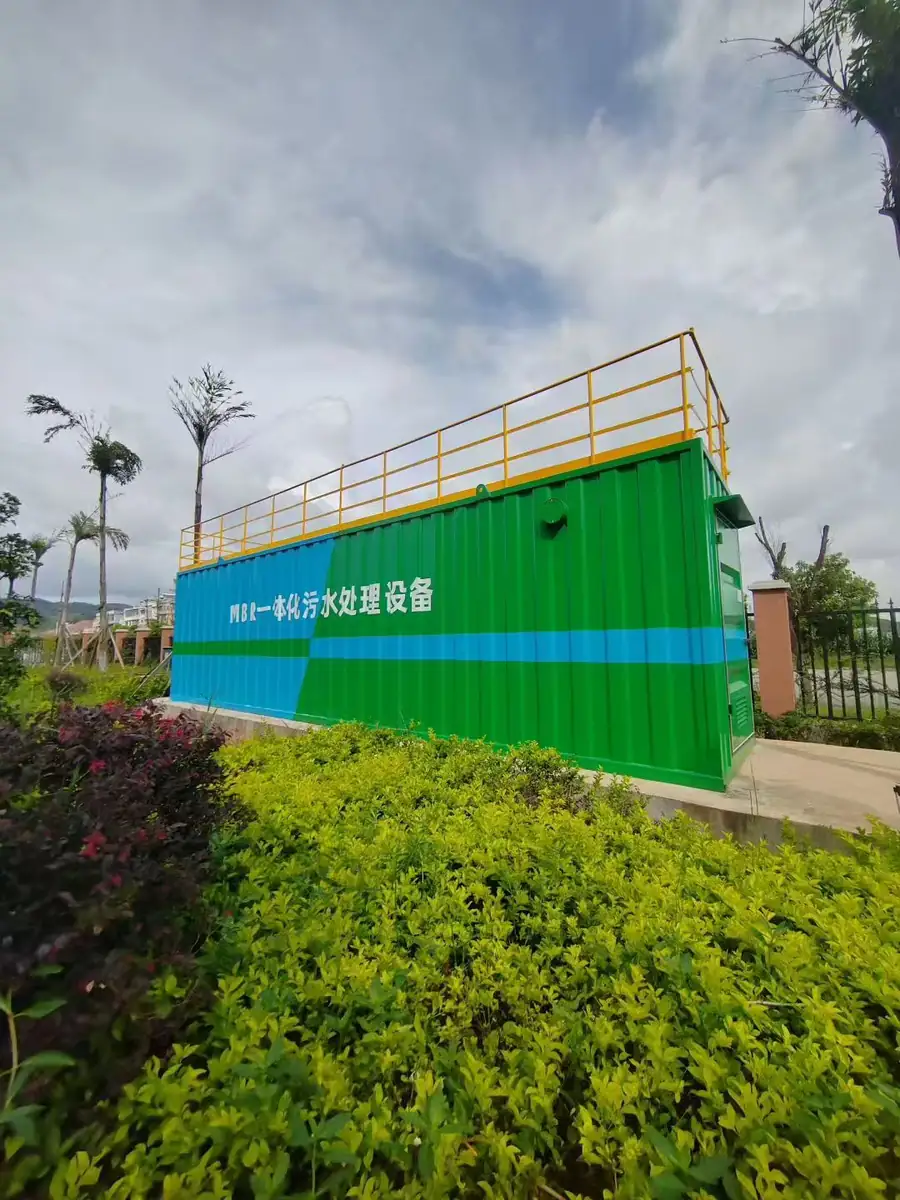
Reported on 7 September 2026, the Athens Water Supply and Sewerage Company and the National Technical University of Athens have opened a sewer-mining facility in Markopoulo, Greece, that pairs a membrane bioreactor with ultraviolet disinfection, solar power and digital monitoring to produce reclaimed water for irrigating urban green areas. The Markopoulo plant is the most advanced of two pilots; an earlier Metamorfosi unit was identified as the first sewer-mining application in Greece, and the Goudi Park nursery installation met unrestricted irrigation standards. The pilots are demonstrations, not network replacements, and the university's research programme runs through 2028. For treatment-plant operators, the project points to packaged MBR-plus-UV satellite systems as a procurement path for non-potable reuse in water-stressed cities.
2026-09-14On 9 September 2026, the National Research Foundation of Korea announced that a team at Hankyong National University led by Professor Noh Ho-jung has published a side-by-side comparison of organic–inorganic composite fouling on alumina ceramic and PES polymer membranes in real semiconductor wastewater, in the journal Desalination. Both materials were fouled mainly by silica–protein and metal ion–organic complexes, but ceramic flux fell to about one-third of the polymer flux because iron ions adsorb to Al–OH groups on ceramic surfaces and then accumulate humic substances. For plant managers and procurement leads, the work reframes ceramic-versus-polymer selection as a feed-chemistry decision and sharpens the case for tuning front-end iron, silica and organic removal ahead of UF and RO.
2026-09-14Richfield, Minnesota's City Council approved spending nearly $190,000 on an HDR Engineering feasibility study for the city's 1963 water treatment plant, according to a report published 31 August 2026. The study will compare rehabilitation, replacement, status quo and decommissioning, and will model rate impacts and financing before returning to council in March. For plant managers and procurement leads, the decision is a procurement signal: a small Midwestern utility is moving from planning to a formal engineering assessment of an aging conventional lime-softening and filtration train, with a bulk-purchase alternative on the table.
2026-09-14Get a free consultation and customized quote from our engineering team.