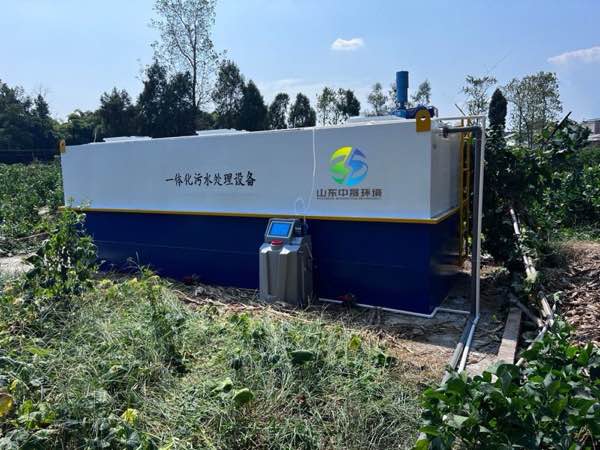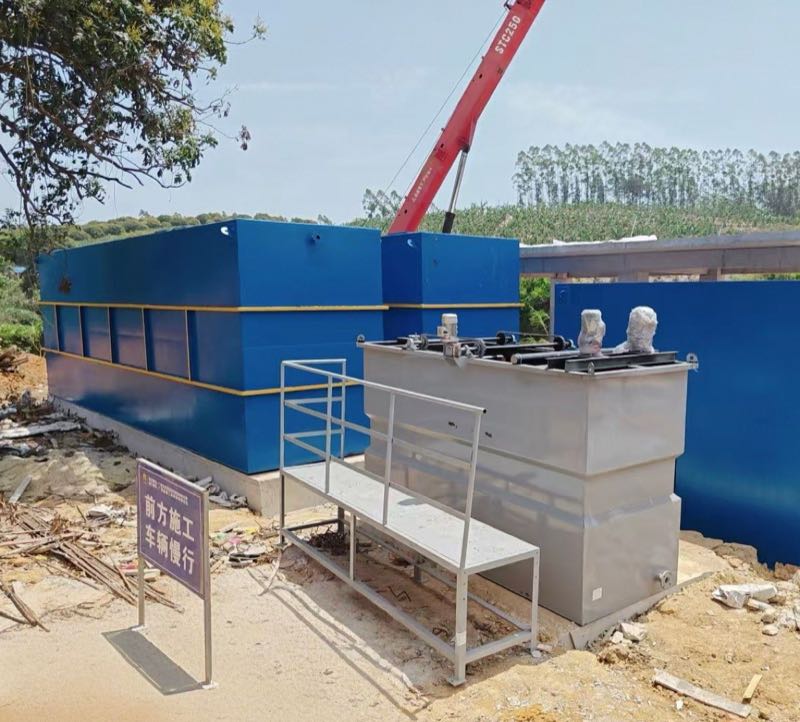
Proposed treatment for mixed domestic and poultry-processing wastewater, subject to source data, reuse requirements and effluent standards.
Project Background
The client-supplied design basis is approximately 500 m³/d for combined domestic sewage and poultry-processing wastewater, including blood, gut and feather streams. The two streams may not yet be mixed, and representative water quality, peak drainage, slaughter throughput, pretreatment, reuse criteria and discharge route are required before the treatment train and final equipment size can be fixed.
Our Solution
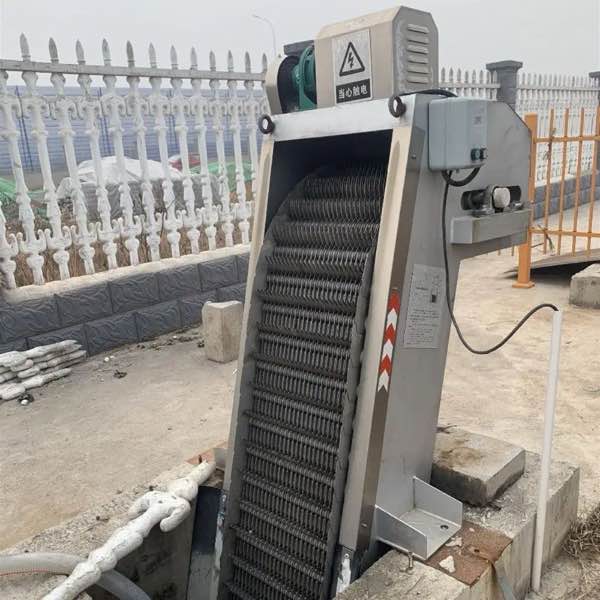
We propose source segregation, rotary screening, equalisation, grease control, chemical dosing where needed, dissolved air flotation, biological treatment with an MBR, and final filtration and disinfection selected against the intended reuse application. Source separation can divert blood, gut and feather solids before they dilute or overload the main treatment works. DAF removes floatable fats and suspended material, while the MBR provides biological treatment and membrane solids separation. Excess sludge should be thickened and dewatered, with residuals handled under the applicable waste route. Missing flow, water quality, solids, drainage and reuse data may change the process, equipment sizing and reuse proportion.
What We Asked First
Please confirm whether the stated flow combines both streams, their individual flow shares, daily drainage duration, peak and concentrated discharge conditions, daily slaughter quantity, blood and solid collection arrangements, representative water quality, existing pretreatment, reuse applications, required standards and discharge route.
Proposed Process Train
- 1Source segregation and collection control
- 2rotary mechanical screening
- 3equalisation and grease separation
- 4chemical dosing and dissolved air flotation
- 5biological treatment with membrane bioreactor
- 6filtration and disinfection for intended reuse
- 7sludge thickening, dewatering and controlled disposal
- 8reject-water management
For Similar Projects
Prepare separate and mixed-water samples, drainage and slaughter records, existing process drawings, reuse requirements, utility and site details, and a clearly defined discharge and residual-disposal route.
Ref. A-030. Client identity is withheld under our client-confidentiality policy. Capacity is shown as a capacity class (design value rounded up to the next 5 at its second significant digit).