Wastewater treatment expert: +86-181-0655-2851 Get Expert Consultation
HYDROPUREWATER · Industry library

Chemical wastewater
A connected industry library.

Follow chemical production streams into their treatment decisions: recover useful materials, isolate incompatible waste and test the remaining wastewater.

Country coverage & industry connections

Country links count catalog associations, not verified plants or proof that every sub-industry operates there. The right-hand branches are industry references.

Explore the full database →
Country libraryProduction. Water. Treatment.Chemical ManufacturingUnited States · 421United States · 421Iran · 5Iran · 5India · 4India · 4Indonesia · 4Indonesia · 4Saudi Arabia · 4Saudi Arabia · 4Kuwait · 3Kuwait · 3Batch chemicalsBatch chemicalsOrganic chemicalsOrganic chemicalsAcids, alkalis & brinesAcids, alkalis & brinesNitrogen fertilizersNitrogen fertilizersPolymers & coatingsPolymers & coatings
Country links count catalog associations, not verified plants or proof that every sub-industry operates there. The right-hand branches are industry references.
Browse all country libraries
United States421Iran5India4Indonesia4Saudi Arabia4Kuwait3Nigeria3Oman3Pakistan3Canada2Ecuador2Panama2Philippines2Qatar2United Arab Emirates2Argentina1Bahrain1Brazil1China1Dominican Republic1France1Iraq1Japan1Mexico1Morocco1Myanmar1Russia1Rwanda1Senegal1Sri Lanka1Turkey1United Kingdom1Vietnam1Egypt0

Production. Water. Treatment.

Choose a branch, then select a connection. Read what supports it, when it applies and where it stops.

A changing recipe needs a stream inventory, not one assumed wastewater composition.

Production streamWater challengeTreatment / controlBatch changeoverBatch changeoverVariable load & inhibitionVariable load &inhibitionMap & segregate streamsMap & segregate streamsConcentrated side-streamConcentrated side-streamToxic or refractory organicsToxic or refractoryorganicsTargeted pretreatmentTargeted pretreatment
All documented connections
Production streamWater challengeTreatment / controlWhen it applies
Batch chemicals · Batch changeoverVariable load & inhibitionMap & segregate streams

Record each stream before deciding what may be combined.

Include campaign changes and biological inhibition tests.

Equalisation does not destroy toxic compounds.

European Commission; official legislation.gov.uk archive
Batch chemicals · Concentrated side-streamToxic or refractory organicsTargeted pretreatment

Evaluate recovery, adsorption or destruction before biological admission.

Select by identified compounds and treatability trials.

COD alone cannot establish toxicity or treatment success.

European Commission; official legislation.gov.uk archive IFC / World Bank Group
Organic chemicals · Oily process waterOil & floatable solidsOil separation / flotation

Separate the recoverable oily fraction before downstream treatment.

Check phase behaviour and flotation tests.

DAF does not remove all dissolved hydrocarbons.

IFC / World Bank Group IFC / World Bank Group
Organic chemicals · Aromatic process streamVolatile dissolved compoundsRecover volatiles first

Assess separation and controlled stripping before biological treatment.

Collect and treat the stripped gas.

Transfer to air is not pollutant destruction.

IFC / World Bank Group
Acids, alkalis & brines · Acid / caustic rinsingExtreme pHControlled neutralisation

Adjust compatible streams through controlled reagent addition.

Check heat, gas release and chemical compatibility.

Neutralisation can leave a dissolved salt load.

IFC / World Bank Group IFC / World Bank Group
Acids, alkalis & brines · Brine purgeSalts & process impuritiesSegregate & assess recovery

Assess the brine independently of dilute wastewater.

Identify salts, impurities and the concentrate destination.

DAF and ordinary biological treatment do not desalinate.

IFC / World Bank Group European Commission; official legislation.gov.uk archive
Nitrogen fertilizers · Process condensateAmmonia & volatile compoundsRecover & control emissions

Evaluate condensate stripping and process reuse.

Control ammonia in the recovered gas.

Reuse requires the receiving process water quality.

IFC / World Bank Group
Nitrogen fertilizers · Residual nitrogen streamAmmonium & total nitrogenAssess nitrogen removal

Compare physical-chemical recovery and biological nitrogen treatment.

Test inhibition and the actual nitrogen species.

A solids separator alone cannot remove dissolved nitrogen.

IFC / World Bank Group European Commission; official legislation.gov.uk archive
Polymers & coatings · Solvent-based cleaningConcentrated solvent wasteSegregate for recovery

Evaluate solvent reclamation instead of mixing into wash water.

Characterise the solvent and licensed waste route.

US category rules are not universal discharge rules.

US Environmental Protection Agency
Polymers & coatings · Aqueous polymer streamPolymer solids & emulsionsTest separation & sludge handling

Separate suitable solids after identifying monomers and additives.

Verify emulsifier effects and chemical compatibility.

Dissolved monomers need separate assessment; sludge may be hazardous.

IFC / World Bank Group

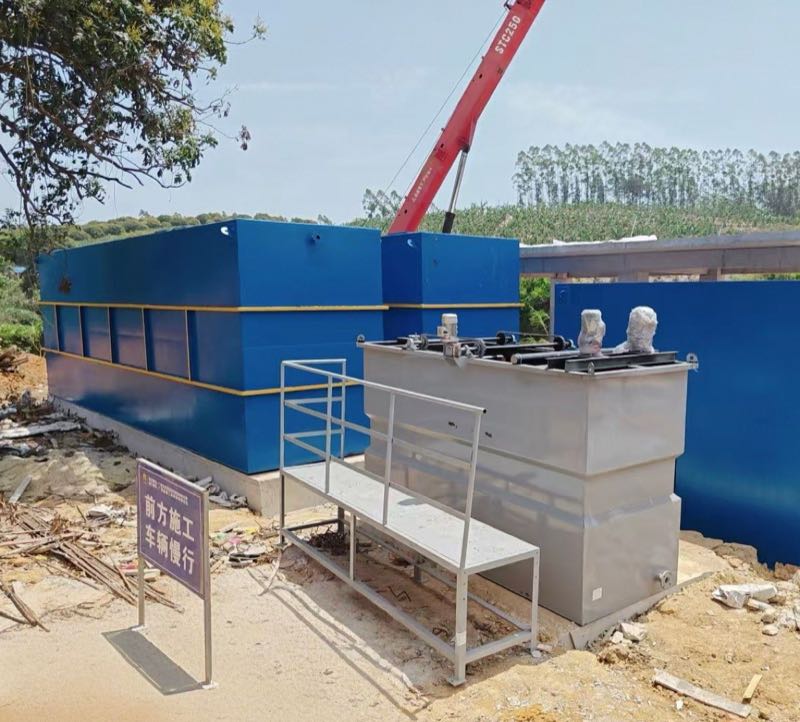
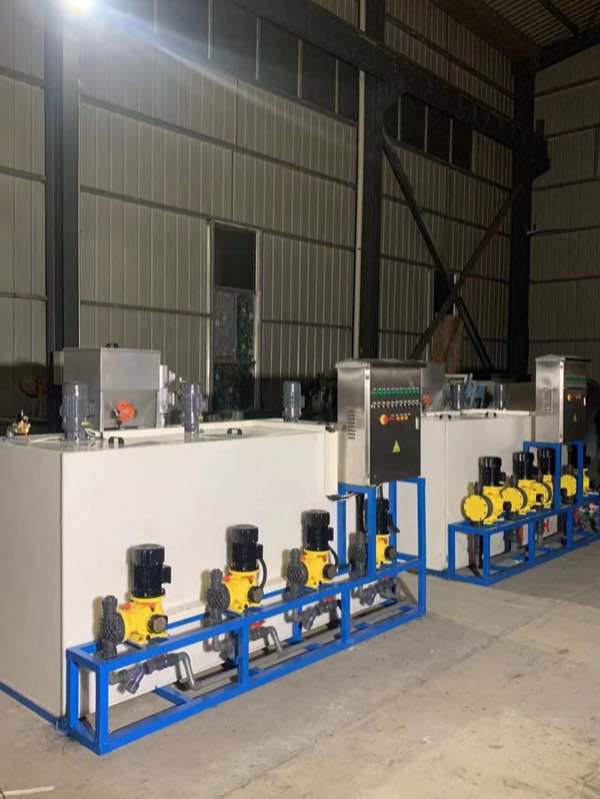
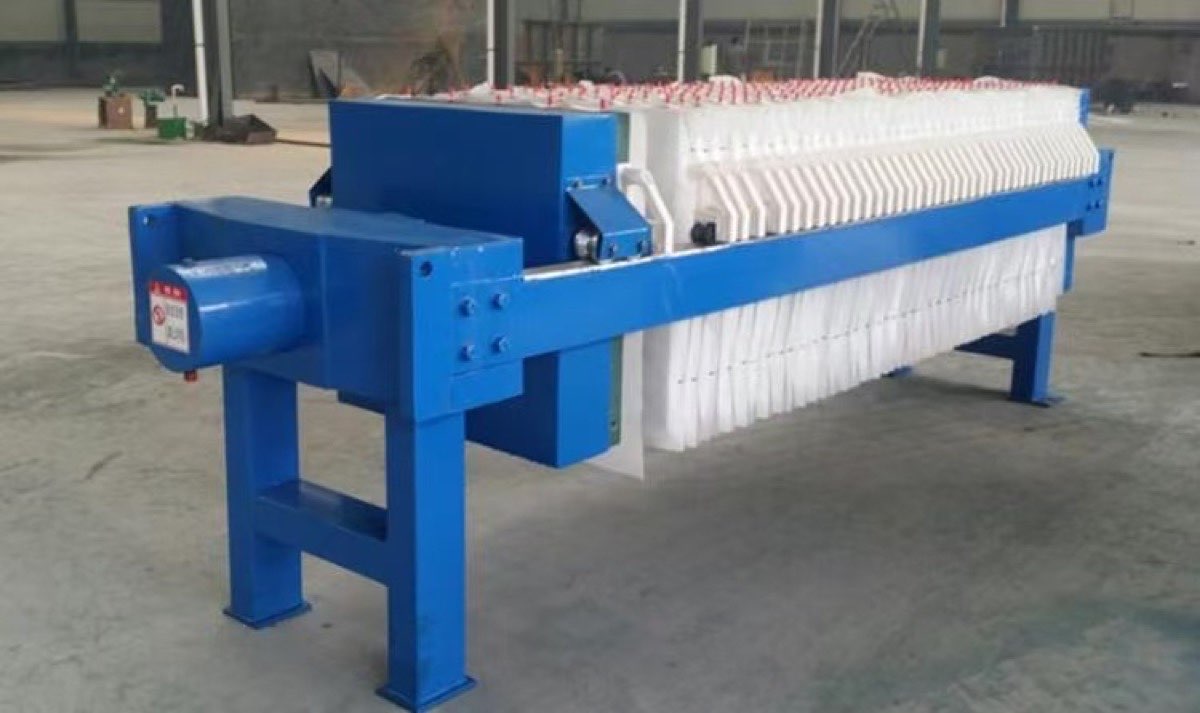
Equipment in context

Equipment follows the treatment duty. Flow, solids, fats, biodegradability and the receiving route still require a site assessment.

Original references

Industry reference, not a plant analysis or national discharge standard. Connections are conditional screening paths. Production chemistry, safety, treatability and the receiving permit determine the design.

Technical references reviewed

Common Waste Water and Waste Gas Treatment/Management Systems in the Chemical Sector — BAT Conclusions

European Commission; official legislation.gov.uk archive · BAT 2; BAT 10–12; Section 6.1 · Printed page BAT technique tables

EU technical reference for covered chemical installations. Referenced here for stream inventories and treatment selection; no BAT emission limits are reproduced or applied globally.

protect the final waste water treatment plant
Read original source ↗
EHS Guidelines for Large Volume Petroleum-based Organic Chemicals Manufacturing

IFC / World Bank Group · 1.1 Environment — Wastewater; Process Wastewater Treatment · Printed page 10–15

GIIP reference for large-volume organic chemicals. Different organic products generate different streams; this is not a plant guarantee.

source segregation and pretreatment of concentrated wastewater streams
Read original source ↗
EHS Guidelines for Large Volume Inorganic Compounds Manufacturing and Coal Tar Distillation

IFC / World Bank Group · 1.1 Environment — Liquid Effluents; Acids Manufacturing; Chlor-Alkali Plants · Printed page 7–10

GIIP reference for the specified inorganic manufacturing processes; acids, brines and metals require process-specific checks.

acidic and caustic effluents
Read original source ↗
EHS Guidelines for Nitrogenous Fertilizer Production

IFC / World Bank Group · 1.1 Environment — Liquid Effluents; Process Wastewater Treatment · Printed page 5–7

GIIP reference for ammonia-based fertilizer production, including recovery and nitrogen treatment. Not a reference for every fertilizer chemistry.

ammonia and nitrogen removal
Read original source ↗
EHS Guidelines for Petroleum-based Polymers Manufacturing

IFC / World Bank Group · 1.1 Environment — Industrial Process Wastewater; Process Wastewater Treatment · Printed page 6–7

GIIP reference for polymer manufacturing. Monomers, emulsifiers and catalysts change the necessary pretreatment.

polymers and other solids
Read original source ↗
Paint Formulating Effluent Guidelines

US Environmental Protection Agency · What is the Paint Formulating Industry?; Zero Discharge Requirement · Printed page Web sections

US process and regulatory context for paint formulation. Its requirements have a specific applicability; no US zero-discharge requirement is assigned to other countries.

Tanks used to produce water-base paint can be washed with water
Read original source ↗
General EHS Guidelines — Wastewater and Ambient Water Quality

IFC / World Bank Group · 1.3 Wastewater Management; Annex 1.3.1 · Printed page 25–32

Cross-industry technical reference for stream separation, treatment and monitoring. Actual permits and receiving conditions must be assessed separately.

Characteristics of individual streams may also be used for source segregation
Read original source ↗

Questions before selecting a treatment

Can one treatment train handle every chemical plant?

No. Start with the production chemistry and separate stream inventory, then test recovery, pretreatment and biological compatibility.

Does neutralisation remove salt?

pH correction and salt removal are different duties. Determine the salt balance and concentrate destination before proposing a separate desalination step.

Why is MBR not assigned to every chemical stream?

Membrane solids separation does not establish biodegradability. Toxicity, solvents, salinity and refractory compounds require testing and possibly separate controls.

Are these limits for my country?

No limit values are supplied here. Establish the plant location, receiving route and current permit before setting discharge targets.

Which samples support equipment selection?

Include representative production batches, cleaning and abnormal streams. Record flow variation, composition, pH, salts, solids and treatability, rather than relying on an article count.

Bring your process into the picture.

Share your country, production stream and available water analysis to assess a suitable treatment train.

Discuss your wastewater →

Chemical Manufacturing — water evidence database

Public guides, reported developments and reviewed evidence. Counts describe this library’s coverage.

Explore relationships
Partial: confirmed material onlyPartial coveragePublic snapshot · UTC+8

Related guides
565
Reported events
1
Reviewed facts
8
Published dossiers
1
Independent sources
2

Guides are article candidates, events are source-supported reports, and facts are reviewed records. Countries and industries overlap; grouped counts cannot be added into a global total.

Country × industry coverage

Select a cell to inspect its records. Coverage measures published material, never market size, factories or local project volume.

Related guides · more published material
Select a cell to inspect its records. Coverage measures published material, never market size, factories or local project volume.
CountryTextileFood & BeverageChemical ManufacturingPharmaceutical ManufacturingOil & GasMunicipal Wastewater
Algeria13—116
Angola33—115
Argentina1511—5
Australia24—1121
Azerbaijan———1——
Bahrain1111—6
Bangladesh101—2—7
Bolivia1—————
Botswana—————1
Brazil1511119
Burkina Faso—1————
Cambodia22—1—6
Cameroon23—1—4
Canada252——27
Chile13—1—6
China5111—1
Colombia14—1—7
Costa Rica11—1—2
Cyprus—————1
Czech Republic—1———2
Denmark—2—1—1
Dominican Republic2211—4
Ecuador1321—5
Egypt420108
El Salvador—————1
Ethiopia33—1—1
Fiji—1———1
Finland—1———1
France1311—9
Germany13—3—8
Ghana23—1—6
Greece—1———1
Hungary—2————
India341745—51
Indonesia11641—15
Iran645118
Iraq131128
Ireland—3———2
Israel11———5
Italy13—1—4
Ivory Coast11—1—4
Japan1111—1
Jordan21—1—6
Kazakhstan11—115
Kenya43—113
Kuwait133—27
Lebanon————1—
Malaysia16—3—16
Mexico4513—17
Mongolia12———1
Montenegro—1————
Morocco6311—9
Mozambique31—1—6
Myanmar2111—5
Namibia—————1
Nepal32—1—1
Netherlands12———2
New Zealand—2———2
Nigeria553117
Norway11———2
Oman223136
Pakistan12330—13
Panama342115
Peru54—1—6
Philippines3321—14
Poland11—1—3
Portugal12———1
Qatar2321—6
Romania—1———2
Russia—211—1
Rwanda2211—3
Saudi Arabia1741215
Senegal2111—4
Singapore11—1—2
South Africa23—1—13
South Korea21———5
Spain13—1—3
Sri Lanka421——4
Sweden11—1—1
Syria—————1
Tajikistan—————1
Tanzania14—1—1
Thailand47—1—10
Turkey4211—1
Turkmenistan31—1—3
Uganda55—1—5
Ukraine—————1
United Arab Emirates232119
United Kingdom1311—20
United States212984213824864
Uzbekistan41—1—4
Vietnam5313—13

A dash means coverage is unknown or unconnected. A verified zero is shown only when the metric scope is known.

Daily public additions

First verified public appearance in this library, by UTC+8 day. Source publication dates do not create historical growth.

Reported eventsReviewed factsPublished dossiersRelated guides
—
—
—
—
—
—

History is accumulating. Missing or failed days remain gaps; a single snapshot cannot establish a trend. Historical baseline and backfill are labelled separately.

Inspect recorded days and changes
Day (UTC+8)Coverage statusnew recordsHistorical backfillRevisedWithdrawnRestored
2026-10-15Partial: confirmed material only—0000
2026-10-16Partial: confirmed material only50000
2026-10-17Partial: confirmed material only20000
2026-10-18Partial: confirmed material only90000
2026-10-19Partial: confirmed material only60000
2026-10-20Partial: confirmed material only50000
2026-10-21Partial: confirmed material only50000
2026-10-22Partial: confirmed material only50000
2026-10-23Partial: confirmed material only20000
2026-10-24Partial: confirmed material only20000
2026-10-25Partial: confirmed material only50000
2026-10-26Partial: confirmed material only60800
2026-10-27Partial: confirmed material only60000
2026-10-28Partial: confirmed material only30000
2026-10-29Partial: confirmed material only10000
2026-10-30Partial: confirmed material only10000
2026-10-31Partial: confirmed material only10000
2026-11-01Partial: confirmed material only30000
2026-11-02Partial: confirmed material only40000
2026-11-03Partial: confirmed material only40000
2026-11-04Partial: confirmed material only30000
2026-11-05Partial: confirmed material only30000
2026-11-06Partial: confirmed material only60000
2026-11-07Partial: confirmed material only30000
2026-11-08Partial: confirmed material only50000
2026-11-09Partial: confirmed material only40000
2026-11-10Partial: confirmed material only60000
2026-11-11Partial: confirmed material only20000
2026-11-12Partial: confirmed material only40000
2026-11-13Partial: confirmed material only—0000
2026-11-14Partial: confirmed material only20000
2026-11-15Partial: confirmed material only20000
2026-11-16Partial: confirmed material only30000
2026-11-17Partial: confirmed material only51000
2026-11-18Partial: confirmed material only130000
2026-11-19Partial: confirmed material only10000
2026-11-20Partial: confirmed material only30000
2026-11-21Partial: confirmed material only10000
2026-11-22Partial: confirmed material only30000
2026-11-23Partial: confirmed material only10000
2026-11-24Partial: confirmed material only—0000
2026-11-25Partial: confirmed material only—0000
2026-11-26Partial: confirmed material only—0000
2026-11-27Partial: confirmed material only—0000
2026-11-28Partial: confirmed material only—0000

Current sources and reviewed facts

Two separate stocks at the published watermark. No historical stock line is reconstructed from article dates.

Current snapshot only
Independent sources2
Reviewed facts8

Record explorer

Inspect the records behind the selected coverage or day. Source links open the original publisher.

Record typeRecordCountryFirst public verificationEvidence
Guide candidateCoal-Chemical Wastewater Membrane Concentration for Water ReuseEnglish source titleCountry scope not reported2026-11-23 16:15Open the record for its evidence
Guide candidateChemical Plant Pretreatment for North Little Rock Sewer ComplianceEnglish source titleUnited States2026-11-22 15:19Open the record for its evidence
Guide candidateMBR vs Activated Sludge for La Porte Chemical WastewaterEnglish source titleUnited States2026-11-22 15:19Open the record for its evidence
Guide candidateMBR vs Activated Sludge for Industrial Organic WastewaterEnglish source titleUnited States2026-11-22 15:19Open the record for its evidence
Guide candidateChemical Plant Pretreatment for Lyndhurst Sewer DischargesEnglish source titleUnited States2026-11-21 15:32Open the record for its evidence
Guide candidateChemical Plant Pretreatment Limits Before Sewer DischargeEnglish source titleUnited States2026-11-20 15:24Open the record for its evidence
Guide candidateChemical Plant Pretreatment Limits Near South Glens FallsEnglish source titleUnited States2026-11-20 15:24Open the record for its evidence
Guide candidateMBR vs Activated Sludge for Chemical Wastewater: Which to BuyEnglish source titleUnited States2026-11-20 15:24Open the record for its evidence
Guide candidateMBR vs Activated Sludge for Chemical Wastewater: A Decision MatrixEnglish source titleCountry scope not reported2026-11-19 15:35Open the record for its evidence
Guide candidateChemical Plant Wastewater Pretreatment Near Sumter, SCEnglish source titleUnited States2026-11-18 16:36Open the record for its evidence
Guide candidateChemical Plant Pretreatment for Sewer Discharge LimitsEnglish source titleUnited States2026-11-18 16:36Open the record for its evidence
Guide candidateDAF vs. Clarifier for Chemical Wastewater: 2026 GuideEnglish source titleUnited States2026-11-18 16:36Open the record for its evidence

Related guides

Technical and news articles provide reading paths and candidate associations; they do not prove a local project or reviewed fact.

More country-specific reading is available through the country links in the coverage table.

Recent reported developments

Source publication and first public verification are separate dates. Reported developments remain observations.

Source published

A chemical manufacturer in Java commissioned a membrane-based system that treats high-strength industrial wastewater, removes ammonia, and recovers ammonium sulfate fertilizer.

Inspect original excerpt
Shanghai QILEE Environmental Equipment Co., Ltd. announced the successful commissioning and operational validation of its skid-mounted PTFE membrane ammonia removal system for a major chemical manufacturer based in Java, Indonesia. The newly installed installation processes 120 cubic meters per day (120 m³/d) of high-strength industrial wastewater, reducing influent ammonia nitrogen concentrations from peaks of 2,500 mg/L down to compliant discharge levels of 15 mg/L or less, while generating high-purity ammonium sulfate solution for the regional agricultural sector.
Original source

First public verification: 2026-11-17 14:46

Comparable water samples

Compare only matching parameter, unit, water stage and scope. Individual facility samples never represent a national average or a continuous water-quality trend.

No group of at least two comparable, reviewed samples is available. Read individual evidence in the published dossiers.

Move from evidence to a treatment discussion

Carry the selected country and industry into your enquiry. Confirm influent conditions, discharge destination and operating scope with the engineering team.

Snapshot scope and provenance
Version
bd346034de15d388c58396f9be55fcc0b73e7e3f0805b301775dd1f86e1641ef
Industry classification version
2026-10-15.1
Reviewed foundation version
20261015T105811-e19facf957c3
Observation version
abfa861e74aecc77ea9868b3a7cd0d5798b4ef8727c58e74be886121e4ccb3a0
Public coverage watermark
5a11f8fbef38fd891bc1591a728245cd110d16215dcdece9552c3b98394a826b
Historical baseline cutoff
Not reported

Only caller-frozen public records are counted. Language versions and revisions share a record identity; source versions share the independent source identity.

AI Growth
Contact
Contact Us
Call Us
+86-181-0655-2851
Email Us Get a Quote Contact Us