Choose by wastewater character, not by equipment name
For chemical factory wastewater in Port Arthur, choose dissolved air flotation (DAF) when oils, fats, colloids, or conditioned solids require rapid flotation; choose a gravity or lamella clarifier when the main objective is settling heavier solids at generally lower operating cost. Neither choice should be made from flow rate alone. Characterize the wastewater first, because DAF performance depends on chemical coagulation and flocculation, while clarifier selection depends on settleable-solids loading and sludge handling. A hybrid train may be warranted when the stream contains both buoyant contaminants and heavy solids.
Ecologix Systems’ selection guidance states that wastewater composition, treatment goals, and operating constraints determine whether DAF or a clarifier is appropriate. For a Port Arthur chemical plant, build the wastewater analysis around average and peak flow, peak-to-average variation, oil and grease, suspended solids, settleable solids, colloids, pH, temperature, and constituents that may interfere with coagulation or flotation.
Do not use one grab sample as the design basis. Sampling should represent normal production, cleaning, batch dumps, and upset periods. A single average can conceal the oil surge, particulate load, or chemical dose demand that controls equipment selection.
Separate primary separation from downstream polishing. DAF is associated with buoyant oils and conditioned solids. A lamella clarifier uses gravity sedimentation and is more appropriate when heavier solids dominate. If both contaminant groups are material, the treatment train may need DAF followed by clarification rather than one overloaded separator.
| Wastewater finding | Primary equipment direction | Decision to verify |
|---|---|---|
| Oil and grease or other buoyant contaminants are significant | Evaluate an industrial DAF system | Can representative samples be conditioned and floated reliably? |
| Heavy, readily settleable solids dominate | Evaluate a lamella clarifier | Can the sludge be withdrawn and routed without resuspension? |
| Both contaminant groups are material | Evaluate a DAF-clarifier hybrid | Which unit should receive the oil-rich load, and which should perform solids polishing? |
| Colloids or poorly floatable fine solids dominate | DAF with conditioned feed, or another polishing step | What chemical recipe and mixing energy produce acceptable floc? |
| Flow and composition vary sharply by operating mode | Consider equalization and off-spec isolation | Which events must be handled continuously and which can be isolated? |
How the two separation mechanisms handle chemical wastewater
DAF separates material by buoyancy, while a clarifier separates it by gravity. Clearwater Industries describes DAF microbubbles as 30–50 microns in diameter; the bubbles attach to or carry suspended material to the surface, where a skimmer removes the float. A clarifier instead relies on heavier solids settling into a collection zone for bottom sludge withdrawal.
That distinction determines how each unit fails. In DAF, a poorly conditioned floc may not contact bubbles effectively or may break apart before skimming. In a clarifier, light material may remain suspended, while settled solids can resuspend if withdrawal, surface velocity, or upset flow is poorly managed.
Clearwater Industries states that DAF should be paired with proper chemical coagulation and flocculation to optimize performance. Conditioning increases particle size and improves contact with the microbubbles. That does not mean every DAF application requires the same chemical recipe. Coagulant and flocculant selection depends on the wastewater constituents, desired solids properties, downstream treatment, and resulting sludge.
For a chemical factory, conditioning quality can therefore matter as much as the flotation vessel. The basis of design should identify the chemicals to be dosed, mixing requirements, expected dose-control range, chemical compatibility, and consequences of overfeed. An automatic chemical dosing system becomes relevant where the DAF package includes controlled coagulant, flocculant, pH adjustment, or specialty chemical injection.
Keep the physical separator distinct from biological treatment. The academic work “Combining Dissolved Air Flotation (DAF) and Modified Moving Bed Biofilm Reactors (MMBBR) for Synthetic Oily Wastewater Treatment,” published by Elsevier BV, treats oily wastewater as a combined physical and biological treatment concept. The supplied source does not expose enough verified operating detail or numerical performance to support quantitative claims for a Port Arthur application.
Compare DAF and clarifiers for factory procurement
DAF has the stronger functional fit for oils, fats, fine solids, and conditioned colloidal material, while clarifiers have the stronger functional fit for heavier solids and sediment-heavy streams. The comparison must extend beyond this contaminant pairing because chemical demand, utilities, controls, sludge handling, and downstream compatibility determine the practical difference between bids.
Clearwater Industries directly states that DAF should be paired with coagulation and flocculation. Consequently, a DAF bid that excludes chemical conditioning is not comparable with a bid that includes it. Clarifier bids should state whether chemical pretreatment is required to improve settleability or whether the design relies on gravity separation alone.
DAF adds air-generation and chemical-conditioning equipment to the separator, recycle, skimming, and controls. A clarifier shifts more of the design burden toward basin hydraulics, solids capture, structural requirements, and sludge withdrawal. Neither comparison should use assumed unit prices; require each bidder to state its operating assumptions and utility demand.
Ecologix Systems reports that clarifiers generally have lower operating costs, while DAF may be more cost-effective for specific contaminants such as oils. The same source cites 95% oil-and-grease removal for DAF and 70% for a clarifier on the same food-processing wastewater stream. These are application-specific commercial figures, not guarantees for a chemical plant in Port Arthur. Ecologix also reports a mining example in which a clarifier reduced solids by 90% at lower cost; that example demonstrates the heavy-solids case but does not establish performance for a refinery or chemical-factory wastewater.
Both technologies create a concentrated residual stream, but the handling route differs. A clarifier’s main residual is settled sludge; DAF produces floated sludge and may also collect heavier solids in its bottom zone. The bid comparison should therefore include sludge concentration, withdrawal method, storage, transport, and compatibility with plate-and-frame filtration or another dewatering method.
| Procurement criterion | DAF | Clarifier |
|---|---|---|
| Primary separation | Microbubble flotation and surface skimming | Gravity sedimentation and bottom withdrawal |
| Best contaminant fit | Oil, grease, buoyant material, and conditioned fine solids | Heavier solids and sediment |
| Conditioning | Coagulation and flocculation should be evaluated as part of performance | May be unnecessary, or used to improve settleability |
| Main operating additions | Air generation, recycle, chemical dosing, mixing, and skimming | Solids withdrawal, basin operation, and structural upkeep |
| Main residual stream | Floated sludge, with possible heavier bottom solids | Settled sludge |
| Cost direction | May suit oil-specific objectives | Ecologix Systems reports generally lower operating costs |
| Supplier evidence to require | Guarantee basis tied to representative feed, conditioning, and flow range | Settleable-solids loading, sludge concentration, and withdrawal performance |
Size the equipment from peak and variable flows
A defensible DAF or clarifier selection requires both hydraulic flow data and pollutant loads. Ask suppliers to model average and peak hourly flow, production and cleaning schedules, batch dump volumes, minimum flow, and the expected expansion envelope. Equalization and off-spec isolation requirements should be identified before model selection, not added after the separator is chosen.
HydropureWater’s DAF range covers 4–300 m³/h across 13 standard models. That provides a preliminary catalog screen for a chemical factory wastewater system, but it is not a final capacity selection. The selected train must still satisfy the wastewater’s flow profile, solids loading, hydraulic characteristics, conditioning requirements, and downstream obligations.
Clearwater Industries states that its COMPACT DAF handles flows of 66 GPM or less with one skid and uses a modular two-skid arrangement for larger flows. Treat this as a manufacturer-specific configuration example, not a general sizing rule for DAF systems or an automatic selection criterion for Port Arthur.
For a lamella clarifier, define the basis around solids loading and sludge-withdrawal performance. Flow alone does not establish whether the basin can capture the applicable solids inventory or whether the sludge will reach the required concentration. The engineer’s data request should include TSS, oil and grease, oil content, settleable solids, relevant chemical species, and the desired clarified-water quality.
Then define how each unit responds to operating transients. For DAF, the air system, recycle, chemical feed, and skimmer must remain stable across the expected feed variations. For clarification, examine basin performance, carryover, and sludge resuspension during dumps and recovery. A dissolved air flotation system or lamella sedimentation tank should be sized against peak and variable service, with off-spec streams isolated where continuous treatment would compromise the guarantee.
Pilot-test chemical conditioning and separation performance
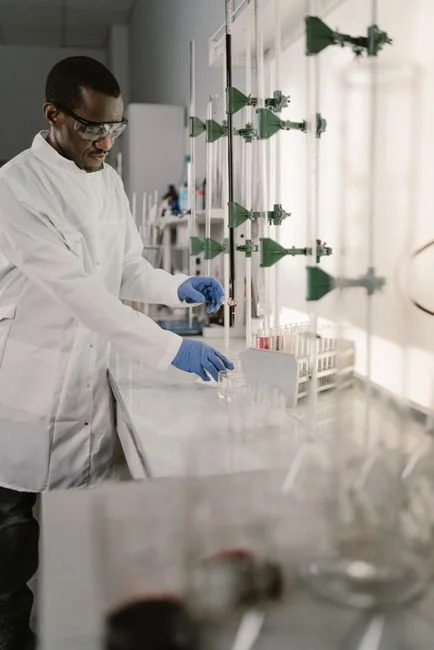
A pilot test should connect wastewater characterization to the final procurement specification. Use representative wastewater from normal production, cleaning, and upset conditions, and identify compatible and incompatible chemical constituents before testing. The purpose is not to create a generic performance claim; it is to determine whether the proposed separation and chemical-conditioning sequence works with the factory’s actual stream.
For DAF, compare chemical-conditioning alternatives using the same wastewater. Evaluate floatability, recovered-water quality, sludge characteristics, chemical consumption, and sensitivity to the identified operating variations. The chemical recipe selected in the pilot should be carried into the performance guarantee and operating manual.
For a clarifier, evaluate settling performance, sludge concentration and withdrawal, resuspension, and the effect of any chemical pretreatment on settleability. If both contaminant classes are material, test a DAF-clarifier sequence. That test establishes the upstream flotation duty and downstream solids duty without forcing one unit to perform a separation it has not demonstrated.
Set acceptance criteria against the client’s discharge point or downstream pretreatment obligation. Ecologix Systems explicitly recommends conducting wastewater analysis and consulting specialists before final selection. A pilot is the practical bridge between those recommendations and a defensible purchase order.
| Test item | DAF trial | Clarifier trial | Hybrid trial |
|---|---|---|---|
| Representative feed | Normal production, cleaning, and upset periods, with constituent compatibility documented | ||
| Separation measure | Float removal, recovered-water quality, and float stability | Settling, carryover, and sludge withdrawal | Sequential performance and intermediate-stream condition |
| Chemical measure | Coagulant and flocculant alternatives, mixing response, consumption | Effect of any pretreatment on settleability | Chemical demand and allocation between treatment steps |
| Sludge measure | Float concentration and dewatering behavior | Bottom-sludge concentration and resuspension | Residual streams, handling route, and downstream compatibility |
| Acceptance basis | Defined discharge or downstream pretreatment obligation, linked to flow and wastewater limits | ||
Control lifecycle cost and supplier risk
Compare bids on the complete operating obligation, not separator purchase price. Require a transparent scope covering the separator, chemical conditioning, pumps, compressors, controls, sludge removal, installation, utilities, commissioning, training, and maintenance. Undefined exclusions can move chemical, sludge-handling, or utility costs into the plant’s operating budget after award.
For DAF, ask the supplier to document chemical consumption and air-system demand under the proposed wastewater and flow basis. For a clarifier, ask for sludge handling assumptions, structural requirements, and the expected withdrawal strategy. Use the market direction supported by Ecologix Systems: clarifiers generally have lower operating costs, while DAF can be more cost-effective where oil removal is the principal objective. Do not convert that statement into a universal cost estimate.
Performance guarantees must state what is covered. Ask whether each applies to TSS, FOG, oil, a flow range, chemical dose, or clarified-water quality, and identify wastewater deviations that void the guarantee. A percentage without a defined feed, conditioning regime, sampling point, flow band, and analytical method is not a procurement guarantee.
Compliance risk belongs in the same review. Require each bidder to address the applicable local permitting, discharge authorization, industrial pretreatment requirements, and downstream treatment constraints. The supplied research does not provide site-specific numeric limits, so the basis of design should incorporate the Port Arthur permit and sewer-pretreatment requirements rather than invented thresholds.
Controls, chemical logistics, and sludge disposal can also create hidden obligations. Where DAF includes PLC-controlled coagulant, flocculant, pH adjustment, or specialty chemical injection, evaluate the automatic chemical dosing system as part of the complete process scope. If the residual requires dewatering, compare the separator’s sludge output with the installed plate-and-frame filter press or the plant’s actual sludge route.
Build a pre-purchase decision checklist
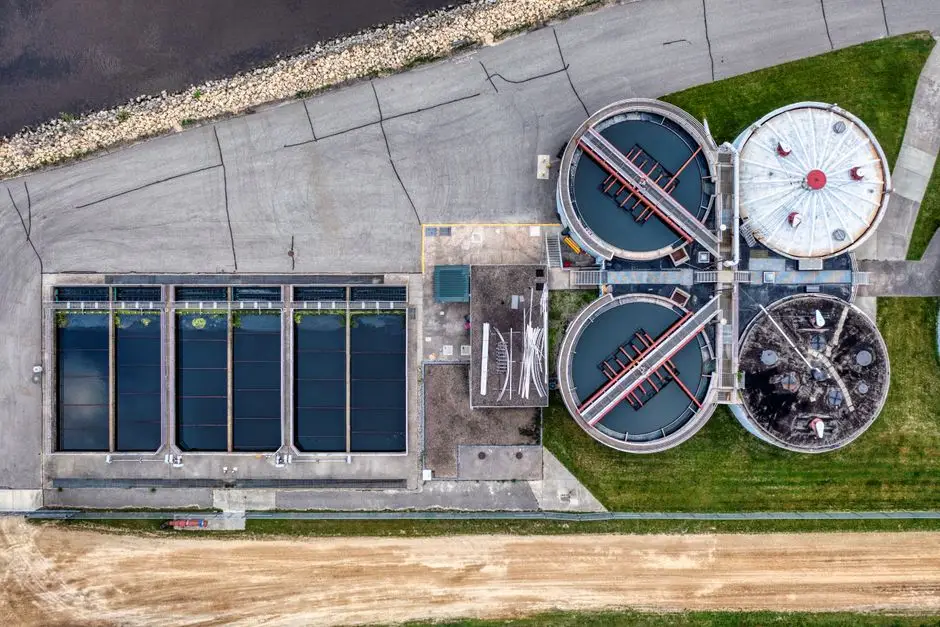
Turn the selection into a controlled sequence before asking suppliers to price equipment:
- Collect representative wastewater analyses, production and cleaning schedules, flow data, and chemical-constituent information.
- Rank the treatment objectives: oil and FOG removal, suspended-solids removal, colloid removal, sludge production, or downstream pretreatment compliance.
- Choose DAF where flotation targets dominate. Choose a clarifier where heavy-solids separation and lower routine operating cost dominate. Test a hybrid where both duties are substantial.
- Issue a common basis to every bidder: representative wastewater, average and peak flow, treatment objective, downstream requirement, pilot criteria, and acceptance method must be identical.
- Require each bid to address chemical compatibility, corrosion protection, controls, utilities, footprint, sludge route, maintenance support, permit interface, and commissioning responsibility.
- Use pilot results to confirm conditioning, separation performance, and the final equipment configuration before award.
That workflow gives operations and procurement a common decision record. It also prevents a commercial removal example from being mistaken for a plant guarantee. For Port Arthur bidders, a DAF-versus-clarifier comparison becomes useful only when both proposals answer the same wastewater and performance questions.
Frequently Asked Questions
Which equipment is generally cheaper to operate: DAF or a clarifier?
Clarifiers generally have lower operating costs, while DAF may be more cost-effective for particular contaminants such as oils, according to Ecologix Systems’ selection guide. Obtain supplier-specific operating assumptions for chemical consumption, utilities, maintenance, and sludge handling rather than using a generic cost comparison.
Can DAF and clarifiers be used together for chemical wastewater?
Yes. A hybrid train can combine DAF oil removal with clarifier sedimentation when both contaminant classes are material. Test the sequence with representative wastewater so the flotation duty and downstream solids duty are supported by data.
What wastewater analysis is needed before selecting a system?
Characterize flow variation, oil and grease, suspended solids, settleable solids, colloids, pH, temperature, and constituents that may interfere with coagulation or flotation. Include samples from normal production, cleaning, and upset periods. Ecologix Systems identifies wastewater analysis and expert consultation as prerequisites for final selection.
How should a Port Arthur factory compare supplier proposals?
Require every bidder to use the same representative wastewater, average and peak flow basis, treatment objectives, downstream requirements, chemical-conditioning assumptions, and acceptance criteria. Separately ask each supplier to state what its guarantee covers and which wastewater deviations void it.
Does a DAF system require chemical treatment?
Clearwater Industries states that DAF should be paired with proper chemical coagulation and flocculation to improve solids size and their contact with microbubbles. The specific recipe must be established through wastewater analysis and pilot testing; it should not be assumed from another factory’s application.