The best DAF unit for industrial wastewater in 2025 balances micro-bubble efficiency (20–50 µm), hydraulic loading rates (5–15 m³/m²·h), and contaminant-specific removal: 92–97% TSS, 85–95% FOG, and 60–80% BOD/COD (EPA 2024 benchmarks). High-rate DAFs reduce footprint by 40% but require precise chemical dosing (±5% pH control). For food processing, textile, or petrochemical applications, match DAF type to influent load—e.g., FPBC systems for low-medium loads (50–500 mg/L TSS) or custom-engineered units for high-strength wastewater (>1,000 mg/L). Costs range from $50,000–$500,000 (CAPEX) with 3–7 year ROI, depending on flow rate and automation level.
Why Industrial Wastewater Needs a DAF Unit: A Data-Driven Case
Industrial wastewater streams often exceed local discharge limits with Total Suspended Solids (TSS) over 500 mg/L and Fats, Oils, and Grease (FOG) exceeding 200 mg/L, necessitating advanced separation technologies to avoid heavy regulatory penalties. Under the Clean Water Act (CWA) 2024 updates, the EPA can levy fines of up to $54,833 per day for non-compliance, while EU Directive 2020/2184 mandates TSS levels below 25 mg/L for direct discharge into water bodies. Beyond compliance, the operational impact of untreated wastewater is significant; high FOG concentrations lead to biofilm buildup in piping, which can increase pump energy consumption by up to 30% due to friction losses.
In high-strength applications like petrochemical or food processing, Chemical Oxygen Demand (COD) often peaks above 1,000 mg/L. Traditional gravity clarifiers frequently fail to manage these loads because the specific gravity of emulsified oils and fine suspended solids is too close to that of water, resulting in poor settling velocities. A Dissolved Air Flotation (DAF) system overcomes this by introducing air bubbles that attach to particles, creating a buoyant "floc" that rises rapidly to the surface.
Real-world performance data highlights the economic justification for DAF integration. For instance, a Malaysian palm oil mill processing 60 tons of fresh fruit bunches per hour implemented a DAF system to treat its effluent. The facility reduced TSS from 800 mg/L to 30 mg/L and FOG from 600 mg/L to less than 15 mg/L. This improvement not only met environmental standards but also reduced downstream sludge disposal costs by 45%, as the recovered oils could be repurposed or sold as low-grade feedstock.
How DAF Systems Work: Bubble Dynamics, Hydraulics, and Flotation Zones
The efficiency of a Dissolved Air Flotation (DAF) system is primarily governed by bubble size distribution, where micro-bubbles in the 20–50 µm range provide the optimal surface-area-to-volume ratio for particle attachment. If bubbles exceed 100 µm, their rising velocity becomes too high, creating turbulence that shears fragile flocs; conversely, bubbles smaller than 10 µm lack the buoyancy to lift heavy industrial solids. To achieve this precise distribution, a portion of the clarified effluent (typically 15–30%) is recycled and saturated with air in a pressure vessel at 4–6 bar (60–90 psi).
The DAF process is divided into three distinct hydraulic zones:
- Contact Zone: Where the recycle stream meets the influent. Sudden pressure release creates a "white water" effect. High-intensity mixing here ensures bubble-particle collision.
- Separation Zone: A calm area where the bubble-floc aggregates rise to the surface. Retention time typically ranges from 15 to 30 minutes.
- Sludge Blanket Zone: The top layer where thickened sludge accumulates. A mechanical skimmer removes this "float" into a discharge hopper, usually maintaining a solids concentration of 3–6%.
Hydraulic loading rates (HLR) are a critical design parameter. While conventional gravity clarifiers operate at 1–3 m³/m²·h, industrial DAF units comfortably handle 5–15 m³/m²·h, significantly reducing the required tank volume. To optimize this, chemical conditioning is essential. Coagulants such as Ferric Chloride (FeCl₃) or Polyaluminum Chloride (PAC) neutralize particle charges, followed by flocculants (anionic polyacrylamide) at 50–200 mg/L dosages to bridge particles into larger masses. This synergy between chemistry and bubble dynamics is what allows DAFs to outperform traditional sedimentation in industrial contexts.
| Parameter | Conventional Clarifier | Industrial DAF Unit | High-Rate DAF |
|---|---|---|---|
| Hydraulic Loading Rate | 1–3 m³/m²·h | 5–15 m³/m²·h | 20–30 m³/m²·h |
| Bubble Size | N/A | 20–50 µm | 15–40 µm |
| TSS Removal Efficiency | 60–80% | 90–97% | 95–99% |
| FOG Removal Efficiency | 40–60% | 85–95% | 98%+ |
| Retention Time | 2–4 Hours | 20–40 Minutes | 10–20 Minutes |
DAF System Types Compared: High-Rate vs. Conventional vs. Custom-Engineered
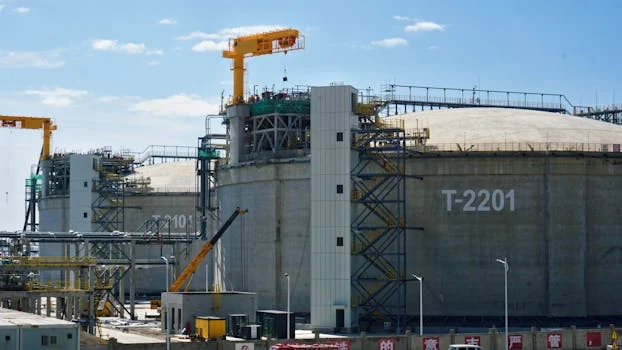
High-rate DAF systems achieve hydraulic loading rates of 20–30 m³/m²·h, allowing for a footprint reduction of up to 40% compared to conventional units, making them the preferred choice for urban food processing plants or space-constrained textile mills. These systems often utilize lamella plate technology within the separation zone to increase the effective surface area, facilitating faster clarification in a smaller tank volume. However, high-rate units require more sophisticated control systems to manage the shorter hydraulic retention times.
Conventional DAF units, operating at 5–15 m³/m²·h, offer a lower CAPEX ($50–150/m³/h) and are easier to maintain due to their simpler open-tank design. They are ideal for medium-load applications such as pulp and paper or municipal pre-treatment where space is not the primary constraint. In contrast, custom-engineered DAFs are built to handle extreme influent conditions, such as TSS concentrations exceeding 1,000 mg/L or highly variable flow rates. These units, often found in petrochemical and mining sectors, may cost $200–500/m³/h but include specialized features like explosion-proof motors and heavy-duty sludge scrapers.
The method of bubble generation also differentiates DAF types. Multistage impeller pumps are common for their ability to generate consistent "white water" without a separate air compressor, while Nikuni-style regenerative turbine pumps are favored for their energy efficiency and ability to handle air-water mixtures without cavitation. Choosing between manual and automatic skimmers is another key decision; while automatic skimmers increase CAPEX, they significantly reduce labor costs and ensure a consistent sludge dry matter content, which is vital for downstream dewatering.
| DAF Type | Typical Application | CAPEX ($/m³/h) | Key Advantage |
|---|---|---|---|
| High-Rate | Urban Food/Dairy | $300–500 | Minimal footprint, high efficiency |
| Conventional | Textile/Pulp & Paper | $50–150 | Low cost, easy maintenance |
| Custom-Engineered | Oil & Gas/Mining | $200–500 | Handles >1,000 mg/L TSS, API compliant |
Industry-Specific DAF Selection Matrix: Which System Fits Your Wastewater?
Selecting the best DAF unit for industrial wastewater requires matching the system's hydraulic capacity and aeration method to the specific chemical oxygen demand (COD) and surfactant levels of the influent. In the food processing sector, particularly meat and dairy, wastewater is characterized by high FOG (200–1,000 mg/L) and moderate TSS. These applications benefit from the DAF system for industrial wastewater, which includes integrated pH control to manage the acidity common in dairy wash-down water and automatic skimmers to handle heavy grease blankets.
Textile manufacturing produces wastewater with high COD (1,500–3,000 mg/L) and significant surfactant concentrations that can interfere with bubble attachment. For these sites, high-rate DAFs paired with advanced automatic chemical dosing for DAF systems are necessary to ensure flocs are robust enough to withstand hydraulic shear. In the petrochemical industry, compliance with API 421 standards is often required, necessitating Dissolved Gas Flotation (DGF) using nitrogen instead of air to prevent explosive atmospheres while removing emulsified oils to below 10 mg/L.
| Industry | Influent Profile | Recommended DAF Type | Critical Feature |
|---|---|---|---|
| Food Processing | High FOG, Variable pH | DAF line / Conventional | pH Control (±5%) |
| Textile | High COD, Dyes | High-Rate DAF | Precise Polymer Dosing |
| Petrochemical | Emulsified Oils, TSS | Custom DGF (Nitrogen) | Explosion-proof (ATEX) |
| Pulp & Paper | High Fiber, High Flow | Lamella-DAF Hybrid | Heavy-duty Skimmers |
| Municipal | Low TSS/FOG | Conventional | Low OPEX / Simplicity |
For operations in specific regions, engineering standards may vary. For example, DAF system benchmarks in South Korea often emphasize high-automation levels and compact designs due to strict land-use regulations. Similarly, food processing wastewater solutions in Qatar must account for high ambient temperatures, which can affect air solubility and necessitate oversized saturation vessels to maintain bubble density.
DAF System Costs in 2025: CAPEX, OPEX, and ROI Breakdown by Region
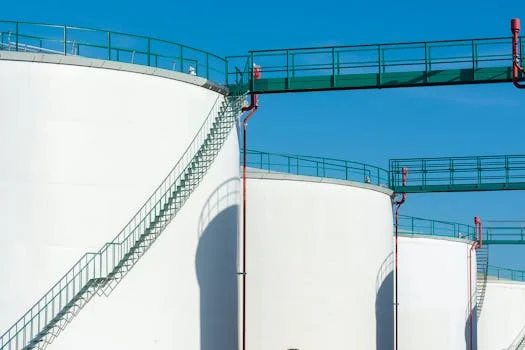
Global CAPEX for industrial DAF systems in 2025 ranges from $50 to $500 per m³/h of treatment capacity, influenced heavily by automation levels and material selection such as 304 or 316 stainless steel. A standard 50 m³/h conventional system typically costs between $75,000 and $125,000, while a high-rate, fully automated unit of the same capacity can exceed $250,000. These figures exclude installation and civil works, which generally add 20–30% to the total project cost.
Operating expenses (OPEX) typically range from $0.10 to $0.50 per m³ of treated water. Energy consumption is the primary driver, with aeration pumps requiring 0.2–0.4 kWh/m³. Chemical costs vary widely: simple TSS removal might only require $0.05/m³ in coagulants, whereas complex textile wastewater requiring specialized polymers can see costs rise to $0.20/m³. Labor and maintenance, including annual seal replacements and monthly sensor calibrations, contribute approximately $0.05–0.10/m³.
| Region | Avg. CAPEX ($/m³/h) | Avg. OPEX ($/m³) | Import Duties/Notes |
|---|---|---|---|
| USA / EU | $300–500 | $0.30–0.50 | High labor cost, strict UL/CE specs |
| China / India | $100–250 | $0.15–0.25 | Local manufacturing advantages |
| Southeast Asia | $150–300 | $0.20–0.35 | Variable duties (5–20%) |
The Return on Investment (ROI) for a DAF system is typically realized within 3 to 7 years. For a medium-sized facility treating 50 m³/h, the savings generated by reducing municipal sewer surcharges (often $2.00–$5.00 per kg of excess TSS/BOD) can pay back the initial investment in under 4 years. many facilities see an additional 10–15% ROI improvement by integrating sludge dewatering, which reduces the volume of waste hauled off-site by up to 80%.
Common DAF System Failures and How to Prevent Them
Operational data indicates that 60% of DAF performance degradation stems from improper chemical conditioning or fluctuations in the saturation pressure of the recycle stream. Bubble collapse is a frequent issue, often signaled by a loss of the "milky" appearance in the contact zone. This is usually caused by a pressure drop below 4 bar or water temperatures exceeding 30°C, which reduces air solubility. Maintaining pressure regulators and installing heat exchangers for high-temperature influent can mitigate these risks.
Floc carryover—where solids escape into the effluent—is another common failure mode. This is typically caused by polymer overdosing, which creates large, heavy flocs that the micro-bubbles cannot lift. Operators should perform daily jar tests to adjust automatic chemical dosing for DAF systems, targeting a floc size of 0.5–2 mm. If the sludge blanket overflows, it is often due to an inadequate skimming frequency or a TSS load that exceeds the design capacity. Increasing the skimmer speed or adding lamella plates can provide a temporary fix, but sustained high loads may require a system upgrade.
Mechanical failures such as pump cavitation and pH drift also plague poorly maintained systems. Cavitation occurs when air leaks into the pump suction line or impellers become clogged with debris; monthly inspections of mechanical seals and impellers are mandatory. Since coagulants like FeCl₃ are highly pH-sensitive, a drift outside the 6.5–7.5 range can cause TSS removal to drop from 95% to below 70%. Installing redundant pH probes with automatic acid/base dosing ensures the chemistry remains within the optimal window for flotation.
Frequently Asked Questions
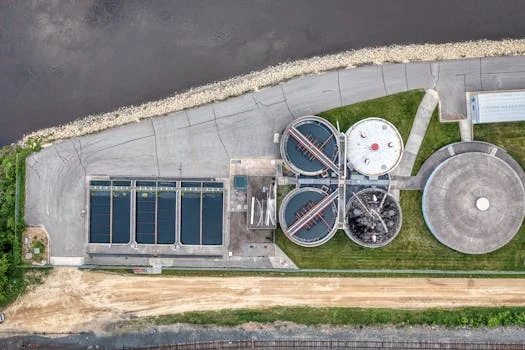
What is the largest DAF system in the world? The DAF installation at the Jebel Ali Sewage Treatment Plant in Dubai is among the largest, designed to handle approximately 300,000 m³/day. It utilizes 12 parallel high-rate units with loading rates exceeding 50 m³/m²·h to manage the high solids load of the region's municipal and industrial mix.
How does DAF compare to clarifiers for industrial wastewater? DAF systems are superior for removing light particles like FOG and fine TSS, achieving 95%+ removal compared to the 50–70% typical of clarifiers. However, clarifiers are often 30% cheaper in CAPEX and are better suited for heavy, inorganic solids (like sand or grit) that do not respond well to flotation.
What is the typical lifespan of a DAF system? With a rigorous maintenance schedule, a stainless steel DAF tank can last 20–25 years. The mechanical components, such as saturation pumps and skimmer drives, typically require major overhauls or replacement every 7–10 years.
Can DAF systems handle heavy metals? Yes, DAF is highly effective for heavy metal removal when combined with chemical precipitation. By adjusting pH to form metal hydroxides (e.g., pH 8.5–9.5 for Copper), a DAF can achieve 90–99% removal of Cu, Zn, and Ni.
What are the alternatives to DAF for industrial wastewater? Common alternatives include MBR integrated wastewater treatment, which offers higher effluent quality but at a much higher CAPEX and OPEX. Other options include Sequencing Batch Reactors (SBR) for biological treatment or emerging technologies like electrocoagulation. For a detailed regional comparison, see the DAF system engineering guide for Australia.