
How MBR and Conventional Activated Sludge Handle Chemical Wastewater
For chemicals wastewater in Terrell, MBR is usually the better fit when the plant needs reuse-quality water, high solids separation, resilient sludge retention, or a compact brownfield installation. Conventional activated sludge can remain economical when the wastewater is stable and readily biodegradable, discharge has adequate headroom, and land is available. The supplied 2026 guide reports MBR at SRT 20–60 days and MLSS 8,000–15,000 mg/L, with TSS below 5 mg/L and a footprint roughly 60% smaller than CAS. Its higher cost and fouling controls must be weighed against sludge reduction, reuse value, and avoided civil expansion.
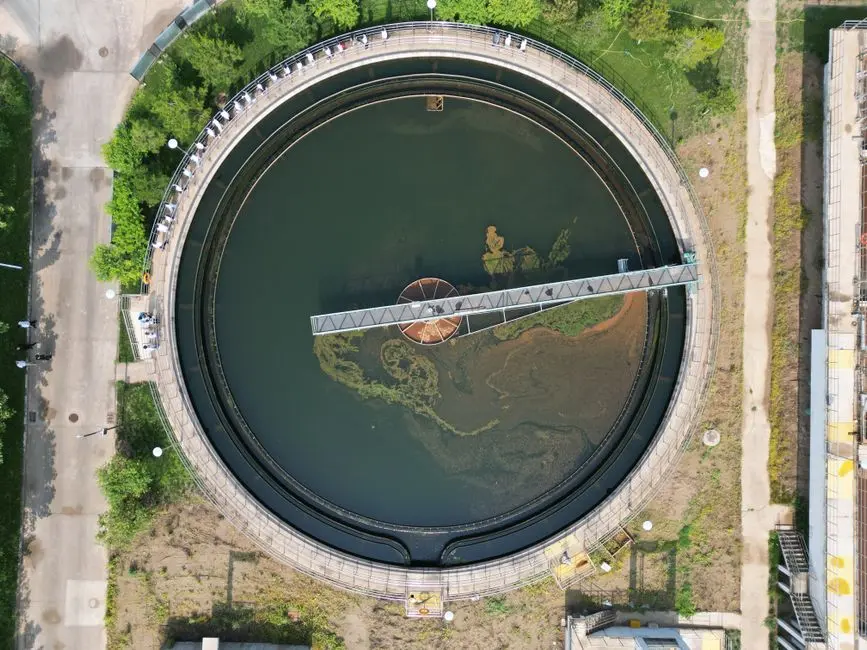
Conventional activated sludge, or CAS, combines an aerated biological basin with a downstream secondary clarifier. The biology removes biodegradable organics and supports other treatment reactions; the clarifier then separates flocculated biomass from treated water by gravity settling. HydropureWater’s 2026 comparison lists typical CAS sludge retention time at 5–15 days and hydraulic retention time at 6–12 hours. CAS performance therefore depends on floc formation and settleability rather than a physical membrane barrier.
An MBR also uses biological treatment, but it integrates submerged membrane separation with the bioreactor. The same 2026 source lists MBR SRT at 20–60 days, MLSS at 8,000–15,000 mg/L, and membrane pores of 0.1–0.4 μm. This arrangement retains biomass regardless of whether it settles well, which is valuable after chemical slugs or during cold-weather settling problems. The 2026 MBR cost-per-m³ calculation guide provides the underlying comparison.
The distinction is mechanical, not magical. MBR improves solids separation and biological retention; the membrane does not independently remove every dissolved chemical. CAS and MBR both require suitable biological conditions and appropriate pretreatment or downstream polishing where dissolved constituents, toxicity, salinity, or reuse quality require it.
Terrell Chemical-Plant Variables That Change the Decision
Terrell-area influent characterization must establish the chemical and hydraulic envelope before either process can be selected responsibly. HydropureWater’s 2026 guide describes a chemical-plant screening context of COD swings of 800–4,000 mg/L, pH excursions, high chloride concentrations, and recalcitrant SVOCs. Those values are not a universal Terrell influent assumption; they identify conditions that require site data and removal of any sustained biological inhibition.
| Variable to confirm | Why it affects the decision | Evidence needed from the site |
|---|---|---|
| COD and BOD | Organic load, biodegradability, and hydraulic loading | Representative and batch-event sampling |
| Ammonia and temperature | Nitrifier performance and required SRT | Seasonal concentrations and temperature record |
| pH, chloride, and TDS | Culture condition, osmotic stress, and possible inhibition | Continuous pH record and ionic analysis |
| Surfactants, solvents, and oils | Fouling, toxicity, and separation risk | Batch-by-batch waste composition |
| Recalcitrant SVOCs | Removal credit and possible polishing need | Compound-specific analysis and disposal route |
| Flow and operating hours | Equalization, peak capacity, and module sizing | Production schedule and diurnal flow data |
Surfactant batches, solvent washdowns, and ammonia shocks can cause bulking, pinpoint floc, or clarifier upset in CAS. In MBR, the same shocks may inhibit biology or accelerate membrane fouling. Equalization is therefore a design question for both systems: it can dilute short-term loads, but it cannot make incompatible chemistry harmless. Confirm whether the chemical-plant pretreatment compliance guide and the DAF-versus-clarifier design guide provide applicable process principles, but neither establishes a Terrell permit limit.
Separate legal compliance from project economics. Identify the discharge recipient, current permit, reuse destination, and required polishing before assigning a preferred process. The supplied research does not establish a Terrell-specific numeric limit, so the current permit and pretreatment requirements must be confirmed with the responsible authority.
Performance, Footprint, and Operating Risk Compared
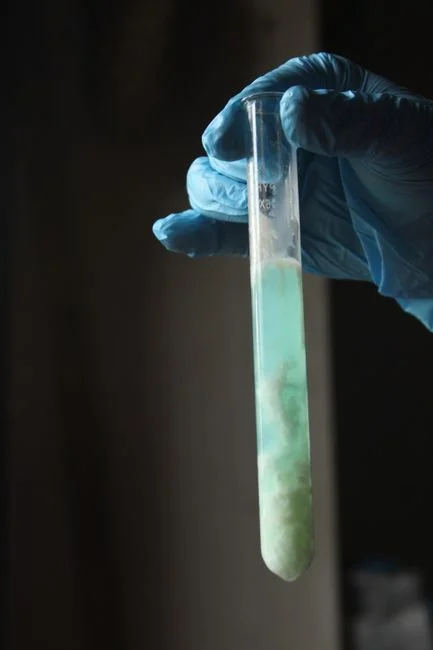
MBR provides a physical solids-separation barrier, while CAS performance falls when sludge settleability deteriorates. HydropureWater’s 2026 guide reports MBR effluent at TSS below 5 mg/L and turbidity below 1 NTU, compared with CAS at 10–30 mg/L TSS at best. Those values describe the comparison basis in the source, not a guarantee for an untested Terrell stream.
The same guide reports that MBR can reduce the treatment-train footprint by roughly 60% because the secondary clarifier and much conventional tertiary filtration can be eliminated. That footprint advantage can matter more than the initial unit price where a brownfield retrofit would otherwise require major civil expansion. An integrated submerged-PVDF MBR treatment system combines biological treatment and membrane filtration in one skid, but its suitability still depends on the site flow profile and influent envelope.
| Parameter | Conventional activated sludge | MBR | Engineering interpretation |
|---|---|---|---|
| Biological SRT | 5–15 days | 20–60 days | Longer SRT can retain slower-growing organisms only if toxicity does not inhibit them |
| Solids separation | Secondary clarifier | Submerged membrane | MBR does not depend on final floc settling |
| TSS | 10–30 mg/L at best | Below 5 mg/L | Reported values from HydropureWater’s 2026 guide |
| Turbidity | Not stated in the supplied comparison | Below 1 NTU | Compare against the actual reuse or permit target |
| Footprint | Baseline | Roughly 60% smaller treatment train | Reported comparison includes clarifier and much tertiary filtration |
| Main barrier | Clarifier and sludge settleability | Membrane fouling and cleaning | The failure modes differ and need different controls |
Higher MBR SRT can support nitrifiers and organisms associated with difficult organics, but a longer SRT cannot compensate for sustained toxicity or incompatible influent. The academic review Membrane bioreactor for wastewater treatment: A review, published by Elsevier in 2021, identifies membrane fouling as a main obstacle to wider MBR application. Chemical compatibility, cleaning chemistry, and recovery-cleaning provisions therefore belong in the procurement specification.
HydropureWater’s 2026 guide gives a maintenance-cleaning example of weekly cleaning with 500–1,000 mg/L NaOCl and semiannual recovery cleaning using citric acid or NaOCl. Those conditions require review against the selected membrane material and chemical-compatibility evidence. Neither MBR nor CAS should be credited with removing dissolved salts, PFAS, or other specific contaminants unless the complete validated train and pilot data support that claim.
Pretreatment and Downstream Polishing Required for Either Option
Equalization and pH control are the shared starting point for both technologies because abrupt pH and load changes can impair biology, damage equipment, or upset solids separation. Add oil-water separation, surfactant removal, toxicity control, or other unit operations only where influent characterization demonstrates a need. The relevant design questions are covered in the chemical-plant pretreatment compliance guide.
For MBR, membrane compatibility is a procurement requirement. Solvent exposure and poorly managed surfactants can affect fouling, cleaning demand, and membrane integrity. Require the supplier to state which constituents are acceptable, how cleaning chemicals interact with the membrane, and what operating response applies if the influent exceeds the specified envelope.
For CAS, define how the secondary clarifier will handle the expected sludge-volume index and settleability. Chemical slugs must be prevented from reaching the biological basin or controlled before they damage the culture. A treatment train that relies on polymer dosing to compensate for repeated clarifier upsets is not equivalent to a robust solids-separation design.
The treatment boundary must remain explicit. The integrated MBR treatment catalog describes filtration below 1 μm and near-reuse-quality effluent. That does not make boiler-feed or other high-purity service automatic: reverse osmosis, ion exchange, or another polishing step may still be required. Where those steps are needed, an industrial reverse-osmosis polishing system may form the downstream train.
Downstream solids handling belongs in either comparison. DAF and chemical dosing may be required upstream, while sludge dewatering and disposal determine the operating burden. A plate-and-frame sludge filter press can be evaluated for dewatering, but disposal route, cake moisture, transport distance, and receiving requirements must be established separately.
2026 Cost Comparison and Lifecycle Break-Even
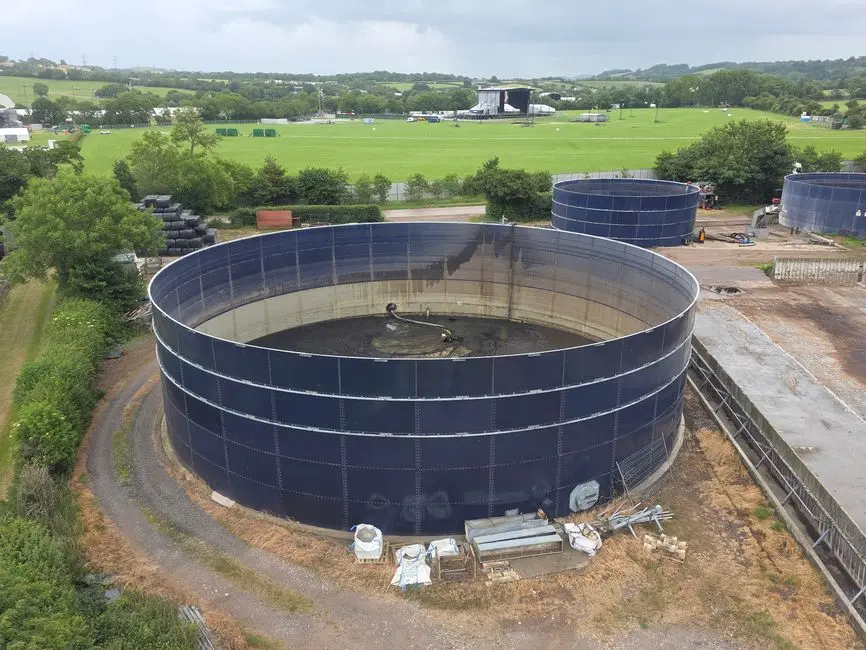
MBR’s higher capital and operating costs must be compared against avoided sludge hauling, avoided tertiary treatment or civil expansion, and the value of reused water. HydropureWater’s 2026 guide gives directional CAS OPEX of $0.15–0.30/m³ and MBR OPEX of $0.25–0.50/m³, depending on the estimate assumptions. These are planning ranges, not quotations for a Terrell installation.
For a 1,000 m³/day chemical stream, the same guide reports MBR CAPEX at roughly 1.4–1.8 times a comparable CAS train and OPEX per cubic meter at 1.2–1.5 times CAS. Membrane scouring adds 0.3–0.6 kWh/m³ above the CAS baseline according to the source. Equipment bids must also state the membrane replacement basis, cleaning frequency, labor, and the energy price used in the lifecycle calculation.
| 2026 planning basis | CAS | MBR | Scope and source |
|---|---|---|---|
| OPEX | $0.15–0.30/m³ | $0.25–0.50/m³ | Directional ranges from HydropureWater’s 2026 guide |
| CAPEX multiple | Baseline | Approximately 1.4–1.8× | 1,000 m³/day chemical-stream comparison in the same guide |
| OPEX multiple | Baseline | Approximately 1.2–1.5× | Per cubic meter treated for the same comparison |
| Scouring energy | Baseline | 0.3–0.6 kWh/m³ above CAS | Scouring aeration stated in the 2026 guide |
| Observed yield | 0.30–0.45 kg VSS/kg COD | 0.10–0.25 kg VSS/kg COD | Reported chemical-stream values in the guide |
| Waste activated sludge | Baseline | 20–40% lower | Relationship reported by the guide |
The apparent sludge saving must be valued using the site’s actual dewatering performance and disposal cost. HydropureWater’s 2026 guide uses a purchased-process-water range of $1.50–3.00/m³ as a directional scenario. Apply that value only to water that actually meets the required quality and displaces purchased water; do not credit theoretical MBR permeate as reuse revenue.
Build the break-even worksheet with annual MBR cost on one side and avoided CAS sludge hauling, avoided tertiary treatment or civil expansion, and avoided purchased water on the other. Add membrane-life and replacement costs to the MBR side. This framework is more defensible than comparing the initial equipment quotation alone.
Choose MBR or CAS Using a Site Decision Tree
The first routing question is the destination and purpose of the treated water. If the objective is cooling, scrubber dilution, or boiler-feed service after polishing, assess MBR because its physical solids separation is closer to the required starting quality. If the objective is basic BOD removal, land is available, and the discharge route has ample headroom, assess CAS.
| Decision sequence | If the answer is yes | Required engineering action |
|---|---|---|
| Is reuse or a stringent solids target required? | Assess MBR | Define the reuse quality and required polishing |
| Do chemical slugs repeatedly impair settling? | Assess MBR | Verify biological compatibility and quantify pretreatment |
| Is the footprint or civil expansion constrained? | Assess MBR | Develop a brownfield layout and outage strategy |
| Is the wastewater stable and readily biodegradable? | Retain CAS as an economic candidate | Confirm land, discharge headroom, and clarifier resilience |
| Does an existing CAS basin have usable capacity? | Assess a hybrid retrofit | Evaluate membrane solids separation as the added stage |
The second routing question addresses operating evidence. Repeatedly impaired settling, limited space, or stringent solids limits favor an MBR-centered assessment, provided biological compatibility is verified. Stable, readily biodegradable wastewater, ample land, adequate discharge headroom, and no reuse value can make CAS the simpler economic option.
For an operating plant with usable CAS basins and a clarifier, a hybrid retrofit can retain biological capacity while adding membrane solids separation where reuse or tighter solids control justifies it. This option still requires a complete performance and hydraulic review; retained equipment does not automatically provide sufficient capacity.
HydropureWater’s 2026 guide recommends an MBR or MBR-retrofit procurement package when the site scores in the MBR column on at least three of five decision rows. Apply that rule as a screening discipline, not as a substitute for design data. Require a pilot or design-basis test before final membrane selection where surfactants, solvents, salinity, or toxicity vary by production campaign. The 2026 MBR-versus-CAS comparison framework provides the decision structure.
What to Request From Wastewater Equipment Vendors
Request a guaranteed flow basis, influent envelope, membrane material, pore size, expected flux, scouring design, cleaning schedule, membrane replacement interval, and stated permeate-quality basis. These are not interchangeable: an outlet turbidity value alone does not establish COD removal, reuse suitability, or compliance.
Ask for separate pricing covering equipment, installation, equalization and pretreatment, controls, sludge handling, chemicals, maintenance, membrane replacement, and operator labor. Require a mass balance for COD removal, solids separation, sludge generation, reuse, and disposal. Ask the supplier to identify every assumption behind its OPEX estimate and to state which costs are excluded.
For the DF-series 0.1 μm PVDF flat-sheet MBR modules, verify whether the proposed 80–225 m² module configuration and 32–135 m³/day output suit the actual Terrell flow profile. Catalog output is not an automatic design selection; check peak flow, redundancy, operating flux, cleaning outage capacity, and train configuration.
Finally, require written guarantees for chemical compatibility, approved cleaning chemicals, performance under the specified influent envelope, and fallback operation during a module or train outage. For a high-consequence reuse or permit application, make these guarantees part of the technical bid rather than relying on narrative sales claims.
Frequently Asked Questions
Which is cheaper for a chemical plant near Terrell, MBR or conventional activated sludge?
CAS has the lower directional cost in HydropureWater’s 2026 guide: $0.15–0.30/m³ OPEX versus $0.25–0.50/m³ for MBR, with MBR CAPEX at roughly 1.4–1.8 times CAS for a 1,000 m³/day comparison. Ask each bidder for the same flow, influent envelope, pretreatment, sludge-disposal, cleaning, labor, and energy assumptions. Use the plant’s actual flow and disposal route to calculate break-even rather than selecting from the ranges alone.
How should MBR modules be sized for a Terrell chemical plant?
Confirm actual average and peak flow, operating hours, batch-event peaks, influent envelope, permeate target, pretreatment, and redundancy before comparing module proposals. Check the proposed 80–225 m² configuration and 32–135 m³/day output against those inputs. Catalog capacity is not a design selection; membrane area, expected flux, scouring, cleaning outage, and train redundancy determine reliable capacity.
Does MBR remove dissolved salts, PFAS, or other dissolved contaminants?
Do not assign that removal credit without a validated treatment train and site-specific data. The membrane’s physical separation can retain biomass and produce low suspended solids, but it does not independently remove every dissolved constituent. Where a contaminant must be removed for discharge or reuse, define the required analytical performance and add appropriate biological, sorptive, membrane, or polishing steps.
What should be confirmed with the permitting authority before purchasing equipment?
Confirm the current discharge recipient, permit conditions, reuse destination, monitoring requirements, and pretreatment obligations; treatment performance is not the same as legal discharge approval. The supplied research does not establish a Terrell-specific numeric limit. Obtain the current permit and written requirements before finalizing the biological, solids-separation, and polishing train.