Industrial Wastewater Discharge Permit Malaysia 2026
The industrial wastewater discharge permit Malaysia 2026 is the Department of Environment licence under the Environmental Quality Act 1974 and the Environmental Quality (Industrial Effluent) Regulations 2009. The Fifth Schedule sets a tighter Standard A column and a looser Standard B column. Act A1712 rewrites the Section 25 penalty text.
The Environmental Quality Act 1974 (Act 127) is the primary pollution-control statute, and DOE administers it. A DOE notice dated 23 January 2026 names the parent ministry as the Ministry of Natural Resources and Environmental Sustainability. Earlier descriptions named the Ministry of Environment and Water (KASA), which is the historical label rather than the 2026 letterhead.
An industrial waste discharge permit in malaysia is the DOE authorization to release treated effluent under the 2009 Regulations. Permits require site inspection, engineering review, and time-limited renewal so DOE can recheck compliance. Section 34A of the Act prohibits discharge of untreated sludge or effluent into inland waters. New plants must hold the permit before discharge starts.
Our step-by-step guide to obtaining a DOE wastewater discharge permit outlines the mandatory process. The Environmental Quality (Sewage and Industrial Effluents) Regulations 1979 still supply procedural context. Typical steps include pre-application consultation, engineering plans, and an EIA for listed activities. Licences stay time-limited so DOE can reassess the plant at renewal.
The same DOE notice, No. 1/2026, puts the Guidelines on Pollution Prevention in Industrial Siting 2025 (PPIS) into force at once. PPIS replaces the Environmental Essentials for Siting of Industries in Malaysia (EESIM) 2017. EIA consultants and project proponents must use PPIS for new development inputs. Permit files we review usually stall on siting notes copied from EESIM, not on the effluent form.
Key Effluent Discharge Limits by Industry
Effluent limits for Malaysian industrial discharges vary by sector and by the receiving-water class named on the licence. DOE enforces concentration caps that tighten near sensitive ecosystems or public water intakes. Core parameters include BOD, COD, suspended solids (SS), pH, and temperature. Licence files we open still mislabel Standard B, so confirm the column before you size.
For general industrial discharges into inland waters, the summary long used on this page is BOD ≤ 50 mg/L, COD ≤ 100 mg/L, and SS ≤ 50 mg/L. The pH must remain between 6.0 and 9.0 at the discharge point; see our pH discharge limit guide for Malaysia for compliance detail. Ammoniacal nitrogen is capped at 15 mg/L for most sectors in that summary, while oil and grease must not exceed 10 mg/L. Discharge temperatures must stay below 40°C to prevent thermal pollution.
Sector schedules in the 2009 Regulations add further controls. Palm oil mills face prescribed total nitrogen and phosphorus limits. Electroplating shops face strict chromium, nickel, cadmium, and zinc caps. For a deeper map of industries in malaysia with high effluent pollution, use the sibling limits guide rather than repeating those lists here.
| Parameter | Standard A Limit (Inland Waters) | Standard B Limit (Sensitive Areas) |
|---|---|---|
| BOD | 50 mg/L | 20 mg/L |
| COD | 100 mg/L | 50 mg/L |
| Suspended Solids (SS) | 50 mg/L | 50 mg/L |
| pH | 6.0 - 9.0 | 6.0 - 9.0 |
| Ammoniacal Nitrogen | 15 mg/L | 10 mg/L |
| Oil & Grease | 10 mg/L | 10 mg/L |
| Temperature | < 40°C | < 40°C |
That table is the summary carried on this page, and it does not match the Fifth Schedule of the Industrial Effluent Regulations 2009. According to the Fifth Schedule, Standard A is BOD 20 mg/L, COD 80 mg/L, suspended solids 50 mg/L, pH 6.0-9.0, ammoniacal nitrogen 10 mg/L, and oil and grease printed as ND. Standard B in the same Schedule is BOD 50 mg/L, COD 200 mg/L, suspended solids 100 mg/L, pH 5.5-9.0, ammoniacal nitrogen 20.0 mg/L, and oil and grease 10 mg/L. Temperature, tested by APHA 2550B, is listed as 40 for both columns, in line with the below 40°C cap.
standard b waste limits under malaysian regulations
According to the Fifth Schedule (2009), Standard B waste limits for BOD over 5 days at 20°C are 50 mg/L, COD 200 mg/L, and suspended solids 100 mg/L. Ammoniacal nitrogen is 20.0 mg/L, oil and grease is 10 mg/L, pH is 5.5-9.0, and temperature is 40.
The table higher up labels Standard B as the sensitive-area column and prints BOD 20 mg/L, COD 50 mg/L, and ammoniacal nitrogen 10 mg/L. Those three cells track Standard A BOD and ammoniacal nitrogen more than Standard B, and they miss the Schedule COD of 80 mg/L. Treat the table as retained background. Files we check still quote that table until the Fifth Schedule is opened.
Oil and grease is 10 mg/L on Standard B and ND on Standard A. pH is 5.5-9.0 on Standard B, not 6.0-9.0 in both columns. Suspended solids are 100 mg/L on Standard B.
When a file only says standard b water discharge malaysia, open that limits page for the full parameter list and keep this page for the permit and the treatment level.
treat water for standard b requirements
Treating water for Standard B requirements starts with secondary biological treatment for the BOD 50 mg/L and COD 200 mg/L caps. Primary DAF or sedimentation handles oil and grease at 10 mg/L and the suspended solids cap of 100 mg/L. Tertiary sand or carbon polishing is added only when a parameter is still high after secondary treatment. A primary-only clarifier is the wrong train for a high-organic factory.
The buyer question final wastewater discharge standard b compliance (malaysia) which level of treatment does it relate to primary, secondary or tertiary ? is a level question. On the Fifth Schedule numbers, Standard B organic compliance relates to secondary treatment. Tertiary relates to the gap that secondary does not close, not to the label Standard B itself. Earlier text tied polishing to a sensitive-area BOD of 20 mg/L, which is the Standard A BOD figure.
A practical train still starts with screens and grit removal, then sedimentation or DAF for solids and FOG. High-organic streams move to secondary units such as SBRs or MBRs. Sand filtration or activated carbon is the tertiary step when the licence demands a residual the biology misses. On a Standard B food waste, the DAF usually runs at a low chemical dose until a festival week doubles the oil load.
A food plant holding oil and grease at ≤ 10 mg/L typically relies on DAF before biology. An electroplating line instead doses chemicals for pH control and metal precipitation, then dewaters the sludge for licensed disposal. Both paths show why compliance is a treatment-level choice, not a sampling paperwork exercise. Inland dumping of that sludge is prohibited.
How Do Waste Water Treatment Works Handle Monitoring and Compliance Limits?
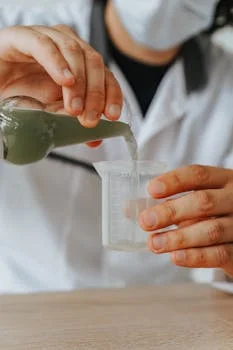
Wastewater treatment works in Malaysia meet DOE compliance limits only with effluent sampling at least quarterly, filed through the Integrated Environmental Quality Information System (IEQIS). Pulp and paper or petrochemical sites may face continuous monitoring on critical parameters. Audits we prepare for start from the IEQIS timestamp, not from a plant walk. IEQIS keeps the audit trail across reporting cycles.
Under Section 25 of the EQA 1974, the earlier penalty cited here was a fine up to RM500,000 or imprisonment, with suspension or revocation on a repeat offence. According to the Environmental Quality (Amendment) Act 2024 (Act A1712), Section 25(3) is imprisonment not exceeding five years and a fine from RM50,000 to RM10 million. Act A1712 received Royal Assent on 27 May 2024, was published in the Gazette on 6 June 2024, and comes into operation on a date the Minister appoints. Facilities must still collect 24-hour composite samples for discharge analysis.
Only a STANDARDS MALAYSIA-accredited lab under MS ISO/IEC 17025 may produce a valid compliance result. A non-accredited report does not count and can trigger penalties. According to Act A1712, Section 16(2) sets a licence-condition fine of RM25,000 to RM250,000, or up to five years, or both, plus RM1,000 for each day after a Director General notice. Wastewater hardware helps only when sampling, the lab, and process control track the licensed column.
Pre-Treatment Requirements for Industrial Facilities
Factories must install on-site pre-treatment before discharge to a public sewer or to the environment, and the technology has to follow the waste. High-efficiency DAF systems are the usual oil tool in food processing and in oil and gas work when the 10 mg/L grease cap drives design. Flow equalization tanks stabilize variable flows and protect downstream units from shock loads, and batch plants we size fill them during clean-down. Electroplating and chemical plants need dosing for pH adjustment and heavy-metal precipitation.
Sludge must be dewatered with automated systems and sent to a licensed disposal facility, because inland dumping is prohibited. Preliminary screens and grit chambers take out coarse solids. Primary sedimentation or DAF cuts suspended solids and FOG, secondary biology handles the organic load, and final polishing protects a point that is still over its limit. For equipment sizing and cost framing on Malaysian projects, see Industrial Wastewater Treatment in Malaysia 2026: Engineering Specs, C.
How Should Plants Track Pipeline Connection Discharge Limits?
Industrial users on a municipal sewer must meet Indah Water Konsortium (IWK) agreement standards and DOE rules together. Watch the pipeline connection agreement and change treatment and chemical dose before a tighter cap lands. Agreement reviews we run often find the IWK number moved while the DOE column did not. Pre-treatment is mandatory before the connection so the public network stays inside both envelopes.
A data-centre cooling blowdown in Malaysia is still judged as an industrial discharge when DOE places it under the effluent rules. Read regulated effluent and wastewater managemnt for the discharge from data centre for that case, and do not treat it as a separate national standard. The permit column on this page stays Standard A or Standard B.
Recent Updates and Future Regulatory Trends
DOE's 23 January 2026 notice is the concrete 2026 change for new plants: PPIS 2025 replaces EESIM 2017 for industrial siting and EIA inputs. In 2020, DOE introduced zero liquid discharge (ZLD) mandates for high-risk sectors to push full water recycling. Pilot programs for real-time effluent monitoring are underway in Selangor and Johor. Those pilots point toward continuous checks rather than a quarterly file alone.
Future rules will likely tighten nitrogen and phosphorus limits to curb eutrophication. Large industrial parks should prepare for circular-economy reuse of treated effluent by 2027. Adopting global effluent reuse standards early is a practical hedge for long-term licences. Reuse trials we review miss ammonia before they miss BOD.
Controls are also widening across the waste lifecycle. Stricter sludge handling, transport, and disposal rules are emerging. DOE is advancing Extended Producer Responsibility policies that hold industries accountable beyond the outfall. Compliance now spans waste minimization, resource recovery, and by-product management.
Who This Is For / Who Should Look Elsewhere / Next Step
This page is for plant managers, EHS officers, and process engineers who need an industrial waste discharge permit in Malaysia and must match the train to Standard A or Standard B. Skip it if you only need a single-parameter page already published beside this one. Next step: confirm the receiving-water class on the licence, map primary, secondary, and tertiary units to the Fifth Schedule column, then book MS ISO/IEC 17025 sampling through IEQIS. Where the permit basis is clear, request a quote for the DAF, clarifier, or dewatering unit that matches the licensed envelope.
Permit file checklist
- Confirm Standard A or Standard B on the licence before using any design number.
- Take BOD, COD, solids, pH, ammoniacal nitrogen, oil and grease, and temperature from the Fifth Schedule.
- Map each miss to primary, secondary, or tertiary, then sample at least quarterly through IEQIS.
- Use an MS ISO/IEC 17025 lab and a 24-hour composite, and log the Act A1712 penalty beside the old RM500,000 figure.
Frequently Asked Questions
What BOD limit applies to industrial effluent in Malaysia?
The Fifth Schedule sets BOD at 20 mg/L for Standard A and 50 mg/L for Standard B, as BOD over 5 days at 20°C. Earlier guidance on this page used BOD ≤ 50 mg/L for inland waters and 20 mg/L for sensitive areas, and that pairing swaps the columns. Use the column printed on the DOE licence. Most plants we size for Standard B still need secondary biology to hold 50 mg/L after a weekend shock.
How often must a licensed plant test its wastewater?
DOE practice described for licensed plants is effluent sampling at least quarterly, with results filed through the Integrated Environmental Quality Information System (IEQIS). Pulp and paper or petrochemical sites may face continuous monitoring for critical parameters. High-risk sites, or sites with a poor compliance history, may be moved to monthly monitoring. Samples for discharge analysis are 24-hour composites, and only a STANDARDS MALAYSIA lab accredited to MS ISO/IEC 17025 can issue a report that counts.
Can a factory discharge treated effluent into a river?
A factory may discharge treated effluent to a river only with a valid DOE permit and effluent that meets the Industrial Effluent Regulations 2009. The permit names the approved location and the conditions. Meeting a copied Standard B table does not replace that permit. Most river files we review fail when the built pipe and the permitted point differ by even one chamber.
What penalty applies if a factory exceeds its effluent limits?
This page earlier cited Section 25 fines up to RM500,000 or imprisonment, with suspension or revocation on a repeat event. Act A1712 substitutes Section 25(3) with imprisonment not exceeding five years and a fine of not less than RM50,000 and not exceeding RM10 million. Amended Section 16(2) sets a licence-condition fine of RM25,000 to RM250,000, or up to five years, or both, plus RM1,000 a day after notice. The amendment starts on a date the Minister appoints.
Do I need pre-treatment before a municipal sewer connection?
Yes, pre-treatment is mandatory before an industrial user connects to a municipal sewer. The same duty applies before a discharge to the environment, and the stream must also meet Indah Water Konsortium (IWK) limits and DOE rules. Adjust the process and the chemical dose before an IWK revision tightens the agreement. Sewer ties we check fail oil and grease first, at the 10 mg/L mark, when a DAF is bypassed for cleaning.