Why Hospital Wastewater in Nice Requires Specialized Treatment
Hospital wastewater in Nice, France, presents a unique and complex treatment challenge that cannot be addressed by standard municipal sewage systems. Unlike domestic wastewater, effluent from medical facilities contains a significantly higher concentration of hazardous contaminants, including resilient pathogens, persistent pharmaceutical residues, and substantial organic loads. Recent data from the WHO Water, Sanitation, Hygiene and Health Unit indicates that hospital wastewater can carry 3 to 10 times higher loads of pathogens such as E. coli, norovirus, and SARS-CoV-2 compared to typical sewage. This necessitates advanced treatment processes and stringent disinfection protocols to protect public health and the sensitive Mediterranean ecosystem.
The presence of pharmaceuticals, including antibiotics, hormones, and contrast agents, is another critical concern. These compounds often pass through conventional treatment plants, posing risks to aquatic life and potentially entering the human food chain. According to a 2024 EU Joint Research Centre report, effective removal of these micropollutants typically requires advanced oxidation processes, such as ozonation or UV/hydrogen peroxide treatment, or advanced membrane filtration technologies like Membrane Bioreactors (MBR). The delicate balance of the Mediterranean Sea means that Nice and the surrounding Côte d'Azur region face particularly strict discharge limits. As highlighted in the EU Directive 91/271/EEC and local regulations, coastal areas typically require effluent with less than 25 mg/L of Total Suspended Solids (TSS) and less than 125 mg/L of Chemical Oxygen Demand (COD), standards that conventional systems often fail to meet consistently.
The consequences of inadequate treatment are severe, as demonstrated by pollution incidents near Nice. For instance, between 2020 and 2023, repeated pollution events in Saint-Laurent-du-Var, attributed in part to insufficient wastewater management from local facilities, resulted in substantial environmental damage and significant financial penalties. These incidents led to fines totaling €1.2 million and mandated immediate upgrades to treatment infrastructure, underscoring the urgent need for specialized, compliant solutions for medical facilities in the region.
EU and Nice-Specific Compliance Requirements for Hospital Wastewater
Ensuring compliance for hospital wastewater treatment in Nice requires a deep understanding of both overarching EU legislation and specific local mandates. The foundational regulation is the EU Urban Waste Water Directive 91/271/EEC, which mandates secondary treatment for all discharges exceeding 2,000 Population Equivalents (PE). However, for sensitive areas, such as the coastal zones around Nice, even stricter standards apply. Local Côte d'Azur discharge limits, as outlined by Nice Métropole in their 2024 guidelines, typically stipulate effluent quality targets of less than 25 mg/L TSS, less than 125 mg/L COD, less than 10 mg/L Biochemical Oxygen Demand (BOD₅), and crucially, fewer than 1,000 Colony Forming Units (CFU) per 100 mL of fecal coliforms. These benchmarks are designed to protect the ecological health of the Mediterranean Sea.
Beyond these general parameters, hospital wastewater treatment must also address specific public health and environmental concerns. The EU Water Framework Directive 2000/60/EC, while broader in scope, emphasizes the need to control hazardous substances, including pharmaceuticals. Consequently, hospital wastewater treatment systems are expected to achieve a 99.9% removal of pathogens (equivalent to a log 3 reduction) and a minimum of 90% removal of common pharmaceutical residues. Disinfection is a critical step in meeting these requirements. While chlorine has been traditionally used, its use in hospital effluent can lead to the formation of harmful disinfection by-products like trihalomethanes (THMs). Therefore, the World Health Organization's Guidelines for Drinking-water Quality (4th ed.) and best practice for hospital wastewater recommend advanced disinfection methods such as chlorine dioxide (ClO₂) or ozone. These methods achieve superior pathogen inactivation with significantly reduced or eliminated formation of undesirable by-products. For chlorine dioxide, residual concentrations in the final effluent must be carefully managed, typically kept below 0.1 mg/L, to prevent aquatic toxicity.
The permitting process for new hospital wastewater treatment systems in Nice is a multi-stage undertaking that requires meticulous planning and documentation. It typically involves submitting detailed engineering specifications, environmental impact assessments, and operational plans to local authorities. The timeline for obtaining the necessary permits can range from 6 to 12 months, a factor that facility managers and procurement teams must incorporate into their project schedules. Failure to adhere to these stringent requirements can result in substantial fines, operational disruptions, and reputational damage, making a proactive and compliant approach essential.
| Parameter | EU Directive 91/271/EEC (Sensitive Areas) | Nice Métropole Local Limits (Coastal) | Hospital-Specific Target | Typical Conventional Effluent | MBR Effluent Target |
|---|---|---|---|---|---|
| TSS (mg/L) | < 25 | < 25 | < 10 | 20-40 | < 1 |
| COD (mg/L) | < 125 | < 125 | < 50 | 40-80 | < 10 |
| BOD₅ (mg/L) | < 25 | < 10 | < 10 | 10-20 | < 5 |
| Fecal Coliforms (CFU/100 mL) | < 1,000 | < 1,000 | < 10 | N/A (post-disinfection) | N/A (post-disinfection) |
| Pathogens (Log Reduction) | N/A | N/A | > 3 (99.9%) | Variable | N/A (post-disinfection) |
| Pharmaceuticals (Removal %) | N/A | N/A | > 90% | Low | Variable (depends on process) |
Hospital Wastewater Treatment Technologies: Engineering Specs and Performance Data
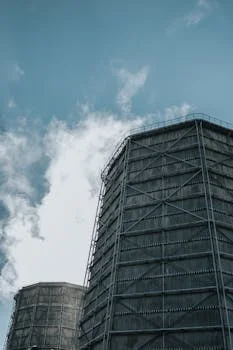
Selecting the appropriate wastewater treatment technology for a hospital in Nice is paramount for achieving stringent compliance, managing operational costs, and ensuring system reliability. Several advanced technologies are particularly well-suited for the complex demands of medical effluent, offering superior performance compared to conventional methods. Membrane Bioreactor (MBR) systems are a leading choice, renowned for their compact footprint and exceptional effluent quality. Utilizing 0.1 μm pore size PVDF membranes, MBRs can consistently achieve TSS levels below 1 mg/L and BOD₅ below 10 mg/L, while also providing a significant level of pathogen removal through physical sieving. This high-quality effluent often approaches reuse standards. The energy consumption for MBRs typically ranges from 0.6 to 1.2 kWh/m³, which is higher than conventional activated sludge but is often offset by the reduced footprint and higher effluent quality.
Dissolved Air Flotation (DAF) systems, such as HydropureWater's, are highly effective for pre-treatment or for hospitals with significant Fats, Oils, and Grease (FOG) loads, common from kitchens and laundries. DAF systems employ micro-bubbles to float suspended solids and FOG to the surface for removal, achieving 90–95% TSS removal and 60–80% COD reduction. These systems are scalable, with the DAF capable of handling flow rates from 4 to 300 m³/h. Conventional activated sludge (A/O process) systems, while offering lower capital expenditure (CAPEX) typically ranging from €50,000 to €150,000 for systems treating 10–50 m³/h, require a larger footprint due to the need for separate secondary clarifiers. Their effluent quality is generally in the range of 20–30 mg/L TSS and 20–40 mg/L BOD₅, which may necessitate further polishing for sensitive coastal discharges.
Effective disinfection is a non-negotiable component of hospital wastewater treatment. On-site chlorine dioxide (ClO₂) generators, like HydropureWater's, are a preferred solution. They can produce ClO₂ on-site in capacities ranging from 50 to 20,000 g/h, ensuring a consistent supply for achieving 99.9% pathogen inactivation without the formation of harmful THMs associated with chlorine. Alternatively, ozone systems offer powerful oxidation and disinfection but typically involve higher CAPEX, ranging from €80,000 to €200,000, and higher energy consumption. For sludge management, efficient dewatering is crucial to reduce disposal volumes and costs. Plate-and-frame filter presses are a robust option, capable of dewatering hospital sludge to 30–40% dry solids, which can reduce disposal expenses by as much as 70%.
| Technology | Typical Flow Rate (m³/h) | Effluent Quality (TSS/COD/BOD₅) | Pathogen Removal | Footprint | Energy Use (kWh/m³) | Key Application |
|---|---|---|---|---|---|---|
| MBR System | 10-200 | <1 / <10 / <5 | High (inherent + disinfection) | Compact | 0.6-1.2 | High-quality effluent, limited space |
| DAF System | 4-300 | 20-30 / 40-70 / 10-20 (pre-treatment) | Moderate (pre-treatment) | Medium | 0.3-0.6 | FOG removal, solids separation |
| Conventional Activated Sludge (A/O) | 10-100+ | 20-30 / 40-80 / 10-20 | Moderate | Large | 0.3-0.5 | Lower CAPEX, large footprint available |
| ClO₂ Generator | N/A (dosing rate) | N/A | 99.9% | Compact | Low (for generation) | Primary disinfection |
| Ozone System | N/A (dosing rate) | N/A | 99.9%+ | Medium | Moderate-High | Advanced oxidation & disinfection |
| Filter Press (Sludge Dewatering) | N/A (batch) | N/A | N/A | Medium | Low | Sludge volume reduction |
Cost Breakdown: Hospital Wastewater Treatment Systems in Nice (2025)
Procurement teams and facility managers in Nice need transparent cost data to make informed decisions about hospital wastewater treatment systems. Capital Expenditure (CAPEX) and Operational Expenditure (OPEX) vary significantly based on the chosen technology and system capacity. For smaller clinics or rural hospitals, package sewage treatment plants (e.g., HydropureWater WSZ Series), treating 1 to 50 m³/h, typically have a CAPEX range of €80,000 to €250,000. Their OPEX, covering energy, maintenance, and chemicals, falls between €0.20 and €0.50 per cubic meter.
Membrane Bioreactor (MBR) systems, ideal for achieving high-quality effluent in limited spaces, for capacities of 10 to 200 m³/h, represent a higher CAPEX investment, ranging from €200,000 to €600,000. However, their OPEX is slightly higher at €0.40 to €0.80/m³, primarily due to increased energy consumption for membrane aeration and pumping. This higher OPEX is often justified by the significantly smaller footprint and the near-reuse quality of the treated water. Dissolved Air Flotation (DAF) systems, such as HydropureWater's, suitable for treating 100 to 300 m³/h, have a CAPEX of €150,000 to €400,000 and a competitive OPEX of €0.15 to €0.30/m³, making them an excellent choice for pre-treatment or managing high FOG loads.
Disinfection systems add to the overall cost. Chlorine dioxide generators (HydropureWater) are a cost-effective disinfection solution with CAPEX between €15,000 and €100,000 and OPEX of €0.05 to €0.10/m³. Ozone systems, while effective, require a higher CAPEX of €80,000 to €200,000 and OPEX of €0.10 to €0.20/m³. Sludge dewatering using filter presses represents a significant cost-saving measure. These systems typically range from €20,000 to €100,000 in CAPEX, and can reduce sludge disposal costs by €50 to €100 per ton of sludge. Key Return on Investment (ROI) drivers include avoiding substantial fines for non-compliance, which can range from €10,000 to €50,000 annually, and the potential for water reuse, such as for irrigation or cooling towers, which can generate further savings.
| System Component | Capacity Range | CAPEX (€) | OPEX (€/m³) | Notes |
|---|---|---|---|---|
| Package Treatment Plant (WSZ Series) | 1–50 m³/h | 80,000–250,000 | 0.20–0.50 | Ideal for small to medium facilities |
| MBR System (DF Series) | 10–200 m³/h | 200,000–600,000 | 0.40–0.80 | High effluent quality, compact |
| DAF System | 100–300 m³/h | 150,000–400,000 | 0.15–0.30 | Excellent for FOG removal |
| ClO₂ Generator | N/A (dosing rate) | 15,000–100,000 | 0.05–0.10 | Cost-effective disinfection |
| Ozone System | N/A (dosing rate) | 80,000–200,000 | 0.10–0.20 | High disinfection power |
| Filter Press (Sludge Dewatering) | N/A (batch) | 20,000–100,000 | (Reduces disposal costs by €50–€100/ton) | Significant OPEX saving |
Zero-Risk Equipment Selection Framework for Nice Hospitals
Reducing procurement risk for hospital wastewater treatment equipment in Nice involves a systematic approach that aligns technical requirements with operational goals and financial constraints. The framework begins with an accurate assessment of the hospital's wastewater volume and characteristics. For small clinics or facilities with low flow rates (under 10 m³/h), a compact compact hospital wastewater treatment system with ozone disinfection (like the WSZ Series) often provides a cost-effective and compliant solution. Medium-sized hospitals (10–100 m³/h) typically benefit from the advanced treatment capabilities of MBR systems or the pre-treatment efficiency of DAF systems. For larger hospital complexes or campuses exceeding 100 m³/h, a hybrid approach, potentially combining DAF for initial solids and FOG removal followed by an MBR or advanced oxidation process, may be necessary.
The next crucial step is defining the effluent quality goals. For discharge into Nice's coastal waters, meeting the <25 mg/L TSS and <125 mg/L COD limits is mandatory. If water reuse is a consideration (e.g., for irrigation or cooling towers), achieving near-potable quality effluent will require advanced technologies such as an MBR system for near-reuse-quality hospital effluent coupled with reverse osmosis (RO) and further disinfection. Evaluating disinfection options is critical; for facilities with high pathogen loads or specific concerns about pharmaceutical residues, on-site on-site chlorine dioxide generator for hospital wastewater disinfection or ozone systems are recommended for their efficacy and safety profiles. Lower-risk effluent might be adequately disinfected with UV or chlorine, but these should be carefully assessed against specific hospital needs and local regulations.
A thorough CAPEX/OPEX trade-off analysis is essential. While technologies like MBRs have higher upfront costs, their smaller footprint, potential for water reuse, and consistent effluent quality can lead to lower long-term operational costs and reduced risk of fines. Conversely, conventional systems may offer lower CAPEX but require more land and potentially higher ongoing operational expenses to meet advanced standards. When planning for future expansion, opting for modular systems, such as MBR units, allows for capacity upgrades without complete system replacement. It is also prudent to include a buffer of at least 20% in capacity planning to accommodate potential increases in patient load, new medical services (e.g., dialysis centers), or evolving regulatory requirements.
Common pitfalls to avoid include underestimating the challenge of removing persistent pharmaceutical residues, neglecting the significant costs associated with sludge disposal, and failing to account for the lengthy permitting timelines (6–12 months in Nice). A well-structured decision matrix, considering these factors, ensures that the chosen equipment is not only compliant and effective but also provides the best long-term value and minimizes operational and financial risks.
| Decision Factor | Considerations for Nice Hospitals | Recommended Technologies |
|---|---|---|
| Hospital Size & Flow Rate | Small Clinic (<10 m³/h) | WSZ Series Package Plants |
| Medium Hospital (10–100 m³/h) | MBR, DAF + Polishing | |
| Large Hospital (>100 m³/h) | DAF + MBR Hybrid, Advanced Oxidation | |
| Effluent Quality Goals | Coastal Discharge (<25 mg/L TSS) | MBR, DAF + Disinfection |
| Water Reuse (Irrigation/Cooling) | MBR + RO + Disinfection | |
| Disinfection Requirements | High Pathogen Load | ClO₂ Generator, Ozone |
| Standard Disinfection | UV, Chlorine (with THM monitoring) | |
| Budget & ROI | Lower CAPEX, Higher OPEX | Conventional Activated Sludge |
| Higher CAPEX, Lower Long-Term OPEX | MBR, DAF + Advanced Disinfection | |
| Footprint Constraints | Limited Space | MBR, Compact Package Plants |
| Future Expansion | Capacity Growth | Modular Systems (e.g., MBR) |
Case Study: Hospital Wastewater Treatment Upgrade in Nice
A significant upgrade was undertaken at a 300-bed hospital in Nice in 2023, which was struggling with an outdated activated sludge system. The existing system was failing to meet stringent EU Directive 91/271/EEC compliance standards, consistently producing effluent with elevated levels of 40 mg/L TSS and 80 mg/L COD, leading to potential non-compliance and environmental concerns for its coastal discharge. To address these issues, the hospital invested in a comprehensive treatment solution comprising a HydropureWater DF Series MBR system coupled with a HydropureWater ClO₂ disinfection unit.
The implementation of the MBR technology dramatically improved effluent quality, reducing TSS to below 1 mg/L and COD to less than 10 mg/L. The integrated ClO₂ disinfection system ensured a 99.9% pathogen removal rate, meeting all local and EU health standards for wastewater discharge. The total CAPEX for this project was €450,000, broken down into €350,000 for the MBR system, €50,000 for the ClO₂ generator, and €50,000 for installation and commissioning. The projected OPEX is €0.60 per cubic meter, comprising €0.40/m³ for energy, €0.10/m³ for chemicals, and €0.10/m³ for maintenance.
The ROI for this upgrade is compelling. The hospital anticipates annual savings of €80,000 due to avoided fines for non-compliance and reduced sludge disposal costs. This leads to a payback period of approximately 5.6 years. Key lessons learned from this project include the significant advantage of the modular MBR design, which allowed for phased installation and minimized disruption to hospital operations. the choice of ClO₂ disinfection effectively eliminated concerns previously associated with THM formation from chlorine use, ensuring a safer and more environmentally sound treatment process.
Frequently Asked Questions
What are the discharge limits for hospital wastewater in Nice?
Hospital effluent discharged into Nice's coastal waters must comply with EU Directive 91/271/EEC and local Nice Métropole 2024 guidelines. Key parameters include effluent limits of less than 25 mg/L TSS, less than 125 mg/L COD, and less than 1,000 CFU/100 mL fecal coliforms. Additionally, pharmaceutical residues require a minimum 90% removal rate, as per the EU Water Framework Directive.
How much does a hospital wastewater treatment system cost in Nice?
Costs vary significantly by technology and capacity. For package treatment plants (1–50 m³/h), CAPEX ranges from €80,000 to €250,000. MBR systems (10–200 m³/h) typically cost between €200,000 and €600,000. DAF systems (100–300 m³/h) are priced from €150,000 to €400,000. Disinfection units, such as chlorine dioxide generators or ozone systems, add an additional CAPEX of €15,000 to €200,000.
What’s the best disinfection method for hospital wastewater?
For hospital wastewater, chlorine dioxide (ClO₂) is considered a gold standard due to its high efficacy in inactivating pathogens (99.9% kill) and its advantage of not forming harmful trihalomethanes (THMs), unlike traditional chlorine. Ozone is also highly effective but involves higher CAPEX (€80,000–€200,000) and greater energy consumption. While UV disinfection is an option, its effectiveness can be reduced in turbid hospital wastewater, often requiring pre-treatment.
Can hospital wastewater be reused in Nice?
Yes, hospital wastewater can be reused, but it requires advanced treatment processes. Systems like MBR coupled with Reverse Osmosis (RO) can produce effluent with very low levels of TSS (<1 mg/L) and COD (<10 mg/L), suitable for non-potable applications such as irrigation, cooling towers, or toilet flushing. Local permitting for reuse typically mandates additional disinfection steps, such as UV or ClO₂ treatment, to ensure safety.
How long does it take to install a hospital wastewater treatment system in Nice?
The permitting process alone can take 6 to 12 months, involving environmental impact assessments and approvals from local authorities. The actual installation timeline varies by system complexity: package plants can be installed in 1–2 months, while MBR or DAF systems may take 3–6 months. Larger, hybrid systems could require 6–12 months for installation and commissioning. Opting for modular system designs can sometimes facilitate a phased installation, minimizing operational downtime.
Related Equipment
- DAF system for high-FOG hospital wastewater pretreatment — view specifications, capacity range, and technical data
Need a customized solution? Request a free quote with your specific flow rate and pollutant parameters.