Understanding Minnesota's Municipal Wastewater Landscape
Minnesota features a diverse network of municipal sewage treatment plants, ranging from large regional facilities like the Metropolitan Council's Metro Plant, which processes over half of the Twin Cities' wastewater, to smaller, decentralized systems serving rural communities. These plants are crucial for public health and environmental protection, operating under strict regulations from the Minnesota Pollution Control Agency (MPCA) and utilizing a mix of conventional and advanced technologies to meet discharge standards. The state manages approximately 800 municipal wastewater treatment systems, which vary significantly in complexity based on the population served and the sensitivity of the receiving water bodies.
The Metropolitan Council Environmental Services (MCES) serves as the largest regional entity in the state, managing a massive infrastructure that includes over 600 miles of regional interceptor sewers. This system collects and treats wastewater from 111 communities, ensuring that the heavy urban density of the Minneapolis-St. Paul area does not compromise the quality of the Mississippi River. In contrast, smaller municipal facilities, such as the City of Otsego’s East Facility (established in 2000) and West Facility (established in 2004), illustrate how growing suburban and rural areas manage localized treatment needs. These smaller plants often utilize mechanical systems or specialized lagoons to handle lower flow volumes while maintaining high effluent quality.
Historically, Minnesota’s approach to sewage has evolved from rudimentary disposal to sophisticated resource recovery. According to a 1947 report from the Minnesota Department of Health, early municipal systems relied heavily on basic septic tanks, Imhoff tanks, and open-air sludge beds. These technologies were designed primarily for solids removal and basic stabilization. As environmental science progressed and the 1972 Clean Water Act introduced more stringent requirements, the state transitioned toward secondary biological treatment and advanced nutrient removal. Today, the focus has shifted from merely "treating waste" to "water resource recovery," where the goal is to reclaim water, energy, and nutrients from the influent stream.
Key Regulatory Framework and Compliance in Minnesota
The Minnesota Pollution Control Agency (MPCA) is the primary regulatory body responsible for issuing and enforcing National Pollutant Discharge Elimination System (NPDES) permits for all municipal sewage treatment plants in the state. These permits establish specific limits on the pollutants that a facility can discharge into surface waters, such as lakes and rivers. Typical NPDES permit requirements for Minnesota municipalities include strict limits on Biochemical Oxygen Demand (BOD), Total Suspended Solids (TSS), and increasingly stringent standards for nutrients like phosphorus and nitrogen. For instance, many facilities discharging into the Mississippi River basin must meet a phosphorus limit of 1.0 mg/L or lower to mitigate algae blooms and protect downstream water quality in Lake Pepin.
Compliance in Minnesota presents unique operational challenges, particularly due to the state's extreme cold climate. Biological treatment processes, which rely on microbial activity, naturally slow down as temperatures drop. Municipal engineers must design systems with longer hydraulic retention times or specialized insulation to maintain nitrification and denitrification rates during winter months. the "Land of 10,000 Lakes" context means that many plants discharge into sensitive, phosphorus-limited ecosystems, requiring advanced tertiary treatment stages to achieve near-zero nutrient output. Failure to maintain these standards can result in significant fines and the requirement for immediate infrastructure upgrades.
Robust monitoring and reporting protocols are mandatory under MPCA guidelines. Municipal operators are required to perform regular sampling of both influent and effluent, submitting Discharge Monitoring Reports (DMRs) to the state. Maintenance of equipment, such as robust rotary mechanical bar screens for headworks, is essential to prevent bypass events or system failures. As regulations tighten, many Minnesota communities are finding that older, conventional systems no longer suffice, leading to a surge in projects aimed at upgrading facilities with modern, high-efficiency technologies that can guarantee compliance even under peak flow or extreme weather conditions.
Modern Treatment Technologies for Minnesota Municipalities
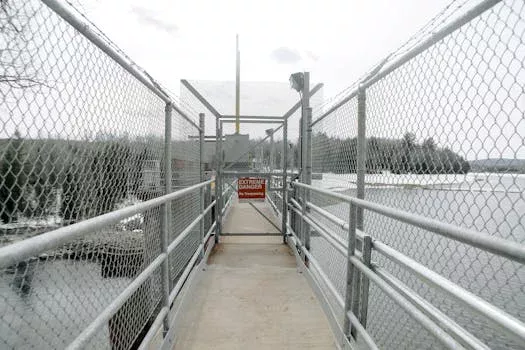
Municipal wastewater treatment in Minnesota is structured into four primary stages: preliminary, primary, secondary, and tertiary processing, each requiring specific mechanical and biological solutions. Preliminary treatment focuses on protecting downstream equipment by removing large debris and grit. Modern facilities often utilize robust rotary mechanical bar screens for headworks to automate the removal of rags and plastics, which significantly reduces maintenance labor and prevents damage to pumps and aeration systems.
Secondary treatment is the core of the municipal process, where biological activity breaks down organic matter. For growing urban areas with limited land availability, advanced MBR membrane bioreactor systems have become a preferred solution. MBR technology combines activated sludge treatment with membrane filtration, eliminating the need for secondary clarifiers and producing an effluent quality that often exceeds state requirements for non-potable reuse. When evaluating upgrades, engineers often perform an MBR vs MBBR for advanced biological treatment analysis to determine if a membrane-based or carrier-based system better suits their specific nutrient removal goals and footprint constraints.
For smaller communities, rural developments, or temporary housing, compact underground package sewage treatment plants offer a decentralized alternative to expensive sewer main extensions. These integrated systems typically use Anoxic/Oxic (A/O) biological contact oxidation, followed by sedimentation and disinfection, all housed within a single modular unit. Their automated controls allow for remote monitoring, which is critical for municipalities with limited on-site staffing. In cases where the influent contains significant fats, oils, or industrial contributions, high-efficiency DAF systems for municipal pretreatment are employed to clarify the water before it enters the biological stage.
Sludge management is the final hurdle in the municipal process. To reduce the volume of waste hauled to landfills or applied to land, facilities use efficient sludge dewatering filter presses. These machines use high-pressure filtration to produce a dry "cake," significantly lowering transportation costs. When selecting a dewatering strategy, managers often benefit from comparing sludge dewatering systems like filter presses to ensure the technology matches the specific solids concentration of their waste stream. Finally, disinfection is achieved through UV systems or reliable chlorine dioxide disinfection generators, which ensure the removal of pathogens like E. coli before the water is safely returned to Minnesota's environment.
| Technology Type | Primary Application in MN | Key Benefit | Typical Effluent Quality |
|---|---|---|---|
| MBR (Membrane Bioreactor) | Urban upgrades & sensitive watersheds | Small footprint; superior nutrient removal | BOD < 5 mg/L; TSS < 1 mg/L |
| Package Plants (WSZ) | Small towns & decentralized sites | Low CAPEX; easy to automate | Meets standard secondary limits |
| DAF (Dissolved Air Flotation) | Industrial pretreatment & algae removal | High removal of FOG and light solids | Up to 95% solids reduction |
| Plate & Frame Filter Press | Sludge dewatering & management | Highest cake dryness (30-40% solids) | N/A (Solids handling) |
| Chlorine Dioxide Generator | Final disinfection | Effective against wide pathogen range | Meets MPCA fecal coliform limits |
Designing and Upgrading Municipal Treatment Plants in MN
Site assessment for Minnesota wastewater projects must account for a 20-year population growth projection and local soil percolation rates to ensure long-term viability. The design process begins with a comprehensive feasibility study that evaluates current influent characteristics, including flow variability and chemical composition. For many Minnesota towns, this means accounting for "Inflow and Infiltration" (I&I) during spring snowmelt, which can double or triple the hydraulic load on a plant in a matter of days. Engineering teams must select technologies that offer high resilience to these hydraulic surges while maintaining consistent biological performance.
The selection of technology is driven by the balance between Capital Expenditure (CAPEX) and Operational Expenditure (OPEX). While advanced systems like MBR may have higher initial costs, their ability to produce high-quality water with a smaller physical footprint often offsets these costs by reducing land acquisition needs and future-proofing the facility against stricter regulations. For smaller-scale projects, looking at package wastewater treatment plant solutions in the USA provides valuable benchmarks for costs and implementation timelines. Modular systems are particularly advantageous for communities with fluctuating populations, as they allow for "plug-and-play" expansion as the community grows.
The project lifecycle, from initial concept to commissioning, involves a complex sequence of engineering design, environmental permitting through the MPCA, and construction. In Minnesota, the construction window is often compressed due to winter weather, making pre-fabricated or modular components highly desirable to reduce on-site labor time. Once construction is complete, operator training is vital. Modern plants are increasingly complex, requiring staff to be proficient in SCADA systems and chemical dosing logic. Funding for these projects often comes from a mix of local municipal bonds, the Minnesota Clean Water Revolving Fund (SRF), and federal grants, making accurate cost estimation and regulatory alignment essential for securing financial support.
Future Trends and Sustainable Practices in Minnesota Wastewater Treatment
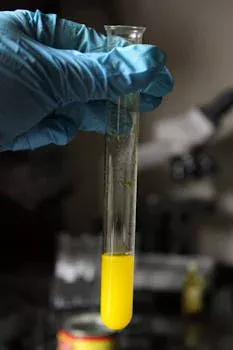
Resource recovery initiatives in Minnesota focus on extracting phosphorus and generating renewable energy from anaerobic digestion processes to transform treatment plants into "water resource recovery facilities." As phosphorus is a finite global resource and a primary pollutant in Minnesota’s waterways, technologies that can recover it in a concentrated form for use as fertilizer are gaining traction. Similarly, larger facilities like the Metro Plant are increasingly utilizing anaerobic digesters to produce biogas, which is then burned to generate heat and electricity for the plant, significantly reducing its carbon footprint and energy costs.
The integration of advanced monitoring and control systems, including the Internet of Things (IoT) and sophisticated SCADA platforms, is another growing trend. These systems allow for predictive maintenance, where sensors detect potential equipment failures—such as a motor strain in a efficient sludge dewatering filter press—before they cause a system shutdown. there is a growing emphasis on water reuse. While Minnesota is water-rich, specific areas face groundwater depletion. Reclaiming treated effluent for industrial cooling, irrigation, or groundwater recharge is becoming a key strategy for long-term climate resilience and water conservation in the state.
Frequently Asked Questions
How many water treatment plants are in Minnesota?Minnesota operates approximately 800 municipal wastewater treatment systems. These range from massive regional facilities to small community stabilization ponds and mechanical plants.
What is the largest municipal wastewater treatment plant in Minnesota?The Metropolitan Wastewater Treatment Plant (Metro Plant) in St. Paul is the largest. It is managed by the Metropolitan Council and treats over 180 million gallons of wastewater per day, serving over 1.8 million people.
What are the main challenges for sewage treatment plants in Minnesota's climate?The primary challenges are cold-weather biological kinetics, which slow down nutrient removal, and high hydraulic loading caused by spring snowmelt and "Inflow and Infiltration" (I&I) into aging sewer lines.
How does the MPCA regulate municipal wastewater discharge?The MPCA issues NPDES permits that set specific limits on pollutants like BOD, TSS, phosphorus, and nitrogen. They also conduct inspections and require regular discharge monitoring reports (DMRs) to ensure compliance with the Clean Water Act.