What Is a Package Wastewater Treatment Plant?
A package wastewater treatment plant is a pre-engineered, compact system designed for rapid deployment, typically serving flows from 1–2,000 m³/day. Unlike traditional stick-built concrete plants that require extensive on-site civil engineering and long construction timelines, these systems are manufactured in a controlled factory environment. They arrive on-site as modular units, often housed in ISO containers or as skid-mounted components, which significantly reduces the footprint required for installation. In Oregon, where topography and sensitive environmental zones often limit construction space, these compact systems provide a viable alternative for decentralized sewage management.
The primary configurations for package plants include Membrane Bioreactor (MBR), Sequencing Batch Reactor (SBR), Anoxic/Aerobic (A/O), and Dissolved Air Flotation (DAF) systems. Each technology is selected based on specific influent characteristics and the required effluent quality. For instance, an NSF 40-compliant buried package wastewater treatment plant like the WSZ series utilizes an A/O process to achieve biological nutrient removal within a single, subsurface tank. This modular construction incorporates factory-tested skids, integrated blowers, and pre-wired control panels, allowing for field installation and commissioning in as little as 30 days.
These systems are particularly effective for remote, seasonal, or space-constrained sites across Oregon’s diverse geography. From coastal towns dealing with salt-air corrosion to high-desert industrial sites in Central Oregon, the modular nature of package plants allows for scalability. As a facility grows, additional units can be added in parallel to increase capacity without the need for a complete system overhaul. This flexibility is essential for EPC contractors and municipal engineers who must account for both current demands and future population projections in rural counties.
Why Oregon Needs Compact Wastewater Solutions
Oregon’s rural communities, including those in Josephine, Curry, and Wallowa counties, frequently manage aging infrastructure with limited operations and maintenance (O&M) budgets, making package plants a cost-effective alternative to traditional expansion. The capital expenditure (CAPEX) for a modular system is often 30-40% lower than a custom-built facility because it eliminates much of the site-specific design and labor costs. the automated nature of modern package plants reduces the requirement for full-time, on-site certified operators, which is a significant advantage for small municipalities with limited staffing resources.
Seasonal tourism in regions like Bend, Cannon Beach, and Florence creates wastewater load spikes that can reach 2–3x the baseline flow during peak summer months. Traditional biological systems often struggle with these rapid fluctuations, leading to permit violations. Modular systems, however, can be designed with multiple "trains" that are brought online or offline based on real-time demand. This ensures that the biological process remains stable and compliant even when the influent volume drops during the off-season. Additionally, the compact footprint of a compact MBR system for high-quality effluent reuse allows resort developers to maximize land use for amenities rather than large-scale utility infrastructure.
The Oregon Department of Environmental Quality (DEQ) enforces strict discharge limits to protect the state’s sensitive watersheds. Standard requirements for many secondary treatment permits include BOD (Biochemical Oxygen Demand) ≤ 30 mg/L, TSS (Total Suspended Solids) ≤ 30 mg/L, and ammonia levels as low as 1.5 mg/L on a 7-day average. Meeting these standards requires high-efficiency aeration and precise solids management. Package plants are engineered to exceed these benchmarks, often delivering effluent with BOD and TSS levels below 10 mg/L, which simplifies the permitting process and reduces the risk of environmental fines.
Climatic resilience is another critical factor in Oregon, where winter temperatures in the Cascades and Eastern regions frequently drop below freezing. Cold-weather performance is maintained through the use of buried or highly insulated units. Subsurface installation allows the system to utilize the earth’s natural geothermal mass to keep internal process temperatures at or above 15°C, even when ambient air temperatures reach -5°C. This prevents the slowing of biological activity that typically plagues surface-level lagoons and open-air clarifiers during Oregon winters.
Top Package Plant Technologies for Oregon Applications
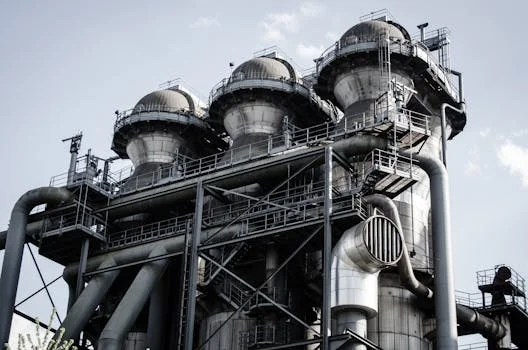
Selecting the optimal wastewater technology in Oregon requires balancing membrane-grade effluent quality with the lower operational complexity of batch or biological systems. The Membrane Bioreactor (MBR) is the current gold standard for projects requiring the highest quality effluent. By combining biological treatment with ultrafiltration membranes, MBR systems deliver effluent with <1 mg/L TSS and significant pathogen reduction. This is particularly valuable for facilities discharging near Willamette River tributaries or those looking to implement onsite irrigation and non-potable reuse. While MBR systems have a higher initial CAPEX, their footprint is up to 60% smaller than conventional activated sludge systems.
The Sequencing Batch Reactor (SBR) is another widely utilized technology in Oregon, particularly for municipal retrofits in areas like Bend. SBRs operate on a timed cycle—fill, react, settle, and decant—within a single tank. This eliminates the need for separate secondary clarifiers and return activated sludge (RAS) pumping. SBRs are highly effective at nutrient removal, specifically nitrogen and phosphorus, making them suitable for areas under Total Maximum Daily Load (TMDL) restrictions. For industrial applications, such as food processing in Tillamook or Hermiston, Dissolved Air Flotation (DAF) systems are essential. DAF units use micro-bubbles to remove fats, oils, and grease (FOG) and suspended solids that would otherwise overwhelm a biological treatment system.
The WSZ series (A/O process) represents a specialized category of underground integrated sewage treatment. These units achieve 95% BOD and 90% TSS reduction by utilizing a combination of anoxic and aerobic zones with internal media for biofilm growth. This "fixed-film" approach makes the system more resilient to toxic shocks and flow variations compared to suspended growth systems. For disinfection, these plants typically integrate Chlorine Dioxide (ClO₂) or Ultraviolet (UV) systems to meet DEQ fecal coliform limits of <200 CFU/100 mL, ensuring the water is safe for discharge or reuse.
| Technology | Primary Oregon Use Case | Effluent Quality (BOD/TSS) | Footprint Requirement | Automation Level |
|---|---|---|---|---|
| MBR | Sensitive watersheds, water reuse | <5 mg/L / <1 mg/L | Very Low | High (PLC/SCADA) |
| SBR | Municipalities with variable flow | <20 mg/L / <20 mg/L | Medium | High |
| A/O (WSZ) | Rural housing, small commercial | <20 mg/L / <20 mg/L | Low (Buried) | Full Auto |
| DAF | Dairy, brewery, meat processing | Pre-treatment (90% FOG) | Low | Medium |
Performance Comparison: Package Plant Types in Oregon Conditions
Membrane Bioreactor (MBR) systems achieve 99% turbidity reduction and 5-log pathogen removal, making them the standard for projects requiring high-quality effluent in sensitive Oregon watersheds. In field operations, an MBR system typically consumes between 1.2 and 1.8 kWh/m³ of treated water, depending on the membrane scouring requirements. While this energy intensity is higher than simpler biological processes, the ability to bypass secondary clarification and tertiary filtration saves significant space and civil costs. For an Oregon EPC contractor, the detailed CAPEX analysis for underground treatment systems shows that MBRs offer the best long-term value when land costs are high or discharge limits are extremely tight (HydropureWater field data, 2025).
In contrast, A/O systems like the WSZ series are designed for simplicity and low energy consumption, typically using only 0.4–0.6 kWh/m³. These systems utilize a buried configuration to maintain process stability. At an ambient temperature of -5°C, a buried WSZ unit can maintain an internal liquor temperature of 15°C without supplemental heating, ensuring that nitrifying bacteria remain active year-round. This is a critical performance metric for regions like the Blue Mountains or the High Desert, where surface-level biological activity often stalls in January and February. The WSZ series can be installed and operational in 30 days, providing a rapid response to failing septic systems or urgent industrial expansions.
For industrial facilities, particularly those in the Oregon food and beverage sector, the performance of a DAF system is measured by its ability to handle high organic loading. A well-configured DAF unit can remove 90–98% of FOG and 80–95% of TSS from influent streams before they reach the municipal sewer or a secondary biological stage. This prevents "surcharge" fees from municipal utilities and protects downstream membranes from fouling. For more information on industrial performance, see this case study on DAF performance in high-FOG industrial applications which highlights the removal efficiencies possible in heavy-load environments.
| Parameter | MBR System | SBR System | WSZ (A/O) Buried | DAF (Pre-treatment) |
|---|---|---|---|---|
| BOD Removal | 98% + | 90–95% | 90–95% | 40–60% |
| TSS Removal | 99% + | 85–90% | 85–90% | 80–95% |
| Nitrogen Removal | Excellent | High | Moderate | Low |
| Cold Resilience | Requires Insulation | Moderate | Excellent (Buried) | Indoor/Insulated |
| Maintenance | Membrane Cleaning | Decanter/Blower | Minimal (Blower) | Chemical/Sludge |
Compliance, Installation, and ROI in Oregon
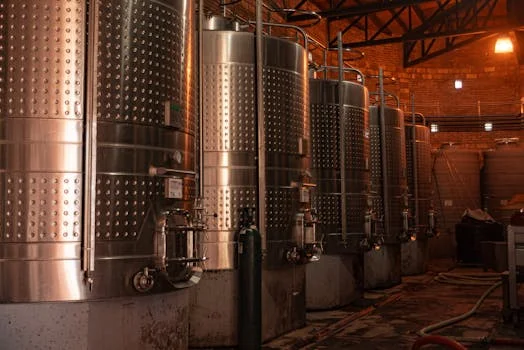
Navigating Oregon Department of Environmental Quality (DEQ) permitting requires systems to meet NSF/ANSI 40 or 245 standards for secondary treatment. Factory-certified package plants streamline this process because the core technology is pre-validated, allowing engineers to focus on site-specific hydraulic loading and discharge points rather than basic process design. For developers, choosing an NSF 40-compliant system can reduce the permitting timeline by several months compared to custom-engineered biological solutions. This regulatory alignment is a key driver for the adoption of package plants in residential developments and commercial clusters across the state.
The financial justification for a package plant often centers on the Return on Investment (ROI) compared to traditional septic or centralized sewer connection costs. In rural Oregon, extending a municipal sewer line can cost upwards of $500 per linear foot; for a remote facility, a package plant pays for itself immediately by avoiding these infrastructure costs. Additionally, the Energy Trust of Oregon offers incentives for high-efficiency aeration and pumping systems. By selecting an A/O or MBR system with VFD-controlled blowers, facilities can qualify for rebates that offset the initial purchase price. A comparison of package plant costs and regulations in arid US states provides further context on how regional incentives and environmental mandates drive technology selection in the Western US.
Installation speed is perhaps the most significant "soft" ROI factor. A buried WSZ system can be fully commissioned within 30 days of arriving on-site. This rapid deployment is critical for businesses facing DEQ compliance orders or those needing to expand capacity before a peak tourism season. When compared to the 12-18 month timeline for a traditional concrete plant, the opportunity cost savings—allowing a business to remain operational and compliant—are substantial. Most package plants have a design life of 20–30 years, provided that routine maintenance of blowers and pumps is performed annually.
| Metric | Package Plant (Modular) | Traditional Concrete Plant | Septic/Drainfield (Large Scale) |
|---|---|---|---|
| Installation Time | 30–60 Days | 12–18 Months | 60–90 Days |
| DEQ Permitting | Streamlined (NSF Certified) | Complex (Site Specific) | Standard (Soil Dependent) |
| CAPEX ($/m³) | $800 – $2,500 | $3,500 – $6,000 | $500 – $1,200 |
| Useful Life | 20–30 Years | 50+ Years | 15–20 Years |
| Energy Incentive | Eligible (Energy Trust OR) | Eligible | None |
Frequently Asked Questions
What is a package wastewater treatment plant?
A package wastewater treatment plant is a factory-built, modular system designed for decentralized sewage treatment. It typically serves populations of 50 to 5,000 people and handles flows from 1 to 2,000 cubic meters per day. These systems are pre-engineered and often arrive on-site ready for immediate connection to influent and effluent lines.
How much does a package plant cost in Oregon?
Costs typically range from $50,000 for small residential/commercial units to over $2,000,000 for large-scale MBR systems. Buried A/O units, like the WSZ series, often start at approximately $80 per cubic meter of daily treatment capacity. Factors influencing cost include effluent requirements, site preparation, and the level of automation required.
Can package plants handle Oregon’s cold weather?
Yes. Systems designed for Oregon often utilize buried tanks or insulated containers to maintain biological activity. Buried units leverage ground temperature to stay around 15°C, ensuring that the bacteria responsible for breaking down waste remain active even during sub-freezing winter months.
Are package plants DEQ-approved in Oregon?
Yes, the Oregon DEQ accepts package plants that meet NSF/ANSI Standard 40 or 245 for secondary treatment. Engineers must still submit site-specific plans for discharge permits (NPDES or WPCF), but using pre-certified equipment significantly simplifies the technical review process.
How long do these systems last?
With proper maintenance, a high-quality package plant constructed from stainless steel, coated carbon steel, or high-density polyethylene (HDPE) has a service life of 20 to 30 years. Mechanical components like blowers and pumps typically require replacement or overhaul every 5 to 7 years.
Related Equipment
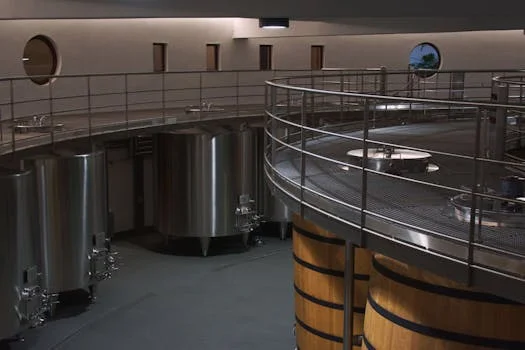
The following HydropureWater products are engineered for the wastewater challenges discussed above:
- NSF 40-compliant buried package wastewater treatment plant — view specifications, capacity range, and technical data
- compact MBR system for high-quality effluent reuse — view specifications, capacity range, and technical data
Need a customized solution? Request a free quote with your specific flow rate and pollutant parameters.