Why Coagulant Dosing Systems Fail: A Factory Manager’s Frustration
Mr. Aris Pramono, a seasoned plant manager at a large pulp and paper mill in East Java, Indonesia, stared grimly at the latest effluent report. For the third time this quarter, Total Suspended Solids (TSS) levels had spiked, exceeding the permitted discharge limits by a significant margin. The consequence? A hefty fine from the environmental agency and a stern warning about future shutdowns. Adding to his woes, the mill’s downstream dissolved air flotation (DAF) system was experiencing frequent upsets, requiring constant manual adjustments and leading to excessive chemical consumption. Aris knew the culprit: the aging, manual coagulant dosing system. Its inherent variability, often exceeding ±20% in coagulant concentration (as noted in EPA 2023 guidelines), meant that sometimes the mill was overdosing, leading to a 30-40% increase in sludge volumes and higher operational costs, while other times it was underdosing, resulting in the very TSS spikes that were now costing them dearly. He needed a solution, a system that could consistently deliver the right amount of coagulant, every time, to meet stringent regulatory demands and optimize his plant's performance.
How Coagulation Works: The Science Behind Particle Destabilization
At its core, effective wastewater treatment hinges on understanding the science of coagulation. Most naturally occurring suspended particles in water carry a negative electrical charge, often quantified by their zeta potential, which typically ranges from -10 to -30 millivolts (mV). This negative charge creates repulsive forces that keep these particles dispersed, preventing them from aggregating. Coagulants, which are positively charged chemical species like aluminum (Al³⁺) or iron (Fe³⁺) ions, are introduced to neutralize these negative charges. This process, known as charge neutralization, destabilizes the particles, allowing them to approach each other and begin to aggregate.
The efficacy of this charge neutralization is highly dependent on the solution's pH. For aluminum-based coagulants such as polyaluminum chloride (PAC) and aluminum sulfate (alum), the optimal pH range for effective coagulation is generally between 5.5 and 7.5. Iron-based coagulants like ferric chloride and ferrous sulfate perform best within a slightly lower pH range, typically 4.5 to 6.5. Beyond the chemical addition, the physical process of aggregation is crucial. Coagulation, the initial destabilization of particles, is followed by flocculation, where these destabilized particles collide and bond to form larger, settleable structures called flocs. This transition is driven by mixing. Rapid mixing, characterized by a high velocity gradient (G-value), ensures uniform dispersion of the coagulant throughout the water, typically requiring a G-value between 500 and 1000 s⁻¹ for a short detention time of 10 to 60 seconds. Insufficient mixing leads to localized overdosing or underdosing, while excessive mixing can shear nascent flocs, hindering their growth. The entire process aims to transform microscopic suspended solids into macroscopic flocs that can be readily removed by subsequent physical processes.
| Parameter | Description | Typical Values | Impact on Coagulation |
|---|---|---|---|
| Zeta Potential | Measure of surface charge on suspended particles. | -10 to -30 mV (negative) | High negative potential indicates stable dispersion; needs neutralization by coagulant. |
| pH | Acidity or alkalinity of the water. | 5.5-7.5 (Al-based), 4.5-6.5 (Fe-based) | Critical for optimal coagulant speciation and charge neutralization. |
| G-value (Velocity Gradient) | Measure of mixing intensity. | 500-1000 s⁻¹ (Rapid Mix) | Ensures rapid and uniform coagulant dispersion. |
| Detention Time (Rapid Mix) | Duration of intense mixing. | 10-60 seconds | Sufficient time for coagulant to react and neutralize charges. |
| Temperature | Water temperature. | Varies with source water | Affects reaction rates and viscosity; lower temperatures may require higher coagulant doses. |
Coagulant Dosing System Components: Engineering Specs and Selection Criteria
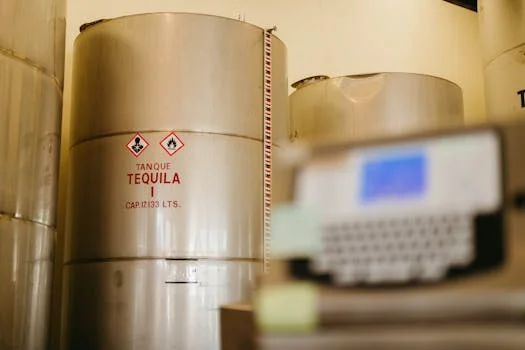
A robust coagulant dosing system is a carefully engineered skid designed for precision and reliability. At its heart are the metering pumps, responsible for accurately delivering the coagulant. For industrial applications, diaphragm pumps are often favored due to their excellent chemical resistance and dosing accuracy, typically within ±0.5%. Peristaltic pumps, while offering good accuracy (±1%) and ease of maintenance as the fluid only contacts the tubing, are generally better suited for lower flow rates or less aggressive chemicals due to limitations in material durability and maximum pressure. The selection of pump material is paramount; it must be compatible with the specific coagulant to prevent corrosion and ensure longevity. For instance, ferric chloride, a common coagulant, is highly corrosive and necessitates pumps constructed from materials like PVDF, PTFE, or specialized alloys.
Dispersion of the coagulant is achieved through inline mixers. Static mixers, comprising fixed elements within a pipe, rely on the flow energy to achieve mixing, offering a low-maintenance, energy-efficient solution with a typical G-value range of 500-1000 s⁻¹. Mechanical mixers, with rotating impellers, provide more vigorous and controllable mixing but require more energy and maintenance. Following mixing, sensors provide critical feedback for control. Turbidity sensors, capable of measuring in ranges from 0 to 1000 NTU, are commonly used to monitor the effectiveness of coagulation by detecting the reduction in suspended solids. Streaming current monitors (SCMs) offer a more advanced approach, directly measuring the residual charge in the water, allowing for precise adjustments to coagulant dose to achieve charge neutrality. These sensors are integrated with a Programmable Logic Controller (PLC) that forms the brain of the system. The control logic can range from simple open-loop systems, where coagulant is dosed based on a predetermined timer or flow rate, to sophisticated closed-loop systems that continuously adjust the dose based on real-time sensor feedback. Skid design itself is critical, with material selection for the frame and piping—typically stainless steel 316 or high-density polyethylene (HDPE) for chemical resistance—and modularity for ease of installation and maintenance being key considerations, all aligning with standards like ISO 15883-1 for hygienic design.
| Component | Type/Specification | Key Selection Criteria | Performance Impact |
|---|---|---|---|
| Metering Pump | Diaphragm (±0.5% accuracy), Peristaltic (±1% accuracy) | Chemical compatibility, flow rate, pressure rating, maintenance requirements. | Dosing accuracy, chemical waste, system reliability. |
| Inline Mixer | Static Mixer, Mechanical Mixer | Achievable G-value (500-1000 s⁻¹), energy consumption, footprint, maintenance. | Coagulant dispersion uniformity, prevention of floc shearing. |
| Sensors | Turbidity (0-1000 NTU), Streaming Current Monitor (SCM), pH Probe | Accuracy, response time, calibration frequency, maintenance, cost. | Feedback for control loop, dosing optimization, real-time process monitoring. |
| Control System | PLC (Programmable Logic Controller) | Open-loop vs. Closed-loop control, integration capabilities, user interface. | Dosing automation, responsiveness to process variations, operational efficiency. |
| Skid Construction | Stainless Steel 316, HDPE, PVC | Chemical resistance, structural integrity, footprint, modularity, environmental resistance. | System longevity, installation ease, safety, compliance. |
For advanced applications, consider HydropureWater’s PLC-controlled chemical dosing skids, designed for precision and integration.
Dosing Accuracy and Mixing: The Hidden Variables That Break Systems
While the individual components of a coagulant dosing system are crucial, their integration and operational parameters are where many failures occur. Achieving a dosing accuracy of ±1% is not merely a specification; it's a critical performance indicator. Deviations beyond this, even to ±5%, can translate into a 20% increase in chemical consumption, significantly impacting operational expenditures. This inaccuracy often stems from improperly sized pumps, incorrect calibration, or issues with suction head leading to cavitation, particularly in diaphragm pumps. Cavitation occurs when the pressure in the pump’s suction line drops below the vapor pressure of the liquid, causing vapor bubbles to form and collapse, damaging the pump and leading to erratic dosing. Ensuring adequate Net Positive Suction Head Available (NPSHA) for the pump is therefore paramount.
Mixing intensity, measured by the G-value, is another frequently overlooked variable. A G-value below 500 s⁻¹ during the rapid mix phase will likely result in incomplete dispersion of the coagulant, leading to inefficient charge neutralization and poor floc formation. Conversely, a G-value exceeding 1200 s⁻¹ can be detrimental, as it can shear delicate flocs, breaking them down into smaller particles that are harder to remove. This is why maintaining the optimal G-value range of 500-1000 s⁻¹ for the initial rapid mix is vital. Sensor placement is equally important. Turbidity probes, for instance, must be positioned downstream of the inline mixer, typically 3 to 5 pipe diameters away, to ensure they are measuring the bulk water characteristics after adequate mixing, rather than localized fluctuations. Incorrect placement can lead to false readings and inappropriate control adjustments. Common failure modes also include mixer fouling, which reduces mixing efficiency, and sensor drift, where the sensor's calibration shifts over time, leading to inaccurate measurements. Diagnosing system issues requires a systematic approach: high sludge volume and a significant pH drop often indicate overdosing, while persistently high effluent TSS levels point towards underdosing or ineffective flocculation.
Coagulant Selection Guide: Matching Chemicals to Wastewater Streams

Choosing the correct coagulant is fundamental to the success of any wastewater treatment process, and the selection is highly dependent on the characteristics of the influent wastewater. For waters with low to moderate turbidity, typically ranging from 50 to 500 NTU, aluminum-based coagulants like polyaluminum chloride (PAC) and aluminum sulfate (alum) are often the most cost-effective and efficient. These work best within a pH range of 5.5 to 7.5. However, when dealing with high-turbidity waters, often exceeding 500 NTU and reaching up to 3000 NTU, iron-based coagulants such as ferric chloride and ferrous sulfate become the preferred choice. They are generally more effective across a wider range of conditions and perform optimally at a lower pH, typically between 4.5 and 6.5.
In specific applications, such as the textile industry, organic coagulants like poly(diallyldimethylammonium chloride) (polyDADMAC) are frequently employed for their excellent performance in color removal. Emerging technologies are also addressing more challenging wastewater streams. For instance, titanium and zirconium salts are gaining traction for their efficacy in treating high-salinity wastewater, where conventional coagulants may struggle. Beyond the chemical properties, compatibility with existing infrastructure is a critical consideration. Ferric chloride, for example, is highly corrosive and can degrade standard stainless steel 304 piping; therefore, materials like stainless steel 316 or HDPE are necessary for its safe handling and storage. Understanding these nuances ensures not only effective treatment but also the longevity and safety of the dosing and treatment systems.
| Coagulant Type | Primary Applications | Typical Turbidity Range (NTU) | Optimal pH Range | Key Advantages | Material Considerations |
|---|---|---|---|---|---|
| Polyaluminum Chloride (PAC) | Municipal water, industrial process water, low-medium turbidity wastewater | 50 - 500 | 5.5 - 7.5 | Effective over a wider pH range than alum, lower sludge production. | Corrosion resistant materials recommended (e.g., HDPE, PVC, SS316). |
| Aluminum Sulfate (Alum) | Municipal water, industrial process water | 50 - 500 | 5.5 - 7.5 | Cost-effective, widely available. | Corrosion resistant materials recommended (e.g., HDPE, PVC, SS316). |
| Ferric Chloride | High turbidity water, wastewater treatment, phosphorus removal | 500 - 3000+ | 4.5 - 6.5 | Effective at low temperatures, good for sulfide control. | Highly corrosive; requires SS316, Hastelloy, or lined materials. |
| Ferrous Sulfate | Wastewater treatment, odor control | 500 - 3000+ | 4.5 - 6.5 | Cost-effective iron source. | Corrosive; requires appropriate materials. |
| PolyDADMAC | Textile wastewater, color removal, paper industry | Varies | Neutral to alkaline | Effective for organic color and charge removal. | Generally compatible with standard materials. |
| Titanium/Zirconium Salts | High salinity streams, specialized industrial wastewater | Varies | Varies | Effective in high ionic strength environments. | Consult manufacturer for specific material compatibility. |
Cost Breakdown: CAPEX, OPEX, and ROI for Coagulant Dosing Systems
Investing in a coagulant dosing system involves evaluating both the initial capital expenditure (CAPEX) and the ongoing operational expenditure (OPEX). For fully skid-mounted, automated chemical dosing systems, the CAPEX typically ranges from $15,000 to $50,000 in 2025, depending on the system's complexity, capacity, and the level of automation. For facilities looking to upgrade existing manual systems, a pump-only upgrade might cost between $5,000 and $20,000. Operational costs are primarily driven by chemical consumption, which can range from $0.10 to $0.50 per cubic meter of treated water. Energy consumption for pumps and mixers adds approximately $0.02 to $0.05 per cubic meter. Maintenance, including sensor calibration, pump seal replacement, and general upkeep, can be estimated at $1,000 to $3,000 per year for a well-maintained system.
The return on investment (ROI) for automated coagulant dosing systems is compelling. Chemical savings alone can account for 15-25% reduction compared to manual dosing, driven by precise control and elimination of overdosing. reduced sludge volumes (30-40% less) lead to significant savings in sludge disposal costs. Perhaps most importantly, avoiding regulatory fines and the associated reputational damage provides an intangible but substantial benefit. When considering the total cost per cubic meter, automated systems typically fall in the $0.20–$0.80 range, compared to $0.30–$1.20 for manual dosing. For most industrial applications, the payback period for an automated coagulant dosing system is remarkably short, often between 12 and 24 months, making it a financially sound investment.
| Cost Component | Typical Range (USD) | Notes |
|---|---|---|
| CAPEX | ||
| Skid-Mounted Automated System | $15,000 - $50,000 | Includes pumps, mixers, sensors, PLC, skid frame. |
| Pump-Only Upgrade | $5,000 - $20,000 | For facilities with existing control infrastructure. |
| OPEX (per m³ treated) | ||
| Coagulant Chemical Costs | $0.10 - $0.50 | Highly variable based on water quality and chemical price. |
| Energy Consumption | $0.02 - $0.05 | For pumps, mixers, and control systems. |
| Annual OPEX | ||
| Maintenance & Calibration | $1,000 - $3,000 | Assumes regular preventative maintenance. |
| Total Cost per m³ (Automated) | $0.20 - $0.80 | Includes chemical, energy, and estimated maintenance. |
| Total Cost per m³ (Manual) | $0.30 - $1.20 | Higher chemical use and potential for fines. |
| ROI Metrics | ||
| Chemical Savings | 15% - 25% | Achieved through precise dosing. |
| Sludge Reduction | 30% - 40% | Reduced disposal costs. |
| Payback Period | 12 - 24 months | Typical for industrial applications. |
Zero-Error Design Checklist: 10 Rules to Guarantee System Reliability
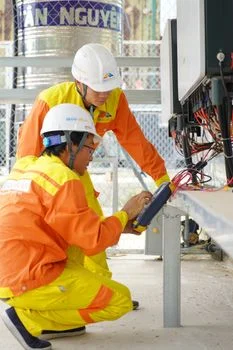
Designing a coagulant dosing system that operates reliably and without error requires adherence to established engineering principles and a proactive approach to potential failure points. Follow this 10-rule checklist to ensure a robust and efficient system:
- Verify Pump Suction Head: Always confirm that the Net Positive Suction Head Available (NPSHA) at the pump inlet exceeds the NPSH Required (NPSHR) by the pump to prevent cavitation, a common cause of pump failure and inaccurate dosing.
- Size Mixers for Optimal G-value: Ensure rapid mix G-values are maintained between 500 and 1000 s⁻¹ by properly sizing the mixer and motor for the intended flow rate, promoting effective coagulant dispersion without shearing flocs.
- Strategic Sensor Placement: Position turbidity and streaming current sensors at least 3 to 5 pipe diameters downstream of inline mixers to allow for complete mixing and reaction, ensuring accurate process feedback.
- Implement Closed-Loop Control for Variability: For influent streams with significant variations in quality (e.g., stormwater, batch processes), utilize closed-loop control systems that respond dynamically to sensor feedback for optimal coagulant dosing.
- Select Compatible Materials: Choose piping, pump components, and tank materials that are chemically resistant to the specific coagulant being used (e.g., SS316 or HDPE for ferric chloride) to prevent corrosion and premature failure.
- Incorporate Redundancy for Critical Components: For essential systems, consider installing redundant pumps or sensors to ensure continuous operation in the event of a component failure, minimizing process downtime.
- Establish Regular Calibration Schedules: Calibrate all sensors (turbidity, pH, SCM) weekly or bi-weekly, depending on the manufacturer’s recommendations and site conditions, to maintain accurate readings and precise dosing.
- Conduct Periodic Jar Tests: Perform jar tests quarterly, or more frequently if influent characteristics change significantly, to optimize coagulant type and dosage, ensuring the most cost-effective and efficient treatment.
- Monitor Sludge Volume: Regularly track sludge production volumes as an indicator of coagulant dosing. A sudden increase often signals overdosing, while a decrease might suggest underdosing.
- Prioritize Operator Training: Ensure all operators are thoroughly trained on system operation, common troubleshooting procedures (e.g., identifying floc shearing, sensor drift, pump cavitation), and preventative maintenance protocols.
Frequently Asked Questions
What is the difference between a coagulant and a flocculant?
A coagulant is a chemical that neutralizes the negative charges on suspended particles, causing them to destabilize and aggregate. A flocculant, often a polymer, is a bridging agent that binds these destabilized particles together to form larger, more easily settleable flocs. Coagulants initiate the process by destabilizing; flocculants enhance aggregation.
How do I calculate the optimal coagulant dose?
The optimal coagulant dose is typically determined through a combination of laboratory jar tests and real-time sensor data. Jar tests involve adding varying amounts of coagulant to representative water samples and observing the resulting floc formation and clarity. Streaming current monitors (SCMs) provide real-time feedback on the residual charge in the water, allowing for fine-tuning of the dose, often within a range of 10–100 mg/L, depending on the influent water quality.
What are the signs of coagulant overdosing?
Signs of coagulant overdosing include a significant increase in sludge volume, a noticeable drop in pH (especially with aluminum or iron coagulants), increased chemical costs, and potentially poor settling or flotation of flocs. In some cases, overdosing can lead to a re-stabilization of particles.
Can I retrofit an existing system with automated dosing?
Yes, retrofitting an existing system with automated dosing is often feasible. This typically involves upgrading or replacing manual dosing pumps with automated metering pumps, installing appropriate sensors (turbidity, SCM, pH), and integrating them with a PLC for closed-loop control. Existing piping and tanks may be usable if they are compatible with the chosen coagulant.
What is the typical lifespan of a coagulant dosing system?
With proper maintenance, including regular calibration and preventative servicing, a coagulant dosing system can have a lifespan of 10 to 15 years. Individual components, such as metering pump diaphragms or tubing, may require replacement every 3 to 5 years depending on usage and the chemicals handled.
Related Equipment
- DAF systems for post-coagulation solids removal — view specifications, capacity range, and technical data
Need a customized solution? Request a free quote with your specific flow rate and pollutant parameters.