Food processing plants in Saudi Arabia face stringent wastewater discharge limits (BOD < 30 mg/L, COD < 150 mg/L, TSS < 30 mg/L per MOWE 2025) and high treatment costs (2.1–4.5 SAR/m³ for DAF systems, 3.8–6.2 SAR/m³ for MBR). This guide provides engineering specs, cost benchmarks, and a compliance checklist for meat, dairy, and beverage processors, including a technology selection matrix to match treatment systems to influent characteristics (e.g., DAF for FOG-heavy dairy effluent, MBR for high-BOD meat processing).
Why Food Processing Wastewater Treatment is a Critical Challenge in Saudi Arabia
The Saudi food processing industry generates an estimated 120–180 million m³/year of wastewater, with meat and poultry plants contributing approximately 60% of the total organic load, often characterized by BOD levels between 800–4,000 mg/L and COD ranging from 1,500–8,000 mg/L (MOWE 2024 estimate). This substantial effluent volume exacerbates Saudi Arabia's severe water scarcity, where renewable water per capita stands at a critically low 89 m³/year, significantly below the global average of 7,000 m³ (Springer 2025). Consequently, the Kingdom is aggressively pursuing treated wastewater reuse, with a projected reuse rate of 30% by 2030.
Despite these efforts, many food processing facilities in Saudi Arabia struggle with consistent compliance. Common discharge violations include FOG concentrations exceeding 15 mg/L in dairy plants, TSS levels above 30 mg/L from date processing, and fecal coliform counts greater than 1,000 MPN/100mL in meat and poultry effluents. These failures carry significant financial penalties and operational disruptions. For instance, a Riyadh poultry plant was fined 1.2 million SAR in 2024 for consistently exceeding COD discharge limits, as detailed in an MOWE enforcement report. Such penalties underscore the urgent need for robust and compliant wastewater treatment solutions within the Saudi food processing sector.
Saudi Wastewater Standards for Food Processing: Compliance Checklist for 2025
Adhering to Saudi wastewater discharge and reuse standards is non-negotiable for food processing plants, with regulations becoming increasingly stringent. The Ministry of Environment, Water and Agriculture (MOWE) sets primary discharge limits for food processing wastewater, mandating BOD < 30 mg/L, COD < 150 mg/L, TSS < 30 mg/L, FOG < 15 mg/L, and fecal coliform < 1,000 MPN/100mL, as specified in MOWE Circular 2025/14. For facilities operating within strategic development zones like NEOM and the Royal Commission for Jubail and Yanbu (RCJY), treated wastewater reuse standards are considerably stricter, requiring BOD < 10 mg/L, TSS < 5 mg/L, and turbidity < 2 NTU, according to NEOM Water Guidelines 2024.
The Saudi Standards, Metrology and Quality Organization (SASO) also defines specific parameters for treated wastewater reuse in irrigation under SASO 2853:2023, including Sodium Adsorption Ratio (SAR) < 6, Electrical Conductivity (EC) < 2 dS/m, and boron < 0.75 mg/L. Compared to other GCC nations, Saudi Arabia's standards are evolving towards greater stringency, particularly for reuse applications. For further insights on food processing wastewater treatment standards in other water-scarce regions, refer to our related guides.
The permitting process for new or upgraded wastewater treatment systems typically takes 6–12 months, requiring detailed Environmental Impact Assessments (EIA) and comprehensive treatment system specifications. High-risk plants are subject to quarterly inspections by MOWE to ensure ongoing compliance.
| Parameter | MOWE Discharge (Saudi Arabia) | NEOM/RCJY Reuse (Saudi Arabia) | UAE (ESMA) Discharge | Qatar (Kahramaa) Discharge | Oman (Municipality) Discharge |
|---|---|---|---|---|---|
| BOD (mg/L) | < 30 | < 10 | < 30 | < 20 | < 20 |
| COD (mg/L) | < 150 | < 50 | < 150 | < 100 | < 100 |
| TSS (mg/L) | < 30 | < 5 | < 30 | < 30 | < 30 |
| FOG (mg/L) | < 15 | < 2 | < 10 | < 10 | < 10 |
| Fecal Coliform (MPN/100mL) | < 1,000 | < 2 (for unrestricted reuse) | < 1,000 | < 200 | < 200 |
| Turbidity (NTU) | N/A | < 2 | N/A | N/A | N/A |
Wastewater Characteristics by Food Sub-Sector: Engineering Parameters for System Design
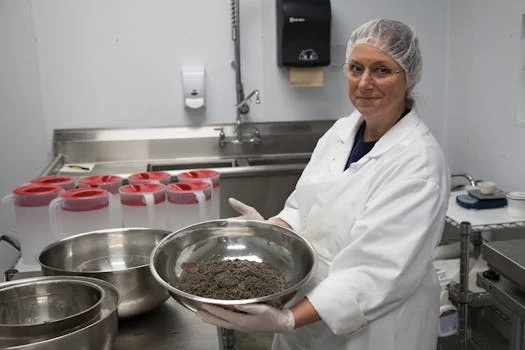
Effective wastewater treatment system design for food processing plants in Saudi Arabia begins with a precise understanding of influent characteristics, which vary significantly across sub-sectors. Meat and poultry processing operations generate wastewater with high organic loads, typically exhibiting BOD levels between 800–4,000 mg/L, COD from 1,500–8,000 mg/L, and TSS ranging from 500–2,500 mg/L. FOG content is also substantial, often between 200–1,200 mg/L, with pH generally in the neutral range of 6.5–8.5 (REKPRO data).
Dairy processing wastewater presents a different profile, characterized by BOD of 1,000–3,000 mg/L, COD of 1,800–6,000 mg/L, and high FOG concentrations (300–1,500 mg/L). Lactose levels can reach 500–2,000 mg/L, and pH fluctuates widely from 4.5 (acidic whey) to 10 (alkaline CIP solutions). Date processing wastewater, while less organically concentrated than meat or dairy, still demands attention, with BOD from 200–1,200 mg/L, COD 400–2,500 mg/L, and TSS 300–1,500 mg/L, primarily due to sugars and fibers, typically with a pH between 5–7. Beverage (soft drinks/juice) manufacturing produces wastewater with BOD 500–2,000 mg/L, COD 1,000–4,000 mg/L, TSS 200–800 mg/L (sugar content 1,000–3,000 mg/L), and pH swings from 3–11 due to acidic and alkaline Clean-in-Place (CIP) cycles. Matching the treatment technology to these specific influent parameters is critical for achieving optimal removal efficiencies and compliance.
| Parameter | Meat/Poultry Processing | Dairy Processing | Date Processing | Beverage Processing | Typical Removal Target |
|---|---|---|---|---|---|
| BOD (mg/L) | 800–4,000 | 1,000–3,000 | 200–1,200 | 500–2,000 | 90–99% |
| COD (mg/L) | 1,500–8,000 | 1,800–6,000 | 400–2,500 | 1,000–4,000 | 85–98% |
| TSS (mg/L) | 500–2,500 | 400–1,800 | 300–1,500 | 200–800 | 90–99% |
| FOG (mg/L) | 200–1,200 | 300–1,500 | 50–200 | 20–100 | 95–99% |
| pH | 6.5–8.5 | 4.5–10 | 5–7 | 3–11 | 6–9 (post-treatment) |
| Temperature (°C) | 25–45 | 20–40 | 20–35 | 20–40 | Ambient |
Treatment Technology Comparison: DAF vs MBR vs Chemical Dosing for Food Processing
Selecting the optimal wastewater treatment technology for Saudi food processing plants hinges on influent characteristics, desired effluent quality, and budget. DAF systems for FOG removal in Saudi food processing plants are highly effective for primary treatment, excelling at removing Fats, Oils, and Grease (FOG) with 95–99% efficiency and Suspended Solids (TSS) at 90–95%. DAF systems are favored for their low footprint, making them suitable for facilities with limited space. Typical CAPEX for a 50–200 m³/h DAF system ranges from 1.2–2.5 million SAR, with OPEX between 2.1–4.5 SAR/m³, covering energy, chemicals, and sludge disposal.
MBR systems for high-BOD food processing wastewater in Saudi Arabia offer superior treatment for high-BOD/COD effluents, achieving 95–99% removal efficiencies and producing reuse-quality effluent. This makes MBR ideal for plants targeting stringent MOWE or NEOM reuse standards. CAPEX for a 50–200 m³/h MBR system is higher, at 2.8–5.5 million SAR, and OPEX ranges from 3.8–6.2 SAR/m³, primarily due to energy consumption, membrane replacement, and chemical cleaning. For further insights on DAF system implementation and detailed information on MBR system projects, refer to our comprehensive articles.
Chemical dosing systems for pre-treatment in Saudi food processing plants, utilizing coagulation/flocculation, serve as an effective pre-treatment step or for lower-flow applications. They are particularly useful for reducing TSS and some organic load before biological treatment. CAPEX for chemical dosing systems is typically 0.5–1.2 million SAR, with OPEX at 1.8–3.5 SAR/m³, largely driven by chemical consumption and sludge handling. For optimal use-case matching, DAF systems are highly recommended for dairy plants due to their FOG-heavy effluent, MBR systems are best suited for meat processing with its high BOD, and chemical dosing can be an efficient choice for date processing facilities, which often have lower flow rates and seasonal operations.
| Feature | Dissolved Air Flotation (DAF) | Membrane Bioreactor (MBR) | Chemical Dosing (Coagulation/Flocculation) |
|---|---|---|---|
| Primary Target Contaminants | FOG, TSS | BOD, COD, TSS, Pathogens | TSS, Turbidity, some COD |
| BOD Removal Efficiency | 30–60% (pre-treatment) | 95–99% | 10–40% (pre-treatment) |
| COD Removal Efficiency | 40–70% (pre-treatment) | 95–99% | 20–50% (pre-treatment) |
| TSS Removal Efficiency | 90–95% | 95–99% | 80–95% |
| FOG Removal Efficiency | 95–99% | 90–95% (post-pre-treatment) | 50–80% |
| Pathogen Removal | Low | High (viral/bacterial) | Low |
| Footprint | Low | Moderate to Low | Low |
| Energy Use | Moderate | High | Low to Moderate |
| CAPEX (50-200 m³/h) | 1.2–2.5 million SAR | 2.8–5.5 million SAR | 0.5–1.2 million SAR |
| OPEX (SAR/m³) | 2.1–4.5 | 3.8–6.2 | 1.8–3.5 |
| Maintenance Requirements | Moderate (skimmer, pump) | High (membrane cleaning/replacement) | Moderate (dosing pumps, sludge) |
| Effluent Quality | Primary treated | High (reuse quality) | Primary treated |
Cost Breakdown and ROI Calculator for Saudi Food Processing Wastewater Projects
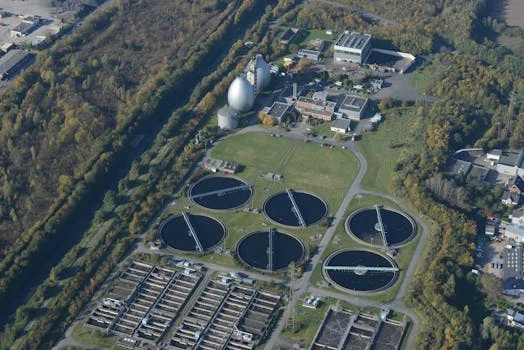
Understanding the full financial scope of a wastewater treatment project is critical for Saudi food processing plants. Capital Expenditure (CAPEX) for a typical system is predominantly driven by equipment costs (60–70%), followed by civil works (15–20%), installation (10–15%), and commissioning (5%). For example, a 100 m³/h DAF system designed for a dairy plant would incur an approximate CAPEX of 1.8 million SAR. Operating Expenditure (OPEX) is primarily allocated to energy consumption (30–40%), chemicals (20–30%), sludge disposal (15–25%), labor (10–15%), and maintenance (5–10%). A 100 m³/h MBR system, for instance, typically has an OPEX of around 4.2 SAR/m³.
The Return on Investment (ROI) for wastewater treatment in Saudi Arabia is significantly enhanced by several key drivers. Water savings represent a substantial financial benefit, with fresh water costs typically ranging from 3–5 SAR/m³. Beyond direct savings, reuse incentives are gaining traction, with NEOM offering up to a 20% CAPEX rebate for systems designed for treated wastewater reuse. avoided fines for non-compliance can range from 100,000–500,000 SAR per year, directly impacting a plant's profitability. To assess ROI, a step-by-step framework involves inputs such as plant flow rate, influent BOD/COD, local fresh water costs, and the value of treated water for reuse. Outputs include the payback period, Net Present Value (NPV), and Internal Rate of Return (IRR).
Local incentives further support these investments. MOWE provides grants of up to 30% of CAPEX for Small and Medium-sized Enterprises (SMEs) investing in environmental solutions. NEOM and RCJY offer specific rebates (e.g., 20% for reuse systems), while the Saudi Industrial Development Fund (SIDF) provides accessible loans with competitive interest rates of 3–5%. For insights into sludge dewatering solutions for food processing wastewater, which directly impact sludge disposal OPEX, consult our dedicated guide.
Supplier Selection Framework: How to Evaluate Wastewater Treatment Vendors in Saudi Arabia
Selecting the right wastewater treatment vendor in Saudi Arabia requires a structured approach that prioritizes technical capabilities, commercial viability, and proven compliance expertise. Technical criteria are paramount, focusing on guaranteed removal efficiencies for key parameters like BOD, COD, TSS, and FOG. Other critical technical considerations include system footprint, energy consumption, level of automation, and the availability of robust local service support. A system's ability to seamlessly integrate with existing plant operations and its adaptability to fluctuating influent loads are also important.
Commercial criteria encompass the overall CAPEX and OPEX, payment terms, and comprehensive warranty provisions, typically 2–5 years for major equipment and 1 year for membranes. The availability of spare parts and consumables within Saudi Arabia is a vital logistical factor that directly impacts operational continuity. Compliance criteria demand a vendor with a demonstrated track record of successful projects adhering to Saudi standards (MOWE, SASO), and ideally, experience with specific regional projects in NEOM or RCJY. Verifiable references from other food industry clients (meat, dairy, dates, beverages) are essential.
A structured evaluation matrix can quantify these factors, assigning weights (e.g., technical 40%, commercial 30%, compliance 30%) and using a 1–5 scoring system for each criterion. This systematic approach helps procurement teams make informed decisions. Red flags during vendor evaluation include a lack of verifiable local references, vague performance guarantees, or an absence of dedicated after-sales support and technical assistance within Saudi Arabia, which can lead to significant operational challenges post-installation.
| Evaluation Category | Specific Criteria | Weight (%) | Score (1-5) |
|---|---|---|---|
| Technical Capabilities | Guaranteed Removal Efficiency (BOD/COD/TSS/FOG) | 15% | |
| System Footprint & Scalability | 10% | ||
| Energy Consumption & Operational Simplicity | 8% | ||
| Automation Level & Integration | 7% | ||
| Local Service & Technical Support Availability | 10% | ||
| Commercial Viability | Total CAPEX & OPEX (Life Cycle Cost) | 15% | |
| Payment Terms & Financial Stability | 5% | ||
| Warranty (Equipment & Membranes) | 5% | ||
| Spare Parts Availability & Cost | 5% | ||
| Compliance & Experience | Experience with Saudi Standards (MOWE, SASO) | 10% | |
| References in Food Industry (Meat, Dairy, Dates) | 10% | ||
| Experience with NEOM/RCJY Projects (if applicable) | 5% | ||
| Total Score: | |||
Frequently Asked Questions
What are the penalties for non-compliance with Saudi wastewater standards?
Fines for non-compliance with Saudi wastewater standards range from 50,000–500,000 SAR per violation, with repeat offenses potentially leading to plant shutdowns, as outlined in the MOWE Enforcement Circular 2025.
How much does a food processing wastewater treatment plant cost in Saudi Arabia?
CAPEX for a food processing wastewater treatment plant in Saudi Arabia typically ranges from 1.2 million SAR for a 50 m³/h DAF system to 5.5 million SAR for a 200 m³/h MBR system. OPEX benchmarks for 2025 are between 2.1–6.2 SAR/m³.
Can treated food processing wastewater be reused in Saudi Arabia?
Yes, treated food processing wastewater can be reused in Saudi Arabia, provided it meets the stringent SASO 2853:2023 standards for irrigation, which include limits such as BOD < 10 mg/L, TSS < 5 mg/L, and turbidity < 2 NTU. Additionally, NEOM and RCJY allow treated wastewater reuse for landscaping and industrial processes.
What is the best treatment technology for meat processing wastewater?
MBR systems are considered ideal for meat processing wastewater due to their high-BOD (800–4,000 mg/L) and pathogen removal capabilities, consistently achieving 95–99% efficiency. DAF systems are also highly effective as a pre-treatment step for FOG removal.
How long does it take to install a wastewater treatment system in Saudi Arabia?
The typical timeline for designing, permitting, and installing a new wastewater treatment system in Saudi Arabia is 6–12 months, with an additional 3–6 months required for comprehensive commissioning and operator training to ensure optimal performance.