A belt filter press for food processing wastewater achieves 92-97% TSS removal and produces a sludge cake with 20-30% solids—critical for reducing disposal costs and meeting EPA 40 CFR Part 503 or EU Sludge Directive 86/278/EEC requirements. For example, a mid-sized dairy plant processing 500 m³/day of wastewater can cut sludge volume by 70% using a 2-meter belt press, saving $120,000/year in hauling fees. This guide provides 2025 engineering specs, cost benchmarks, and a decision framework to select the right press for your food processing application.
Why Food Processors Need Belt Filter Presses: The Sludge Challenge
Food processing operations generate significant volumes of wastewater sludge, characterized by high organic content, which presents substantial disposal challenges and costs. Typical food processing wastewater influent characteristics include TSS ranging from 500-5,000 mg/L, FOG (Fats, Oils, and Grease) between 200-1,500 mg/L, and pH levels varying from 4-11 (per EPA 2024 food industry benchmarks). This high organic load translates into significant quantities of wet sludge that must be managed, often at considerable expense.
Sludge disposal costs are a major financial burden for food processors, typically ranging from $50-$200/ton for landfilling. In contrast, land application, if compliant with stringent regulations, can reduce costs to $20-$80/ton. Dewatering technologies like belt filter presses drastically reduce sludge volume, thereby cutting hauling and disposal expenses. For instance, a poultry plant successfully reduced its sludge volume by 65% after implementing a belt filter press, leading to an estimated annual saving of $90,000 in hauling costs (industry case study data). Without dewatering, the high moisture content of sludge makes it heavy, expensive to transport, and difficult to manage.
Beyond cost, stringent regulatory drivers necessitate effective sludge management. In the U.S., the EPA's 40 CFR Part 503 regulations dictate standards for the use and disposal of biosolids, while in the EU, the Sludge Directive 86/278/EEC sets limits for heavy metals and promotes beneficial reuse. Local limits, such as California’s Title 22 for wastewater solids, add further layers of compliance. Failure to meet these regulations carries significant financial and operational risks, including substantial fines, permit revocation, and severe reputational damage. Belt filter presses are a proven solution to achieve the necessary solids content for compliant and cost-effective sludge disposal.
How Belt Filter Presses Work: Mechanism and Food-Processing Adaptations
Belt filter presses dewater sludge through a continuous three-stage process involving gravity drainage, a wedge zone, and high-pressure compression. Initially, conditioned sludge enters the gravity drainage zone, where free water drains through a permeable belt, relying solely on gravity. Next, the partially dewatered sludge moves into the wedge zone, where two belts converge, gradually applying increasing pressure to further squeeze out water. Finally, in the high-pressure zone, the sludge is subjected to intense shear and compression as the belts pass over a series of rollers of decreasing diameter, expelling maximum water and forming a solid cake.
For food processing applications, specific adaptations are crucial to handle the unique characteristics of food-grade sludge and maintain sanitary conditions. Equipment frames are typically constructed from 316L stainless steel for superior corrosion resistance against acidic or caustic cleaning solutions and for hygiene. Belts are made from FDA-approved materials, and designs are often CIP (Clean-In-Place) compatible, allowing for automated cleaning to prevent bacterial growth and cross-contamination. Robust belt tracking and tensioning systems are critical for food plants, which often experience variable sludge loads and compositions; common failure modes include belt misalignment due to uneven sludge distribution or sudden changes in feed consistency, leading to premature wear and downtime.
Effective polymer conditioning is essential for optimal belt press performance, as it agglomerates fine sludge particles into larger, more stable flocs that can be easily dewatered. For food industry sludge, which often contains high levels of FOG and proteins, cationic flocculants are typically preferred due to their ability to neutralize negatively charged organic particles. Dosing ratios generally range from 0.5-3 kg of active polymer per ton of dry solids (DS), depending on the sludge type and concentration. Automated polymer dosing systems are recommended to ensure consistent and efficient conditioning, which directly impacts cake dryness and filtrate quality. The operational parameters of belt speed (typically 0.5-5 m/min) and pressure (2-10 bar) are finely tuned to optimize cake dryness and throughput, with slower speeds and higher pressures generally yielding drier cake but lower throughput.
| Parameter | Typical Range for Food Processing Sludge | Impact on Performance |
|---|---|---|
| Polymer Dosing | 0.5 - 3 kg/ton DS (cationic) | Critical for flocculation; affects cake dryness and filtrate clarity. |
| Belt Speed | 0.5 - 5 m/min | Higher speed = higher throughput, lower cake dryness. Lower speed = lower throughput, higher cake dryness. |
| Applied Pressure | 2 - 10 bar | Higher pressure = higher cake dryness. Must be balanced to prevent belt damage. |
| Sludge Feed Consistency | 0.5% - 5% DS | Optimal consistency required for efficient gravity drainage and overall dewatering. |
| Wash Water Pressure | 4 - 8 bar | Ensures clean belts, preventing blinding and maintaining efficiency. |
HydropureWater provides automated polymer dosing systems for belt presses, ensuring precise chemical application for optimal dewatering efficiency.
Food Industry Sludge Parameters: What Your Belt Press Must Handle
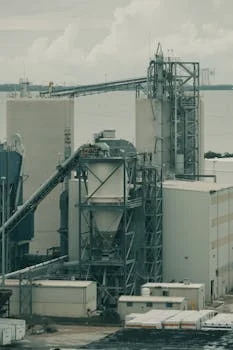
Effective belt filter press performance in food processing is dictated by the specific influent characteristics of the wastewater, which vary significantly across sub-sectors. Each type of food processing sludge presents unique challenges that the dewatering equipment must be designed to handle efficiently. The table below outlines typical influent characteristics and achievable belt press performance targets for various food industry sectors.
| Food Sector | Typical Influent TSS (mg/L) | Typical Influent COD (mg/L) | Typical Influent FOG (mg/L) | Target Cake Dryness (%) | TSS Removal (%) | Polymer Dose (kg/ton DS) |
|---|---|---|---|---|---|---|
| Dairy Processing | 1,200 - 3,000 | 1,500 - 4,000 | 300 - 800 | 22 - 28 | 92 - 96 | 2.5 - 3.5 |
| Meat/Poultry Processing | 2,000 - 5,000 | 3,000 - 10,000 | 500 - 1,500 | 20 - 25 | 90 - 95 | 3.0 - 4.5 |
| Fruit/Vegetable Processing | 800 - 2,500 | 1,000 - 3,500 | 50 - 200 | 18 - 24 | 90 - 94 | 1.5 - 2.5 |
| Beverage Production | 500 - 1,500 | 800 - 2,500 | 50 - 300 | 15 - 20 | 88 - 92 | 1.0 - 2.0 |
| Bakery/Confectionery | 1,000 - 3,000 | 1,500 - 5,000 | 200 - 600 | 20 - 26 | 90 - 95 | 2.0 - 3.0 |
For example, dairy sludge, with its typical TSS of 1,200-3,000 mg/L and moderate FOG content, often requires a polymer dose of 2.5-3.5 kg/ton DS to achieve a cake dryness of 22-28% (HydropureWater field data, 2025). High FOG content, prevalent in meat or dairy processing, can significantly affect belt filter press performance by causing belt blinding. FOG coats the belt pores, reducing permeability and dewatering efficiency, leading to increased wash water consumption and more frequent maintenance. A troubleshooting tip for high-FOG sludge involves optimizing polymer selection for FOG encapsulation and potentially pre-screening or DAF (Dissolved Air Flotation) treatment to reduce FOG load before dewatering.
Meeting regulatory effluent limits for treated wastewater is another critical aspect. Belt presses indirectly contribute to this by enabling effective primary and secondary sludge removal. Typical regulatory effluent limits include TSS <30 mg/L (EPA) and COD <125 mg/L (EU). By efficiently separating solids from the wastewater stream, belt presses reduce the organic load on subsequent treatment stages, helping plants consistently meet these discharge targets and avoid non-compliance penalties.
Belt Filter Press vs. Alternatives: Engineering Comparison for Food Processors
Selecting the optimal sludge dewatering technology for food processing requires a detailed engineering comparison of belt filter presses against alternatives like screw presses, centrifuges, and plate-and-frame presses. Each technology offers distinct advantages and disadvantages regarding cake dryness, throughput, energy use, maintenance, capital cost, and footprint, making the choice highly dependent on specific application needs.
| Parameter | Belt Filter Press | Screw Press | Centrifuge | Plate-and-Frame Press |
|---|---|---|---|---|
| Typical Cake Dryness (%) | 18-30 | 15-35 | 20-35 | 30-50 |
| Throughput (m³/hr) | High (continuous) | Medium (continuous) | High (continuous) | Low-Medium (batch) |
| Energy Use (kWh/m³) | 0.2-0.5 | 0.1-0.3 | 0.8-1.5 | 0.3-0.6 |
| Maintenance Intensity | Moderate (belt washing, tracking) | Low (wear parts) | High (high-speed components) | Medium (cloth replacement, plate cleaning) |
| Capital Cost | Moderate | Moderate-High | High | Moderate-High |
| Footprint | Large | Compact | Compact | Compact (but needs space for cake discharge) |
| Suitability for FOG | Challenging (belt blinding) | Good (self-cleaning) | Good (high shear) | Moderate (filter cloth clogging) |
Use-case matching is crucial for optimal selection. For dairy wastewater treatment, belt filter presses are often preferred due to their robust continuous operation, ability to handle variable flow rates, and moderate operating costs, achieving good cake dryness for typical dairy sludge. For meat processing sludge, which often contains high FOG and fibrous material, screw presses might be more suitable due to their self-cleaning mechanisms and ability to produce a drier cake with less sensitivity to FOG. Beverage sludge, often lighter and finer, can benefit from centrifuges, which excel at dewatering fine particles and achieving high cake dryness, albeit with higher energy consumption and maintenance. Meanwhile, plate-and-frame filter presses for food processing sludge offer the highest cake dryness, making them ideal for applications where minimal moisture is paramount, but their batch operation limits throughput.
Energy efficiency is a key consideration. Belt presses are relatively energy-efficient, typically consuming 0.2-0.5 kWh/m³ of treated sludge, significantly less than centrifuges, which can use 0.8-1.5 kWh/m³ due to their high-speed rotational components (per EPA 2024 benchmarks). However, screw presses often boast the lowest energy consumption, at 0.1-0.3 kWh/m³, making them attractive for energy-conscious facilities.
Maintenance trade-offs also vary considerably. Belt presses require weekly belt cleaning and occasional belt replacement, which can be labor-intensive. Centrifuges, while producing a dry cake, incur higher wear part costs due to the abrasive nature of sludge and high operational speeds. Screw presses typically have lower maintenance due to fewer moving parts and slower speeds. Food plants with limited space might prioritize a compact footprint, making screw presses, centrifuges, or plate-and-frame presses more appealing than the larger belt filter presses, even if it means compromising slightly on other parameters.
2025 Cost Breakdown: Belt Filter Press for Food Processing
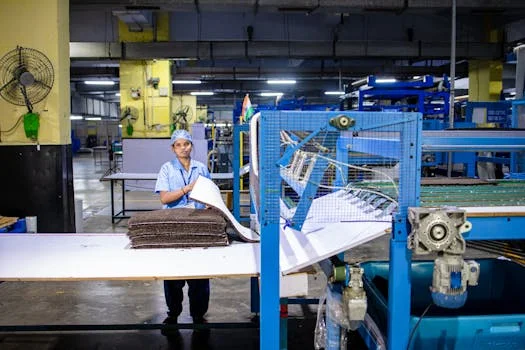
The total cost of ownership for a belt filter press in food processing includes significant capital expenditure, ongoing operational and maintenance costs, and potential for substantial return on investment. Understanding this breakdown is crucial for budgeting and justifying the investment in dewatering technology.
| Cost Category | Typical Range for 1.5-2.5 meter Belt Press | Notes for Food Processing |
|---|---|---|
| Capital Cost (Equipment) | $80,000 - $350,000 | Lower end for FOB China, higher for European/USA manufacturers with 316L SS and sanitary design. |
| Installation Cost | 10% - 20% of Capital | Includes foundation, piping, electrical, commissioning. |
| Polymer Cost | $0.20 - $0.60 per m³ treated | Highly variable based on sludge type, polymer type, and dosing optimization. |
| Energy Cost | $0.05 - $0.15 per m³ treated | Primarily for motor, wash water pump. Based on 0.2-0.5 kWh/m³ and average electricity rates. |
| Labor Cost | $0.15 - $0.40 per m³ treated | For operation, monitoring, belt washing, and routine checks. |
| Maintenance & Parts | $0.10 - $0.30 per m³ treated | Includes belt replacement (every 1-3 years), roller bearings, nozzles, etc. |
| Total O&M Cost | $0.50 - $1.50 per m³ treated | Sum of polymer, energy, labor, maintenance. |
Capital costs for a 1.5-2.5 meter belt press suitable for food processing applications typically range from $80,000 to $350,000. This wide range reflects differences in manufacturer origin (e.g., FOB China vs. Europe/USA), material specifications (e.g., standard stainless steel vs. 316L for enhanced corrosion resistance), and automation features. Installation costs, including civil works, piping, and electrical connections, can add another 10-20% to the capital expenditure.
Operational and maintenance (O&M) costs generally fall between $0.50-$1.50 per cubic meter of treated sludge. This includes the cost of polymer, which is a significant component, electricity for the motor and wash water pump, labor for operation and routine cleaning, and replacement parts like belts and roller bearings. Belt replacement is typically required every 1-3 years, depending on the sludge abrasiveness and operational intensity.
The Return on Investment (ROI) for a belt filter press is primarily driven by reduced sludge disposal costs and avoided regulatory fines. Consider a 300 m³/day dairy plant generating 10 m³/day of wet sludge (5% solids). If dewatering reduces the volume by 70% to 3 m³/day (15% solids), and disposal costs $100/ton, the daily saving is (7 m³/day * 1.05 ton/m³ * $100/ton) = $735/day, or approximately $230,000/year (assuming 310 operating days). Factoring in O&M costs, the net savings remain substantial, often leading to an ROI period of 1-3 years. This calculation does not even include the significant financial benefits of avoiding potential non-compliance fines, which can run into hundreds of thousands of dollars.
Regional cost factors can significantly influence the total investment. Labor rates vary considerably (e.g., U.S. vs. Mexico), impacting installation and ongoing operational costs. Polymer costs can fluctuate based on global supply chains and regional chemical markets (e.g., EU vs. Asia). Disposal fees are highly localized, with landfill costs often higher in densely populated areas compared to regions with available land application options. When negotiating with suppliers, consider bundling the belt press with essential accessories like automatic chemical dosing systems or extended warranties to optimize the overall value and ensure long-term support.
Compliance Checklist: Meeting Food Industry Sludge Regulations
Adhering to strict environmental regulations is paramount for food processing facilities, with sludge disposal governed by specific national and international directives. Ensuring that dewatered sludge meets these standards is critical for avoiding penalties and maintaining operational permits.
In the United States, the EPA's 40 CFR Part 503 regulations are the primary framework for biosolids management. These regulations define two main categories: Class A and Class B biosolids. Class A biosolids meet stringent pathogen reduction and vector attraction reduction requirements, allowing for unrestricted use (e.g., sale to the public). Class B biosolids have lower pathogen reduction standards and more restricted use, typically requiring site-specific management practices. Belt presses contribute to achieving these classifications by significantly reducing moisture content, which inhibits pathogen regrowth and reduces overall volume, making subsequent treatment for pathogen reduction (e.g., composting, lime stabilization) more efficient.
In the European Union, the Sludge Directive 86/278/EEC focuses on limiting heavy metal concentrations (e.g., Cadmium, Lead, Mercury) in sludge intended for agricultural land application. Member states implement this directive with local variations. For example, Germany's AbfKlärV ordinance sets specific limits for heavy metals and organic pollutants, while China's GB 4284-2018 standard also dictates pollutant limits for sludge for agricultural use. Food processors must ensure their sludge dewatering process does not concentrate contaminants to levels exceeding these limits, and that any chemicals used (e.g., polymers) are approved for the intended disposal method.
Local requirements often impose additional restrictions or specific sampling and testing protocols. For instance, California’s Title 22 regulations specify enhanced requirements for wastewater solids and recycled water. Facilities must implement regular sampling and testing protocols, including frequency, parameters (TSS, volatile solids, pathogens like fecal coliform or salmonella, heavy metals), and detailed reporting to regulatory bodies. Belt press performance, particularly achieving higher cake dryness and efficient polymer use, directly impacts compliance. Lower moisture content in the cake reduces the overall mass of sludge, making it easier to meet pathogen reduction standards and reducing the likelihood of leachate generation, which can also be a compliance concern. For a detailed overview of compliance requirements, especially in North America, refer to our guide on food processing wastewater compliance. Contact HydropureWater for a comprehensive compliance checklist template tailored to your specific food processing sector.
Frequently Asked Questions
Food processing plant engineers and environmental managers often have specific questions regarding the practical application, performance, and compliance aspects of belt filter presses.
What is the typical cake dryness for food processing sludge with a belt filter press?
Typical cake dryness for food processing sludge dewatered by a belt filter press ranges from 18% to 30% solids. The exact percentage depends heavily on the specific food product being processed (e.g., dairy, meat, fruit/vegetable), the influent solids concentration, the type and dose of polymer used, and the operational settings of the press (belt speed, pressure).
How often do belts need to be replaced on a belt filter press in a food plant?
Belt replacement frequency in a food processing plant typically ranges from every 1 to 3 years. This lifespan is influenced by the abrasiveness of the sludge, the hours of operation, the effectiveness of belt washing, and whether proper belt tracking and tensioning are maintained. Regular inspection and preventative maintenance can extend belt life.
Can a belt filter press handle high-FOG sludge from a meat processing plant?
Belt filter presses can handle high-FOG (Fats, Oils, and Grease) sludge from meat processing plants, but it presents challenges. High FOG content can lead to belt blinding, reducing dewatering efficiency and increasing wash water consumption. Effective polymer selection (often specific cationic types) and optimized dosing are crucial. Pre-treatment steps like DAF (Dissolved Air Flotation) or grease traps are often recommended to reduce the FOG load before dewatering for optimal performance.
What are the compliance requirements for land-applying sludge from a food processing belt press?
Compliance requirements for land-applying sludge from a food processing belt press vary by region. In the U.S., it must meet EPA 40 CFR Part 503 regulations for Class A or Class B biosolids, which include limits for pathogens, heavy metals, and vector attraction reduction. In the EU, the Sludge Directive 86/278/EEC and national laws dictate heavy metal limits and land application conditions. Local regulations may add further requirements. Regular testing for pathogens, metals, and solids content is mandatory, and detailed reporting is typically required.
How does a belt filter press compare to a screw press for dairy wastewater treatment?
For dairy wastewater treatment, a belt filter press typically offers higher throughput and is generally more cost-effective for larger volumes of sludge, producing a cake dryness of 22-28%. A screw press, while more compact and having lower energy consumption (0.1-0.3 kWh/m³ vs. 0.2-0.5 kWh/m³ for belt presses), often provides slightly higher cake dryness (up to 35%) and is better suited for smaller to medium flows or sludge with higher FOG content due to its self-cleaning mechanism. The choice depends on specific plant size, sludge characteristics, and available footprint.