Industrial Wastewater Treatment in Ontario Canada: 2025 Engineering Guide with Compliance, Costs & Equipment Checklist
In 2025, Ontario’s industrial wastewater treatment requirements are among Canada’s strictest, with the Ontario Water Resources Act (OWRA) mandating effluent limits of 10 mg/L TSS, 50 mg/L BOD, and 1 mg/L total phosphorus for most sectors. Facilities in food processing, mining, and automotive industries face additional sector-specific limits, with non-compliance fines up to $500,000 per day. Treatment costs range from $0.5M for small DAF systems to $12M+ for large MBR plants, depending on flow rate (50–500 m³/h) and contaminant load. This guide provides Ontario-specific compliance benchmarks, cost data, and equipment selection criteria to help industrial operators meet OWRA standards while optimizing ROI.
Ontario’s Industrial Wastewater Regulations in 2025: OWRA, EPA, and Municipal Compliance
Meeting Ontario Water Resources Act (OWRA) compliance standards is critical for industrial facilities operating in the province, as enforcement actions for non-compliance can result in substantial daily fines. The OWRA, alongside the Environmental Protection Act (EPA) and various municipal bylaws, establishes a stringent framework for industrial effluent discharge. For most sectors, the OWRA mandates general effluent limits, including 10 mg/L for Total Suspended Solids (TSS), 50 mg/L for Biochemical Oxygen Demand (BOD), and 1 mg/L for total phosphorus (OWRA Section 30). However, specific industrial sectors face even stricter, tailored limits to address their unique contaminant profiles.
For instance, the mining sector must adhere to a 0.5 mg/L arsenic limit, while food processing facilities are often required to maintain FOG (Fats, Oils, and Grease) levels below 100 mg/L. The EPA plays a complementary role, particularly concerning cross-border compliance, such as the Great Lakes Water Quality Agreement, which influences discharge standards for facilities impacting shared waterways. This interaction ensures that Ontario's industrial effluent limits Canada-wide contribute to broader environmental protection goals.
Beyond provincial regulations, municipal bylaws impose additional pre-treatment requirements for industrial discharges into local sewer systems. For example, Toronto’s municipal bylaws stipulate a 300 mg/L TSS limit for industrial sewer discharges, while Hamilton and Ottawa have their own specific parameters for BOD, pH, and heavy metals. Non-compliance can lead to significant financial penalties; a Hamilton steel plant, for instance, faced a $350,000 fine in 2023 for repeated discharge violations. Looking ahead, proposed amendments to the OWRA in 2025 are expected to introduce even stricter PFAS limits, particularly for electronics manufacturers, necessitating proactive upgrades to existing treatment infrastructure.
| Contaminant | General OWRA Limit (mg/L) | Sector-Specific Limit (mg/L) | Applicable Sector |
|---|---|---|---|
| Total Suspended Solids (TSS) | 10 | 300 (for sewer discharge) | Toronto Municipal Bylaw |
| Biochemical Oxygen Demand (BOD) | 50 | N/A | Most Sectors |
| Chemical Oxygen Demand (COD) | N/A | 250 | Certain Manufacturing |
| Total Phosphorus | 1 | 0.5 | Great Lakes Basin Discharges |
| Total Nitrogen | N/A | 10 | Agricultural Runoff Affected Areas |
| Arsenic | N/A | 0.5 | Mining |
| Fats, Oils, and Grease (FOG) | N/A | 100 | Food Processing |
| PFAS | N/A | Proposed Stricter Limits | Electronics Manufacturing (2025) |
Industrial Wastewater Treatment Technologies for Ontario’s Effluent Limits
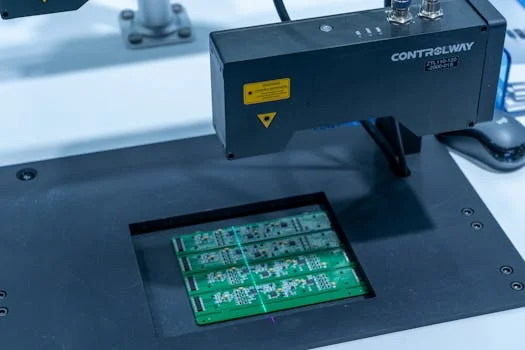
Selecting the appropriate industrial wastewater treatment technology is paramount for Ontario facilities to consistently meet stringent effluent limits, directly impacting operational costs and compliance. Each technology offers distinct advantages for specific contaminant profiles and industrial applications.
Dissolved Air Flotation (DAF) systems achieve high removal efficiencies, typically 92–97% for TSS, 95–99% for FOG, and 60–80% for COD, particularly effective with influent loads ranging from 50–500 mg/L (per EPA 2024 benchmarks). These systems are ideal for industries generating high levels of suspended solids and fats, such as food processing, pulp & paper, and metalworking. DAF systems for Ontario’s food processing and metalworking industries are known for their robust performance in these applications. DAF systems operate by dissolving air into wastewater under pressure, then releasing it at atmospheric pressure in a flotation tank, causing contaminants to float to the surface for skimming.
Membrane Bioreactor (MBR) systems represent an advanced biological treatment option, utilizing a PVDF membrane with a pore size of 0.1 μm. This fine filtration enables exceptional removal rates for pathogens (achieving a 99.99% log reduction) and nutrients, with 85–95% phosphorus removal. Integrated MBR systems for pharmaceutical and automotive wastewater in Ontario are particularly suited for applications requiring high-quality effluent, often for water reuse, and are beneficial for pharmaceuticals, automotive manufacturing, and municipal pre-treatment where stringent discharge or reuse standards apply.
Chemical dosing systems are essential for targeted contaminant removal, particularly for pH adjustment and heavy metal precipitation. Common coagulants like Poly-Aluminum Chloride (PAC) and ferric chloride, combined with flocculants such as polyacrylamide, can achieve significant heavy metal removal; for example, up to 90% removal of lead can be achieved at pH 9.5. PLC-controlled chemical dosing for heavy metal precipitation in Ontario mining operations is crucial for maintaining compliance with specific heavy metal limits. These systems are flexible and can be integrated as primary, secondary, or tertiary treatment stages.
Following primary treatment, effective sludge dewatering is critical for managing waste solids. Options like plate-and-frame filter presses vs. screw presses reduce sludge volume, impacting Ontario’s sludge disposal regulations and associated costs (e.g., $150–$300/tonne for landfill vs. higher incineration costs). High-efficiency filter presses for Ontario’s sludge disposal regulations minimize disposal volumes and costs.
Emerging technologies, such as nanobubble flotation and electrocoagulation, are showing promise for challenging contaminants like PFAS removal, with pilot data from Ontario facilities in 2024 indicating their potential for future adoption. For a deeper technical comparison, compare DAF systems with micro bubble flotation for Ontario’s effluent limits.
| Technology | Primary Contaminants Targeted | Typical Removal Efficiency | Ontario Effluent Limit Alignment | Ideal Industrial Sectors |
|---|---|---|---|---|
| Dissolved Air Flotation (DAF) | TSS, FOG, COD | TSS: 92-97%, FOG: 95-99%, COD: 60-80% | Excellent for TSS (10 mg/L), FOG (100 mg/L) | Food Processing, Pulp & Paper, Metalworking |
| Membrane Bioreactor (MBR) | BOD, TSS, Pathogens, Nutrients (P, N) | BOD: >95%, Pathogens: 99.99% log reduction, P: 85-95% | Excellent for BOD (50 mg/L), P (1 mg/L), Pathogens | Pharmaceuticals, Automotive, Water Reuse, Municipal Pre-treatment |
| Chemical Dosing (Coagulation/Flocculation) | Heavy Metals, Phosphorus, TSS, pH Adjustment | Heavy Metals (e.g., Lead): >90%, P: >80%, TSS: >85% | Critical for heavy metals (e.g., Arsenic 0.5 mg/L), P (1 mg/L) | Mining, Electroplating, Chemical Manufacturing |
| Sludge Dewatering (Filter/Screw Press) | Water from Sludge Solids | Volume Reduction: 70-90% | Facilitates compliance with sludge disposal regulations (e.g., Cadmium < 3 mg/kg) | All industries generating sludge |
Cost Breakdown for Industrial Wastewater Treatment in Ontario: CAPEX, OPEX, and ROI
Understanding the financial implications of industrial wastewater treatment in Ontario involves a detailed breakdown of capital expenditures (CAPEX), operational expenditures (OPEX), and potential returns on investment (ROI). Project costs for treatment systems vary significantly based on technology, flow rate, and contaminant load, but clear benchmarks can guide budgeting.
CAPEX ranges for Ontario projects typically fall between $0.5M–$2M for DAF systems designed for 50–200 m³/h flow rates. More advanced integrated MBR systems, handling 100–500 m³/h, range from $1.5M–$5M. Smaller chemical dosing skids, often integrated into larger systems, require an initial investment of $0.3M–$1M. These figures represent the direct purchase and installation costs of the equipment.
OPEX breakdown highlights recurring costs. Energy consumption is a significant factor: DAF systems typically consume 0.3–0.5 kWh/m³, while MBR systems, with their intensive aeration and filtration, require 0.8–1.2 kWh/m³. Chemical costs for coagulants and flocculants can add $0.10–$0.30/m³ to the operating budget. Sludge disposal represents another substantial OPEX component, with costs ranging from $150–$300/tonne in Ontario landfills, emphasizing the value of efficient sludge dewatering technologies like high-efficiency filter presses for Ontario’s sludge disposal regulations.
ROI drivers for wastewater treatment investments are multifaceted. Avoiding severe non-compliance fines, which can be as high as $500,000 per day under OWRA, is a primary financial incentive. implementing water reuse strategies can generate significant savings, with process water valued at $0.50–$2.00/m³. Government incentives, such as Ontario’s Green Investment Fund, which offers grants for water efficiency projects, can also substantially improve ROI. A compelling case study from a 2024 food processing plant in Mississauga demonstrated a 22% reduction in OPEX by switching from a belt press to a screw press for sludge dewatering, showcasing the impact of optimized equipment selection (facility audit data). For a detailed understanding of these economics, calculate your Ontario facility’s wastewater treatment costs per gallon.
Beyond direct equipment and operating costs, several hidden costs must be factored into project budgeting. Permitting processes alone can range from $10,000–$50,000, depending on project complexity and local jurisdiction. Engineering design, including feasibility studies and detailed system layouts, typically costs $50,000–$200,000. Finally, operator training, crucial for efficient system management and troubleshooting, should be budgeted at $5,000–$20,000.
| Cost Category | Treatment Technology | Typical Range (Ontario) | Key Factors Affecting Cost |
|---|---|---|---|
| CAPEX (Initial Investment) | DAF Systems (50–200 m³/h) | $0.5M–$2M | Flow rate, materials of construction, automation level |
| MBR Systems (100–500 m³/h) | $1.5M–$5M | Flow rate, membrane type, effluent quality target | |
| Chemical Dosing Skids | $0.3M–$1M | Number of chemicals, dosing precision, storage capacity | |
| OPEX (Operating Expenses) | Energy (DAF) | 0.3–0.5 kWh/m³ | Flow rate, pump efficiency, compressor size |
| Energy (MBR) | 0.8–1.2 kWh/m³ | Aeration intensity, membrane fouling rate, pump efficiency | |
| Chemicals (Coagulants/Flocculants) | $0.10–$0.30/m³ | Influent contaminant load, chemical dosage rates, market price | |
| Sludge Disposal | $150–$300/tonne | Sludge volume, dewatering efficiency, landfill fees | |
| Hidden Costs | Permitting | $10K–$50K | Project scale, regulatory complexity |
| Engineering Design | $50K–$200K | System complexity, customization requirements | |
| Operator Training | $5K–$20K | System sophistication, number of operators |
Equipment Selection Checklist for Ontario Industrial Facilities
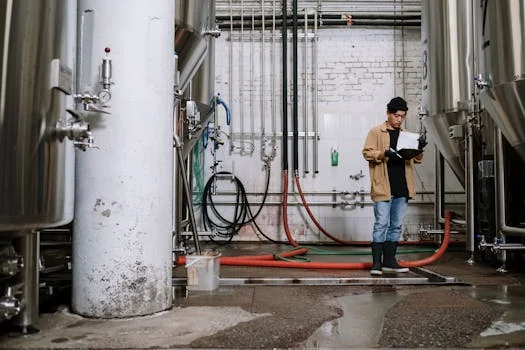
A structured approach to equipment selection is crucial for Ontario industrial facilities to ensure the chosen wastewater treatment system effectively addresses compliance needs and operational efficiency. Following a systematic checklist minimizes risks and optimizes investment.
Step 1: Characterize wastewater. The foundational step involves comprehensive lab testing to determine the exact flow rate, contaminant profile (e.g., TSS, BOD, FOG, heavy metals like lead or arsenic), and variability of your industrial effluent. This data informs the entire design process, as an accurate understanding of influent quality is non-negotiable for effective treatment.
Step 2: Match technology to contaminants. Once characterized, select technologies specifically designed for your identified pollutants. For example, DAF systems are highly effective for FOG and TSS removal in food processing, while MBR systems excel in pathogen removal and nutrient reduction for pharmaceuticals, and chemical dosing is indispensable for heavy metal precipitation in mining operations. Consider underground vs. above-ground systems for urban facilities, such as a WSZ underground integrated sewage treatment plant for space-constrained sites.
Step 3: Size the system based on peak flow. Design capacity must account for peak operational periods, not just average flow. For many industrial facilities, particularly food processing plants, sizing the system for 1.5× the average flow rate prevents overload during production surges, ensuring consistent compliance.
Step 4: Evaluate footprint constraints. Industrial facilities, especially in densely populated areas of Ontario, often have limited space. Assess whether your site can accommodate the physical footprint of the proposed system. Modular designs, compact units, or integrated systems like the DF MBR membrane bioreactor module can be crucial for optimizing space utilization.
Step 5: Assess automation needs. Determine the level of automation required. PLC (Programmable Logic Controller) based control systems offer remote monitoring, data logging, and automated adjustments, which are beneficial for large-scale operations or remote sites with limited on-site personnel. Manual control might suffice for simpler, smaller systems.
Step 6: Compare supplier proposals using a weighted scoring matrix. Objectively evaluate supplier proposals by creating a weighted scoring matrix. Allocate percentages to key criteria such as compliance capabilities (e.g., 40%), total cost (CAPEX + OPEX, 30%), maintenance requirements and ease of operation (20%), and local support and service availability (10%). This quantitative approach ensures a balanced decision based on your facility’s priorities.
| Selection Step | Key Action / Consideration | Impact on Project | Example Criteria / Data |
|---|---|---|---|
| 1. Characterize Wastewater | Comprehensive lab testing (TSS, BOD, FOG, Heavy Metals) | Defines treatment challenge, prevents under/oversizing | Flow rate (m³/h), BOD (mg/L), pH range, temperature |
| 2. Match Technology to Contaminants | Align treatment process with specific pollutants | Ensures compliance, optimizes removal efficiency | DAF for FOG/TSS, MBR for pathogens/nutrients, Chemical for heavy metals |
| 3. Size System Based on Peak Flow | Design for maximum anticipated discharge, not just average | Prevents non-compliance during peak loads, avoids bottlenecks | 1.5× average flow for food processing, 2.0× for batch discharges |
| 4. Evaluate Footprint Constraints | Consider available physical space for installation | Influences system type (compact, modular, underground) | Total footprint (m²), height restrictions, integration with existing infrastructure |
| 5. Assess Automation Needs | Determine level of control required for operation | Affects labor costs, reliability, remote management capabilities | PLC control for data logging/remote access, manual for simpler systems |
| 6. Compare Supplier Proposals | Use weighted scoring matrix for objective evaluation | Ensures balanced decision (performance, cost, support) | Compliance (40%), Cost (30%), Maintenance (20%), Local Support (10%) |
Frequently Asked Questions
Industrial operators in Ontario frequently inquire about regulatory penalties, technology selection, disposal regulations, financial incentives, and overall treatment costs. Here are common questions with data-driven answers:
What are the penalties for non-compliance with OWRA in Ontario?
Fines for non-compliance with the Ontario Water Resources Act (OWRA) can range from $25,000 to $500,000 per day for corporations, with potential criminal charges for repeat offenses or severe environmental damage (OWRA Section 106). Individuals can also face significant fines and imprisonment.
How do I choose between DAF and MBR for my food processing plant?
DAF (Dissolved Air Flotation) is generally more cost-effective for primary removal of FOG (Fats, Oils, and Grease) and TSS (Total Suspended Solids), with CAPEX typically ranging from $0.8M–$1.5M for a moderate-sized system. MBR (Membrane Bioreactor) is better suited for achieving very high effluent quality, including pathogen removal and nutrient reduction, making it ideal for water reuse applications; CAPEX for MBR systems typically ranges from $2M–$4M. Use this decision tree: If primary FOG/TSS removal is the main goal and space is a concern, consider DAF. If high-quality effluent for discharge or reuse, pathogen removal, and nutrient control are critical, MBR is the superior choice.
What are the sludge disposal regulations in Ontario?
Sludge generated from industrial wastewater treatment in Ontario must undergo testing for heavy metals (e.g., cadmium must be less than 3 mg/kg) and pathogens before it can be approved for land application or landfill disposal (Ontario Regulation 267/03). Disposal costs vary, with landfilling typically ranging from $150–$300/tonne, and specific requirements depending on the sludge's classification as hazardous or non-hazardous waste.
Are there government grants for industrial wastewater treatment in Ontario?
Yes, Ontario offers various incentives. The Green Investment Fund, for example, provides up to 50% cost-sharing for water efficiency and wastewater treatment upgrade projects, with a maximum grant of $1M per facility. Other programs may exist through federal initiatives or local conservation authorities, supporting projects that demonstrate environmental benefits and water conservation.
How much does it cost to treat 1 m³ of industrial wastewater in Ontario?
The operational cost to treat 1 m³ of industrial wastewater in Ontario can range significantly, from approximately $0.50/m³ for simpler DAF systems targeting basic TSS and FOG removal, up to $2.50/m³ for advanced MBR + Reverse Osmosis (RO) systems achieving stringent water reuse quality. This cost depends heavily on the influent contaminant load, the required effluent quality, energy consumption, chemical usage, and sludge disposal volume.
Related Equipment
The following HydropureWater products are engineered for the wastewater challenges discussed above:
- DAF systems for Ontario’s food processing and metalworking industries — view specifications, capacity range, and technical data
- Integrated MBR systems for pharmaceutical and automotive wastewater in Ontario — view specifications, capacity range, and technical data
- PLC-controlled chemical dosing for heavy metal precipitation in Ontario mining operations — view specifications, capacity range, and technical data
- High-efficiency filter presses for Ontario’s sludge disposal regulations — view specifications, capacity range, and technical data
Need a customized solution? Request a free quote with your specific flow rate and pollutant parameters.