Chile’s Industrial Wastewater Treatment Landscape: Regulatory Drivers and Sector-Specific Challenges
In Chile, industrial wastewater treatment is governed by strict SISS standards, including ≤30% moisture for landfilled sludge (DS 60/2004) and ≤10% for agricultural reuse (DS 4/2009). For mining and pulp & paper sectors, screw presses and geotextile tubes dominate due to their ability to achieve 35–40% solids content at lower operational costs ($50–$150/ton disposal). Belt filter presses, while common in municipal plants (90–95% solids capture), consume 0.5–1.2 kWh/m³—critical for facilities like El Trebal Mapocho, where a 5% efficiency gain saves $270,000 annually. This guide provides engineering specs, compliance thresholds, and cost-optimized equipment selection for Chilean industries.
The Superintendencia de Servicios Sanitarios (SISS) sets the benchmark for wastewater discharge and sludge management in Chile. Key regulations such as DS 60/2004 stipulate that sludge intended for landfill must not exceed 30% moisture content, while DS 4/2009 imposes an even stricter limit of 10% moisture for agricultural reuse. For the mining sector, SERNAGEOMIN's DS 132/2002 is paramount, requiring copper slurry to achieve a minimum of 35% solids for stability and safe handling. These regulatory mandates directly influence the selection of wastewater treatment technologies, particularly sludge dewatering equipment, as non-compliance leads to significant penalties and operational disruptions.
Different industrial sectors present unique wastewater challenges. Mining operations often generate high volumes of slurry with suspended solids and heavy metals, necessitating robust dewatering solutions to meet DS 132/2002. The pulp and paper industry contends with high concentrations of Total Suspended Solids (TSS), Chemical Oxygen Demand (COD), and lignin, requiring effective primary and secondary treatment. Chemical plants must manage a diverse range of contaminants, including heavy metals and varying pH levels, demanding precise treatment processes. Food processing facilities typically deal with Fats, Oils, and Grease (FOG) and high Biological Oxygen Demand (BOD), often requiring pre-treatment steps like dissolved air flotation.
Disposal costs for industrial sludge vary significantly across Chile. While the national average for landfilling ranges from $50 to $150 per ton, regions like Valparaíso and Santiago face higher expenses due to limited landfill capacity and increased transportation distances. These regional disparities underscore the economic imperative for efficient on-site dewatering. For instance, a municipal plant processing 150 tons of sludge daily could realize annual savings exceeding $270,000 by improving dewatering efficiency by just 5%, as demonstrated by operations similar to El Trebal Mapocho.
| Sector | Key Contaminants/Challenges | Relevant Regulations | Typical Dewatering Target Solids (%) | Estimated Disposal Cost ($/ton) |
|---|---|---|---|---|
| Mining | Copper slurry, heavy metals, high TSS | SERNAGEOMIN DS 132/2002 (≥35% solids) | 35-40% | 70-130 |
| Pulp & Paper | TSS, COD, lignin, BOD | SISS Standards (DS 60/2004, DS 4/2009) | 25-35% (pre-dewatering), 40-50% (final cake) | 60-120 |
| Chemical | Heavy metals, pH extremes, specific organic compounds | SISS Standards (DS 60/2004, DS 4/2009) | 30-50% (depending on sludge type) | 80-150 |
| Food Processing | FOG, BOD, TSS | SISS Standards (DS 60/2004, DS 4/2009) | 20-30% (pre-dewatering), 40-60% (final cake) | 50-100 |
Sludge Dewatering Technologies for Chilean Industries: Engineering Specs and Performance Benchmarks
Selecting the appropriate sludge dewatering technology is crucial for meeting Chilean regulatory requirements and optimizing operational costs. The primary goal is to reduce the sludge volume by removing water, thereby decreasing transportation and disposal expenses. Each technology offers a distinct balance of solids capture, energy consumption, operational complexity, and capital investment, making a comparative analysis essential for informed decision-making.
Belt filter presses are widely adopted in municipal wastewater treatment plants due to their ability to achieve high solids capture rates, typically between 90% and 95%. They are known for their continuous operation and relatively low operator intervention once set up. However, their energy consumption can be significant, ranging from 0.5 to 1.2 kWh/m³ of treated sludge. Belt presses require careful maintenance to prevent belt mistracking and wear. For facilities like El Trebal Mapocho, where efficient dewatering directly translates to substantial cost savings, a 5% improvement in cake dryness can reduce annual expenses by over $270,000 through reduced hauling and tipping fees.
Screw presses have emerged as a preferred technology for many industrial applications, particularly in the mining and pulp & paper sectors, due to their robustness, compact footprint, and ability to achieve higher solids content, often in the range of 35% to 40%. Their energy consumption is considerably lower than belt presses, typically falling between 0.3 and 0.8 kWh/m³. This efficiency, combined with their suitability for handling abrasive or sticky sludges, makes them a cost-effective solution for industries dealing with challenging waste streams. The operational simplicity and lower maintenance requirements also contribute to their appeal.
Geotextile tubes offer a low-energy, highly flexible dewatering solution, especially beneficial for remote mining sites or for dewatering lagoon sludge. These systems utilize gravity and polymer conditioning to dewater sludge contained within large, permeable fabric bags. They achieve solids content typically between 30% and 40%. While their energy input is minimal, they require higher polymer consumption, often ranging from 1.5 to 3 kg per ton of dry solids, which can impact operational expenditure. Their modular nature allows for scalable dewatering operations.
Other technologies, such as mobile polymer-dosed units, provide flexibility for temporary or seasonal dewatering needs, especially for lagoon sludge. However, their operational expenditure (OPEX) can be higher due to the constant need for polymers and the costs associated with mobile unit deployment and maintenance. The key process parameters to consider for any dewatering technology include the influent solids concentration, the effectiveness and efficiency of polymer dosing systems (which are critical for flocculation and water release), and the achievable cake dryness targets that align with regulatory compliance and disposal requirements.
| Technology | Typical Solids Capture (%) | Energy Consumption (kWh/m³) | Polymer Consumption (kg/ton dry solids) | Primary Applications in Chile | Advantages | Disadvantages |
|---|---|---|---|---|---|---|
| Belt Filter Press | 90-95% | 0.5-1.2 | 0.5-1.5 | Municipal wastewater, some industrial (high TSS) | High throughput, continuous operation | Higher energy use, sensitive to sludge variability, maintenance intensive |
| Screw Press | 35-40% | 0.3-0.8 | 0.5-1.5 | Mining, Pulp & Paper, Chemical, Food Processing | Robust, energy-efficient, handles abrasive sludge, compact | Lower cake dryness than belt press (initially), can be sensitive to fine solids |
| Geotextile Tubes | 30-40% | Minimal (pump energy) | 1.5-3.0 | Remote mining sites, lagoon sludge, intermittent dewatering | Low energy, flexible capacity, minimal operator intervention | Higher polymer cost, larger footprint during operation, disposal of spent tubes |
| Plate and Frame Filter Press | 40-60% | 0.2-0.5 (for pumps) | 1.0-2.5 | Chemical, Pharmaceutical, Metal finishing (for hazardous sludge) | High cake dryness, effective for hazardous materials, adaptable | Batch process, higher CAPEX for larger units, labor intensive |
Cost Breakdown: CAPEX, OPEX, and ROI for Industrial Wastewater Treatment in Chile

A thorough understanding of Capital Expenditure (CAPEX) and Operational Expenditure (OPEX) is vital for evaluating the financial viability of industrial wastewater treatment equipment in Chile. Beyond the initial purchase price, long-term costs associated with energy, chemicals, maintenance, and sludge disposal must be factored into the total cost of ownership and Return on Investment (ROI) calculations. Transparent cost analysis empowers procurement managers and operations directors to make data-driven investment decisions that align with both compliance mandates and budgetary constraints.
CAPEX for sludge dewatering equipment varies significantly by technology and capacity. For belt filter presses, the initial investment can range from $80,000 to $200,000 for industrial-scale units. Screw presses typically fall within a similar range, from $60,000 to $150,000, offering a competitive CAPEX profile for their performance. Geotextile tube systems, particularly mobile units, have a lower entry CAPEX, often between $20,000 and $50,000, making them attractive for smaller operations or pilot projects. For specialized applications requiring high solids capture and containment, such as in the chemical industry dealing with hazardous waste, a high-efficiency plate and frame filter press for industrial sludge dewatering can range from $100,000 to $300,000 or more, depending on the number of plates and filtration area.
OPEX drivers are critical for long-term cost management. Energy costs in Chile, averaging $0.10–$0.15 per kWh, directly impact the operational expense of energy-intensive technologies like belt presses. Polymer costs, ranging from $2 to $5 per kilogram, are a significant factor for technologies like geotextile tubes and some screw press applications. Maintenance costs can vary from $5,000 to $20,000 per year, depending on the complexity and usage of the equipment. The most substantial OPEX component, however, remains sludge disposal, which can cost between $50 and $150 per ton. Reducing the volume of sludge through efficient dewatering directly translates to lower disposal fees.
The ROI calculation framework hinges on comparing the annual savings generated by reduced sludge disposal costs against the amortized CAPEX and ongoing OPEX. For example, a mining facility processing 100 tons of wet sludge per day, with disposal costs of $120/ton, could potentially save $1.1 million over a 10-year equipment lifespan by implementing a screw press that achieves 40% solids compared to a belt press resulting in 30% solids. This calculation would involve deducting energy, polymer, and maintenance costs from the gross savings. It's also crucial to account for hidden costs such as compliance testing, operator training, and potential downtime for maintenance, which can affect overall profitability.
| Cost Component | Typical Range (USD) | Notes |
|---|---|---|
| CAPEX | One-time investment | |
| Belt Filter Press | $80,000 - $200,000 | Varies with capacity and automation |
| Screw Press | $60,000 - $150,000 | Varies with capacity and materials |
| Geotextile Tubes (Mobile Unit) | $20,000 - $50,000 | Initial purchase of mobile dewatering unit |
| Plate & Frame Filter Press | $100,000 - $300,000+ | Depends on plate size, number of plates, automation |
| OPEX | Recurring operational costs | |
| Energy | $0.10 - $0.15 / kWh | Chilean electricity rates |
| Polymer | $2.00 - $5.00 / kg | Cost varies by type and supplier |
| Maintenance | $5,000 - $20,000 / year | Depends on equipment type and usage |
| Sludge Disposal | $50 - $150 / ton | Highly dependent on region and landfill fees |
Equipment Selection Framework: Matching Technology to Chilean Industrial Needs
Selecting the optimal industrial wastewater treatment equipment in Chile requires a systematic approach that considers regulatory compliance, sector-specific challenges, operational constraints, and economic factors. A well-defined decision framework ensures that the chosen technology not only meets current needs but also provides long-term cost-efficiency and reliability. This guide provides a step-by-step process to navigate these choices.
Begin by assessing your primary compliance objective. Is your sludge destined for landfill disposal under DS 60/2004 (≤30% moisture), agricultural reuse under DS 4/2009 (≤10% moisture), or are you subject to sector-specific stability requirements like mining (≥35% solids)? This initial question will heavily influence the achievable cake dryness required.
Next, characterize your influent sludge. What is the typical influent solids concentration? What is the nature of the solids (e.g., fine particles, fibrous material, sticky)? Understanding these properties is critical. For example, mining operations with high copper slurry concentrations and stability requirements would strongly favor technologies like screw presses or geotextile tubes capable of reaching ≥35% solids. Pulp and paper facilities with high TSS loads might benefit from belt filter presses due to their high throughput, or potentially a DAF system for pre-treatment of high-TSS industrial wastewater to reduce the load on downstream dewatering.
Consider operational factors. Do you have access to reliable power and trained personnel for complex machinery, or is a simpler, more robust solution preferred, especially for remote sites? Geotextile tubes are ideal for remote locations with minimal power availability, while belt presses require more consistent operation and maintenance. Chemical plants dealing with hazardous or difficult-to-dewater sludges might find a high-efficiency plate and frame filter press for industrial sludge dewatering to be the most suitable, despite higher CAPEX and batch operation, due to its ability to achieve very dry cakes and contain hazardous materials.
Evaluate economic considerations. What is your budget for CAPEX, and what are your long-term OPEX targets? A higher CAPEX technology with lower OPEX (like a screw press with lower energy and polymer use) might offer a better ROI over the equipment's lifespan than a lower CAPEX option with higher ongoing costs. Finally, consider vendor support. Look for suppliers with a proven track record in Chile, local service capabilities, readily available spare parts, and references from similar industrial applications. Certifications such as ISO 9001 and evidence of SISS compliance for their equipment are also important indicators of quality and reliability. For advanced treatment needs, an MBR system for near-reuse-quality effluent in industrial applications might be considered for water recycling purposes.
Decision Tree for Equipment Selection:
- Regulatory Compliance: What is the target cake moisture content for disposal/reuse (e.g., DS 60/2004 ≤30%, DS 4/2009 ≤10%, SERNAGEOMIN DS 132/2002 ≥35% solids)?
- Influent Sludge Characteristics: What is the typical influent solids concentration? What is the sludge composition (e.g., abrasive, sticky, fine particles)?
- Operational Environment: Is the site remote or urban? What is the availability of skilled labor and utilities (power, water)?
- Throughput Requirements: What is the daily/hourly volume of sludge to be treated? Is continuous or batch operation preferred?
- Economic Factors: What is the CAPEX budget? What are the long-term OPEX targets (energy, chemicals, disposal)? What is the acceptable ROI timeframe?
- Technology Suitability:
- Mining: Screw Press or Geotextile Tubes for ≥35% solids.
- Pulp & Paper: Belt Press for high TSS throughput, or Screw Press for higher solids.
- Chemical: Plate and Frame Filter Press for hazardous/difficult sludge, or Screw Press for general industrial waste.
- Food Processing: Screw Press or Belt Press, often preceded by DAF.
- Vendor Selection: Prioritize local support, certifications, and relevant case studies.
Case Study: Copper Mine in Antofagasta Achieves 40% Solids with Screw Press and Cuts Disposal Costs by 30%
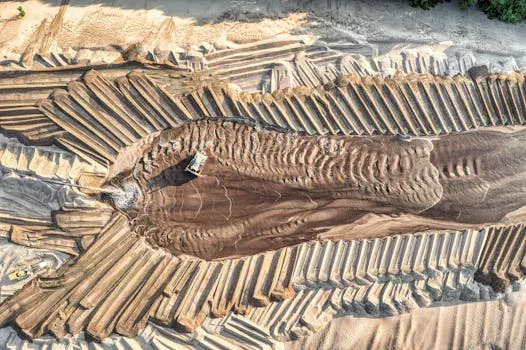
A large copper mining operation located in the Antofagasta region of Chile faced significant challenges with its wastewater sludge management. The existing dewatering process was yielding a slurry with only 25% solids content, failing to meet the stability requirements stipulated by SERNAGEOMIN DS 132/2002, which mandates a minimum of 35% solids for copper slurry. This low solids content resulted in excessively large volumes of material requiring transportation and disposal, incurring costs of approximately $120 per ton.
To address these issues, the mine decided to invest in a robust dewatering solution. After a thorough evaluation of available technologies, they opted to install a high-capacity screw press. This decision was driven by the screw press's proven ability to handle abrasive materials common in mining, its relatively low energy consumption, and its capacity to achieve higher cake dryness.
The implemented process flow involved initial thickening of the slurry to increase influent solids concentration, followed by precise polymer dosing to condition the sludge for optimal dewatering. The conditioned sludge was then fed into the screw press. The system was engineered to consistently achieve a cake solids content of 40%, significantly exceeding the regulatory minimum and substantially reducing the overall sludge volume.
The impact of this upgrade was immediate and substantial. By increasing the cake solids from 25% to 40%, the mine effectively reduced the volume of sludge requiring disposal by approximately 30%. This reduction directly translated into lower transportation and tipping fees, bringing the disposal cost down to an estimated $84 per ton. Over the course of a year, these savings amounted to an impressive $1.3 million. the mine achieved full compliance with SERNAGEOMIN DS 132/2002, eliminating the risk of non-compliance penalties and ensuring operational continuity. The optimized polymer consumption, a critical factor in OPEX, was reduced by 15% through careful calibration and monitoring, further enhancing the economic benefits.
Lessons learned from this project highlighted the importance of polymer dosing optimization, even in robust technologies like screw presses. Continuous monitoring and adjustment of polymer rates based on sludge characteristics can lead to significant OPEX savings. Additionally, comprehensive operator training on maintenance and operational best practices was identified as crucial for maximizing the equipment's lifespan and performance. This case study exemplifies how strategic investment in appropriate dewatering technology can resolve compliance issues, drive substantial cost reductions, and improve overall operational efficiency in the demanding Chilean mining sector.
Frequently Asked Questions
What are the SISS standards for industrial wastewater discharge in Chile?
The primary SISS standards for industrial wastewater sludge in Chile are DS 60/2004, which mandates a maximum moisture content of 30% for sludge destined for landfill, and DS 4/2009, which requires a maximum of 10% moisture for sludge intended for agricultural reuse. For the mining sector, SERNAGEOMIN DS 132/2002 is also critical, specifying a minimum solids content of 35% for copper slurry to ensure stability.
How much does sludge disposal cost in Chile?
Sludge disposal costs in Chile generally range from $50 to $150 per ton. This price is highly dependent on the distance to the nearest approved landfill and the region. Areas with limited landfill capacity, such as Valparaíso and Santiago, tend to have higher disposal costs.
Which dewatering technology is best for mining wastewater in Chile?
For mining wastewater in Chile, screw presses or geotextile tubes are generally considered the best dewatering technologies. They are capable of achieving the required 35–40% solids content to comply with SERNAGEOMIN DS 132/2002 and are robust enough to handle the abrasive nature of mining slurries. Belt presses are less suitable as they typically achieve lower solids capture rates.
What’s the energy consumption of a belt filter press vs. a screw press?
Belt filter presses typically consume between 0.5 and 1.2 kWh/m³ of treated sludge. In contrast, screw presses are more energy-efficient, consuming approximately 0.3 to 0.8 kWh/m³. This difference makes screw presses a more cost-effective choice for high-volume industrial dewatering operations in terms of energy expenditure.
How can I reduce polymer consumption in sludge dewatering?
Reducing polymer consumption involves optimizing the polymer dosing process. This can be achieved through regular jar testing to determine the most effective polymer type and dosage rate for your specific sludge. Ensuring proper mixing of the polymer with the sludge and maintaining the dewatering equipment (e.g., checking screw press flights for wear) can also prevent over-dosing. Typical polymer consumption for geotextile tubes is 1.5–3 kg/ton dry solids, while screw presses often require 0.5–1.5 kg/ton dry solids.
Further Reading
Explore these in-depth articles on related wastewater treatment topics: