Industrial wastewater treatment in Porto requires systems that meet EU Directive 91/271/EEC and Portuguese Decreto-Lei 236/98, with effluent limits of <125 mg/L COD, <25 mg/L BOD₅, and <35 mg/L TSS. Porto Sudeste’s 2022 data demonstrates 80% water reuse (162,000 m³/year) via rainwater and sanitary effluent treatment, reducing well water use by 37%. For factories, MBR systems for high-efficiency wastewater treatment in Porto (e.g., Porto Itapoá’s 7.3M L/year plant) achieve <10 mg/L BOD₅ but require higher CAPEX (€1.2M–€3M for 50–200 m³/h), while DAF systems for FOG and suspended solids removal in Porto offer cost-effective pretreatment (€200K–€800K) for FOG and suspended solids removal.
Why Porto’s Industrial Sector Needs Advanced Wastewater Treatment in 2025
Stricter enforcement of EU Directive 91/271/EEC and Portuguese Decreto-Lei 236/98 in 2025 will expose Porto’s industrial facilities and ports to fines up to €50,000 for non-compliance, according to APA 2024 guidelines. Industrial zones such as Leixões Port and Maia Industrial Park are under increasing scrutiny to upgrade their wastewater treatment infrastructure. This regulatory pressure is compounded by the escalating challenge of water scarcity in Northern Portugal, where a 2023 drought reduced Douro River flow by 40% (per SNIRH data), making treated wastewater an increasingly vital resource for industrial processes.
Beyond compliance, significant financial incentives drive the adoption of advanced treatment systems. Porto Sudeste’s 2022 case study highlights an 80% water reuse rate, translating to 162,000 m³/year of reclaimed water, which saved €180,000 annually in well water costs and reduced freshwater consumption by 37%. This demonstrates a clear path for other Porto-based industries to achieve both environmental sustainability and substantial operational savings. Common contaminants in Porto’s industrial effluent—including heavy metals like Copper (Cu), Nickel (Ni), and Chromium (Cr) from metalworking, Fats, Oils, and Grease (FOG) from food processing, and high Chemical Oxygen Demand (COD) from textile and pulp industries—necessitate robust and specialized treatment solutions to meet stringent discharge and reuse standards.
Engineering Specs for Porto’s Industrial Wastewater Treatment Systems
Portuguese Decreto-Lei 236/98 mandates industrial effluent discharge limits of less than 125 mg/L for Chemical Oxygen Demand (COD), 25 mg/L for Biochemical Oxygen Demand (BOD₅), and 35 mg/L for Total Suspended Solids (TSS), alongside a pH range of 6–9. Exceeding these parameters can lead to significant penalties, making it crucial for industrial facilities to design systems that consistently achieve or surpass these limits. For heavy metals, specific limits apply, such as Cu <1 mg/L, Ni <2 mg/L, and Cr <0.5 mg/L (per APA 2024 guidelines), requiring specialized heavy metal treatment for Porto’s metalworking and electronics industries.
High-efficiency systems, such as the Membrane Bioreactor (MBR) deployed at Porto Itapoá, demonstrate exceptional performance. This MBR system achieves a 95% COD removal efficiency (reducing influent levels of 500 mg/L to an effluent of 25 mg/L) and 98% TSS removal, with a compact footprint of 0.5 m²/m³/day (per 2023 operational data). For pretreatment, Dissolved Air Flotation (DAF) systems are highly effective. Porto Sudeste’s DAF system, for instance, achieves 90% FOG removal (reducing influent 200 mg/L to effluent 20 mg/L) and 85% TSS removal, operating at a hydraulic loading rate of 5–10 m/h (per Waterleau Portugal specs). Understanding how DAF systems work for Porto’s food processing and textile wastewater is key to optimizing their performance.
Chemical dosing is often critical for pH adjustment and enhanced contaminant removal. Sulfuric acid (98%) or caustic soda (32%) are commonly used, with dosing rates typically ranging from 0.1–0.5 L/m³ for textile and pulp effluent to achieve the required pH range (per APA 2024 guidelines). Sludge production is a significant operational consideration; MBR systems typically generate 0.2–0.4 kg TSS/kg BOD removed, while DAF systems produce 0.1–0.3 kg TSS/kg COD removed (per EPA 2023 benchmarks). These figures inform downstream sludge dewatering and disposal strategies.
| Parameter | Portuguese Discharge Limit (Decreto-Lei 236/98) | MBR System Performance (e.g., Porto Itapoá) | DAF System Performance (e.g., Porto Sudeste) |
|---|---|---|---|
| COD | <125 mg/L | <25 mg/L (95% removal from 500 mg/L influent) | 70-80% removal (pretreatment) |
| BOD₅ | <25 mg/L | <10 mg/L (98% removal) | Not primary target, some removal |
| TSS | <35 mg/L | <5 mg/L (98% removal) | <30 mg/L (85% removal from 200 mg/L influent) |
| FOG | Varies by industry, often <15 mg/L | Low removal (not primary target) | <20 mg/L (90% removal from 200 mg/L influent) |
| pH | 6–9 | 6–9 (post-treatment, if required) | 6–9 (requires chemical dosing) |
| Footprint | N/A | 0.5 m²/m³/day | 1.2 m²/m³/day |
| Water Reuse Potential | High (tertiary standard) | Excellent (>80% possible) | Good (pre-treatment for reuse) |
Treatment Technologies Compared: MBR vs. DAF vs. Lamella Clarifiers for Porto’s Factories
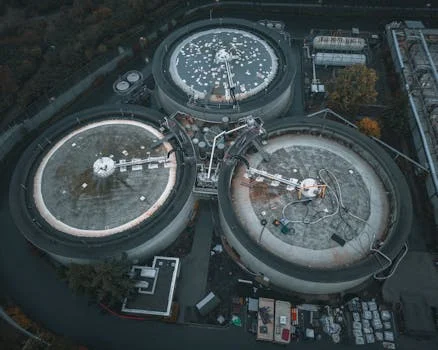
Membrane Bioreactor (MBR) systems are optimally suited for industrial facilities in Porto dealing with high organic loads (COD >500 mg/L) and aiming for significant water reuse, as demonstrated by their 95% COD removal efficiency (Porto Itapoá, 2023 operational data). The capital expenditure (CAPEX) for MBR systems typically ranges from €1.2M–€3M for capacities of 50–200 m³/h, with operational expenditure (OPEX) at €0.30–€0.50/m³, primarily driven by energy consumption and membrane replacement every 5–7 years. MBR technology delivers superior effluent quality, often suitable for direct reuse, making it ideal for industries like textile and pulp where high COD is prevalent.
DAF systems for FOG and suspended solids removal in Porto are ideal for effective pretreatment, particularly for removing Fats, Oils, and Grease (FOG), oils, and suspended solids. Case studies like Porto Sudeste illustrate DAF's efficacy in achieving 90% FOG removal in food processing wastewater. CAPEX for DAF systems is significantly lower, ranging from €200K–€800K for flow rates of 10–300 m³/h, with OPEX between €0.10–€0.25/m³, largely influenced by chemical costs. DAF is a robust solution for industries like food processing and certain manufacturing sectors where FOG and suspended solids are primary concerns.
Lamella clarifiers offer a cost-effective solution for industrial wastewater with high Total Suspended Solids (TSS) concentrations, typically >500 mg/L. Their CAPEX is the lowest among the three, from €150K–€600K for 50–500 m³/h systems, and OPEX is also minimal at €0.05–€0.15/m³, due to low energy consumption and minimal chemical requirements. Lamella clarifiers are well-suited for metalworking industries in Porto, where particulate matter and heavy metal precipitates are common. While not achieving the same effluent quality as MBR, they provide excellent primary or secondary treatment.
Footprint is another critical factor in space-constrained industrial environments. MBR systems are the most compact, requiring approximately 0.5 m²/m³/day. DAF systems require more space at 1.2 m²/m³/day, while lamella clarifiers, despite their efficiency, typically demand the largest footprint at 2.0 m²/m³/day due to their design for gravity sedimentation.
| Technology | Primary Application (Porto Use Cases) | Key Advantages | CAPEX (50-200 m³/h) | OPEX (€/m³) | Footprint (m²/m³/day) | Effluent Quality |
|---|---|---|---|---|---|---|
| MBR Systems | High organic loads (COD >500 mg/L), water reuse (Textile, Pulp, Chemical) | Superior effluent quality, compact, high removal rates | €1.2M–€3M | €0.30–€0.50 | 0.5 | Excellent (reuse-ready) |
| DAF Systems | FOG, oils, suspended solids (Food Processing, Meat, Dairy) | Effective pretreatment, robust, quick startup | €200K–€800K | €0.10–€0.25 | 1.2 | Good (for pretreatment/solids removal) |
| Lamella Clarifiers | High TSS >500 mg/L, heavy metal precipitation (Metalworking, Mining) | Cost-effective, low energy, simple operation | €150K–€600K | €0.05–€0.15 | 2.0 | Moderate (solids removal) |
Cost Breakdown and ROI for Industrial Wastewater Systems in Porto
Capital expenditure (CAPEX) for industrial wastewater treatment systems in the Porto market for 2025 ranges from €1.2M–€3M for MBR systems (50–200 m³/h) to €150K–€600K for lamella clarifiers (50–500 m³/h), reflecting varied technology complexity and capacity. DAF systems fall in the middle, with CAPEX between €200K–€800K for 10–300 m³/h. These figures encompass equipment, installation, and initial commissioning, providing global cost benchmarks for wastewater treatment systems that can be adapted to Porto's specific market conditions.
Operational expenditure (OPEX) varies significantly by technology. For MBR systems, OPEX is typically €0.30–€0.50/m³, with approximately 60% attributed to energy consumption and 30% to membrane replacement. DAF systems have an OPEX of €0.10–€0.25/m³, where chemical costs dominate, accounting for about 70% of the total. Lamella clarifiers offer the lowest OPEX at €0.05–€0.15/m³, with sludge disposal representing roughly 80% of these costs. Automatic chemical dosing systems for pH adjustment in Porto’s industrial wastewater can optimize chemical usage, reducing OPEX for DAF and other chemical-intensive processes.
The return on investment (ROI) for advanced wastewater treatment can be substantial, particularly with water reuse. Porto Sudeste’s experience, with €180,000/year savings from water reuse (162,000 m³/year at €1.10/m³ well water cost), demonstrates a 3.5-year payback period on their €630,000 Effluent Treatment System (ETE). the Portugal 2020 program offers 30–50% grants for industrial water efficiency projects (per AICEP 2024 guidelines), significantly reducing initial CAPEX and accelerating ROI. To estimate ROI, key inputs for a calculator include flow rate (m³/h), influent COD/TSS (mg/L), local water cost (€/m³), and discharge fees (€/m³).
| Cost Component | MBR Systems (50-200 m³/h) | DAF Systems (10-300 m³/h) | Lamella Clarifiers (50-500 m³/h) |
|---|---|---|---|
| CAPEX Range (2025 Porto Market) | €1.2M–€3M | €200K–€800K | €150K–€600K |
| OPEX Range (€/m³) | €0.30–€0.50 | €0.10–€0.25 | €0.05–€0.15 |
| Primary OPEX Drivers | 60% Energy, 30% Membrane Replacement | 70% Chemicals, 20% Energy | 80% Sludge Disposal, 10% Energy |
| Typical Payback Period (with reuse) | 3-5 years | 2-4 years | 4-6 years (via reduced discharge fees) |
| Available Subsidies (Portugal 2020) | 30–50% grants | 30–50% grants | 30–50% grants |
Compliance Checklist: Meeting Porto’s Wastewater Regulations in 2025
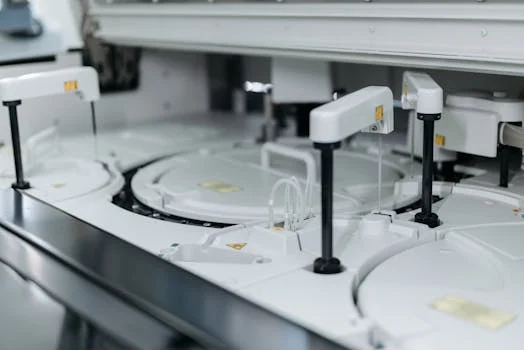
The EU Urban Waste Water Directive 91/271/EEC stipulates mandatory secondary treatment for agglomerations exceeding 2,000 Population Equivalents (PE) and tertiary treatment for discharges into sensitive areas, such as the Douro River basin. Industrial facilities in Porto must adhere strictly to these directives, which are transposed into national law via Portuguese Decreto-Lei 236/98. This decree sets specific effluent limits: COD <125 mg/L, BOD₅ <25 mg/L, TSS <35 mg/L, and a pH range of 6–9. heavy metal concentrations are tightly regulated, with limits such as Cu <1 mg/L, Ni <2 mg/L, and Cr <0.5 mg/L, necessitating precise treatment processes.
APA 2024 guidelines (Portaria 1450/2007) mandate rigorous monitoring protocols, including quarterly sampling for COD, BOD₅, and TSS, and annual sampling for heavy metals. Continuous monitoring for pH and flow rate is also often required, particularly for larger facilities. Before construction, facilities must submit their project to APA at least six months in advance. This submission must include detailed engineering specifications, an Environmental Impact Assessment (EIA) if the facility exceeds 10,000 PE, and a comprehensive operator training plan. Common compliance violations observed in Porto include exceeding TSS limits (30% of cases), pH levels falling outside the acceptable range (25%), and inadequate sludge disposal practices (20%) (per APA 2023 enforcement data), underscoring the need for robust system design and operational vigilance.
Frequently Asked Questions
What are the discharge limits for industrial wastewater in Porto?
Porto follows EU Directive 91/271/EEC and Portuguese Decreto-Lei 236/98, requiring COD <125 mg/L, BOD₅ <25 mg/L, TSS <35 mg/L, and pH 6–9. Heavy metals like copper must be <1 mg/L (per APA 2024 guidelines).
How much does an MBR system cost for a 100 m³/h factory in Porto?
CAPEX for a 100 m³/h MBR system in Porto typically ranges from €1.8M–€2.5M, with OPEX of €0.35–€0.45/m³. Porto Sudeste’s 2022 data shows a 3–5 year payback period is achievable via water reuse savings, given a well water cost of €1.10/m³.
Can DAF systems handle Porto’s textile wastewater?
Yes, DAF systems are effective for pretreatment of textile effluent, removing 85–90% of TSS and 70–80% of COD from influent streams with 800–1,200 mg/L COD. Porto Sudeste’s DAF system, for example, achieves 90% FOG removal for food processing wastewater, demonstrating its strong solids and FOG separation capabilities.
What subsidies are available for wastewater treatment in Porto?
The Portugal 2020 program offers 30–50% grants for industrial water efficiency projects. Eligible costs include MBR and DAF systems, automation, and water reuse infrastructure, aimed at promoting sustainable water management (per AICEP 2024).
How do I choose between MBR and DAF for my Porto factory?
Choose MBR for high organic loads (COD >500 mg/L) and when water reuse is a primary goal due to its superior effluent quality. Opt for DAF systems for efficient removal of FOG, oils, and suspended solids, typically as a pretreatment step. MBR has higher CAPEX (€1.2M–€3M) but often enables greater water reuse, while DAF has lower CAPEX (€200K–€800K) and OPEX (€0.10–€0.25/m³) but generally provides a lower level of treatment suitable for discharge or further treatment.