Display Panel Developer Wastewater Treatment: 2025 Engineering Specs, TMAH Removal & Zero Liquid Discharge Systems
Display panel developer wastewater requires specialized treatment to remove tetramethylammonium hydroxide (TMAH) and heavy metals like copper, nickel, and chromium to meet SEMI S23-0718 limits (<0.5 mg/L TMAH, <0.1 mg/L metals). A 100 m³/h hybrid ZLD system combining dissolved air flotation (DAF), membrane bioreactors (MBR), and reverse osmosis (RO) achieves 99.9% contaminant removal with CAPEX starting at $2.8M and OPEX of $1.20/m³, reducing long-term costs by 40–50% through water reuse.
Why Display Panel Developer Wastewater Requires Specialized Treatment
Display panel manufacturing generates wastewater with a complex and challenging contaminant profile that generic treatment systems cannot adequately address. The use of tetramethylammonium hydroxide (TMAH) as a strong base in etching processes makes this wastewater highly toxic to conventional microbial populations, inhibiting their ability to degrade organic matter. display panel wastewater contains heavy metals such as copper (Cu), nickel (Ni), and chromium (Cr) at concentrations often 10–100× higher than typical industrial effluents, necessitating advanced precipitation and filtration methods. High chemical oxygen demand (COD) and biological oxygen demand (BOD) loads, frequently ranging from 500–5,000 mg/L, exceed typical industrial wastewater by 5–10×, requiring significant pre-treatment to prevent membrane fouling in downstream MBR and RO systems. Failure to implement specialized treatment poses substantial environmental and regulatory risks, including hefty fines, production halts, and severe reputational damage, particularly in light of stringent regulations like the EU Industrial Emissions Directive (IED) 2010/75/EU and China GB 3157.
Regulatory Standards and Discharge Limits for Display Panel Wastewater
Compliance with stringent regulatory standards is paramount for display panel manufacturers discharging wastewater. The SEMI S23-0718 standard sets critical discharge limits for TMAH at less than 0.5 mg/L and for heavy metals (Cu, Ni, Cr) at less than 0.1 mg/L. These limits are echoed and sometimes expanded upon by global regulations such as the EU Industrial Emissions Directive (IED) 2010/75/EU and China GB 3157, which also impose restrictions on pH (typically between 6 and 9) and suspended solids (below 30 mg/L). These limits are significantly lower than typical influent concentrations, which can range from 50–200 mg/L for TMAH and 10–50 mg/L for copper, highlighting the substantial treatment challenge. Non-compliance can lead to severe repercussions, including the revocation of operating permits, substantial legal liabilities, and significant financial penalties, underscoring the need for robust and compliant treatment solutions.
| Contaminant | Typical Influent Concentration (mg/L) | SEMI S23-0718 Limit (mg/L) | EU IED / China GB 3157 Limit (mg/L) |
|---|---|---|---|
| TMAH | 50 – 200 | < 0.5 | < 0.5 |
| Copper (Cu) | 10 – 50 | < 0.1 | < 0.1 |
| Nickel (Ni) | 5 – 20 | < 0.1 | < 0.1 |
| Chromium (Cr) | 5 – 20 | < 0.1 | < 0.1 |
| pH | Varies (often alkaline) | N/A | 6 – 9 |
| Suspended Solids (TSS) | 50 – 500 | N/A | < 30 |
| COD | 500 – 5,000 | N/A | Varies (typically <100-200) |
Treatment Technologies for TMAH and Heavy Metals Removal
Selecting the appropriate treatment technology is critical for effectively managing display panel developer wastewater. Dissolved Air Flotation (DAF) is effective for removing 90–95% of suspended solids and FOG (fats, oils, and grease) but offers limited TMAH removal, typically 30–50%, unless significant chemical dosing is employed. A 100 m³/h DAF system (e.g., from our DAF line) can have a CAPEX ranging from $200K–$500K. Membrane Bioreactors (MBR) provide advanced biological treatment, achieving 95–99% COD/BOD removal and up to 80–90% TMAH degradation. However, MBR systems are sensitive to pH fluctuations and high heavy metal concentrations, which can inhibit microbial activity. The OPEX for MBR systems typically falls between $0.80–$1.50/m³. Reverse Osmosis (RO) systems are highly effective, removing over 99% of TMAH and heavy metals, but they necessitate robust pre-treatment to prevent membrane fouling and scaling. Industrial RO systems (like those in our product line) typically achieve recovery rates of 75–95%. For complete contaminant removal and water reuse, Zero Liquid Discharge (ZLD) systems, which integrate DAF, MBR, and RO, are the most comprehensive solution, achieving 99.9% contaminant removal. While ZLD systems offer the highest environmental performance and water savings, their CAPEX starts at approximately $2.8M for a 100 m³/h system.
| Technology | Primary Removal Capabilities | TMAH Removal Efficiency | Heavy Metals Removal Efficiency | Approx. CAPEX (100 m³/h) | Approx. OPEX (/m³) | Key Limitations |
|---|---|---|---|---|---|---|
| Dissolved Air Flotation (DAF) | Suspended Solids, FOG | 30–50% (without chemical assist) | Low (primarily co-precipitation) | $200K – $500K | $0.20 – $0.50 | Limited organic and TMAH removal; requires chemical dosing for higher performance. |
| Membrane Bioreactor (MBR) | COD, BOD, Suspended Solids | 80–90% | Moderate (some removal via biosorption) | $500K – $1.2M | $0.80 – $1.50 | Sensitive to extreme pH and high heavy metal concentrations; requires pre-treatment for RO. |
| Reverse Osmosis (RO) | Dissolved Salts, TMAH, Heavy Metals | 99%+ | 99%+ | $800K – $1.5M | $0.40 – $0.80 | Requires extensive pre-treatment to prevent fouling; generates a concentrated brine stream. |
| Zero Liquid Discharge (ZLD) (Hybrid DAF+MBR+RO) | All dissolved and suspended contaminants | 99.9%+ | 99.9%+ | $2.8M – $3.5M | $1.20 – $1.80 | Highest CAPEX; complex operation and maintenance; requires careful management of brine/sludge. |
Hybrid ZLD System Design: Process Flow and Engineering Parameters
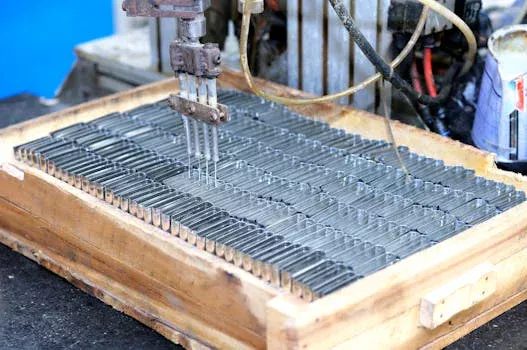
A hybrid Zero Liquid Discharge (ZLD) system offers the most comprehensive solution for display panel developer wastewater, ensuring regulatory compliance and maximizing water reuse. The design typically follows a multi-stage process. Initially, wastewater enters a pre-treatment stage utilizing a Dissolved Air Flotation (DAF) system, such as our DAF system, operating at 4–6 bar saturation pressure. This stage targets the removal of suspended solids and FOG, aiming for a Total Suspended Solids (TSS) concentration below 50 mg/L. Following DAF, the wastewater flows into a Membrane Bioreactor (MBR) system, like the DF series integrated MBR featuring flat sheet membranes with a 0.1 μm pore size. The MBR's biological processes degrade COD and BOD and achieve partial TMAH removal, targeting influent levels below 10 mg/L. The final polishing step involves an industrial RO system, such as our industrial RO system, designed for a 95% recovery rate. This stage ensures the removal of residual TMAH and heavy metals to meet discharge limits of less than 0.5 mg/L for TMAH and less than 0.1 mg/L for metals. The concentrated reject stream from the RO system, along with sludge from the DAF and MBR processes, requires further management. Sludge dewatering is typically performed using a plate and frame filter press to achieve 20–30% dry solids, after which disposal options include landfilling, incineration, or potential recycling avenues. The permeate from the RO system can be reused within the manufacturing facility, significantly reducing freshwater intake and operational costs.
Process Flow Diagram Description:
- Influent: Raw wastewater from display panel manufacturing processes enters the system.
- DAF Unit: Dissolved air flotation separates suspended solids and FOG.
- MBR Unit: Biological treatment degrades organic matter and partially removes TMAH.
- RO Unit: Membrane filtration removes remaining TMAH and heavy metals.
- Permeate: Treated water, suitable for reuse, is collected.
- Reject/Brine: Concentrated stream from RO is further managed (e.g., evaporation, crystallization) or disposed of.
- Sludge Handling: Sludge from DAF and MBR is dewatered via a filter press.
Cost Breakdown: CAPEX, OPEX, and ROI for Display Panel Wastewater Systems
Evaluating the financial implications of wastewater treatment is crucial for plant managers and procurement teams. For a 100 m³/h hybrid ZLD system, the Capital Expenditure (CAPEX) can range from $2.8M to $3.5M. This typically includes approximately $300K for the DAF system, $800K for the MBR system, $1.2M for the RO system, and $500K for sludge handling equipment. Operational Expenditure (OPEX) for such a system generally falls between $1.20 and $1.80 per cubic meter of treated water. This OPEX is broken down into energy consumption (around $0.40/m³), chemical usage ($0.30/m³), membrane replacement ($0.20/m³), and labor costs ($0.30/m³). The significant advantage of ZLD systems lies in their ability to achieve water reuse, which can reduce overall long-term costs by 40–50% compared to systems that discharge treated effluent. For instance, a 100 m³/h system reusing water at a cost saving of $1.50/m³ can generate annual savings of approximately $500,000. In contrast, partial recovery systems, such as a DAF and MBR combination without RO, might have a lower CAPEX (around $1.2M) and OPEX ($0.80/m³), but they forgo the substantial cost benefits associated with high-level water reuse.
| Cost Component | Hybrid ZLD System (100 m³/h) | DAF + MBR System (100 m³/h) | ||
|---|---|---|---|---|
| Approx. CAPEX | Approx. OPEX (/m³) | Approx. CAPEX | Approx. OPEX (/m³) | |
| DAF Unit | $300,000 | $0.20 – $0.50 | $300,000 | $0.20 – $0.50 |
| MBR Unit | $800,000 | $0.80 – $1.50 | $800,000 | $0.80 – $1.50 |
| RO Unit | $1,200,000 | $0.40 – $0.80 | N/A | N/A |
| Sludge Handling | $500,000 | ($0.10 – $0.20) * | $300,000 | ($0.05 – $0.10) * |
| Total System Estimate | $2.8M – $3.5M | $1.20 – $1.80 | $1.4M – $1.9M | $1.00 – $2.10 |
| *Sludge handling OPEX is highly variable based on disposal methods. | ||||
How to Select the Right System for Your Display Panel Plant
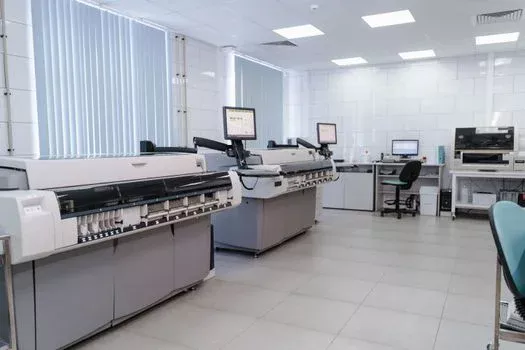
Choosing the optimal wastewater treatment system requires a systematic approach tailored to your facility's unique needs. The first step involves a thorough characterization of your wastewater, including precise measurements of TMAH concentration, heavy metal profiles, COD/BOD levels, and flow rates. Laboratory testing and pilot studies are essential for confirming these parameters. Next, clearly define your compliance goals. Are you aiming solely to meet SEMI S23-0718, or do broader environmental objectives like zero liquid discharge and extensive water reuse take precedence? Prioritizing contaminants with the strictest discharge limits will guide your technology selection. Evaluate your budget and Return on Investment (ROI) expectations. While ZLD systems offer the highest level of compliance and water recovery, they require the most significant upfront CAPEX. Partial recovery systems might be a more financially viable option for plants with less stringent discharge requirements or lower water scarcity concerns. Finally, consider operational constraints such as available plant footprint, reliable energy supply, and the expertise of your operational staff. MBR systems, for example, are compact but demand skilled operators, whereas simpler DAF systems are less labor-intensive. A decision framework that maps flow rate, contaminant profile, compliance goals, and budget to recommended system types can streamline this selection process, guiding you from initial assessment to final system design.
Frequently Asked Questions
What are the primary challenges in treating display panel developer wastewater?
The main challenges include the high toxicity of TMAH to biological treatment systems, the presence of multiple heavy metals requiring advanced removal, and high organic loads (COD/BOD) that can cause membrane fouling. These factors necessitate specialized, multi-stage treatment approaches.
How effective are MBR systems for TMAH removal?
MBR systems can achieve 80–90% TMAH removal through biological degradation. However, their efficiency can be compromised by extreme pH levels or high concentrations of heavy metals, which can inhibit microbial activity. Pre-treatment is often required before MBR for optimal performance.
What is the role of RO in display panel wastewater treatment?
Reverse Osmosis (RO) is crucial for the final polishing stage, achieving over 99% removal of TMAH and heavy metals. It ensures that the treated water meets the stringent discharge limits set by standards like SEMI S23-0718. RO requires robust pre-treatment to prevent membrane fouling.
What are the key components of a hybrid ZLD system for display panel wastewater?
A hybrid ZLD system typically comprises Dissolved Air Flotation (DAF) for pre-treatment, Membrane Bioreactors (MBR) for biological degradation, and Reverse Osmosis (RO) for final purification. Often, a sludge dewatering component like a filter press is also included.
How does water reuse impact the cost-effectiveness of ZLD systems?
Water reuse significantly enhances cost-effectiveness by reducing freshwater intake costs and minimizing discharge fees. For a 100 m³/h ZLD system, water reuse can lead to 40–50% reduction in long-term operational expenses, contributing to a faster Return on Investment (ROI) despite higher initial CAPEX.