Why PCB Developer Wastewater Fails: A Plant Manager’s Nightmare
A PCB manufacturing plant in Southeast Asia faced a critical compliance crisis. Their developer wastewater, a potent cocktail of copper (averaging 1,200 mg/L), high Chemical Oxygen Demand (COD) reaching 4,000 mg/L, and persistent chelating agents like EDTA, was consistently exceeding stringent EPA discharge limits. The facility was hit with fines upwards of $25,000 per violation, and intermittent production shutdowns caused by overloaded or fouled treatment equipment threatened their operational viability. The untreated wastewater not only posed environmental risks but also represented a significant loss of valuable copper, estimated at over $10,000 per month based on prevailing market prices. This scenario is a stark reminder of the challenges inherent in managing PCB developer wastewater, where typical treatment methods often fall short, leading to environmental non-compliance, escalating operational costs, and missed opportunities for resource recovery.
PCB Developer Wastewater Treatment: 2025 Engineering Specs and Process Flow
Effective PCB developer wastewater treatment necessitates a multi-stage approach, precisely engineered to address the complex pollutant profile. The 2025 blueprint emphasizes segregation, targeted chemical treatment, advanced physical separation, and robust resource recovery.
Stage 1: Collection and Segregation The foundational step involves segregating high-concentration developer wastewater (pH 2–4, copper 500–2,000 mg/L) from lower-concentration rinsing wastewater (pH 6–8, copper < 50 mg/L). This prevents dilution of valuable copper streams and avoids over-dosing chemicals in less contaminated flows, a critical insight often overlooked in basic treatment schemes (per Top 1 scraped content).
Stage 2: pH Adjustment and Chemical Precipitation Developer wastewater typically requires pH adjustment to 9–10 using sodium hydroxide (NaOH) or calcium hydroxide (Ca(OH)₂) to break the chelating bonds of EDTA and ammonia with copper. This is followed by the addition of coagulants like polyaluminum chloride (PAC) at 100–300 mg/L and flocculants such as polyacrylamide (PAM) at 1–5 mg/L. Optimal reaction times range from 10–30 minutes, facilitating the formation of settleable metal hydroxide flocs with target settling velocities of 0.5–1.0 m/h.
Stage 3: Dissolved Air Flotation (DAF) The DAF system is instrumental in removing the precipitated solids and emulsified oils. Designed with a hydraulic loading rate of 5–10 m³/m²·h and an air-to-solids ratio of 0.02–0.05, DAF effectively removes 95–98% of suspended solids and FOG. The generated microbubbles, typically 30–100 μm in diameter, efficiently attach to flocculated particles, aiding their flotation to the surface for skimming (per Top 2 scraped content). Accurate chemical dosing, managed by a PLC-controlled automatic chemical dosing system, is crucial for DAF performance.
Stage 4: Reverse Osmosis (RO) or Ion Exchange For final polishing and achieving high water recovery, an industrial reverse osmosis (RO) water purification system is employed, offering 90–95% water recovery and over 99% salt rejection. Alternatively, ion exchange systems using chelating resins can achieve 95–99% copper removal, particularly effective for smaller-scale operations or specific polishing steps. RO systems operate at pressures of 15–40 bar, utilizing spiral-wound polyamide membranes.
Stage 5: Sludge Dewatering and Copper Recovery The dewatered sludge, rich in precipitated copper, is processed using a high-efficiency filter press for copper-rich sludge dewatering, achieving cake solids of 20–30% at pressures of 2–10 bar. Copper is then recovered via electrowinning or further chemical precipitation, with efficiencies of 90–95% and 95–99%, respectively. This closed-loop extraction strategy is vital for resource conservation (per Top 3 scraped content).
| Stage | Key Pollutants Addressed | Typical Influent Parameters | Target Effluent Parameters | Key Equipment | Design Parameters/Dosing Rates | Notes |
|---|---|---|---|---|---|---|
| Collection & Segregation | Copper, COD, pH, Chelating Agents | pH: 2-4 Cu: 500-2,000 mg/L COD: 1,000-5,000 mg/L |
N/A (Pre-treatment) | Separate Piping & Holding Tanks | N/A | Critical for process efficiency |
| pH Adjustment & Precipitation | Dissolved Copper, Chelated Metals | pH: 2-4 Cu: 500-2,000 mg/L |
pH: 9-10 (post-adjustment) Cu: 5-20 mg/L (post-precipitation) |
Mixing Tanks, Chemical Dosing Pumps | NaOH/Ca(OH)₂ to pH 9-10 PAC: 100-300 mg/L PAM: 1-5 mg/L Reaction Time: 10-30 min |
Breaks EDTA complexes |
| Dissolved Air Flotation (DAF) | Suspended Solids, FOG, Precipitated Metals | TSS: 50-500 mg/L | TSS: < 50 mg/L (95-98% removal) | DAF System | Hydraulic Loading Rate: 5-10 m³/m²·h Air-to-Solids Ratio: 0.02-0.05 |
Efficient solids separation |
| Reverse Osmosis (RO) / Ion Exchange | Dissolved Salts, Residual Metals | TDS: 500-5,000 mg/L Cu: < 5 mg/L |
TDS: < 50 mg/L (RO) Cu: < 0.5 mg/L (Ion Exchange) |
RO System, Ion Exchange Columns | RO Pressure: 15-40 bar Resin Capacity: Varies |
Water reuse or ZLD |
| Sludge Dewatering & Copper Recovery | Copper-rich Sludge | Sludge Moisture: 90-98% | Sludge Moisture: 70-80% (cake) | Filter Press, Electrowinning Unit | Filter Press Pressure: 2-10 bar Electrowinning Efficiency: 90-95% |
Resource recovery |
Treatment Technology Comparison: DAF vs. MBR vs. Ion Exchange for PCB Developer Wastewater
Selecting the optimal treatment technology for PCB developer wastewater hinges on a facility's specific needs, including footprint constraints, desired effluent quality, and copper recovery objectives. HydropureWater offers a range of solutions, each with distinct advantages.
The DAF system excels in primary solids and FOG removal, achieving 95–98% efficiency for suspended solids. It requires chemical pre-treatment and has a moderate CapEx of $500–$1,200/m³·d and OpEx of $0.30–$0.80/m³. While effective for pre-treatment, it may not achieve the stringent effluent limits for dissolved metals or COD required for direct discharge or reuse.
An Integrated MBR system offers a compact solution capable of producing near-reuse-quality effluent, with COD typically below 50 mg/L and TSS below 5 mg/L. However, its CapEx is higher, ranging from $1,500–$3,000/m³·d, and energy consumption is greater at 0.8–1.5 kWh/m³. MBR is an excellent choice for space-constrained facilities prioritizing high-quality effluent.
Ion exchange, particularly using chelating resins, is highly effective for targeted copper removal, achieving 95–99% efficiency. Its CapEx is generally lower for smaller flows, but regeneration chemicals (NaOH/HCl) contribute to OpEx, typically $0.50–$1.20/m³. It is best suited for polishing steps or smaller-scale copper recovery operations.
An industrial reverse osmosis (RO) system is critical for achieving Zero Liquid Discharge (ZLD) and maximizing water recovery (90–95%). While its CapEx is substantial ($800–$2,000/m³·d) and OpEx is moderate ($0.40–$1.00/m³), RO is essential for meeting extremely low TDS limits and enabling water reuse. However, RO membranes are susceptible to scaling, necessitating effective pre-treatment and antiscalant dosing.
| Technology | Typical Effluent Quality (Cu, COD, TSS) | Footprint (m²/m³·d) | CapEx ($/m³·d) | OpEx ($/m³·d) | Copper Recovery Potential (%) | Limitations |
|---|---|---|---|---|---|---|
| DAF System | Cu: 5-20 mg/L COD: 200-800 mg/L TSS: < 50 mg/L |
0.2 - 0.5 | 500 - 1,200 | 0.30 - 0.80 | N/A (Pre-treatment) | Requires chemical pre-treatment; not for final polishing. |
| MBR System | Cu: < 1 mg/L COD: < 50 mg/L TSS: < 5 mg/L |
0.1 - 0.3 | 1,500 - 3,000 | 0.50 - 1.00 (energy intensive) | N/A (High-quality effluent) | Higher CapEx and energy consumption. |
| Ion Exchange | Cu: < 0.5 mg/L (post-regeneration) | 0.05 - 0.2 (columns) | 200 - 800 (for small scale) | 0.50 - 1.20 (regeneration) | 95 - 99% | Resin lifespan and regeneration costs; limited for bulk COD/TSS. |
| RO System | TDS: < 50 mg/L Cu: < 0.1 mg/L |
0.1 - 0.3 | 800 - 2,000 | 0.40 - 1.00 (antiscalant, energy) | N/A (Water recovery) | Susceptible to scaling; requires robust pre-treatment. |
Copper Recovery vs. Zero Liquid Discharge: Cost-Benefit Analysis for PCB Plants
The economic justification for PCB wastewater treatment often hinges on a strategic choice between maximizing copper recovery or achieving Zero Liquid Discharge (ZLD). Both offer significant financial and environmental benefits, but their investment profiles differ.
Copper Recovery Systems: Implementing electrowinning or advanced chemical precipitation for copper recovery typically involves a CapEx of $300,000–$800,000 for a medium-sized facility. OpEx ranges from $0.50–$1.20/m³, primarily for chemicals and energy. The revenue generated from selling recovered copper ($50–$150/kg Cu) can lead to a payback period of 2–5 years, effectively offsetting operational costs and providing a direct return on investment. Detailed engineering specs for these systems can be found in our detailed engineering specs for copper recovery systems.
Zero Liquid Discharge (ZLD) Systems: ZLD, typically achieved through RO coupled with evaporation or crystallization, represents a higher initial investment, with CapEx ranging from $1.2–$2.5 million. OpEx is also higher, at $0.80–$1.50/m³, due to the energy demands of evaporation. While ZLD does not generate direct revenue from recovered materials, it entirely eliminates discharge fees, avoids the risk of compliance fines, and ensures complete water self-sufficiency, which is increasingly valuable in water-scarce regions. The compliance benefits alone can justify the investment.
Hybrid Systems: The most cost-effective approach often involves a hybrid system. This integrates copper recovery as a primary step, followed by RO for water reuse or ZLD. For instance, a 50 m³/h plant recovering 100–200 kg of copper per month can generate $5,000–$30,000 in monthly revenue, significantly subsidizing the overall treatment costs and enhancing the ROI of the downstream ZLD components.
Compliance Incentives: Regional regulations often provide financial incentives. China's GB 39731-2020, for example, offers tax breaks for copper recovery, while the EU's Industrial Emissions Directive (IED) increasingly mandates ZLD for high-salinity wastewater streams, making it a compliance necessity. Understanding these global compliance standards for electronics wastewater is crucial for strategic investment.
| Parameter | Copper Recovery System | ZLD System | Hybrid System (Cu Recovery + ZLD) |
|---|---|---|---|
| CapEx ($) | 300,000 - 800,000 | 1,200,000 - 2,500,000 | 1,500,000 - 3,300,000 |
| OpEx ($/m³) | 0.50 - 1.20 | 0.80 - 1.50 | 1.30 - 2.70 (combined) |
| Revenue Potential | High ($50-150/kg Cu) | None | High (from copper recovery) |
| Payback Period (Years) | 2 - 5 | N/A (Compliance focus) | 2 - 4 (driven by Cu recovery) |
| Primary Benefit | Resource recovery, OpEx offset | Zero discharge, compliance assurance, water security | Maximized ROI, resource recovery, full compliance |
Compliance Checklist: Meeting Global PCB Wastewater Discharge Standards
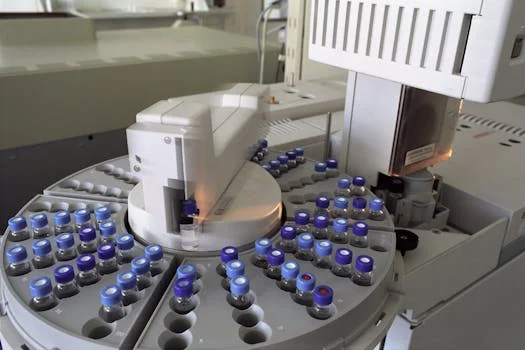
Adhering to international wastewater discharge standards is paramount for PCB manufacturers. HydropureWater's solutions are engineered to meet these rigorous requirements, ensuring environmental compliance and avoiding costly penalties.
Key Discharge Limits:
- USA: EPA 40 CFR Part 469 mandates copper < 0.5 mg/L and COD < 125 mg/L.
- EU: The Industrial Emissions Directive (IED) typically requires copper < 0.2 mg/L and COD < 125 mg/L.
- China: GB 39731-2020 specifies copper < 0.3 mg/L and COD < 80 mg/L.
- India: CPCB Guidelines set limits for copper < 1.0 mg/L and COD < 250 mg/L.
Monitoring Requirements: Continuous monitoring of pH and flow rates, coupled with weekly laboratory analysis for copper and COD, is essential. Annual third-party audits provide an independent verification of compliance. Understanding global compliance standards for electronics wastewater is key to proactive management.
Common Compliance Pitfalls:
- Inadequate pH Adjustment: Failure to properly adjust pH can lead to persistent copper complexation, preventing effective precipitation and subsequent removal.
- DAF System Overload: Exceeding the DAF system's capacity, particularly with high influent TSS (> 500 mg/L), results in poor solids separation and bypass of pollutants.
- RO Membrane Scaling: If pre-treatment is insufficient, high concentrations of calcium sulfate (CaSO₄ > 200 mg/L) or other scaling ions can lead to rapid RO membrane fouling, reducing performance and increasing maintenance costs.
- Chelating Agent Interference: Insufficiently broken chelating agents can keep metals in solution, rendering precipitation and DAF ineffective for their removal.
Frequently Asked Questions
Q1: What are the primary pollutants in PCB developer wastewater?
A1: PCB developer wastewater is characterized by high concentrations of copper (500–2,000 mg/L), significant Chemical Oxygen Demand (COD) (1,000–5,000 mg/L), and chelating agents such as EDTA and ammonia. These contribute to its challenging treatment profile.
Q2: How does EDTA affect copper removal?
A2: EDTA forms stable, soluble complexes with copper ions. This means standard chemical precipitation methods are ineffective unless the pH is raised sufficiently (typically to 9-10) to break these chelating bonds, allowing copper to precipitate as a hydroxide or other insoluble form.
Q3: Is a DAF system sufficient for meeting final discharge limits for copper?
A3: No, a DAF system is primarily a pre-treatment step for removing suspended solids and FOG. While it removes precipitated metals, it is not designed to handle dissolved copper or meet very low effluent limits (< 0.5 mg/L). Further treatment, such as ion exchange or RO, is required.
Q4: What is the main advantage of an MBR system for PCB wastewater?
A4: An Integrated MBR system offers a compact footprint and produces high-quality effluent suitable for reuse, often achieving COD and TSS levels far below typical discharge limits. This makes it ideal for space-constrained facilities prioritizing advanced treatment.
Q5: How can copper be recovered from PCB wastewater?
A5: Copper can be recovered through several methods. Electrowinning is highly efficient for concentrated streams, while chemical precipitation followed by filtration is also common. The recovered copper sludge can then be further processed for metal reclamation. Our detailed engineering specs for copper recovery systems provide more insight.
Q6: What are the key components of a ZLD system for PCB manufacturing?
A6: A ZLD system for PCB manufacturing typically involves an RO system to remove the majority of dissolved salts and metals, followed by an evaporator or crystallizer to concentrate the remaining brine into solid waste. This ensures no liquid effluent is discharged.
Q7: How does HydropureWater's DAF system ensure efficient operation?
A7: Our DAF system for PCB developer wastewater is designed for optimal microbubble generation and distribution, ensuring high contact efficiency with suspended particles. Coupled with precise chemical dosing from our automatic dosing systems, it achieves superior solids removal.
Further Reading
Explore these in-depth articles on related wastewater treatment topics: