Why DAF Systems Are Critical for Mining in Chile
Chile's extensive mining operations, particularly in arid regions like Antofagasta and the Atacama Desert, generate substantial volumes of wastewater laden with suspended solids and oils. Effective treatment of this effluent is paramount, not only for environmental compliance but also to enable crucial water reuse strategies. Dissolved Air Flotation (DAF) systems have emerged as the preferred technology, consistently achieving over 90% removal of suspended solids and FOG (Fats, Oils, and Grease). This high efficiency is vital for meeting stringent discharge regulations and for recovering water that can be reintegrated into mining processes. In water-scarce northern Chile, DAF systems are instrumental in facilitating closed-loop water management, contributing to 70–85% water recovery when coupled with downstream filtration. The remote nature of many mining sites also necessitates robust, automated treatment solutions that require minimal maintenance, thereby reducing operational downtime and associated costs. The specific challenges in Chilean mining include high concentrations of heavy metals and salts in the wastewater, which DAF, when properly optimized with chemical coagulants and flocculants, can effectively address by destabilizing and aggregating these contaminants for removal. This pre-treatment capability is essential before water can be safely discharged or reused, preventing environmental damage and conserving a vital resource.
Learn more about our high-efficiency DAF system for mining wastewater.
Seismic Zone 4 Compliance: Engineering DAF Systems for Earthquake Resilience
Chile is prone to significant seismic activity, and all industrial DAF systems deployed within the country must adhere to stringent Seismic Zone 4 requirements. This necessitates specialized engineering and construction to ensure operational integrity during and after seismic events. Structural reinforcements are a cornerstone of this resilience, often involving the use of high-grade materials such as 2507 duplex stainless steel for frames, a material choice exemplified in projects like the Los Pelambres Phase 2 installation. Anchoring systems are engineered to withstand peak ground accelerations of up to 0.4g, and units are typically mounted on vibration-dampened skids. Electrical and control systems are housed in seismic-rated enclosures, and all connections utilize flexible conduit to absorb shock. HydropureWater DAF units are designed with modular seismic brackets and shock-absorbing base frames, ensuring compliance and reliable performance even under extreme geological stress. This rigorous design approach extends to the internal components as well; piping, instrumentation, and internal structural supports are all meticulously secured to prevent dislodgement during seismic events, guaranteeing that the system continues to function even after significant ground motion.
The design of DAF systems for Seismic Zone 4 compliance requires careful consideration of materials, construction, and installation to ensure they can withstand Chile's seismic activity.| Component | Seismic Zone 4 Design Considerations |
|---|---|
| Structural Frame | 2507 Duplex Stainless Steel (high tensile strength and corrosion resistance) |
| Anchoring System | Designed for peak ground acceleration up to 0.4g; robust base plates and anchor bolts |
| Skid/Base Frame | Vibration-dampened construction to absorb seismic shock |
| Electrical Enclosures | Seismic-rated cabinets and junction boxes |
| Conduit & Wiring | Flexible conduit connections for electrical and instrumentation lines |
| Internal Components | Secured piping, supports, and instrumentation to prevent dislodgement |
Discover our robust solutions: high-efficiency DAF system for mining wastewater.
Twin DAF Platforms for High-Volume Oily Wastewater: 9000T/D Case Example
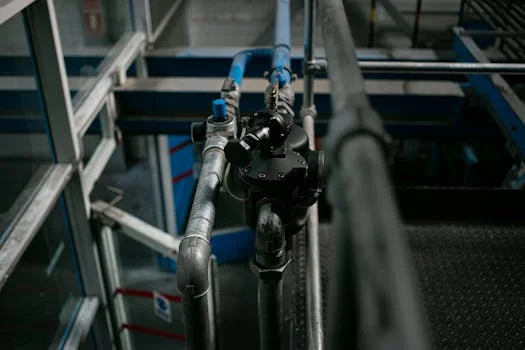
Twin DAF platforms offer a scalable and highly effective solution for treating high-volume oily wastewater in mining operations. A case example from southern Chile demonstrates the effectiveness of twin DAF platforms in treating up to 9000 tons per day of oily produced water. Each individual DAF unit within such a configuration typically operates at flow rates of 125–150 m³/h, employing micro-bubble aeration (10–50 μm) to achieve exceptional FOG removal rates of 92–96%. The inherent modularity and skid-mounted, containerized nature of these DAF systems facilitate rapid deployment and expansion, crucial for remote mining sites where logistical complexities are high. Automation is key, with features like automatic skimming and integrated sludge thickening minimizing manual intervention, thereby enhancing safety and operational efficiency. Performance optimization is further ensured through seamless integration with automatic chemical dosing systems for coagulants and pH adjusters, allowing DAF units to adapt to variable influent quality.
This approach enables mines to manage large volumes of wastewater effectively, ensuring that wastewater treatment does not become a bottleneck to production.Explore our versatile treatment options: high-efficiency DAF system for mining wastewater and automatic chemical dosing systems.
DAF System Integration with Desalination and Reuse Loops
DAF systems play a critical role in comprehensive water management strategies in arid regions like northern Chile, particularly when linked with desalination and water reuse initiatives. DAF often serves as the critical primary clarifier in desalination plants, significantly reducing the Silt Density Index (SDI) to below 3, thereby protecting downstream reverse osmosis (RO) membranes. A prime example is the Los Pelambres Mine, which integrates a 400 L/s desalinated water production system, with DAF pretreatment playing a vital role in its overall water supply chain. The clarified water produced by DAF can be effectively reused for various mine operations, including dust suppression, cooling circuits, and general process water, leading to a substantial reduction in freshwater intake—often up to 80%.
To achieve the high-purity water required for certain applications, DAF effluent is commonly polished using multi-media filters (e.g., anthracite/sand) and cartridge filtration systems.Discover integrated solutions: reverse osmosis (RO) water purification and multi-media filters for ultrapure water.
DAF vs. Alternatives: Choosing the Right System for Chilean Conditions
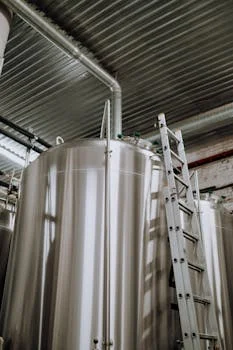
When evaluating wastewater treatment technologies for Chilean mining operations, a comparative analysis of DAF against alternatives such as lamella clarifiers, Membrane Bioreactors (MBRs), and conventional sedimentation tanks reveals distinct advantages. DAF systems consistently achieve high removal efficiencies for suspended solids and FOG, typically ranging from 90% to 97%. In contrast, lamella clarifiers offer lower efficiencies (70–80%) and struggle with emulsified oils. While MBRs can achieve higher effluent quality, their significantly higher capital expenditure (CAPEX) and energy consumption make them less viable for many off-grid mining applications.
The physical footprint of DAF systems is also notably smaller, often requiring up to 60% less space than conventional sedimentation tanks for equivalent flow rates.| Technology | Typical TSS/FOG Removal (%) | Footprint (vs. Conventional Sedimentation) | CAPEX (Relative) | Operational Complexity | Sludge Concentration (%) |
|---|---|---|---|---|---|
| DAF | 90-97% | 60% smaller | Moderate | Low to Moderate | 3-5% |
| Lamella Clarifier | 70-80% (struggles with emulsified oils) | Similar | Low | Low | 1-2% |
| MBR | >98% | Smaller | High (2-3x DAF) | High | N/A (sludge is biomass) |
| Sedimentation Tank | 60-70% | Baseline | Low | Low | 1-2% |
Consider your options: explore comparing DAF with MBR and other industrial treatment systems or learn about high-efficiency sedimentation tanks.
Frequently Asked Questions
What is the efficiency of a DAF system in Chile? DAF systems achieve over 90% removal of suspended solids and oils, with some mining applications reaching 96% FOG removal.
Do DAF systems in Chile need to meet seismic standards? Yes, all industrial DAF systems must comply with Seismic Zone 4 due to high earthquake risk.
How much water can a DAF system treat in a mining operation? Twin DAF platforms can handle up to 9000 tons per day (approximately 104 m³/h per unit), and capacity is scalable with parallel units.
Can DAF systems be containerized for remote sites? Yes, skid-mounted and containerized DAF units are standard for Chile’s remote mining regions.
What maintenance does a DAF system require in harsh environments? Routine maintenance includes monthly inspection of the saturator, weekly cleaning of air diffusers, and quarterly calibration of chemical dosing systems.
Read more about DAF system efficiency data from South American mining operations and view our sludge dewatering machine maintenance guide.