Why UV Disinfection Maintenance Fails Without a Clear Protocol
UV disinfection maintenance fails when quartz sleeves foul, UV transmittance (UVT) drops below the dose design point, or lamps run past end-of-life output. Fouling from iron, calcium, and biofilms can cut delivered intensity by about 30–50% within six months of operation. UVT often falls below a practical 70% (1 cm path, 254 nm) target on secondary effluent. Aged lamps, dirty sensors, and weak pre-treatment then push fecal coliform results above permit limits such as <200 MPN/100 mL.
Neglecting routine work on industrial UV reactors raises both compliance risk and operating cost. Germicidal performance depends on clear sleeves and enough UV-C at 254 nm reaching the water. Industry reports have linked sleeve fouling alone to disinfection performance losses approaching 50% when cleaning is deferred. Low UVT scatters and absorbs light, so even new lamps can under-dose. Outdated lamps that still glow in the visible range, or sensors that drift after fouling, are common root causes of failed effluent micro tests.
Step 1: Monitor UV Transmittance and Water Quality Parameters
Monthly UVT checks are the first control loop for any wastewater UV train. Many plants keep influent UVT consistently above 70% at 254 nm so the reactor can meet its validated dose; Environment Canada’s municipal UV review treats about 70% UVT as good secondary effluent quality versus about 50% as poor. According to the US EPA Ultraviolet Disinfection Guidance Manual (2006), design UVT and minimum operating UVT are site-specific inputs used with flow and sensor intensity to keep the reactor inside validated conditions—not a single universal setpoint for every plant.
Influent solids drive both dose shortfall and sleeve fouling. Total suspended solids (TSS) above 30 mg/L, or turbidity above 5 NTU, scatter UV and accelerate scale on quartz. Upstream dissolved air flotation (DAF) or multi-media filtration is the usual fix before the reactor. Online sensors for UVT, flow, and UV intensity support predictive maintenance and early alarms. For high-efficiency pre-filtration ahead of UV, plants often install a Dissolved Air Flotation (DAF) System.
Step 2: Clean Quartz Sleeves Every 3 to 6 Months
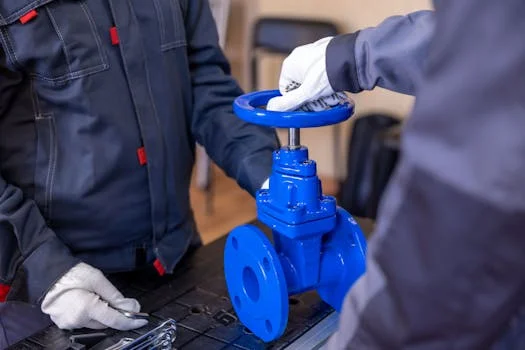
Quartz sleeves transmit germicidal light into the wastewater. Inorganic scale from iron and calcium, plus organic films and biofilm, cut UV intensity at the water. Field reports cited for industrial systems show a 30–50% intensity drop within six months when sleeves are left dirty. A cleaning interval of every 3 to 6 months is the usual starting point for manually cleaned reactors; automatic wipe systems still need chemical cleaning when intensity trends down.
Shut the reactor down under lockout/tagout, remove each sleeve, and soak in about 10% citric acid or mild vinegar. Skip abrasives and harsh caustics that scratch quartz—scratches trap foulant and block light. After cleaning, inspect for cracks, chips, or permanent clouding. If sleeve UV transmittance after cleaning stays below 85% of the new-sleeve baseline, replace the sleeve before returning the bank to service.
Step 3: Replace UV Lamps Every 9,000–12,000 Hours
UV lamps lose germicidal output long before they fail to strike. Output typically falls about 15–20% near 9,000 hours of operation on common low-pressure high-output (LPHO) lamps. Plants that follow a uv lamp replacement schedule of about 9,000–12,000 hours, or the manufacturer warranty limit if shorter, keep dose closer to validation assumptions. According to the US EPA UVDGM (2006), manufacturers commonly warrant LPHO lamps for about 8,000–12,000 hours and medium-pressure lamps for about 4,000–8,000 hours—so keep the plant’s 9,000–12,000 hour LPHO practice, and tighten the interval if the installed lamps are medium-pressure.
Do not judge lamps by visible blue glow. Use hour meters or PLC runtime logs. Fit exact replacements: lamp type (LPHO or MP), 254 nm germicidal output class, and ballast power match. Wrong lamps under-dose even when the controller shows “on.”
Step 4: Inspect and Calibrate Sensors and Ballasts
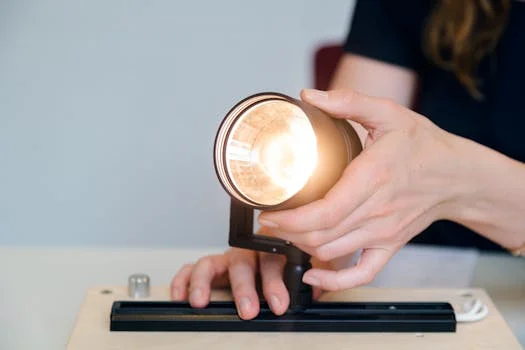
UV intensity sensors drift as lamps age and sleeves foul. Calibrate sensors quarterly with a certified, NIST-traceable radiometer so the dose algorithm does not chase a false high reading. Ballasts need monthly output-voltage checks. Low ballast voltage can cut lamp efficiency by about 25% and shrink germicidal output even when lamps look healthy.
Wastewater galleries are humid. Keep electrical connections grounded and sealed against moisture. Corroded grounds and wet terminals create nuisance trips and bad sensor data that look like process failures.
Step 5: Maintain Pre-Filtration to Reduce Fouling
Pre-filtration is the cheapest way to cut sleeve cleaning labor. Sediment cartridges at 5–20 μm, or multi-media filters, remove grit that scatters UV and seeds scale. On high-solids industrial streams, a Dissolved Air Flotation (DAF) Machine can cut TSS by over 90% when sized and chemically conditioned correctly. That drop in solids slows quartz fouling and reduces premature lamp stress. Automated filter backwash keeps flow stable and avoids channeling. Pair DAF with a Multi-Media Filter when polishing to the UVT and turbidity window the UV reactor was validated against. Effective upstream treatment is the core of fouling prevention in uv systems.
How does step screen maintenance affect UV performance?
Step screen maintenance protects UV dose by keeping rags, plastics, and coarse solids out of the reactor and out of the sleeves. Blinding or bypass on a fine step screen raises TSS and turbidity entering UV, which lowers UVT and speeds sleeve fouling. Most plants we size for industrial effluent clean and inspect step screens on the OEM interval—often daily visual checks plus scheduled rake and basket service—so UV sees stable solids loading rather than storm-driven spikes.
Step 6: Log All Maintenance and Validate Performance
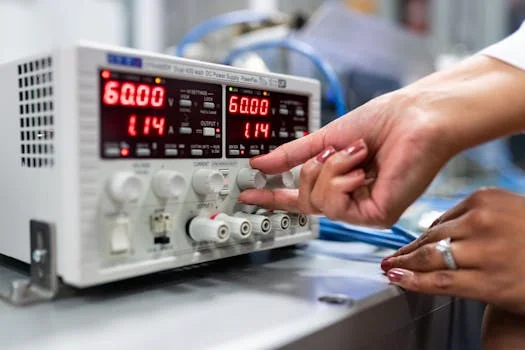
A dated logbook is the compliance record for lamp hours, sleeve cleans, UVT readings, and sensor calibrations. Without it, operators cannot prove the reactor stayed inside validated envelopes after a failed micro sample. Validate disinfection with monthly effluent microbiology for fecal coliforms and E. coli against the permit. Compare pre- and post-maintenance UV intensity or calculated dose with those micro results to confirm that cleaning and lamp changes actually restored uv system performance.
Industrial UV Maintenance Checklist and Parameter Table
Use the checklist below as a baseline and tighten intervals when UVT runs low, iron is elevated, or intensity trends down faster than the lamp-hour curve predicts.
| Task Frequency | Maintenance Action | Key Performance Parameters | Notes |
|---|---|---|---|
| Daily | Check UV intensity reading on controller. | UV Intensity (e.g., >80% of initial reading) | Note any significant drops or alarms. |
| Daily | Verify flow rate is within design parameters. | Flow Rate (as per system design) | Ensure no system over- or under-loading. |
| Daily | Inspect system for visible leaks or damage. | N/A | Address immediately. |
| Monthly | Inspect quartz sleeve visibility (if accessible). | Sleeve Clarity | Note any visible fouling or discoloration. |
| Monthly | Verify sensor readings (UV intensity, temperature). | Sensor Accuracy | Compare with expected values or baseline. |
| Monthly | Review lamp hour meter readings. | Lamp Hours (e.g., < 9,000) | Plan for upcoming replacements. |
| Monthly | Measure UV Transmittance (UVT) of influent/effluent. | UVT (>70% for optimal dose) | Crucial for dose calculation and performance assessment. |
| Quarterly | Calibrate UV intensity sensor. | Sensor Calibration Certificate | Use NIST-traceable equipment. |
| Every 3-6 Months | Clean quartz sleeves. | Sleeve Transmittance (>85% after cleaning) | Follow established cleaning procedure. |
| Every 9,000-12,000 Hours | Replace UV lamps. | Lamp Output (as per spec) | Dispose of old lamps properly. |
| Annually | Perform comprehensive system inspection. | Overall System Integrity | Check all seals, connections, and structural components. |
| Annually | Conduct microbiological testing of effluent. | Fecal Coliforms, E. coli (per permit limits) | Validate disinfection effectiveness. |
What UVT should operators hold for reliable dose?
Operators should hold UVT at or above the reactor’s design and validated minimum at 254 nm, which many secondary-effluent plants approximate with a >70% working target. Track the lower-percentile UVT over seasons, not a single grab sample after a clean day.
Who This Is For / Next Step
This protocol fits industrial and municipal plants that discharge or reuse effluent under coliform limits and already run UV as the final barrier. Plants that need a lasting chemical residual in long distribution lines should look at a Chlorine Dioxide (ClO₂) Generator for Water Disinfection instead of, or after, UV. If you need help matching sleeve-cleaning intervals, lamp type, and upstream DAF or filtration to your UVT and TSS data, request a UV maintenance and sizing review with your influent UVT, flow, and permit limits.
Frequently Asked Questions
How often should UV lamps be replaced in wastewater systems?
Replace wastewater UV lamps about every 9,000–12,000 hours for typical LPHO banks, or sooner if intensity falls below the validated end-of-life setpoint. US EPA UVDGM (2006) lists common manufacturer warranties of about 8,000–12,000 hours for LPHO lamps and 4,000–8,000 hours for medium-pressure lamps. Track runtime on hour meters or PLC logs rather than visible light, and install exact OEM-equivalent lamps so ballast power and 254 nm output stay matched.
What causes quartz sleeve fouling in UV disinfection systems?
Quartz sleeve fouling is caused mainly by iron and calcium precipitates plus organic matter and biofilm from the wastewater. The deposit lowers sleeve transmittance and can cut UV intensity by 30–50% within six months if cleaning is skipped. High hardness, elevated iron, and poor pre-filtration accelerate the rate. Citric acid soaks and automatic wipers slow the problem; scratched sleeves foul faster and should be replaced.
Can UV systems effectively disinfect wastewater with high turbidity?
UV can disinfect turbid wastewater only after solids are reduced so light reaches the microbes. Turbidity above 5 NTU scatters UV and often pairs with UVT loss and particle shielding. Pair the reactor with DAF, multi-media filtration, or equivalent pretreatment so TSS and turbidity sit inside the validated envelope. Without that pretreatment, raising lamp power rarely restores reliable dose.
What is the required UV dose for wastewater disinfection?
Required UV dose depends on the permit or reuse rule, not a single plant-wide number. Many discharge and reuse specs still cite a working minimum near 40 mJ/cm² for bacterial indicators. For California-style non-potable reuse design, NWRI guidelines call for higher MS2 reduction-equivalent doses—100 mJ/cm² after media filtration, 80 mJ/cm² after membrane filtration, and 50 mJ/cm² after RO—at stated UVT floors. Always size to the validated dose for your target organism and water quality.
Do UV systems use chemicals for disinfection?
UV disinfection is a physical process that inactivates microbes with ultraviolet light and adds no chemical residual to the water. Chlorination and chlorine dioxide rely on chemical feed, residual control, and different maintenance routines. Compare chemical-feed upkeep in our Chlorine Dioxide Generator Maintenance guide. For membrane trains upstream of disinfection, see the Hollow Fiber MBR Maintenance Guide.