A chlorine dioxide generator requires systematic maintenance encompassing daily visual inspections, weekly operational checks, and annual overhauls to ensure optimal performance, safety, and longevity. Key tasks include verifying dilution water pressure (e.g., 3.5 Bar), inspecting for leaks, confirming pump flow rates (e.g., anolyte pump 2-5 gpm), and addressing common issues like back pressure valve failures to maintain consistent 2000 ppm ClO2 solution output for effective disinfection.
Why Chlorine Dioxide Generator Maintenance is Critical for Industrial Operations
Maintaining industrial chlorine dioxide generators according to manufacturer-specified intervals ensures a consistent 99.9% microbial kill rate while preventing the premature degradation of downstream infrastructure. The ClO2 generator is often the final barrier against regulatory non-compliance in industrial wastewater treatment. Neglecting routine upkeep can lead to fluctuating disinfectant concentrations, which risks environmental fines and allows the proliferation of biofilm and pathogens in cooling towers or process water loops.
The primary driver for a structured chlorine dioxide generator maintenance guide is the prevention of unplanned downtime. According to HydropureWater field data (2025), facilities that adhere to a rigorous preventive maintenance schedule report a 40% reduction in emergency repair costs. Because ClO2 is a highly reactive oxidant, even minor leaks or pump inaccuracies can escalate into significant safety hazards or equipment failure. Consistent maintenance ensures that the Chlorine Dioxide Generator operates within its designed hydraulic and chemical parameters, maximizing the return on investment over a 10-to-15-year lifecycle.
ClO2 is inherently corrosive to standard metals. Regular inspection of seals, gaskets, and injection points is necessary to prevent "corrosion phenomena" (as noted in EMEC technical documentation) from compromising the structural integrity of the entire plant. Proper maintenance includes the verification of chemical-resistant materials and the neutralization of any minor caustic or acid leaks before they can etch into stainless steel frames or sensitive electronic components. For a broader look at facility-wide upkeep, refer to our comprehensive drinking water treatment plant maintenance guide.
Essential Safety Protocols for ClO₂ Generator Maintenance
Safety protocols for ClO2 maintenance must prioritize the mitigation of gas inhalation risks, as chlorine dioxide gas is detectable by smell at 0.1 ppm and becomes hazardous at concentrations exceeding 0.3 ppm. Before any maintenance activity begins, technicians must be equipped with the appropriate Personal Protective Equipment (PPE). This includes chemical-resistant gloves (Viton or Nitrile), splash-proof eye protection or full-face shields, and respiratory masks fitted with acid gas/chlorine dioxide cartridges. Never attempt to service a generator in a confined space without active mechanical ventilation and a secondary observer present.
Standard Operating Procedures (SOPs) must include a strict Lockout/Tagout (LOTO) process. This involves de-energizing the main electrical panel and closing the supply valves for all precursor chemicals—typically sodium chlorite (or Electricide) and hydrochloric acid. If the system is an electrolytic model, the hydrogen venting system must be checked to ensure no residual gas remains in the separator column. In the event of a chemical spill during maintenance, immediate neutralization and flushing with large volumes of water are required to prevent the formation of concentrated ClO2 gas.
Finally, all replacement parts must be verified for chemical compatibility. Chlorine dioxide will rapidly degrade standard EPDM or Buna-N seals. Maintenance teams must exclusively use PTFE (Teflon), PVDF (Kynar), or Viton-B gaskets and tubing. Using non-resistant materials is a leading cause of catastrophic leaks and system failure within the first 48 hours following a repair. Understanding these material requirements is essential for managing the true cost of industrial water disinfection equipment over its operational life.
Daily Maintenance Checks for Optimal ClO₂ Production

Daily visual inspections and parameter verifications provide the baseline data required to maintain a steady 2000 ppm ClO2 solution output for industrial disinfection. These checks should be performed at the start of every shift to catch drifting parameters before they trigger a full system shutdown. The technician should first inspect the entire skid for signs of crystallization or "salting out" around pump heads and fittings, which indicates a slow leak of precursor chemicals.
Verification of the dilution water supply is the most critical daily task. Most industrial generators require a stable dilution water pressure of approximately 3.5 Bar (55 psi) to ensure proper mixing and concentration. If the pressure drops below this threshold, the concentration of ClO2 in the batch tank may become dangerously high, increasing the risk of gas-off. Additionally, the color of the solution in the sight tube serves as a reliable "sanity check"—a healthy 2000 ppm solution should exhibit a distinct green-yellow hue. A clear solution indicates a failure in chemical dosing or electrolysis.
| Parameter | Target Value / Status | Action if Out of Spec |
|---|---|---|
| Dilution Water Pressure | 3.5 Bar (55 psi) | Inspect inlet strainers and pressure regulators |
| Dilution Water Flow Rate | 23 L/hr (6.1 GPH) | Check rotameter for clogs or air bubbles |
| Solution Color (Sight Tube) | Green-Yellow | Verify precursor supply and pump stroke |
| Hydrogen Blower Pressure | Positive Pressure (Switch OK) | Clean blower intake; check for blockage |
| Alarm Log Status | No Active Faults | Document and reset; investigate recurring codes |
Technicians must also review the alarm logs daily. Recurring "Low Flow" or "High Amperage" warnings are often early indicators of scale buildup within the reaction chamber or a failing back pressure valve. By documenting these errors daily, maintenance managers can transition from reactive repairs to predictive maintenance, ensuring 99% uptime for the HydropureWater Automatic Chemical Dosing Systems integrated into the plant.
Weekly and Monthly Maintenance Protocols
Weekly and monthly protocols focus on the mechanical integrity of moving parts, specifically checking the anolyte mag drive pump for flow rates between 2 and 5 gpm. While daily checks are visual, weekly maintenance requires active testing of the dosing pumps. Technicians should manually run the Electricide-P1 or acid dosing pumps to verify that the actual delivery volume matches the stroke length setting on the controller. Over time, pump diaphragms can lose elasticity, leading to a "ghost flow" where the pump cycles but fails to move the required chemical volume.
Monthly inspections should extend to the gas separator column and the recirculating pumps. For systems utilizing an air-stripping or gas-phase injection method, the airflow rate must be maintained between 0.2 and 0.8 cfm. Any deviation suggests a blockage in the air stone or a failing blower motor. Additionally, the catholyte quality must be assessed; it should appear clear to slightly milky. If the catholyte level in the column is below the overflow point, it indicates a potential membrane breach or a leak in the internal cell gaskets that requires immediate attention.
For facilities using automated dosing, the monthly schedule must include a calibration of the ClO2 sensors and amperage checks. In electrolytic generators, the amperage is directly proportional to ClO2 output (HydropureWater field data, 2025). If the amperage is low while the voltage is high, it typically points to electrode scaling or a depletion of the electrolyte solution. Cleaning the electrodes with a mild acid solution (as per manufacturer guidelines) can often restore efficiency without requiring a full cell replacement. For more detailed pump-specific steps, see our industrial-grade automatic dosing pump maintenance guide.
Annual Overhaul and Preventive Maintenance Checklist
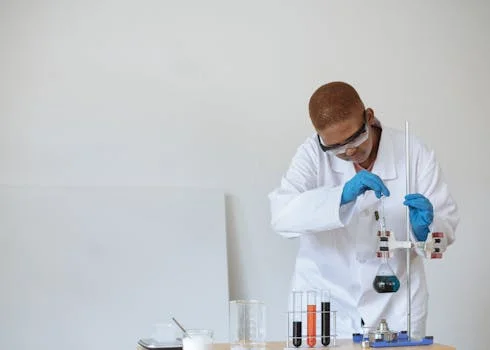
Annual overhauls of ClO2 generators involve the mandatory replacement of all elastomer components and gaskets to prevent chemical bypass and structural failure. Even if the system appears to be running perfectly, the cumulative effect of constant exposure to chlorine dioxide and concentrated precursors will embrittle plastic components. An annual "Liquid End Kit" installation for all dosing pumps is the industry standard for maintaining reliability. This includes replacing diaphragms, check valve balls, and seats to ensure the hydraulic integrity of the dosing system.
The annual shutdown is also the only time to perform a deep clean of the ClO2 solution tank. Over the course of a year, "fines" or precipitates can settle at the bottom of the tank, potentially clogging the suction line of the dosing pumps. Maintenance teams should drain the tank, snake the drain lines, and scrub the interior surfaces. This is also the ideal window to inspect and replace the tank level switches. These switches are critical safety components; if they fail in the "closed" position, the generator may continue to produce solution even when the tank is full, leading to an environmental release.
- Component Replacement: Install new pump tubes, Viton gaskets, and PTFE seals across the skid.
- Sensor Validation: Perform a multi-point calibration of flow sensors and ClO2 residual analyzers.
- Blower Service: Replace the hydrogen blower motor bearings and inspect the pressure switch for corrosion.
- System Calibration: Conduct a full performance verification, measuring the actual ClO2 concentration via titration to confirm it matches the HMI display.
- Documentation: Update the maintenance logbook and schedule the next 12 months of routine checks.
Troubleshooting Common Chlorine Dioxide Generator Issues
The most frequent cause of inconsistent ClO2 dosing in industrial systems is the failure of the back pressure valve, which disrupts the hydraulic balance of the injection line. When this valve fails—often due to debris or a ruptured diaphragm—the dosing pump may over-deliver or allow the chemical to siphon into the process line even when the pump is off. If you observe fluctuating flow rates or air bubbles in the discharge line, the back pressure valve is the first component to inspect and repair.
Low or no ClO2 output is the second most common issue. This is diagnosed by a systematic check of the "Three Pillars": Chemical Supply, Pump Function, and Reaction Energy. First, verify that the precursor tanks are not empty and that no air locks exist in the suction lines. Second, check the stroke frequency of the dosing pumps; if they are cycling but no chemical is moving, the check valves are likely fouled. Finally, for electrolytic units, check the cell amperage. If the amperage is zero, check for a blown fuse or a disconnected power cable—often caused by "cable heat" or melting due to poor electrical connections (per Top 2 research).
System leaks, whether caustic, acid, or ClO2 solution, must be addressed by identifying the source rather than simply tightening fittings. Over-tightening plastic fittings often leads to stress cracking. Instead, disassemble the leaking joint, clean the threads, and replace the O-ring or gasket. If an alarm code appears on the HMI, always consult the specific error matrix in the operation manual. Most modern controllers will specify whether the fault is hydraulic (e.g., "Loss of Prime") or electrical (e.g., "Communication Error"), allowing for rapid targeted troubleshooting.
Extending the Lifespan and Optimizing Performance of Your ClO₂ Generator
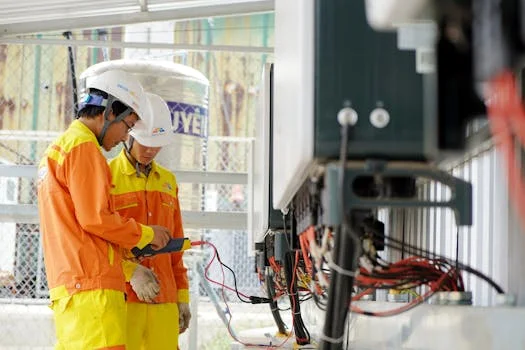
The operational lifespan of a ClO2 generator can be extended to 15 years or more through the exclusive use of PVDF or PTFE components in high-concentration chemical zones. While generic spare parts may offer lower upfront costs, they lack the chemical resistance required for long-term exposure to ClO2, leading to frequent failures and potential safety risks. Always source manufacturer-recommended kits to ensure material compatibility.
Operator training is equally vital. A technician who understands the relationship between dilution water pressure and solution concentration can prevent minor issues from becoming major repairs. Implementing Standard Operating Procedures (SOPs) that include daily log-keeping allows for the identification of "parameter drift," where a slow change in voltage or flow indicates an oncoming component failure. Finally, consider the environmental conditions of the installation site. High humidity and temperature can accelerate the corrosion of electronic control panels; maintaining a climate-controlled environment for the generator's control logic will significantly extend the life of the PLC and HMI components.