A complete MBR membrane bioreactor maintenance protocol includes chemically enhanced backwashing 3 times per week, routine CIP every 30–60 days, and daily monitoring of transmembrane pressure (TMP) and flux. Proper upkeep can extend PVDF membrane lifespan to 7+ years and maintain >95% flux recovery after cleaning when TMP and aeration stay in control.
Why MBR Membrane Bioreactor Maintenance Protects Uptime
Industrial MBR maintenance follows seven loops: daily TMP and flux checks, aeration verification, weekly CEB, monthly sludge integrity checks, scheduled CIP, limit-based response, and replacement triggers. CEB three times weekly plus CIP every 30–60 days typically keeps post-clean flux recovery above 95% and PVDF life near 6–8 years when TMP rise stays below 0.03 bar/day.
Unplanned membrane replacements remain a major CAPEX risk for industrial MBR plants. Earlier industrial pricing benchmarks cited PVDF module replacement at $150–$300/m². Manufacturer-published 2026 market ranges for premium PVDF modules are lower: about $35–$55/m² for Mitsubishi Rayon, $40–$60/m² for Veolia ZeeWeed 500, and $45–$65/m² for Kubota (TheWay Membranes cost comparison). Premature failure still drives downtime, lost capacity, and discharge non-compliance risk.
Fouling accounts for 68% of MBR system downtime, according to industry O&M surveys cited in Hazen and Sawyer reports. Fouling lowers permeate flux, raises pump energy, and forces more aggressive cleaning. A rapid TMP rise exceeding 0.06 bar/hour in submerged MBR operation signals severe and potentially irreversible fouling that needs immediate intervention.
An integrated MBR Membrane Bioreactor Wastewater Treatment System only delivers design flux when operators treat TMP, aeration, and cleaning chemistry as daily control loops rather than emergency tools.
Daily Monitoring: The First Line of Defense
Consistent daily monitoring of key operational parameters can prevent 68% of MBR system downtime caused by fouling (per industry O&M surveys cited in Hazen and Sawyer reports). Operators should track transmembrane pressure (TMP) and permeate flux each shift. A TMP rise greater than 0.03 bar per day indicates developing PVDF membrane fouling and calls for inspection or a tighter cleaning schedule. A sustained permeate flux drop exceeding 15% from the established baseline also needs immediate investigation into sludge solids or biofilm growth.
Membrane aeration rate is equally critical for submerged MBR operation. For HydropureWater DF series PVDF flat sheet modules, an optimal aeration rate of 0.2–0.3 Nm³ air/m² membrane/hour provides continuous scouring that limits dense cake layers. Inadequate aeration accelerates fouling and shortens cleaning intervals.
Daily checks should also cover process chemistry. Keep pH between 6.5 and 8.0 to limit scaling and membrane attack. Hold Mixed Liquor Suspended Solids (MLSS) near 8,000–12,000 mg/L for biological treatment with manageable fouling. Maintain Dissolved Oxygen (DO) above 2.0 mg/L in the aerobic zone so organics do not accumulate as foulants on the membrane surface.
How Do MBR Systems Keep Stable Flux Under Peaks?
MBR systems keep stable flux under peak solids by holding MLSS in the 8,000–12,000 mg/L band, protecting aeration at 0.2–0.3 Nm³ air/m² membrane/hour, and triggering CEB before TMP climbs faster than 0.03 bar/day. Peak flows with high solids raise cake resistance quickly. Operators should temporarily lower set-point flux, increase scour air within the design envelope, and confirm backwash and CEB cycles still complete on schedule. Stable effluent quality after a solids spike depends on recovering TMP before foulants compact into an irreversible layer.
Weekly Physical Cleaning: Optimize Backwash Cycles
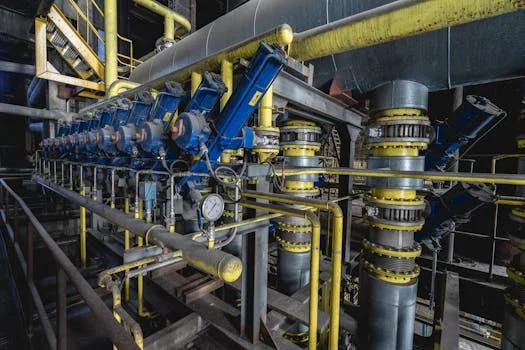
Regular physical cleaning, including daily backwashing and weekly chemically enhanced backwashing (CEB), sustains permeate flux in submerged MBR systems. Backwashing is the base physical clean, performed 2–3 times daily with permeate water. Each cycle should last 60–90 seconds to reverse flow, dislodge loose foulants, and return them to the bioreactor. This routine slows early PVDF membrane fouling before chemical soaks are required.
CEB should run 3 times per week for HydropureWater DF flat-sheet practice. Introduce 50–100 ppm NaOCl into the backwash water so free chlorine oxidizes organics and biofilm that permeate-only backwash cannot remove. Some PVDF hollow-fiber OEMs instead schedule maintenance cleans at about 500 ppm NaOCl every 1–2 weeks (manufacturer data); match dose and interval to the membrane supplier’s chemical tolerance table.
Air scouring complements liquid backwash. Apply air scouring for 3–5 minutes at 0.3–0.5 bar overpressure to create shear across the plate surface and lift sludge cake. Combined backwash, CEB, and scouring keep reversible fouling from advancing into full CIP events too often.
What Makes Flat Sheet MBR Membranes Backwashable?
Flat sheet MBR membranes are backwashable when the module allows short reverse permeate flow through open channels without collapsing the filtration path. HydropureWater DF PVDF plates use 0.1 μm pores and continuous air scour so reverse flow for 60–90 seconds can flush cake into the mixed liquor. Backwashable flat sheet designs still need CEB because reverse flow alone does not dissolve sticky biofilm or inorganic scale. Confirm supplier limits on reverse-flow pressure before raising backwash intensity during high-solids events.
Monthly Assessments and Minor Cleanings
Monthly assessments catch early fouling and integrity issues before they force emergency CIP. Test Mixed Liquor Suspended Solids (MLSS) and Sludge Volume Index (SVI) each month to judge sludge settleability. Target an SVI below 80 mL/g; higher SVI increases cake and gel-layer fouling on the membrane surface.
Inspect membrane modules for tears, heavy biofilm, or calcium scale during the same monthly walkdown. Localized biofilm can often be managed with non-abrasive cleaning, while early scale may respond to a low-dose acid CEB. If inorganic scaling is suspected from pH trends or visual deposits, run a citric acid CEB adjusted to pH 2–3 to dissolve carbonate precipitates without attacking PVDF.
Tie membrane checks into plant-wide industrial maintenance protocols for complementary equipment so sludge handling upsets do not silently reload foulants onto the membranes.
Quarterly and Semi-Annual Chemical Cleaning (CIP)
Full Chemical-In-Place (CIP) cleaning every 30–60 days, adjusted for feedwater quality, is the main method for restoring permeability after severe organic or inorganic fouling. CIP interval tracks fouling rate, which depends on wastewater strength, operating flux, and the quality of daily and weekly cleans. Some PVDF OEMs schedule recovery cleans every 3–6 months at higher oxidant doses (manufacturer data); shorten the interval when TMP recovery after CEB stays weak.
For organic fouling, fats, and biofilm, circulate 1,000–2,000 ppm NaOCl for 2–4 hours through the modules. Keep concentration stable throughout the soak. Precise delivery is easier with a PLC-controlled chemical dosing for precise CEB and CIP. Manufacturer recovery-clean recipes for comparable PVDF membranes often use 2,000–3,000 ppm NaOCl; stay inside the membrane warranty limits.
For calcium, magnesium, or silica scale, circulate 2–4% citric acid for 4–6 hours at pH 2–3. Alternate alkaline and acid CIP when both organic and inorganic foulants are present. Post-CIP flux recovery should exceed 95% of original clean-water flux at the same temperature; recovery below 85% after a complete CIP points to irreversible damage or incomplete cleaning.
| Cleaning Type | Foulant Target | Chemical Used | Concentration | Soak Duration | Frequency | Expected Flux Recovery |
|---|---|---|---|---|---|---|
| Chemically Enhanced Backwash (CEB) | Organic, Biofilm | NaOCl | 50–100 ppm | 60–90 seconds (backwash cycle) | 3 times/week | Reversible fouling reduction |
| Chemical-In-Place (CIP) - Alkaline | Organic, Biofilm | NaOCl | 1,000–2,000 ppm | 2–4 hours | Every 30–60 days | >95% |
| Chemical-In-Place (CIP) - Acidic | Inorganic Scaling | Citric Acid | 2–4% | 4–6 hours | As needed (often quarterly) | >90% (for inorganic) |
MBR Maintenance Parameter Table
A standardized parameter table gives operators clear action thresholds for TMP, flux, aeration, solids, and cleaning chemistry. Use it as the shared operating sheet for HydropureWater DF series PVDF flat sheet modules with 0.1 μm pore size. Consistent response to these limits reduces irreversible fouling and keeps CIP intervals predictable.
| Parameter | Ideal Range | Monitoring Frequency | Action Threshold | Chemical Used (if applicable) |
|---|---|---|---|---|
| Transmembrane Pressure (TMP) | <0.05 bar | Daily (continuous) | >0.03 bar/day rise, or >0.06 bar/hour rise | NaOCl (CEB/CIP), Citric Acid (CIP) |
| Permeate Flux | >15 LMH (typical) | Daily | >15% drop from baseline | NaOCl (CEB/CIP), Citric Acid (CIP) |
| Membrane Aeration Rate | 0.2–0.3 Nm³ air/m² membrane/hour | Daily | Below 0.2 Nm³ air/m² membrane/hour | N/A (adjust blower) |
| Chemically Enhanced Backwash (CEB) Frequency | N/A | N/A | 3 times/week minimum | 50–100 ppm NaOCl |
| Chemical-In-Place (CIP) Interval | N/A | N/A | Every 30–60 days (based on fouling) | 1,000–2,000 ppm NaOCl / 2–4% Citric Acid |
| Mixed Liquor Suspended Solids (MLSS) | 8,000–12,000 mg/L | Weekly/Monthly | >15,000 mg/L or <7,000 mg/L | N/A (sludge wasting/return adjustment) |
| Sludge Volume Index (SVI) | <80 mL/g | Weekly/Monthly | >120 mL/g | N/A (process adjustment) |
Extending MBR Membrane Lifespan to 7+ Years
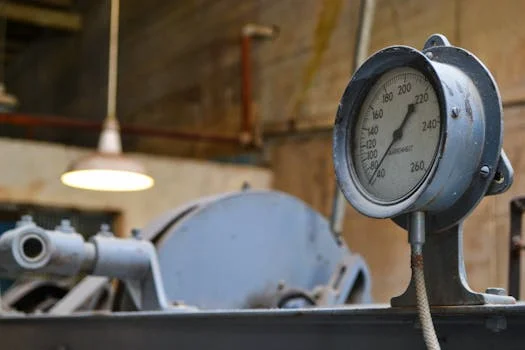
Properly maintained PVDF flat sheet membranes can achieve a lifespan of 6–8 years, versus 3–4 years with poor upkeep. Manufacturer TCO guidance for comparable PVDF modules likewise cites a typical operational life of 5–8 years under controlled feed and cleaning (TheWay Membranes). That interval dominates long-term membrane bioreactor cost because modules are a large share of initial CAPEX and of lifecycle OPEX.
Proactive CEB and CIP also cut chemical waste. Automated dosing and monitoring can reduce chemical use by about 40% (per HydropureWater case data) when concentrations stay inside the validated band. Lower unnecessary oxidant exposure protects PVDF mechanical strength while still removing foulants.
Keep permeate flux above 15 LMH and TMP consistently below 0.06 bar under normal feed temperature and solids. Continuous high-TMP operation compresses foulant layers and shortens module life. For CAPEX and OPEX context, review the plant-level MBR system ROI and long-term cost analysis alongside this maintenance protocol.
Selection Checklist Before You Change Cleaning Setpoints
Plant operators should use this checklist before changing CEB dose, CIP interval, or design flux on an operating train:
- Confirm current TMP rise rate (bar/day) against the 0.03 bar/day action threshold.
- Verify membrane aeration is still 0.2–0.3 Nm³ air/m² membrane/hour at the blower setpoint.
- Record MLSS and SVI; correct sludge quality before raising chemical strength.
- Match NaOCl and citric acid doses to the membrane warranty table, not a generic recipe.
- Measure post-CIP clean-water flux recovery at the same temperature as the baseline.
- Document feed oil/grease and hardness so acid versus alkaline CIP choice is evidence-based.
- Budget replacement using current module $/m² ranges, not outdated $150–$300/m² quotes alone.
Who this is for: plant engineers and O&M leads running submerged PVDF flat-sheet or similar industrial MBR trains who need repeatable cleaning limits. Who should look elsewhere: buyers seeking only municipal reuse policy comparisons without equipment O&M detail. Next step: compare your live TMP and flux trends to the parameter table, then align CEB/CIP setpoints with the installed MBR Membrane Bioreactor Wastewater Treatment System supplier limits before the next scheduled CIP.
Frequently Asked Questions
What is the recommended CEB frequency for MBR systems?
Chemically Enhanced Backwashing (CEB) for HydropureWater DF-style submerged MBR trains is typically 3 times per week using 50–100 ppm NaOCl. That dose targets organic foulants and biofilm during a 60–90 second reverse-flow cycle. Some hollow-fiber PVDF OEMs use higher maintenance doses near 500 ppm on a 1–2 week interval, so always follow the installed membrane chemical tolerance sheet.
How often should full CIP be performed on submerged MBR membranes?
Full Chemical-In-Place (CIP) cleaning is usually performed every 30–60 days on submerged MBR membranes, with the interval shortened when CEB no longer restores TMP. Alkaline CIP commonly uses 1,000–2,000 ppm NaOCl for 2–4 hours; acid CIP uses 2–4% citric acid for 4–6 hours at pH 2–3. Feed strength and observed fouling rate set the final schedule.
What causes irreversible fouling in MBR membranes?
Irreversible fouling is mainly caused by severe calcium scaling, oil and grease that form a hydrophobic layer, or prolonged high TMP that compacts the foulant cake. Once permeability no longer returns after a complete alkaline-plus-acid CIP, chemical cleaning alone rarely restores design flux. Early action at a 0.03 bar/day TMP rise is the practical prevention rule.
How do you know when MBR membranes need replacement?
Replace MBR membranes when permeate flux stays below 10 LMH after a thorough CIP, when visible tears or widespread damage appear, or when TMP remains above 0.1 bar despite completed cleaning. At that point cleaning chemicals mainly consume OPEX without restoring capacity. Plan procurement using current PVDF module market ranges rather than legacy $150–$300/m² figures alone.
Can MBR systems operate without chemical cleaning?
No. Physical cleaning by backwashing and air scouring removes loose solids, but CEB and periodic CIP are required to dissolve persistent organic and inorganic foulants. Without chemical cleaning, TMP climbs, energy rises, and irreversible fouling arrives earlier. Chemical cleans are part of normal submerged MBR operation, not an optional emergency step.