A proper sludge press equipment maintenance guide can extend system lifespan to 25+ years and reduce downtime by up to 45%. Key actions include daily flushing with clean water, weekly inspection of wear parts, and annual alignment checks. This 8-step protocol integrates time-based tasks, equipment-specific actions, and performance tracking to maximize reliability in industrial dewatering operations.
Why Maintenance Determines Sludge Press Lifespan
Average sludge press lifespan is 10–15 years without proper care, but can exceed 25 years with structured maintenance. This significant difference highlights the direct correlation between proactive maintenance and long-term operational viability in industrial wastewater treatment. Unplanned downtime, a direct consequence of neglected equipment, costs industrial wastewater facilities between $5,000 and $15,000 per hour. These costs stem not only from repair expenses but also from disposal fees for untreated sludge, labor for emergency repairs, and potential regulatory fines for discharge violations.
The primary failure modes for sludge press equipment are corrosion, clogging, and misalignment—all of which are largely preventable through routine preventative maintenance. Corrosion, often exacerbated by the aggressive nature of sludge and chemicals, weakens structural components and seals. Clogging, particularly prevalent in screw presses, reduces dewatering efficiency and can lead to motor overload if not addressed. Misalignment, common in both screw presses and plate and frame filter presses, accelerates wear on bearings, shafts, and filter cloths, leading to premature component failure and increased energy consumption. Implementing a robust sludge press equipment maintenance guide directly mitigates these risks, safeguarding operational continuity and extending the dewatering equipment lifespan.
Understanding Your Sludge Press Type and Maintenance Needs
Different sludge press technologies, such as screw presses and plate and frame filter presses, demand distinct maintenance approaches due to their fundamental operational differences. Recognizing your specific equipment type is the first step in applying the correct maintenance logic, ensuring that maintenance actions are tailored and effective.
Screw press systems utilize a rotating screw shaft within a cylindrical screen composed of fixed and moving rings. Their design incorporates a self-cleaning mechanism where the moving rings continuously clear the gaps, preventing clogging. However, this relies heavily on consistent operation. These systems require daily spray flushing with clean water to prevent residual sludge from drying and jamming the rings, a critical step for effective screw press maintenance. Without proper flushing, even the self-cleaning mechanism can become overwhelmed, leading to reduced efficiency and potential mechanical stress.
In contrast, plate and frame filter presses operate by pressing sludge between a series of filter plates, each covered with a filter cloth. The dewatering process relies on the integrity of these cloths and the precise alignment of the plates to form a sealed chamber. Consequently, filter press upkeep dictates a strong focus on the condition of the filter cloths, requiring weekly inspection for tears, blinding, or excessive wear, and monthly plate cleaning to remove accumulated solids that can impair sealing or drainage. Unlike screw presses, filter presses typically require manual cleaning or a dedicated cloth wash system rather than an internal self-cleaning mechanism.
The table below summarizes the key maintenance focus areas for each type:
| Sludge Press Type | Primary Dewatering Mechanism | Key Maintenance Focus | Cleaning Mechanism |
|---|---|---|---|
| Screw Press | Screw compression, moving/fixed rings | Daily flushing, ring gap integrity, shaft rotation | Self-cleaning (moving rings) |
| Plate and Frame Filter Press | Pressure filtration through filter cloths | Filter cloth condition, plate alignment, sealing surfaces | Manual or automated cloth washing |
Understanding these fundamental differences ensures that maintenance efforts are precisely targeted, whether you operate a self-cleaning screw press or a fully automated plate and frame filter press with PLC control. For a broader overview of dewatering maintenance, refer to our comprehensive sludge dewatering system maintenance protocol.
The 8-Step Sludge Press Maintenance Protocol
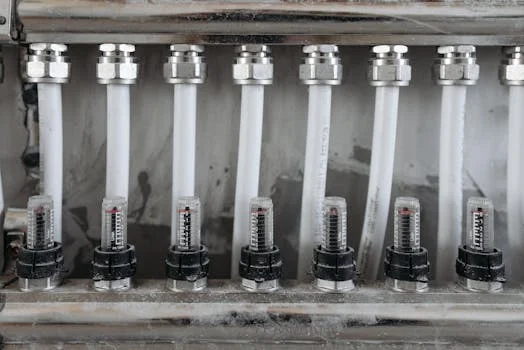
Implementing a structured, time-based maintenance protocol for sludge presses can reduce unplanned downtime by up to 45% and significantly extend equipment service life beyond 25 years. This proactive approach to sludge dewatering system reliability moves beyond reactive repairs, ensuring consistent performance and preventing costly breakdowns. The following 8-step protocol integrates daily, weekly, monthly, and annual tasks, tailored to address common failure points in both screw presses and plate and frame filter presses.
- Step 1: Daily — Flush entire system with clean water post-operation. After each dewatering cycle or at the end of the operating day, flush the entire system with clean water. This action prevents residual sludge from drying and hardening on critical surfaces, especially within screw press rings and filter press cloths. Daily flushing reduces clogging by 70%, preserving efficiency and reducing the need for aggressive cleaning.
- Step 2: Daily — Inspect screw shaft rotation and backpressure plate for abnormal vibration. For screw presses, observe the rotation of the screw shaft and the operation of the backpressure plate. Listen for unusual noises and feel for excessive vibrations, which can indicate sludge overload, foreign objects, or early signs of bearing wear. For plate and frame presses, check for any signs of sludge leakage from between plates, indicating a sealing issue.
- Step 3: Weekly — Lubricate gearboxes and drive chains per manufacturer specs. Proper lubrication is fundamental for the longevity of any mechanical system. Adhere strictly to the manufacturer's specified lubricant type and frequency for gearboxes, drive chains, and any other moving parts. This prevents friction, reduces heat buildup, and extends the life of these critical components.
- Step 4: Weekly — Check wear on moving rings (screw press) or filter cloths (plate and frame). Examine the moving rings on a screw press for excessive wear or damage that could compromise the self-cleaning action or dewatering efficiency. For plate and frame presses, meticulously inspect filter cloths for tears, holes, blinding, or thinning areas. Damaged cloths lead to poor filtrate quality and reduced dewatering performance, necessitating prompt replacement.
- Step 5: Monthly — Calibrate torque sensor and overload protection system. The torque sensor and overload protection system are vital safety mechanisms that prevent mechanical damage from excessive load or jams. Regularly calibrate these systems to ensure they trigger correctly, preventing motor burnout or structural damage to the press. This is a key aspect of preventative maintenance for wastewater equipment.
- Step 6: Monthly — Clean spray nozzles and verify water pressure. Effective flushing relies on properly functioning spray nozzles and adequate water pressure. Clean all spray nozzles to remove any blockages and verify that the water pressure is at least 3 bar for effective flushing of both screw press rings and filter press cloths. Clogged nozzles lead to uneven cleaning and localized sludge buildup.
- Step 7: Annually — Perform shaft alignment and inspect bearing condition with vibration analysis. For screw presses, precise shaft alignment is crucial to prevent premature bearing and seal wear. Annually, perform a comprehensive shaft alignment check. For both types of presses, conduct vibration analysis on bearings to detect early signs of wear or damage before they lead to catastrophic failure. This can significantly extend the dewatering equipment lifespan.
- Step 8: Annually — Replace seals and inspect structural welds on press frame. All seals, including those on the screw shaft or hydraulic cylinders, degrade over time and should be replaced annually or as recommended by the manufacturer. Simultaneously, thoroughly inspect all structural welds on the press frame for any signs of fatigue, cracking, or corrosion, ensuring the long-term integrity and safety of the equipment.
This detailed protocol forms the backbone of a robust sludge press equipment maintenance guide, integrating specific tasks with their optimal frequencies. For more comprehensive maintenance insights, explore our DAF machine maintenance checklist with lubrication specs, which shares similar principles for industrial cleaning.
Here is a summary table of the 8-step protocol:
| Step | Frequency | Key Action | Equipment Focus | Benefit |
|---|---|---|---|---|
| 1 | Daily | Flush entire system with clean water post-operation | All press types | Reduces clogging by 70%, maintains efficiency |
| 2 | Daily | Inspect screw shaft rotation / backpressure plate for abnormal vibration | Screw Press (leakage for Plate & Frame) | Early detection of mechanical issues, prevents jams |
| 3 | Weekly | Lubricate gearboxes and drive chains | All press types (mechanical components) | Prevents friction, extends component life |
| 4 | Weekly | Check wear on moving rings (screw press) / filter cloths (plate and frame) | Screw Press / Plate & Frame | Ensures optimal dewatering, prevents filtrate quality issues |
| 5 | Monthly | Calibrate torque sensor and overload protection system | All press types (safety systems) | Prevents motor burnout and structural damage |
| 6 | Monthly | Clean spray nozzles and verify water pressure (≥3 bar) | All press types (cleaning system) | Ensures effective and even cleaning |
| 7 | Annually | Perform shaft alignment and inspect bearing condition with vibration analysis | All press types (rotating components) | Prevents premature wear, extends lifespan |
| 8 | Annually | Replace seals and inspect structural welds on press frame | All press types (structural integrity) | Maintains leak integrity, ensures structural safety |
Common Maintenance Mistakes and How to Avoid Them
Ignoring even seemingly minor maintenance tasks can lead to significant operational failures and increased costs in sludge dewatering systems. Skipping the critical post-shutdown flush on screw presses, for instance, increases the clogging rate by approximately 70%. This oversight allows residual sludge to dry and harden, particularly between the moving and fixed rings, leading to reduced dewatering efficiency, increased torque demands, and potential mechanical wear on the screw shaft and rings. A consistent industrial press cleaning procedure is paramount.
Another prevalent error is using incorrect lubricant viscosity, which can accelerate gearbox wear by up to 40%. Gearboxes are subjected to heavy loads and continuous operation; using a lubricant that is too thick or too thin, or one that lacks the correct additive package, compromises bearing and gear protection. Always consult the equipment manufacturer's specifications for the exact lubricant type and schedule. Ignoring minor leaks, whether from hydraulic lines, seals, or process connections, causes corrosion that can reduce structural integrity by 15% over five years. Even small, consistent drips can introduce corrosive elements to electrical components or structural steel, leading to costly repairs and compromising the overall reliability of the sludge dewatering system. Adhering to a robust sludge dewatering system maintenance guide helps avoid these pitfalls.
Tools and Records for Effective Maintenance Tracking
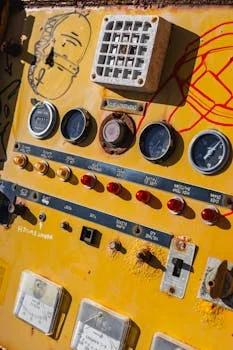
Digital logbooks improve maintenance consistency by 80% compared to paper records, ensuring thorough documentation of tasks and anomalies. Implementing a structured system for maintenance tracking is essential for maximizing sludge dewatering system reliability and extending equipment life. A digital logbook should be used to record every task completion, detail any parts replaced, and note any anomalies observed during inspections. This creates an auditable history that helps identify recurring issues, track component lifespan, and optimize future maintenance schedules.
Modern sludge press equipment, especially those from HydropureWater, often feature advanced automation capabilities. Integrating PLC alerts for critical parameters like low spray pressure or high torque can provide real-time warnings, enabling proactive intervention before a minor issue escalates into a major breakdown. These PLC-controlled maintenance alerts can be configured to notify operators or trigger automated responses, enhancing preventative maintenance for wastewater equipment. Scheduling maintenance activities approximately one week before anticipated peak sludge loading periods helps to avoid stress failures. This proactive scheduling ensures that the equipment is in optimal condition when demand is highest, minimizing the risk of unplanned downtime during critical operational windows.
Frequently Asked Questions
Regularly addressing common