Why DAF Machine Maintenance Prevents Costly Downtime
DAF machine maintenance means blowdowns every 1–2 hours for 15–30 seconds, dissolved-air pressure at 0.4 MPa (±0.05 MPa), tank cleanouts weekly on high-solids streams or monthly on low-load streams, and skimmer greasing every 3 months. Plants that keep this cadence typically hold 95%+ uptime and extend life from about 10 years to 15+ years.
Unplanned downtime from a failed dissolved air flotation (DAF) unit halts production and costs industrial plants an average of $1,200–$5,000 per hour. A 2023 Water Environment Federation operator survey found that 80% of DAF failures are preventable, stemming from neglected bottom blowdowns or clogged release valves. The cost of neglect also includes POTW surcharges, permit risk, and labor for emergency restart.
High-FOG food plants see the highest wear, so most units we size for meat packing or rendering run the aggressive end of every interval below. A written log that tracks blowdown volume, amperage, and pressure trends catches drift before a weekend failure.
Daily DAF Maintenance Tasks
Daily DAF checks start each shift with a short visual and operational walkdown before load rises. Documenting the same five items in a maintenance log makes recurring faults visible within days rather than after a breakdown.
- Blow Down Bottom Solids: Open the bottom drain valves for 15-30 seconds every 1–2 hours to prevent compacted sludge buildup, a practice that prevents 40% of hydraulic-related failures (VanAire standard). Record the volume and consistency of the blowdown waste; a sudden change can indicate an upstream process issue.
- Inspect Critical Pumps and Motors: Listen for abnormal vibration or noise from the inlet feed pump, dissolved air pump, and air compressor. Check motor amperage against baseline readings. Use an infrared thermometer to check for overheating bearings, which often fail before a motor burns out completely.
- Verify Air System Pressure: Check the dissolved air tank pressure gauge and ensure it is maintained at 0.4MPa (±0.05 MPa). Low pressure is the leading cause of poor flotation. Also, inspect all air lines and fittings for minor leaks that can gradually reduce system efficiency over time.
- Assess Scum and Skimmer Operation: Check scum thickness and visually confirm the skimmer chain or flights move freely without binding or jumping tracks. Observe the scum consistency; a thin, watery scum may indicate a chemical feed issue, while a thick, heavy scum may require skimmer speed adjustment.
- Check Chemical Feed Systems: Visually inspect polymer and coagulant day tanks for adequate volume. Look for leaks around pump heads and ensure all injection lines are clear and not dripping, as improper dosing is a primary cause of poor separation.
Weekly and Monthly Preventive Actions
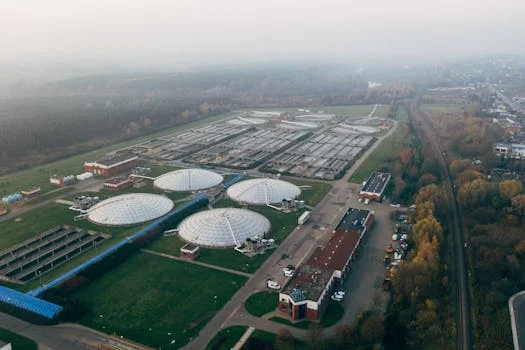
Weekly and monthly DAF work fights long-term fouling that daily rounds cannot clear. Full drain-and-clean frequency tracks the wastewater stream, not the calendar alone, so assign an owner and a written schedule.
- Full Tank Drain and Cleaning: In high-solids applications (e.g., meat packing, pulp/paper), drain the DAF tank completely weekly. For low-load systems (e.g., some petrochemical streams), a monthly cleaning may suffice. During cleaning, use non-abrasive tools to avoid damaging protective epoxy coatings on tank surfaces.
- Wash Down Internal Surfaces: Monthly, use a high-pressure washer to clean the inside walls, effluent weirs, and sluice gates to prevent biofilm and scale buildup, a common practice noted by seasoned operators. Pay special attention to corners and behind baffles where solids accumulate.
- Clean Level Sensors: If equipped, gently clean the lens of radar or ultrasonic level sensors monthly to ensure accurate level control and prevent overflow. For float-based sensors, check for frayed cables or obstructions that could impede free movement.
- Bearing Lubrication: Grease skimmer shaft bearings every 3 months using NLGI Grade 2 Lithium Complex EP grease to prevent seizure and motor burnout. Remember to wipe grease fittings clean before applying new grease to avoid injecting contaminants into the bearing.
- Inspect and Tighten Hardware: On a monthly basis, walk the unit and check for loose bolts, nuts, and fasteners on the skimmer assembly, cover panels, and support structures. Vibration can cause them to work loose over time.
| Task | High-Load Wastewater (e.g., Food) | Low-Load Wastewater (e.g., Refinery) |
|---|---|---|
| Full Tank Washdown | Weekly | Monthly |
| Weir/Baffle Cleaning | Weekly | Monthly |
| Blowdown Frequency | Every 60-90 mins | Every 2-4 hours |
| Release Valve Inspection | Bi-Weekly | Monthly |
| Chemical Pump Calibration | Weekly | Bi-Weekly |
Use the table as the plant baseline, then tighten intervals when sludge depth or FOG load rises above your recorded norm. Most food plants we support stay on the high-load column year-round.
Critical Components That Demand Regular Attention
Critical DAF components fail first when air saturation, release valves, skimmers, or sludge handling fall off the schedule. Keeping gaskets, seals, and spare release valves on the shelf cuts repair time when a unit is down.
- Air Saturation System: The heart of the DAF. Weekly, check for air leaks at fittings and ensure the recirculation pump delivers 20–30% of the total influent flow to the saturation tank. Low flow causes poor microbubble formation. Annually, consider sending the saturation tank for inspection and hydrotesting to ensure its structural integrity.
- Release Valves: Inspect monthly for clogging from mineral scale or debris. If buildup occurs, clean with a 10% citric acid solution. A clogged valve drops saturation pressure and destroys floatation efficiency. Keep a spare set of valves on hand to swap out during cleaning, minimizing process interruption.
- Skimmer Mechanism: Quarterly, inspect skimmer rubbers and replace if worn beyond 3 mm thickness. Simultaneously, check flight guides for scoring and grease the tracks with the specified NLGI 2 grease to ensure smooth operation. Misalignment is a common issue; use a straightedge to verify the skimmer flights are parallel to the effluent weir.
- Sludge Auger and Gearbox: During each scheduled tank cleaning, inspect auger bearings for play. Lubricate the auger gearbox every 3 months according to the manufacturer’s oil type and volume specifications. Listen for unusual noises during operation, which can indicate worn flighting or a failing bearing.
When specifying a replacement or upgrade, a Dissolved Air Flotation (DAF) System with automated skimming and controlled micro-bubble release reduces several of these wear points. Match recirculation rate and skimmer duty to your peak FOG and TSS load before you lock CapEx.
What Causes Common Issues with a DAF Machine?
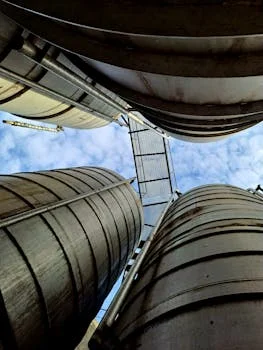
Common issues with a DAF machine almost always trace to a missed blowdown, a clogged release valve, low air pressure, or a worn skimmer—not to mysterious process chemistry. Lock out and tag out (LOTO) before any hands-on work inside the tank or on moving parts.
| Symptom | Likely Cause (Maintenance Lapse) | Immediate Action |
|---|---|---|
| Poor Solids Separation / Cloudy Effluent | Insufficient blowdown (sludge buildup), clogged release valves, or low air pressure (< 0.35MPa). | Increase blowdown frequency, clean release valves, adjust pressure to 0.4MPa. |
| Scum Carryover into Effluent | Skimmer speed too fast or weir level misaligned. Flight guides may be worn. | Adjust skimmer speed per manual, check and level weirs, inspect flight guides. |
| Excessive Foam / Foam Overflow | Over-aeration (air-to-solids ratio > 0.03) or chemical overdosing (especially polymer). | Verify air solenoid operation, recalibrate chemical feed pumps to achieve a 0.01–0.03 air-to-solids ratio. |
| Loud Grinding from Skimmer | Ungreased or seized bearings, or a misaligned chain derailed from its sprockets. | Immediately shut down. Manually grease bearings and realign the chain and sprockets. |
| Fluctuating Tank Level | Clogged or faulty level sensor, or a stuck inlet or effluent valve. | Clean level sensor, manually exercise valves to ensure they open and close freely. |
For stepwise field fixes beyond this maintenance lens, see our guide to field-tested troubleshooting steps for DAF performance issues. Fix the maintenance lapse first; chemical retunes rarely hold if sludge depth or air pressure is already wrong.
What Warranty Items Should Cover DAF Maintenance?
Warranty language for a wastewater DAF unit should spell out which maintenance tasks the buyer must perform to keep coverage valid, and which wear parts sit outside the warranty. Most plants we support ask vendors to list blowdown intervals, saturation pressure setpoints, lubrication grades, and release-valve inspection cadence in the O&M schedule attached to the warranty.
Typical buyer checklist items include: documented daily logs; quarterly skimmer bearing greasing with the named NLGI Grade 2 grease; monthly release-valve inspection; and load-based full-tank cleanouts. Ask whether saturation tank hydrotesting, skimmer rubbers worn past 3 mm, and chemical pump calibration kits are covered, loaner, or buyer-supplied. Vague “maintain per good practice” clauses leave disputes open after a failure.
If you are comparing a new Dissolved Air Flotation (DAF) System against a rebuild, put the maintenance matrix and spare-parts list next to the warranty page before you sign. That single comparison prevents most coverage arguments later.
Who This Is For and Next Step
This guide is for plant engineers, maintenance leads, and EPC teams who need practical DAF machine maintenance intervals they can staff on shift. Look elsewhere if you need full process design, chemical treatability testing, or electrical controls programming—these checklists assume the unit is already installed and commissioned.
Selection checklist before you change intervals or buy spares:
- Influent FOG and TSS load class (high-load food vs low-load refinery column)
- Measured dissolved-air pressure vs 0.4 MPa (±0.05 MPa)
- Blowdown interval vs sludge depth trend
- Skimmer rubber thickness vs 3 mm replace limit
- Recirculation flow as 20–30% of influent
- Named grease type and last lubrication date
- On-hand spare release valves and seals
If your unit still misses effluent targets after the checklist above, request a DAF maintenance and sizing review with your influent data and recent pressure or sludge logs. Bring one week of amperage and blowdown notes; that shortens diagnosis.
Frequently Asked Questions
What grease should DAF skimmer bearings use?
Use an NLGI Grade 2 Lithium Complex EP (Extreme Pressure) grease on DAF skimmer shaft bearings. That grade gives water resistance and load capacity in the wet, high-load skimmer environment. Wipe fittings clean before pumping grease so contaminants are not forced into the bearing. Do not mix grease chemistries; incompatible bases can soften the film and accelerate wear.
How often should you drain a DAF tank completely?
Drain and wash a DAF tank weekly on high-solids or high-FOG streams such as food processing, and monthly on lower-load applications. Set the final interval from measured sludge accumulation during cleanings rather than from a generic calendar. Raise frequency when blowdown consistency thickens or when cloudy effluent returns between cleanings.
Why is my DAF system not floating solids properly?
Poor flotation most often comes from dissolved-air tank pressure below 0.35 MPa, clogged release valves, or sludge depth left high by infrequent blowdowns. Under-dosed coagulant or polymer also leaves particles too small to float. Restore 0.4 MPa, clean valves with 10% citric acid if scaled, and increase blowdown before changing chemistry setpoints.
Can DAF maintenance intervals change with wastewater type?
Yes. High fats, oils, grease, or TSS require more frequent blowdowns, tank cleanings, and valve inspections than cleaner influent. Seasonal production swings should trigger a schedule review against the high-load versus low-load table in this guide. Keep the written log so interval changes stay evidence-based.
Is there a free DAF maintenance guide PDF available?
Equipment makers usually supply the model-specific operation and maintenance manual for each unit. Treat the checklists here as a universal baseline, then overlay the manufacturer’s lubrication volumes, torque values, and LOTO steps. Industry associations sometimes publish generalized best-practice notes, but your serial-number manual remains the controlling document.
Further Reading
These in-depth articles on related wastewater treatment topics are available: