Why Mwanza Hospitals Fail Wastewater Compliance: Contaminant Loads and Regulatory Gaps
Mwanza’s hospitals generate wastewater with COD levels up to 1,200 mg/L—far exceeding Tanzania’s TZS 860:2015 discharge limit of 60 mg/L. The MWAUWASA sewer network (85 km, 3,500 connections) serves only 15% of the city, forcing most hospitals to rely on onsite treatment. Effective solutions must achieve 99.9% pathogen removal while handling pharmaceutical residues, requiring specialized equipment like MBR systems or chlorine dioxide generators to meet both MWAUWASA and Lake Victoria Basin Commission standards.
In Mwanza, hospital effluent typically contains 800–1,200 mg/L Chemical Oxygen Demand (COD) and 400–600 mg/L Biochemical Oxygen Demand (BOD), according to Sciencedirect (2022) data. These concentrations are significantly higher than standard municipal waste due to the high concentration of disinfectants, detergents, and biological matter inherent in clinical operations. The regulatory gap in Mwanza is compounded by the presence of pharmaceutical residues, including antibiotics and hormones, which were detected in 70% of hospital effluent samples in a 2024 Lake Victoria Basin Commission (LVBC) report.
| Parameter | Raw Hospital Effluent (Mwanza) | TZS 860:2015 Standard | Compliance Gap |
|---|---|---|---|
| COD (mg/L) | 800 – 1,200 | ≤ 60 | > 95% Reduction Required |
| BOD₅ (mg/L) | 400 – 600 | ≤ 30 | > 92% Reduction Required |
| Fecal Coliform (CFU/100mL) | 10⁶ – 10⁸ | ≤ 1,000 | 99.99% Kill Required |
| pH | 5.5 – 9.5 | 6.0 – 9.0 | Correction Required |
| Pharmaceutical Residues | Detected (70% of sites) | Monitoring Required | Advanced Oxidation Needed |
MWAUWASA vs. Onsite Treatment: Cost and Compliance Trade-offs for Mwanza Hospitals
MWAUWASA sewer connection costs for medical facilities range from TZS 2M to 5M (EUR 700–1,800), yet connection does not exempt a hospital from pre-treatment requirements for hazardous biological waste.Under the MWAUWASA 2024 tariff structure, hospitals pay monthly fees of TZS 50,000–200,000 based on bed count, but this service is only accessible to the 15% of the city currently served by the 85 km sewer network. For hospitals in Ilemela or Nyamagana located outside this zone, the alternative is the recurring cost of vacuum trucks, which charge TZS 50,000–70,000 per trip to transport waste to the Butuja-Ilemela stabilization ponds. For a 200-bed hospital, this can translate to daily trips, creating an OPEX burden that far exceeds the cost of modern onsite treatment.
Investing in onsite MBR systems for hospital wastewater in Mwanza offers a CAPEX-heavy but OPEX-light alternative. Onsite system CAPEX typically ranges from TZS 15M to 50M (EUR 5,500–18,500) for facilities with 50 to 500 beds. While the initial investment is higher, the operational costs—including energy, chemicals, and maintenance—average TZS 2M–8M per year. The Ilemela plant currently operates at 70% of its 12,000 m³/day capacity, but its reliance on stabilization ponds means it is not optimized for the specific chemical constituents of medical waste. A 2023 WHO case study on the Bugando Medical Centre demonstrated that installing an onsite MBR system reduced compliance violations by 80% and eliminated the facility's dependency on the municipal suction truck schedule, providing a 3.5-year return on investment (ROI) through saved hauling fees.
| Factor | MWAUWASA Sewer Connection | Onsite Treatment (MBR) |
|---|---|---|
| Initial CAPEX | TZS 2M – 5M | TZS 15M – 50M |
| Monthly OPEX | TZS 50k – 200k + Suction Fees | TZS 160k – 650k (Energy/Chem) |
| Compliance Risk | High (Pre-treatment required) | Low (Zero-risk discharge) |
| Reliability | Dependent on Network/Trucks | Fully Autonomous |
| Water Reuse | Not Possible | Possible (Irrigation/Cleaning) |
Hospital Wastewater Treatment Technologies: Head-to-Head Performance in Mwanza’s Climate
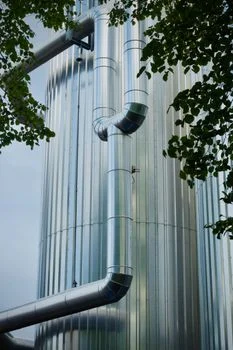
Membrane Bioreactor (MBR) systems are particularly effective in this climate because they maintain high biomass concentrations (MLSS), allowing for a smaller physical footprint while achieving 95–98% COD removal. According to EPA 2024 benchmarks, MBRs provide superior pathogen removal (99.99%) compared to traditional activated sludge, which is critical for meeting TZS 860:2015 standards without excessive chemical dosing. To understand the underlying mechanics, administrators can review MBR system engineering and efficiency data for 2025 to see how these systems handle fluctuating medical loads.
Disinfection remains the most critical stage for Mwanza hospitals. While liquid chlorine is common, chlorine dioxide disinfection for Mwanza hospitals is becoming the preferred standard. Chlorine dioxide (ClO₂) provides a 99.9% pathogen kill rate and remains stable at Mwanza’s high temperatures, unlike traditional chlorine which forms harmful Absorbable Organic Halogens (AOX) when reacting with pharmaceutical residues. For hospitals dealing with high concentrations of oils, fats, or suspended solids from laundry and kitchen facilities, DAF systems for hospital wastewater pretreatment are utilized to remove 90–95% of Total Suspended Solids (TSS) before biological treatment. Ozone systems are an alternative for pharmaceutical degradation (90% removal), but their high energy consumption (2–3 kWh/m³) and rapid decomposition in heat make them less cost-effective for Mwanza’s regional profile.
| Technology | COD Removal | Pathogen Kill | Energy Use | Mwanza Climate Fit |
|---|---|---|---|---|
| MBR | 95 – 98% | 99.99% | 0.5 – 1.0 kWh/m³ | Excellent (High Bio-activity) |
| Chlorine Dioxide | Minimal | 99.9% | Low | High (Stable in Heat) |
| Ozone | Variable | 99.99% | 2.0 – 3.0 kWh/m³ | Poor (Rapid Decay) |
| DAF | 30 – 50% (TSS Focus) | Minimal | Moderate | Good (Pre-treatment) |
Step-by-Step Equipment Selection for Mwanza Hospitals: Bed Count, Flow Rate, and Budget
Selecting the correct equipment depends on a hospital’s daily hydraulic load, which in Tanzania typically averages 400 to 500 liters per bed per day for full-service facilities.For a 50-bed clinic, the flow rate of 10–20 m³/day is best served by compact medical wastewater systems for Mwanza clinics. These compact systems offer a CAPEX of approximately TZS 15M and require minimal energy (0.3 kWh/m³), making them ideal for smaller facilities with limited technical staff. These systems integrate primary settling, biological contact oxidation, and disinfection into a single skid-mounted unit that fits in a standard parking space.
For larger 200-bed hospitals (50–80 m³/day), an MBR system (TZS 40M CAPEX) or a combination of DAF and chlorine dioxide (TZS 35M CAPEX) is necessary to handle the increased complexity of the effluent. Facilities at this scale must also account for sludge management; sludge dewatering using a plate and frame filter press reduces the volume of waste destined for the Butuja facility, lowering disposal costs from TZS 70,000 per truck to TZS 10,000 per ton of dry cake. When calculating the total cost of ownership, administrators should consult CAPEX and OPEX breakdowns for wastewater treatment systems to benchmark their local quotes against international engineering standards. Maintenance schedules must be strictly followed, particularly for MBR membranes, which require chemical cleaning every 3–6 months to prevent fouling in Mwanza’s mineral-rich water.
| Hospital Size | Flow Rate (m³/day) | Recommended Tech | Estimated CAPEX | Annual OPEX |
|---|---|---|---|---|
| 50 Beds | 10 – 20 | Compact medical wastewater system | TZS 15M | TZS 2M |
| 200 Beds | 50 – 80 | MBR or DAF+ClO₂ | TZS 40M | TZS 5M |
| 500 Beds | 150 – 200 | MBR + Dewatering | TZS 80M | TZS 12M |
Compliance Checklist: Meeting MWAUWASA and Tanzania Discharge Standards
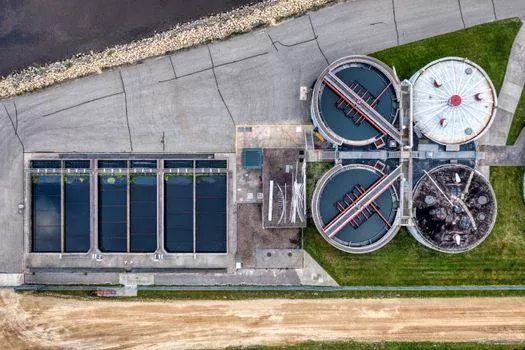
To maintain zero-risk status, hospitals should implement the following engineering controls. For a deeper look at the specific hardware involved, engineers should study how medical wastewater treatment