Food processing wastewater in Romania must meet EU-derived discharge standards under Directive 91/271/EEC, with typical COD levels exceeding 500 mg/L and BOD over 300 mg/L, especially in meat and dairy plants. High-efficiency DAF systems achieve 90–98% TSS and FOG removal, while MBRs deliver <1 μm effluent quality, critical for compliance and reuse.
Romanian Wastewater Regulations for Food Processors
Romanian discharge limits for food industry effluents are strictly regulated by the transposition of EU Directive 91/271/EEC into national law, specifically under HG 188/2002, which defines the standards for NTPA-001 (discharge into water bodies) and NTPA-002 (discharge into municipal sewers). For food processors, the primary compliance thresholds are set at COD ≤ 500 mg/L, BOD ≤ 300 mg/L, and TSS ≤ 350 mg/L for sewer connections, though direct discharge into Romanian rivers requires significantly more stringent levels, often COD < 125 mg/L. These regulations are enforced by the National Administration "Romanian Waters" (Administrația Națională Apele Române), which monitors the impact of industrial discharge on the country's hydrographic basins.
Meat processing plants in regions like Prahova and Suceava frequently exceed these limits due to high organic loads. Monitoring studies conducted between 2020 and 2022 by the Bucharest-based National Research and Development Institute for Industrial Ecology (ECOIND) revealed that untreated effluents from meat and dairy sectors often reach COD levels five to ten times higher than the legal limit. Non-compliance with these standards triggers enforcement protocols from the National Environmental Guard (Garda Națională de Mediu), which can result in heavy administrative fines or mandatory production shutdowns until a viable effluent treatment plant (ETP) is commissioned. Furthermore, Romania’s commitment to the European Green Deal necessitates a reduction in nutrient discharge, specifically Nitrogen (N-total) and Phosphorus (P-total), which are limited to 10-15 mg/L and 1-2 mg/L respectively for plants discharging into sensitive areas.
The regulatory framework also mandates specific pretreatment for industrial sites located in urban zones. While a municipal sewer connection may seem like a simpler route, Romanian water utilities often impose surcharges or "penalties for exceeding concentrations" if the FOG (Fat, Oil, and Grease) content is not reduced below 30–50 mg/L at the point of exit. These penalties are calculated based on the volume of water and the degree of exceedance, often making the installation of an onsite treatment system more cost-effective within 18 to 24 months. Understanding these wastewater treatment solutions and associated costs is the first step for plant managers to ensure long-term operational legality and avoid the reputational damage associated with environmental violations.
Additionally, the Romanian government has introduced stricter reporting requirements through the Integrated Environmental Authorization (Autorizația Integrată de Mediu). Food processors must now provide real-time or frequent periodic data on effluent quality. This shift toward digital transparency means that manual sampling is no longer sufficient for large-scale operations. Automated monitoring systems, integrated with the wastewater treatment plant’s SCADA system, are becoming the standard for ensuring that every cubic meter of water discharged meets the NTPA-001 or NTPA-002 criteria, depending on the final destination of the waste stream.
Core Challenges in Food Industry Wastewater in Romania
Effluent from Romanian meat and dairy processing facilities typically exhibits Chemical Oxygen Demand (COD) concentrations ranging from 2,000 to 6,000 mg/L, necessitating multi-stage treatment to reach discharge-ready levels. High organic loads from chocolate manufacturing, alcohol distillation, and meat processing create a complex chemical profile that standard primary clarifiers cannot manage. Data from ECOIND monitoring (2020–2022) confirms that high-protein and high-sugar waste streams lead to rapid acidification if not treated immediately, which can corrode infrastructure and disrupt biological treatment processes. This acidification is particularly problematic in dairy plants where whey and milk proteins can drop the pH of the effluent to 4.5 within hours.
Fat, oil, and grease (FOG) represent the most significant operational hurdle for Romanian slaughterhouses and dairy plants. When FOG is not properly removed via a high-efficiency DAF system for food processing wastewater, it solidifies in pipelines and creates "fatbergs," leading to hydraulic failures. FOG coats the biomass in secondary biological stages, preventing oxygen transfer and effectively killing the microbial population needed for BOD reduction. In many Romanian facilities, the presence of emulsified fats—those that do not naturally float—requires advanced chemical cracking using specialized coagulants before they can be effectively separated from the water column.
Seasonal production spikes also pose a challenge in the Romanian agri-food sector. During peak harvest or holiday production periods, wastewater volumes can increase by 40–60%, often exceeding the design capacity of older, conventional treatment systems. This variability in both volume and pollutant concentration requires systems with high buffering capacity or advanced automated controls to maintain effluent stability without constant manual intervention. For example, a vegetable canning factory in the Danube plain may experience massive surges in TSS and BOD during the summer months, while remaining relatively dormant in winter. This "shock loading" can wash out the active bacteria in a biological reactor if the system is not designed with an equalization tank (EQ tank) to level out the flow and concentration.
Another often overlooked challenge is the impact of Clean-In-Place (CIP) chemicals. Romanian food processors use aggressive caustic soda and nitric acid solutions to sanitize equipment. When these chemicals are flushed into the wastewater stream, they cause violent pH swings, ranging from 2.0 to 12.0. Without a sophisticated neutralization stage, these fluctuations will neutralize any biological treatment efforts and can damage sensitive membrane systems. Effective management requires a combination of pH adjustment, flow equalization, and primary physical-chemical separation to protect the downstream biological processes and ensure compliance with Romanian environmental standards.
DAF Systems for High-Efficiency Solids and FOG Removal
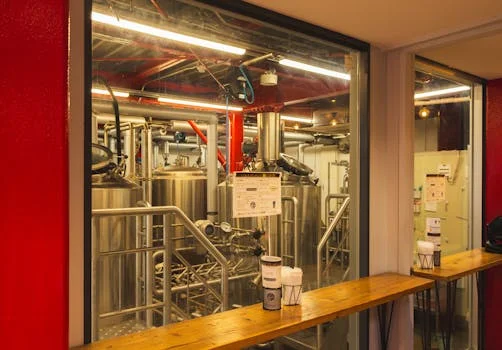
Dissolved Air Flotation (DAF) technology utilizes micro-bubbles between 20 and 50 microns to achieve physical separation of emulsified oils and suspended solids with a removal efficiency of up to 98%. This performance was notably demonstrated in the Pepsico Dragomiresti plant in Romania, where a large-scale treatment system manages 2,550 m³/day, effectively removing high concentrations of solids and organic matter. For smaller to medium-scale Romanian food processors, the DAF systems provide a scalable solution, handling flow rates from 4 to 300 m³/h with a compact footprint. The core of DAF efficiency lies in the saturation system, where air is dissolved into the water under pressure and then released at atmospheric pressure, creating a "whitewater" effect that carries pollutants to the surface.
The efficiency of a DAF unit is significantly enhanced by chemical pretreatment. By integrating an automatic chemical dosing system, plants can apply coagulants like aluminum sulfate (alum) and specialized flocculants. This process aggregates fine particles into larger "flocs" that the micro-bubbles can easily carry to the surface. Field data suggests that proper chemical conditioning boosts DAF removal efficiency by 25–40% in high-turbidity streams typical of meat rendering or dairy washing operations. You can find more details on these metrics in this industrial DAF system performance data report. The following table illustrates typical removal rates for food processing wastewater using DAF technology:
| Parameter | Typical Influent (mg/L) | DAF Removal Efficiency | Post-DAF Effluent (mg/L) |
|---|---|---|---|
| Total Suspended Solids (TSS) | 800 - 3,000 | 90 - 98% | 40 - 150 |
| Fat, Oil, & Grease (FOG) | 200 - 1,500 | 95 - 99% | < 20 |
| Chemical Oxygen Demand (COD) | 2,500 - 7,000 | 40 - 65% | 1,200 - 3,000 |
| Biochemical Oxygen Demand (BOD) | 1,500 - 4,000 | 35 - 55% | 800 - 2,000 |
Operational efficiency in Romanian plants is further improved through automated skimming mechanisms. As the micro-bubbles lift pollutants to the surface, a heavy-duty chain-and-flight scraper removes the thickened sludge into a collection hopper. This process not only clarifies the water but also thickens the sludge to 3–5% solids, reducing the volume of waste that must be hauled away for disposal. Modern DAF units also incorporate lamella plates (inclined plate settlers) within the flotation tank. These plates increase the effective separation area, allowing for a much smaller footprint compared to traditional circular clarifiers. This is a critical advantage for Romanian factories located in congested industrial parks where land is at a premium.
Maintenance of DAF systems in the food industry focuses on the saturation pump and the aeration nozzles. In high-calcium environments, such as dairy processing, scale can build up on the internal components, reducing bubble efficiency. Regular acid cleaning cycles or the use of anti-scalants in the dosing system can mitigate this. Furthermore, the integration of VFDs (Variable Frequency Drives) on the saturation pumps allows Romanian plant operators to adjust the air-to-solids ratio based on real-time flow conditions, leading to energy savings of up to 20% during low-production shifts.
Related Equipment
The following HydropureWater products are engineered for the wastewater challenges discussed above, providing robust solutions for the Romanian market where reliability and compliance are paramount:
- compact MBR system for reuse-quality effluent — view specifications, capacity range, and technical data. This system combines biological treatment with ultrafiltration, ensuring that the effluent is free of pathogens and suspended solids, making it suitable for non-potable reuse in cooling towers or floor washing.
- Sludge Dewatering Press — Essential for reducing the volume of the DAF-generated sludge. By reducing water content, Romanian processors can significantly lower their waste disposal costs at local landfills or composting sites.
- pH Neutralization Skids — Specifically designed to handle the aggressive CIP cycles common in the dairy and beverage sectors, ensuring the effluent pH remains between 6.5 and 8.5 at all times.
Need a customized solution? Request a free quote with your specific flow rate and pollutant parameters. Our engineering team can provide a detailed process flow diagram (PFD) tailored to the specific regulatory requirements of your local Romanian water authority.
Further Reading
Explore these in-depth articles on related wastewater treatment topics to further optimize your facility's environmental performance:
- UV disinfection for food processing effluent — Learn how to eliminate bacteria and viruses without the use of residual chemicals like chlorine.
- Advanced Biological Nutrient Removal (BNR) — A guide to achieving the low Nitrogen and Phosphorus levels required for discharge into the Danube River basin.
- Sludge Management Strategies — How to turn food processing waste into energy through anaerobic digestion or organic fertilizer.