Why Food Processing Wastewater Is a Critical Issue in Bangladesh
Bangladesh generates approximately 5,326 million m³ of wastewater annually, with the food and beverage sector contributing up to 30% of the industrial effluent load in high-density zones such as Gazipur and Narayanganj. This immense volume of untreated or poorly treated liquid waste poses a direct threat to the nation’s hydrological health. In industrial corridors, untreated effluent from rice mills, dairy plants, and poultry processing units frequently exhibits Biochemical Oxygen Demand (BOD) levels ranging from 1,500 to 4,000 mg/L. These figures represent a massive violation of the Environmental Conservation Rules (ECR) established by the Department of Environment (DoE), which mandates a BOD limit of less than 30 mg/L for discharge into inland surface water.
The environmental impact is most visible in the Buriganga and Shitalakshya rivers, where food industry runoff is estimated to contribute to 60% of the total organic pollution load. High organic concentrations lead to rapid dissolved oxygen depletion, resulting in "dead zones" where aquatic life cannot survive. For plant managers, the urgency is not only environmental but also regulatory. As the Bangladesh Environment Conservation Act (BECA) enforcement tightens, facilities operating without functional Effluent Treatment Plants (ETPs) face escalating fines and the risk of permanent closure. Addressing industrial effluent treatment in Bangladesh is now a prerequisite for operational continuity and international export compliance.
The food industry's reliance on groundwater in regions like Mymensingh and Tangail has created a dangerous cycle where untreated surface runoff leaches back into the aquifers used for production. Implementing robust food industry wastewater solutions is the only pathway to decouple industrial growth from environmental degradation while ensuring the long-term viability of the water supply required for food safety and processing.
Common Characteristics of Food Processing Wastewater in Bangladesh
Food processing wastewater in Bangladesh is characterized by high organic strength and significant fluctuations in flow, with typical Chemical Oxygen Demand (COD) ranges falling between 3,000 and 5,000 mg/L. These levels are five to ten times higher than standard municipal sewage, necessitating specialized industrial-grade treatment processes. In dairy and meat processing facilities, Fats, Oils, and Grease (FOG) concentrations often reach 200–800 mg/L, while Total Suspended Solids (TSS) typically range from 1,000 to 2,000 mg/L. (HydropureWater field data, 2025).
The high organic load present in these streams offers a significant opportunity for energy recovery. Food industry effluent is highly biodegradable, supporting biogas recovery via anaerobic digestion with a theoretical methane yield of 0.35 m³ per kg of COD removed. For large-scale processors such as sugar mills or distilleries, this allows for the partial offsetting of factory energy costs through the capture of methane for boiler fuel or electricity generation.
Engineering consultants must also account for extreme seasonal variability in effluent strength and volume. During peak processing months—coinciding with the harvest seasons or religious festivals such as Eid-ul-Adha—effluent strength can double as plants increase throughput. A system designed only for average loads will fail during these peaks, leading to EPCB non-compliance. Effective design requires an understanding of these influent parameters to ensure the selected technology can handle the surge in organic loading without wash-out of the biological biomass.
Note on Influent Variability: In Bangladeshi poultry processing, TSS and FOG levels can spike by 150% during shift-end wash-downs, requiring robust equalization and primary clarification stages to protect downstream biological units.
Proven Wastewater Treatment Technologies for Food Industry Applications
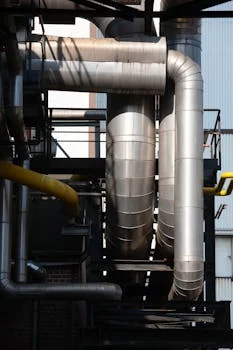
Dissolved Air Flotation (DAF) systems remove 90–95% of FOG and 85–90% of TSS from high-fat effluents, making them the primary choice for dairy, poultry, and edible oil plants in Bangladesh. By introducing micro-bubbles into the wastewater, a high-efficiency DAF system for FOG and TSS removal in food processing forces suspended solids and grease to the surface for mechanical skimming. This pretreatment is critical; without it, high grease loads will coat aerobic bacteria in downstream tanks, leading to system failure and foul odors.
For facilities requiring high-quality discharge for potential reuse or those with limited land availability, Membrane Bioreactor (MBR) technology is the gold standard. MBR systems achieve greater than 95% COD and BOD removal by combining biological treatment with silver-standard membrane filtration. A compact MBR system for high-quality effluent and space-constrained sites typically requires a footprint 60% smaller than conventional activated sludge systems. This is particularly advantageous in industrial zones like Tongi, where land prices are high and expansion space is non-existent.
Anaerobic digestion, specifically using Upflow Anaerobic Sludge Blanket (UASB) reactors, is highly effective for high-COD streams such as those found in the distillery or starch industries. UASB reactors recover 60–70% of organic energy as biogas while significantly reducing the sludge yield compared to aerobic processes. While the initial investment is higher, the long-term OPEX is lower due to reduced aeration energy requirements and the potential for heat recovery.
| Technology | Primary Application | COD Removal | TSS Removal | Key Advantage |
|---|---|---|---|---|
| DAF (Dissolved Air Flotation) | Dairy, Poultry, Edible Oil | 40–60% | 85–95% | Superior FOG removal; protects downstream units |
| MBR (Membrane Bioreactor) | Beverage, Ready-to-Eat | 95–99% | >99% | Small footprint; effluent suitable for reuse |
| UASB (Anaerobic) | Sugar, Starch, Distillery | 75–85% | 50–70% | Biogas recovery; low sludge production |
| Conventional A/O | General Food Processing | 80–90% | 70–85% | Lower CAPEX; simple operation |
Technology Comparison: Performance, Cost & Suitability
The selection of a wastewater system in Bangladesh requires a balance between Capital Expenditure (CAPEX), Operational Expenditure (OPEX), and the ability to meet EPCB compliance consistently. A DAF system typically requires a CAPEX of $30,000 to $120,000 for capacities ranging from 20 to 100 m³/day, depending on the level of automation and material of construction (e.g., SS304 vs. carbon steel). While DAF is essential for FOG-heavy streams, it must be paired with biological treatment to meet the strict 30 mg/L BOD limit for discharge.
MBR systems represent a higher initial investment, with costs ranging from $80 to $150 per m³/day of treatment capacity. However, the MBR plant Bangladesh ROI is often realized through the elimination of tertiary treatment steps like sand and carbon filtration, as the membranes provide a physical barrier to bacteria and suspended solids. MBR systems meet Bangladesh ECR 1997 standards for discharge into sensitive water bodies without the risk of "bulking" common in traditional clarifiers. For a deeper look at global pricing benchmarks, engineers should consult this industrial DAF system cost and efficiency data from global operations.
| Parameter | DAF System | MBR System | UASB Reactor | Conventional A/O |
|---|---|---|---|---|
| Removal Efficiency | Moderate (Phys-Chem) | Very High (Biological) | High (Anaerobic) | Moderate/High |
| Footprint | Small | Very Small | Moderate | Large |
| Energy Use | Low/Moderate | High (Aeration) | Very Low (Net Positive) | Moderate |
| Automation Level | High | Very High | Moderate | Low |
| Maintenance | Mechanical/Chemical | Membrane Cleaning | Skilled Operator Req. | Routine Sludge Mgmt |
| CAPEX ($/m³) | $400 - $1,200 | $800 - $1,500 | $500 - $900 | $300 - $600 |
| OPEX | Moderate (Chemicals) | High (Power/Membranes) | Low (No Aeration) | Moderate |
| Compliance Ready | Pretreatment Only | Direct Discharge | Requires Post-Aeration | Requires Filtration |
For plant managers prioritizing modularity and rapid deployment, containerized solutions are becoming increasingly popular. These systems offer a predictable ROI by reducing on-site civil works and installation time. Technical specifications for these modular units can be found in this comprehensive buyer's guide for modular treatment systems, which outlines the performance expectations for integrated plants in similar emerging industrial markets.
Compliance with Bangladesh Environmental Regulations
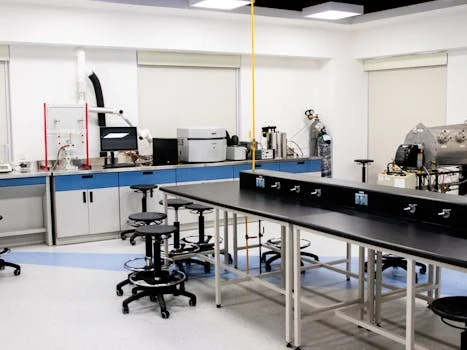
Bangladesh's Environment Conservation Rules (ECR), 1997, mandate strict discharge limits for industrial effluent, with standard limits for food processing plants set at BOD ≤ 30 mg/L, COD ≤ 100 mg/L, and TSS ≤ 50 mg/L for surface water discharge. These standards apply to all "Orange-B" and "Red" category industries, which encompass most food and beverage processing operations. pH must be maintained between 6.0 and 9.0, which often requires an automated neutralization step in the ETP to handle acidic cleaning chemicals or alkaline processing streams.
Non-compliance with these mandates is no longer a minor administrative hurdle. The Department of Environment (DoE) has the authority to impose fines of up to BDT 500,000 (~$4,200) per violation and can order the immediate disconnection of utility services (electricity and water) for repeat offenders. A valid Environmental Clearance Certificate (ECC) is required for both the establishment and operation of the facility. This certificate must be renewed annually, contingent upon the submission of effluent test reports from DoE-certified laboratories.
To ensure compliance, food processing plants must implement a "Zero Liquid Discharge" (ZLD) or high-efficiency treatment strategy. This involves not only the installation of the ETP but also the continuous monitoring of discharge parameters. Modern MBR and DAF systems now incorporate PLC-based monitoring that can log real-time data, providing plant managers with the documentation necessary for annual compliance reporting and protecting the facility against arbitrary fines during surprise inspections.
Frequently Asked Questions
What is the process of wastewater treatment in the food industry?
The process typically involves four stages: 1) Physical screening to remove large solids, 2) Primary treatment (like DAF) to remove FOG and TSS, 3) Biological treatment (MBR or A/O) to reduce COD and BOD, and 4) Tertiary disinfection or filtration if water is intended for reuse.
Which treatment system is best for high-fat food wastewater in Bangladesh?
A Dissolved Air Flotation (DAF)