Why Colombia Needs Compact Wastewater Solutions
Colombia's burgeoning industrial sector and rapid urbanization are placing unprecedented demands on its water infrastructure. Regulatory frameworks, such as Resolution 0330 of 2020, mandate stringent effluent discharge standards, requiring industrial facilities to achieve BOD levels below 100 mg/L, TSS below 100 mg/L, and maintain a pH between 6 and 9. This regulatory pressure, coupled with aging municipal systems in major cities like Bogotá and Medellín, creates a critical need for efficient and rapidly deployable wastewater treatment solutions. Industries prevalent in regions like Antioquia and Cundinamarca, including food processing, pulp and paper, and textiles, are characterized by high-organic wastewater streams that necessitate advanced treatment technologies. Compact, pre-engineered package wastewater treatment plants offer a strategic advantage by providing modular, scalable, and cost-effective solutions that can be implemented quickly to meet these growing challenges and ensure environmental compliance. For a deeper dive into industrial wastewater treatment in similar markets, refer to the industrial wastewater treatment in Lagos case study.
How Package Wastewater Treatment Plants Work
Package wastewater treatment plants are self-contained, pre-fabricated units designed to treat sewage or industrial effluent at the source. They integrate various treatment processes into a single, compact system, minimizing civil works and installation time. A common configuration is the WSZ series, which employs an anoxic/aerobic (A/O) biological contact oxidation process followed by sedimentation and disinfection within a single, often buried, unit. This design is particularly suitable for sites requiring low sludge production and quiet operation. For applications demanding higher effluent quality, such as water reuse, Membrane Bioreactor (MBR) systems are employed. These systems combine activated sludge treatment with advanced PVDF membrane filtration, achieving a pore size of 0.1 μm, resulting in effluent with turbidity below 1 NTU and BOD below 10 mg/L. For industrial effluents with high concentrations of fats, oils, and grease (FOG) and suspended solids, Dissolved Air Flotation (DAF) systems are crucial. DAF units utilize micro-bubbles to lift and separate up to 90–95% of these contaminants, making them indispensable for food and beverage industries. The WSZ series offers a fully automated underground package wastewater treatment plant solution, while MBR systems provide high-efficiency treatment for reuse-quality effluent.
| Process Type | Key Components | Primary Function | Typical Application |
|---|---|---|---|
| A/O (Anoxic/Aerobic) | Anoxic tanks, aerobic tanks, sedimentation tank, disinfection | BOD/COD reduction, nitrification/denitrification | Domestic sewage, moderate industrial effluent |
| MBR (Membrane Bioreactor) | Aeration tank, membrane modules (PVDF), sludge recirculation | High-level BOD/COD removal, suspended solids removal, pathogen reduction | High-strength industrial wastewater, water reuse, space-constrained sites |
| DAF (Dissolved Air Flotation) | Air saturation tank, flotation tank, sludge removal mechanism | FOG removal, suspended solids removal, color removal | Food & beverage, dairy, meat processing, pulp & paper |
Top Technologies Compared for Colombian Applications
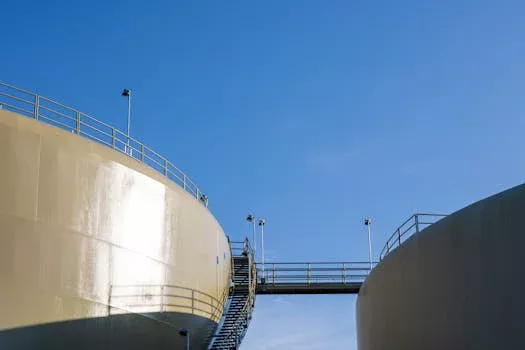
Selecting the right package wastewater treatment technology is critical for achieving compliance and optimizing operational costs in Colombia. Anoxic/Aerobic (A/O) systems, exemplified by the WSZ series, offer robust BOD and COD removal, typically achieving 85–92% reduction. These systems are known for their compact footprint, occupying up to 60% less space than conventional plants, and are suitable for flow rates ranging from 1 to 80 m³/h. While cost-effective, their BOD removal efficiency is generally lower than MBR. Membrane Bioreactor (MBR) systems, on the other hand, excel in delivering high-quality effluent with BOD removal rates of 95–98%. They boast an even smaller footprint compared to A/O systems but come with approximately 20% higher energy consumption due to the aeration required for membrane scouring and sludge circulation. Dissolved Air Flotation (DAF) systems are specialized for removing FOG and suspended solids, achieving 90–97% efficiency, which is vital for industries like meat processing and dairy. Their primary role is often pre-treatment or polishing, especially for high-fat effluents. While Sequencing Batch Reactor (SBR) systems also offer biological treatment capabilities, A/O and MBR are more commonly found in compact, pre-engineered package configurations for diverse Colombian industrial needs. The dissolved air flotation (DAF) machine is key for pre-treatment, while the MBR integrated wastewater treatment system is ideal for advanced polishing.
| Technology | Typical BOD/COD Removal (%) | Footprint Reduction vs. Conventional (%) | Energy Consumption (kWh/m³) | Primary Advantage | Key Limitation |
|---|---|---|---|---|---|
| A/O (WSZ Series) | 85–92% | 60% | 0.8–1.2 | Cost-effective, low sludge | Lower effluent quality than MBR |
| MBR | 95–98% | 60% (potentially more) | 1.3–1.8 | Superior effluent quality, small footprint | Higher energy use, membrane maintenance |
| DAF | 90–97% (TSS & FOG) | Varies (often part of a system) | 0.5–1.0 | Effective FOG and TSS removal | Primarily for specific pollutants, not overall BOD/COD |
Key Suppliers in Colombia: Performance and Pricing
Navigating the supplier landscape for package wastewater treatment plants in Colombia requires a balanced assessment of local presence, technical capabilities, compliance certifications, and total cost of ownership. Local providers like EcoFlow Solutions Colombia offer the advantage of localized service and support, which can be invaluable for immediate operational needs. However, their capacity options might be limited, with some providers capping at around 50 m³/day for standard packages. International manufacturers, such as HydropureWater, often bring extensive experience in delivering fully automated, CE-certified systems that meet global standards. These suppliers typically offer longer warranty periods, such as 2-year warranties, and advanced features like remote monitoring capabilities, which are crucial for managing assets in diverse geographical locations across Colombia. When evaluating pricing, expect the average installed cost for MBR systems to range from $1,800 to $3,200 per m³/day, reflecting their advanced technology and higher performance. A/O systems are generally more budget-friendly, with costs ranging from $1,200 to $2,000 per m³/day, depending significantly on the level of customization required for specific industrial effluents. While local suppliers might offer competitive initial pricing, a comprehensive evaluation should consider long-term operational expenses, spare parts availability, and the robustness of the treatment process to ensure sustained compliance. An international case study on compact plant deployment in emerging markets provides further context on supplier considerations.
| Supplier Type | Typical Capacity Range (m³/day) | Warranty Period | Automation Level | Estimated Installed Cost ($/m³/day) | Key Consideration |
|---|---|---|---|---|---|
| Local Colombian Providers | 1–50 | 1 year | Moderate | $1,000–$1,800 (A/O) | Local support, potentially limited customization |
| International Manufacturers (e.g., HydropureWater) | 1–200+ | 2 years | High (remote monitoring) | $1,200–$2,000 (A/O), $1,800–$3,200 (MBR) | Global standards, advanced features, robust technology |
Calculating ROI and Operational Costs
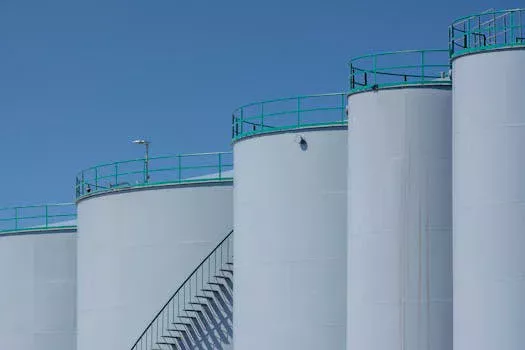
The financial viability of a package wastewater treatment plant hinges on a thorough understanding of its return on investment (ROI) and operational costs. Fully automated systems significantly reduce labor requirements, often by up to 70% compared to conventional plants, as they require minimal operator intervention. This translates into substantial savings on personnel, making them ideal for remote locations or facilities seeking to optimize staffing. Energy consumption is a key operational metric: A/O systems typically consume between 0.8–1.2 kWh/m³, while MBR systems, with their need for air scouring and recirculation, range from 1.3–1.8 kWh/m³. Despite higher energy use, MBR systems often achieve their ROI within 2.5 to 4 years. This payback period is driven by multiple factors, including the avoidance of significant fines for non-compliance with Resolution 0330 of 2020, reduced costs associated with sludge disposal (which can be up to 50% lower for biological systems compared to chemical precipitation), and the potential for water reuse, which can offset freshwater procurement costs. Implementing an effective industrial maintenance protocol further ensures long-term operational efficiency and cost predictability.
| Cost Component | A/O System (Typical) | MBR System (Typical) | Notes |
|---|---|---|---|
| Initial Capital Cost ($/m³/day) | $1,200–$2,000 | $1,800–$3,200 | Excludes civil works, varies with customization |
| Energy Consumption (kWh/m³) | 0.8–1.2 | 1.3–1.8 | Influenced by aeration, pumping, and system load |
| Labor Costs (Savings vs. Conventional) | ~70% | ~70% | Requires minimal operator oversight |
| Sludge Disposal Costs (Savings vs. Conventional) | ~30–50% | ~30–50% | Biological sludge is often less voluminous and easier to dewater |
| ROI Period (Years) | 2–3.5 | 2.5–4 | Dependent on compliance fines avoided, water reuse value |
Frequently Asked Questions
What is a package wastewater treatment plant?
A package wastewater treatment plant is a factory-assembled, modular system designed for decentralized sewage or industrial effluent treatment. These systems are engineered for rapid installation, minimal site preparation, and often integrate all necessary treatment processes into a single, compact unit.
How long does installation take in Colombia?
Typically, the installation timeline for a package wastewater treatment plant in Colombia ranges from 8 to 12 weeks. This period includes site preparation, civil works, equipment installation, electrical hookup, and commissioning.
Can these systems handle high-strength industrial wastewater?
Yes, package wastewater treatment plants can be customized to handle high-strength industrial wastewater. Technologies like DAF pre-treatment are effective for oil and grease, while MBR systems are well-suited for high-BOD effluents, achieving excellent removal rates.
Are spare parts available locally?
For international suppliers, critical spare parts are often stocked in major Colombian cities like Bogotá, or logistics partners ensure 48-hour delivery across the country. Local suppliers generally have readily available spare parts for their offered systems.
Do they meet Colombian environmental standards?
Yes, when properly sized and selected for the specific wastewater characteristics, package wastewater treatment plants can achieve full compliance with Colombian environmental standards, including Resolution 0330/2020, for parameters such as BOD, TSS, and fecal coliforms.
Related Equipment
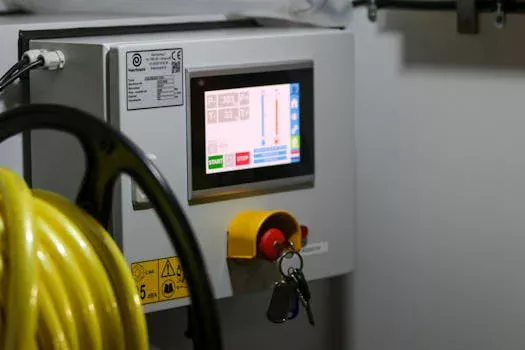
The following HydropureWater products are engineered for the wastewater challenges discussed above:
- fully automated underground package wastewater treatment plant — view specifications, capacity range, and technical data
Need a customized solution? Request a free quote with your specific flow rate and pollutant parameters.