Industrial wastewater treatment in Lagos requires compliant, scalable solutions due to escalating LASEPA enforcement. Systems like Dissolved Air Flotation (DAF) achieve over 90% Total Suspended Solids (TSS) removal, while Membrane Bioreactors (MBR) deliver 99% Biological Oxygen Demand (BOD) reduction, treating flow rates from 4 to 200 m³/h with CAPEX starting at $25,000. While new mini Effluent Treatment Plants (ETPs) now support pre-discharge testing, private industrial facilities remain responsible for meeting stringent FEPA discharge standards.
Why Industrial Wastewater Treatment Is Critical in Lagos
Lagos's existing wastewater infrastructure cannot keep pace with industrial demand, leading to significant untreated discharge. While the state's central wastewater treatment plant at Alausa has a capacity to treat 25 million litres of wastewater daily (per Lagos State Ministry of the Environment and Water Resources), this capacity is often overwhelmed by the sheer volume of municipal and industrial effluent generated across the metropolitan area. Industrial demand for compliant discharge options far exceeds the state's centralized treatment capabilities, forcing businesses to consider robust on-site effluent treatment solutions.
LASEPA (Lagos State Environmental Protection Agency) now actively enforces pre-discharge testing and compliance, with non-compliant industries facing substantial fines, operational restrictions, or even shutdowns. This heightened regulatory scrutiny makes investment in effective industrial wastewater treatment in Lagos not merely an environmental responsibility, but a critical business imperative to avoid costly penalties and reputational damage. Untreated industrial effluent, rich in pollutants like heavy metals, organic compounds, and suspended solids, contaminates vital groundwater sources and pollutes the sensitive coastal zones surrounding Lagos, directly violating federal environmental standards set by FEPA (Federal Environmental Protection Agency) and public health guidelines from the WHO (World Health Organization).
Proactive industrial effluent treatment Lagos safeguards public health, protects ecosystems, and ensures long-term operational sustainability for businesses in a rapidly developing urban environment. The urgency stems from both the direct environmental impact and the increasing regulatory pressure to adhere to national and international standards for water quality.
Key Technologies for Industrial Wastewater in Lagos
Selecting the correct industrial wastewater treatment technology directly impacts effluent quality, operational cost, and regulatory compliance in Lagos. Each technology is best suited for specific contaminant profiles and industry types, offering varying levels of treatment efficiency.
- Dissolved Air Flotation (DAF) Systems: These systems excel at removing fats, oils, grease (FOG), and suspended solids (TSS) from industrial wastewater. DAF units typically achieve 90–95% removal efficiency for FOG and TSS by introducing fine air bubbles that attach to pollutants, floating them to the surface for skimming. This makes DAF an ideal choice for industries such as food processing (e.g., abattoirs, dairies, beverage production), textile mills, pulp and paper, and petrochemical plants where high concentrations of these contaminants are prevalent. A high-efficiency DAF system for FOG and suspended solids removal can be a primary treatment step.
- Membrane Bioreactor (MBR) Systems: MBR technology combines biological treatment with membrane filtration, offering superior effluent quality. These systems achieve ultra-filtration with a pore size of less than 1 μm, resulting in virtually complete removal of suspended solids and significantly higher BOD reduction, often reaching 98–99%. MBR plants are particularly suitable for industries requiring high-quality treated water, potentially for reuse, such as pharmaceuticals, electronics manufacturing, breweries, and complex chemical facilities. A compact MBR system for high-quality effluent and reuse provides advanced treatment in a smaller footprint.
- Chemical Dosing Systems: For industrial effluent streams containing heavy metals, phosphorus, or specific organic compounds that are difficult to remove biologically, chemical dosing is a critical component. Coagulants like alum (aluminum sulfate) or ferric chloride are commonly used to destabilize colloidal particles and facilitate their aggregation into larger flocs, which can then be removed by sedimentation or filtration. These systems are essential for metalworking industries, electroplating facilities, mining operations, and certain chemical manufacturing processes where heavy metal removal is paramount.
The table below provides a comparative overview of these key technologies:
| Technology | Suitable Industries | Key Contaminants Removed | Typical Removal Efficiency |
|---|---|---|---|
| DAF System | Food processing, Textile, Petrochemical, Pulp & Paper | Fats, Oils, Grease (FOG), Total Suspended Solids (TSS) | 90-95% (FOG, TSS) |
| MBR System | Pharmaceuticals, Electronics, Breweries, Chemical, General industrial | BOD, COD, TSS, Pathogens, Nutrients | 98-99% (BOD), >99% (TSS, Pathogens) |
| Chemical Dosing | Metalworking, Electroplating, Mining, Specific chemical processes | Heavy Metals, Phosphorus, Specific organic compounds | Varies (up to 95%+ for specific metals) |
Performance and Capacity: Matching Systems to Your Needs
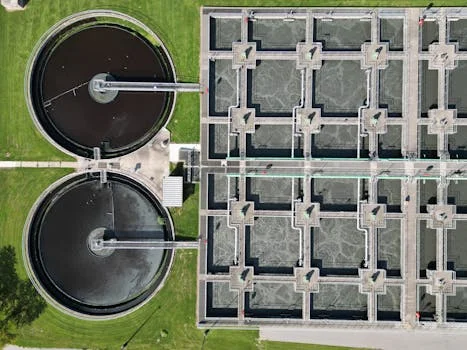
System performance and capacity directly dictate a plant's ability to consistently meet discharge limits and manage operational demands. Understanding the flow rates, removal efficiencies, and spatial requirements of different technologies is crucial for effective project planning in Lagos.
- DAF System Capacity: HydropureWater's range of DAF systems are designed to handle a wide range of industrial flow rates, from 4 m³/h for smaller operations up to 300 m³/h for larger facilities. With 13 standard models available, these units utilize finely dispersed air bubbles, typically 0.5–2 mm in size, for optimal contaminant flotation and separation. This precise bubble size ensures efficient removal of FOG and suspended solids, making them a scalable solution for various industrial applications.
- MBR System Performance and Footprint: MBR systems offer advanced biological and physical treatment, processing flow rates from 10 m³/day up to 2,000 m³/day. A significant advantage of MBR technology is its compact footprint, which can be up to 60% smaller than conventional activated sludge plants achieving similar effluent quality (HydropureWater field data, 2025). This reduced space requirement is particularly beneficial for industries in densely populated areas of Lagos where land availability is a premium. The MBR membrane bioreactor module (DF series) integrates seamlessly into existing or new plants.
- Underground Integrated Systems: For factories and industrial sites in Lagos facing severe space constraints, integrated underground sewage treatment plants, such as the WSZ series, provide a practical solution. These systems are designed to treat flow rates from 1 m³/h to 80 m³/h and can be installed entirely below ground, minimizing surface disruption and freeing up valuable operational space. An underground WSZ series offers a discreet yet effective on-site effluent treatment option.
The following table summarizes the performance and capacity parameters for key HydropureWater systems:
| System Type | Typical Flow Rate Range | Key Performance Metric | Footprint Advantage |
|---|---|---|---|
| DAF | 4 - 300 m³/h | 90-95% TSS & FOG removal | Modular, adaptable |
| MBR (Integrated Plants) | 10 - 2,000 m³/day | 98-99% BOD reduction, <1 μm filtration | Up to 60% smaller than conventional |
| Underground (WSZ Series) | 1 - 80 m³/h | High-quality effluent for space-constrained sites | Fully subterranean installation |
Compliance Standards and Discharge Limits in Nigeria
Nigerian industrial facilities must adhere to specific federal and state effluent discharge limits to avoid penalties and environmental damage. The primary regulatory bodies include the Federal Environmental Protection Agency (FEPA) at the national level and the Lagos State Environmental Protection Agency (LASEPA) at the state level.
FEPA's National Effluent Limitation Regulations set the benchmark for industrial discharge into the environment. Key parameters and their maximum permissible limits for industrial wastewater include:
- Biochemical Oxygen Demand (BOD): Not to exceed 50 mg/L
- Total Suspended Solids (TSS): Not to exceed 100 mg/L
- pH: Must be within the range of 6–9
- Oil and Grease: Not to exceed 10 mg/L
- Chemical Oxygen Demand (COD): Not to exceed 250 mg/L
LASEPA, responsible for enforcing environmental laws within Lagos State, mandates regular effluent testing before industrial wastewater can be released into public sewers or natural water bodies. The recent commissioning of mini ETPs by the Lagos State Government now supports industries by providing facilities for laboratory analysis of effluent samples (per Lagos State Ministry of the Environment and Water Resources). However, this testing facility does not absolve industries of their responsibility to meet the discharge standards; it merely aids in monitoring compliance.
Beyond national and state regulations, World Health Organization (WHO) guidelines often inform local standards, particularly concerning groundwater protection. For instance, WHO guidelines recommend nitrate levels in drinking water not exceeding 50 mg/L, which indirectly influences industrial discharge limits, especially for industries that might contribute nitrogenous compounds. Strict limits on heavy metals (e.g., lead, cadmium, mercury) are also enforced, aligning with global best practices to prevent long-term environmental contamination and public health risks. Industrial wastewater regulations Lagos are becoming increasingly stringent, necessitating robust on-site effluent treatment systems.
Cost of Industrial Wastewater Treatment in Lagos
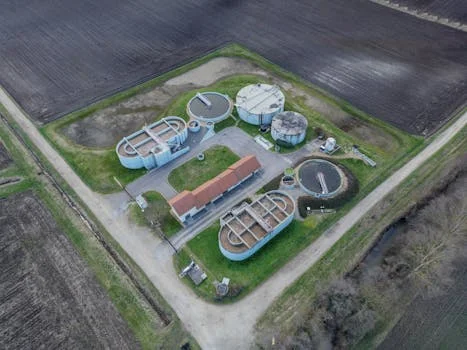
The total cost of industrial wastewater treatment in Lagos comprises significant capital expenditure (CAPEX) and ongoing operational expenditure (OPEX) that vary by technology and capacity. Understanding these costs is essential for plant managers and EHS officers to accurately budget and calculate return on investment (ROI).
- DAF Systems: The capital expenditure for a DAF system typically ranges from $25,000 for smaller units treating 4 m³/h to approximately $180,000 for larger, more automated systems handling up to 300 m³/h. These costs include the DAF unit itself, associated pumps, compressors, and control panels. Operational costs (OPEX) for DAF systems are primarily driven by power consumption for pumps and blowers, chemical usage (coagulants/flocculants), and sludge disposal fees. Chemical costs can vary significantly based on influent quality and desired effluent standards, generally accounting for 10-20% of total OPEX.
- MBR Plants: MBR systems represent a higher initial investment due to their advanced membrane technology. CAPEX for MBR plants can range from $80,000 for a compact 10 m³/day system to over $1.2 million for large-scale facilities treating 2,000 m³/day. This cost includes the bioreactor, membrane modules, aeration system, and sophisticated control systems. OPEX for MBRs includes membrane cleaning chemicals, energy for aeration and permeate pumping, and periodic membrane replacement (typically every 5-7 years). While the capital cost is higher, the superior effluent quality and potential for water reuse can offer significant long-term savings and environmental benefits. For a detailed cost breakdown, refer to a data-driven comparison of MBR vs conventional systems.
- Chemical Dosing Skids: Standalone automatic chemical dosing systems, including PLC control, metering pumps, and storage tanks, typically have a CAPEX between $15,000 and $50,000. The primary operational cost for these systems is the continuous purchase of chemicals (e.g., alum, ferric chloride, pH adjusters). Chemical consumption is directly proportional to the volume and contaminant load of the wastewater, making it a variable but essential OPEX component. Integrating these systems can enhance the efficiency of primary and secondary treatment stages, though their cost should be evaluated in conjunction with the overall treatment train. For further insights into membrane system costs, explore a B2B comparison of RO and membrane alternatives.
It is important for businesses evaluating industrial wastewater treatment in Lagos to consider not only the initial purchase price but also the long-term operational expenses, maintenance requirements, and the potential for fines from non-compliance, which can significantly outweigh initial savings on cheaper, less effective systems. The overall wastewater treatment cost Nigeria needs to factor in energy, consumables, labor, and sludge handling.
Frequently Asked Questions
Common questions about industrial wastewater treatment in Lagos often center on cost, process definition, key facilities, and regulatory oversight.
How much does it cost to treat industrial wastewater in Lagos?
CAPEX for industrial wastewater treatment in Lagos can range from $25,000 for basic DAF systems to over $1.2 million for comprehensive MBR plants, depending on capacity and technology.
What is industrial wastewater treatment?
Industrial wastewater treatment is the process of removing contaminants such as oils, solids, organic matter, and chemicals from industrial effluent before it is discharged or reused, ensuring compliance with environmental regulations.
Where is the largest wastewater treatment plant in Lagos?
The largest wastewater treatment plant in Lagos is located in Alausa, with a capacity to treat 25 million litres of wastewater daily.
How is waste managed in Lagos?
Waste in Lagos is managed through regulatory oversight by LASEPA, the operation of state-owned treatment facilities, support from new mini ETPs for testing, and the increasing implementation of private on-site industrial effluent treatment systems.
Which technology is best for high-FOG industrial effluent?
DAF (Dissolved Air Flotation) systems are highly effective for high-FOG (Fats, Oils, and Grease) industrial effluent, achieving over 90% removal for these specific contaminants.
Related Equipment
The following HydropureWater products are engineered for the wastewater challenges discussed above:
- high-efficiency DAF system for FOG and suspended solids removal — view specifications, capacity range, and technical data
- compact MBR system for high-quality effluent and reuse — view specifications, capacity range, and technical data
Need a customized solution? Request a free quote with your specific flow rate and pollutant parameters.