Food processing wastewater in Iraq requires high-efficiency treatment due to high BOD (500–2,500 mg/L), FOG, and TSS. Dissolved Air Flotation (DAF) systems achieve 90–98% FOG/TSS removal, while MBR delivers <1 μm effluent for reuse. With 70% of Iraq’s treatment plants underperforming, modular, automated solutions like HydropureWater’s DAF and MBR systems offer 95%+ compliance and 60% smaller footprint.
Iraq’s Food Processing Wastewater Challenge
Iraq discharges millions of cubic meters of untreated wastewater daily into the Tigris and Euphrates river systems, severely degrading these vital freshwater sources. This widespread contamination, exacerbated by poorly maintained and overloaded treatment infrastructure, poses a direct threat to public health and the environment. Food processing plants significantly contribute to this challenge by producing high-strength organic effluent, typically characterized by Biological Oxygen Demand (BOD) ranging from 500–2,500 mg/L, Chemical Oxygen Demand (COD) up to 4,000 mg/L, and Fats, Oils, and Grease (FOG) at concentrations of 100–500 mg/L. Untreated discharge from these facilities directly contaminates freshwater sources essential for irrigation and drinking, substantially increasing the risk of waterborne diseases across the population. A recent $100 million food processing plant in Erbil, which incorporates an integrated wastewater treatment facility, sets a new benchmark for industrial environmental responsibility in the region.
Key Characteristics of Food Processing Wastewater
Food processing wastewater characteristics largely depend on the specific sub-sector and operational processes within the facility. For instance, dairy processing generates effluent high in BOD and lactose, while meat processing plants produce wastewater rich in blood, fats, and suspended solids. Vegetable processing often results in effluent with high suspended solids and organic acids. For medium to large food processing facilities in Iraq, typical flow rates range from 10–200 m³/h, necessitating robust systems capable of handling significant volumes. The pH of this wastewater can fluctuate widely, from 4.5 during fermentation processes to 9.0 during alkaline cleaning cycles, requiring pH neutralization as a critical pre-treatment step. Total Suspended Solids (TSS) levels commonly average between 300–800 mg/L, and FOG concentrations are typically 100–500 mg/L. A BOD/COD ratio greater than 0.5 is a strong indicator of high biodegradability, which influences the selection of biological treatment methods.
| Parameter | Typical Range (Food Processing Effluent) | Significance for Treatment |
|---|---|---|
| BOD | 500–2,500 mg/L | High organic load, requires biological treatment. |
| COD | 1,000–4,000 mg/L | Indicator of total organic content, higher than BOD. |
| FOG | 100–500 mg/L | Causes clogging, requires physical/chemical pre-treatment. |
| TSS | 300–800 mg/L | Requires physical separation (screening, DAF, sedimentation). |
| pH | 4.5–9.0 | Requires neutralization for biological activity and discharge. |
| Flow Rate | 10–200 m³/h | System sizing and capacity requirements. |
Proven Treatment Technologies for Iraqi Conditions
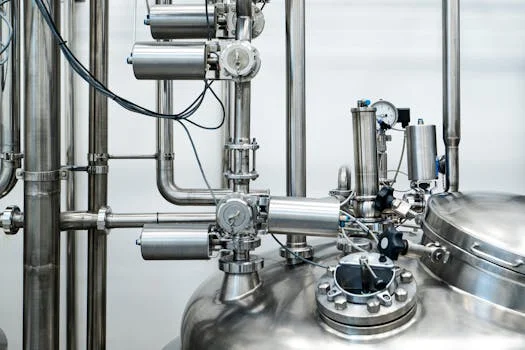
Dissolved Air Flotation (DAF) systems are highly effective for removing 90–98% of Fats, Oils, Grease (FOG) and Total Suspended Solids (TSS) from food processing wastewater, making them an ideal pre-treatment stage. These systems utilize micro-bubble flotation to separate pollutants, which float to the surface for easy removal, significantly reducing the load on downstream biological processes. For facilities requiring high-quality effluent, perhaps for reuse, compact MBR (Membrane Bioreactor) systems combine biological treatment with advanced membrane filtration, consistently producing reuse-quality effluent with suspended solids below <1 μm and BOD levels less than 10 mg/L. In contexts with limited operational expertise or remote locations, fully automated package plants, such as the WSZ series, offer a critical advantage. These systems are often buried, require minimal operator intervention, and are designed for unattended operation, directly addressing potential skill shortages in certain Iraqi regions. Chemical dosing, involving coagulants, flocculants, and pH adjusters, is crucial for enhancing the efficiency of DAF and sedimentation processes, particularly when influent conditions are highly variable, as is common in food processing operations. For similar applications, see DAF system performance in Angola.
| Technology | Primary Function | Key Benefit for Iraqi Conditions | Typical Removal Rate |
|---|---|---|---|
| DAF System | Pre-treatment for FOG/TSS | High efficiency for common food pollutants | 90–98% FOG/TSS |
| MBR System | Biological treatment + Filtration | Produces reuse-quality effluent, small footprint | >95% BOD/COD, <1 μm TSS |
| Package Plant | Integrated biological treatment | Automated, minimal operator requirement, rapid deployment | 80–90% BOD |
| Chemical Dosing | Enhances separation/pH control | Stabilizes treatment in variable influent conditions | Improves DAF/sedimentation by 20-30% |
Comparison of Treatment Systems: Performance & Cost
DAF systems offer robust performance with 90–98% removal of TSS and FOG, handling capacities from 4–300 m³/h, making them a versatile choice for pre-treatment in food processing. Their moderate Capital Expenditure (CAPEX) and low Operational Expenditure (OPEX) when integrated with automation make them financially attractive. In contrast, MBR systems deliver superior effluent quality, achieving over 95% BOD/COD removal, with the treated water often suitable for reuse in non-potable applications like cleaning or irrigation. While MBR systems typically have a higher CAPEX, their compact design requires up to 60% less footprint than conventional activated sludge systems, and their lower long-term OPEX due to reduced sludge production and high automation often justifies the initial investment. Package plants are designed for rapid deployment and ease of operation, providing 80–90% BOD removal, full automation, and installation within 4–6 weeks, which is ideal for remote sites or projects with tight timelines. Additionally, incorporating lamella clarifiers into the treatment train can further optimize performance by reducing chemical use by up to 30% and efficiently handling high loading rates of 20–40 m/h for suspended solids removal. Automated chemical dosing systems, such as HydropureWater's automatic chemical dosing system, ensure precise and efficient chemical application, optimizing treatment outcomes.
| Technology | Key Performance Metrics | Footprint | Automation Level | Estimated CAPEX (USD)* | Estimated OPEX (USD/m³)* |
|---|---|---|---|---|---|
| DAF System (Pre-treatment) | 90–98% FOG/TSS removal | Moderate | High (with automation) | $30,000–$150,000 | $0.05–$0.15 |
| MBR System (Full Treatment) | >95% BOD/COD removal, reuse quality effluent | Small (60% less than conventional) | Very High | $100,000–$500,000 | $0.15–$0.40 |
| Package Plant (Full Treatment) | 80–90% BOD removal | Compact, often buried | High | $80,000–$300,000 | $0.10–$0.25 |
| *Ranges are approximate and vary based on capacity, influent characteristics, and specific features. | |||||
Compliance, Maintenance, and ROI in Iraq
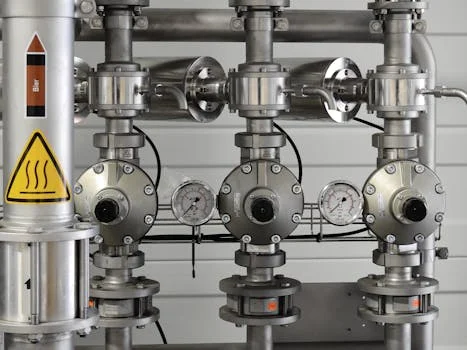
Iraq currently lacks unified national discharge standards for industrial wastewater, prompting many export-oriented food processing plants to adhere to more stringent international benchmarks, such as the Gulf Cooperation Council (GCC) limits (e.g., BOD <30 mg/L, TSS <30 mg/L) to ensure market access. Automated wastewater treatment systems are critical in the Iraqi context, as they significantly reduce dependency on skilled labor and minimize downtime, addressing known maintenance gaps and operational challenges in the region. Investing in high-efficiency systems like DAF and MBR can yield a substantial Return on Investment (ROI) within 5–7 years for food plants processing over 50 m³/day of wastewater. This ROI is driven by several factors: avoiding potential fines for non-compliance, reducing fresh water consumption through treated water reuse, and enhancing a company's environmental reputation. HydropureWater’s systems further support this by incorporating remote monitoring and PLC control, enabling real-time performance tracking and proactive maintenance, which is essential for sustained compliance and operational reliability. For detailed maintenance protocols, consult our DAF system maintenance guide and MBR system maintenance guide.
Frequently Asked Questions
What is the best system for high-fat food wastewater in Iraq?
For high-fat food wastewater, a DAF system with optimized coagulation and flocculation consistently achieves 95%+ FOG removal, making it highly effective as a primary treatment stage.
How much does a 50 m³/day food wastewater plant cost?
A 50 m³/day food wastewater treatment plant can cost between $80,000 and $150,000, depending on the chosen technology (e.g., DAF for pre-treatment, MBR for full treatment) and the level of automation required.
Can treated water be reused in food plants?
Yes, advanced systems like MBR and Reverse Osmosis (RO) systems can produce high-quality treated water suitable for non-potable reuse applications in food plants, such as cleaning, irrigation, or cooling towers. For advanced disinfection, consider UV disinfection options.
Are spare parts available in Iraq?
HydropureWater offers modular, skid-mounted systems designed for easy maintenance. We provide comprehensive global spare part support, ensuring accessibility and minimizing downtime for our installations in Iraq.
How long does installation take?
Modular systems like