
Why Maintenance Determines Sludge Dewatering ROI
Unplanned downtime in an industrial wastewater treatment facility costs an estimated $2,500–$10,000 per hour in lost production, emergency labor, and disposal fees. Beyond immediate costs, poor maintenance directly degrades performance: cake solids can plummet from a target of 25% to less than 15%, increasing sludge disposal costs by 30–50%. Conversely, a data-driven sludge dewatering system maintenance guide is a direct profitability lever. Field data from industrial installations shows that rigorous, preventative upkeep can reduce unplanned downtime by 45% and extend the service life of critical equipment like a plate and frame filter press by 40% compared to reactive maintenance strategies. This significant cost avoidance is achieved by mitigating the three largest expense categories: emergency parts shipments at premium rates, overtime labor for repairs, and the expensive disposal of poorly dewatered sludge, which can cost upwards of $100 per wet ton.
Daily Maintenance Checklist for Operators
Daily visual and operational checks by shift operators are the first line of defense against performance degradation and catastrophic failure. These five-minute inspections catch issues early, ensuring consistent sludge dewatering performance monitoring and preventing small problems from escalating. Establishing a consistent routine at the start of each shift is critical for creating a reliable data baseline and fostering operator ownership of equipment health.
- Inspect Hydraulic Pressure Gauges: Verify pressure remains within the normal operating range of 10–14 MPa for most industrial plate and frame presses. A reading outside this range indicates a potential pump or relief valve issue. Listen for unusual noises from the pump, which can be an early indicator of cavitation or bearing failure.
- Check Filtrate Clarity: Use a portable turbidimeter to sample the filtrate. Turbidity readings consistently exceeding 50 NTU indicate filter cloth wear, tearing, or clogging. Consistently high turbidity can also lead to recycle load issues, straining upstream processes.
- Verify Sludge Feed Pump Operation: Monitor the pump flow rate and amperage draw; a deviation greater than 10% from the established baseline suggests an impeller clog, mechanical seal wear, or potential vane wear. A drop in flow accompanied by a lower amp draw often points to a suction-side clog or air entrainment.
- Clean Cloth Spray Nozzles: Ensure high-pressure wash nozzles are clear and functional, providing a full, fan-shaped spray pattern. Per field service logs, 95% of low cake solids issues can be traced to blocked wash systems. Verify the wash water pressure is maintained at a minimum of 3 bar to ensure effective cloth rejuvenation.
| Task | Parameter to Check | Acceptable Range | Action if Out of Range |
|---|---|---|---|
| Hydraulic Pressure | Gauge Reading | 10-14 MPa | Inspect pump & relief valve |
| Filtrate Quality | Turbidity (NTU) | <50 NTU | Inspect filter cloths |
| Feed Pump | Flow Rate & Amperage | ±10% of baseline | Check for clogging/seal wear |
| Wash System | Nozzle Flow & Pressure | Full, even spray >3 bar | Clear obstruction |
Weekly and Monthly Preventative Actions
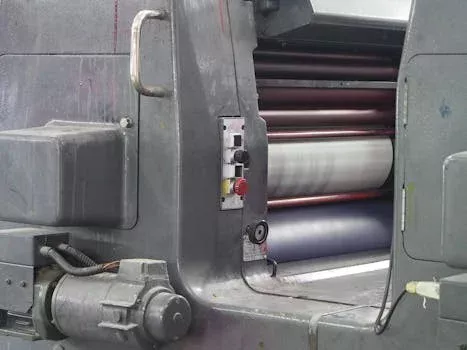
Supervisors must schedule these deeper maintenance tasks to prevent accelerated wear and maintain system calibration. This structured approach to industrial wastewater equipment upkeep addresses the most common failure points identified in service reports. Allocating a dedicated 2-4 hour window each week for these tasks prevents them from being postponed during busy production periods, ensuring long-term reliability.
- Lubricate Moving Parts (Weekly): Apply high-viscosity EP2 grease to the ram rod, chain drive, and plate handling mechanisms every 7 days to prevent friction and seizing. Pay special attention to greasing the plate shifter gears and tracks, as these high-movement parts are prone to wear if neglected.
- Inspect Filter Cloths (Weekly): Visually inspect for tears, frayed edges, and irreversible blinding (a permanent layer of solids embedded in the cloth). Replace cloths if more than 15% of the surface area is compromised. For monofilament cloths, check for stretching, which can cause misalignment and leaks.
- Calibrate Pressure Sensors (Monthly): Sensor drift greater than 3% negatively impacts cycle time and cake dryness. Recalibrate to manufacturer specifications using a certified dead-weight tester. This includes both hydraulic pressure sensors and feed pressure transducers to ensure accurate process control.
- Flush Feed Manifolds (Monthly): Circulate a 10% citric acid solution for 30-60 minutes to dissolve mineral scaling (e.g., calcium, iron), which is prevalent in high-TDS industrial sludges. Follow with a clean water rinse to prevent re-deposition of solids and check for restored flow rates.
| Frequency | Task | Procedure | Performance Goal |
|---|---|---|---|
| Weekly | Lubrication | Grease all moving parts with EP2 grease | Prevent metal-on-metal wear |
| Weekly | Cloth Inspection | Visual check for tears & blinding | <15% cloth surface area damaged |
| Monthly | Pressure Calibration | Compare sensor reading to master gauge | Accuracy within ±3% |
| Monthly | Manifold Flushing | Circulate 10% citric acid solution | Restore original feed flow rate |
Annual Overhaul and Component Replacement
An annual shutdown is critical for major service events that prevent catastrophic failures and systematically extend equipment lifespan. This comprehensive overhaul addresses wear on components that daily checks cannot assess. Planning this shutdown during a scheduled production break and ordering all replacement parts (seals, gaskets, spare cloths) 6-8 weeks in advance minimizes downtime and ensures all necessary materials are on hand.
- Replace Hydraulic Seals: Proactively replace all hydraulic cylinder seals and rod wipers. HydropureWater field data indicates 78% of major hydraulic leaks occur due to seal degradation beyond a 12-month service interval. Inspect the hydraulic fluid for contamination and change the fluid and filters if metal particles or water ingress are detected.
- Inspect Frame Alignment: Use precision lasers to check the filter press frame for misalignment and stress fractures. Misalignment greater than 2 mm causes uneven plate compression, leading to cloth blowouts and filtrate leaks. Check anchor bolts for tightness and re-level the entire structure if necessary.
- Test Electrical Control Panels: Verify integrity per the IEC 60529 IP54 standard for moisture ingress. Check for loose terminals, corrosion, and proper grounding to prevent electrical faults. Thermographically scan connections under load to identify hot spots that indicate failing components.
- Re-tension Filter Plates: Ensure the compression force is within ±5% of the manufacturer's specification (typically 12–14 MPa) to maintain optimal cake solids optimization and plate life. Over-tensioning can fatigue the frame and plates, while under-tensioning leads to leaks and poor cake consistency.
Performance Monitoring and KPIs
Effective preventative maintenance checklist execution must be validated by tracking key performance indicators. These KPIs quantify system health and provide an early warning for underlying mechanical or process issues. Trend analysis is more valuable than single data points; a gradual decline in any KPI signals a developing problem that can be addressed during planned maintenance, avoiding failure.
- Cake Solids %: The primary measure of dewatering efficiency. Target 18–30% solids depending on sludge type. A downward trend indicates cloth blinding, low hydraulic pressure, or incorrect flocculant dose. Consistently low solids dramatically increase hauling and disposal costs.
- Filtrate Turbidity: Maintain readings below 50 NTU. A sudden increase signals cloth failure, a torn gasket, or a compromised plate seal, allowing fine solids to pass into the filtrate stream and potentially violating discharge permits.
- Cycle Time: Log the time per complete dewatering cycle (fill, squeeze, release, cake discharge). An increase of more than 15% suggests feed pump wear, manifold clogging, or cloth fouling, reducing the system's overall throughput and capacity.
- Chemical Consumption: Track flocculant (polymer) dose per dry ton of sludge. A spike greater than 20% indicates poor sludge conditioning, a fault in the automatic chemical dosing system, or a change in sludge composition that requires re-optimization of the feed rate.
| Key Performance Indicator (KPI) | Target Range | Implication of Deviation |
|---|---|---|
| Cake Solids Concentration | 18% - 30% | Inefficient dewatering, higher disposal cost |
| Filtrate Turbidity | <50 NTU | Cloth failure or plate seal leak |
| Cycle Time | ±15% of baseline | Clogging, pump wear, or pressure loss |
| Polymer Consumption | ±20% of baseline | Dosing system fault or poor sludge quality |
Troubleshooting Common Dewatering System Failures
When performance issues arise, use this symptom-response matrix for rapid diagnosis and resolution, minimizing downtime without immediately escalating to an OEM service call. Always follow lock-out/tag-out (LOTO) procedures before performing any hands-on corrective actions to ensure technician safety.
| Symptom | Potential Causes | Corrective Actions |
|---|---|---|
| Low Cake Solids | Blinded filter cloth, low feed pressure (<10 MPa), incorrect flocculant dose, short cycle time | Clean or replace cloths, check hydraulic pressure, audit polymer dosing settings, ensure adequate squeeze time |
| Long Cycle Time | Clogged feed manifold, fouled cloths, worn sludge feed pump, low feed solids concentration | Flush manifolds, inspect and clean cloths, check pump performance curves, evaluate upstream thickening |
| Filtrate Leaks During Cycle | Plate misalignment, improperly folded cloth, damaged gasket or seal, cracked feed port | Realign plates, re-dress cloths, inspect and replace gaskets (typical lifespan 2 years), inspect plate integrity |
| Hydraulic System Overheating | Low oil level, faulty cooling fan, internal valve blockage, contaminated fluid, excessive cycle frequency | Top up hydraulic oil, test fan operation, flush valve block, change fluid and filter, review cycle demands |
Maintenance Records and Compliance Tracking

Meticulous documentation is not bureaucratic; it is the foundation for continuous improvement, warranty validation, and audit readiness. Log every action, including date, technician, parts replaced, and critical readings like pressure and cake quality. Digital logs are essential for generating monthly performance reports that demonstrate adherence to ISO 14001 wastewater compliance requirements. Per the EU Industrial Emissions Directive, all maintenance records must be retained for a minimum of 3 years to provide a verifiable audit trail. A robust Computerized Maintenance Management System (CMMS) can automate work order generation based on meter readings or time intervals, track parts inventory, and analyze historical failure data to predict future needs and optimize the maintenance strategy.
Frequently Asked Questions
How often should sludge dewatering equipment be serviced?
A comprehensive filter press maintenance schedule includes daily visual checks, weekly lubrication and cloth inspections, monthly calibration and flushing, and a full annual overhaul. The frequency of cloth replacement is highly variable, ranging from 3-18 months depending on sludge abrasiveness and chemical compatibility.
What causes filter press cloth clogging?
The primary causes are mineral scaling (iron/manganese), poor flocculation leaving fine solids to penetrate the cloth, and inadequate wash water pressure (below 3 bar) failing to clear pores. Biological growth and grease deposits can also blind cloths in certain wastewater streams, requiring specialized cleaning protocols.
How to extend the life of a plate and frame filter press?
Follow the 7-step protocol outlined in this guide: inspect daily, clean wash systems, lubricate weekly, calibrate monthly, monitor KPIs, record all data, and replace components proactively. Furthermore, operator training is critical; ensuring staff understand the impact of their actions on equipment longevity prevents abusive operation.
What is the ideal cake moisture content?
Target 70–82% solids (18–30% moisture) for most industrial sludges. This reduces volume and weight, cutting disposal costs by up to 40% compared to wet sludge. The specific target depends on the sludge's ultimate disposal method; landfill may require a minimum of 20% solids, while incineration often demands much drier cake.
Can maintenance reduce chemical usage?
Yes. A well-maintained system, particularly the sludge filter cloth replacement and feed pumps, improves flocculant mixing and capture efficiency, reducing polymer consumption by 15–25%. Regularly calibrated dosing pumps ensure precise chemical application, preventing both over-dosing (waste) and under-dosing (poor performance).