
To prevent membrane fouling in MBR systems, optimize aeration to 0.2–0.5 Nm³ air/m² membrane/h, maintain suction-to-pause cycles at 12 min ON / 3 min OFF, integrate pretreatment like DAF or fine screening, and control sludge viscosity below 15 cP. These steps can reduce fouling-related downtime by up to 60% and extend membrane life beyond 5 years.
Why Membrane Fouling in MBR Systems Costs You Time and Money
Membrane fouling in MBR systems directly increases operational costs and shortens system lifespan in industrial wastewater treatment. Unplanned downtime due to fouling averages 15–30 hours annually, resulting in production losses and higher labor expenses for troubleshooting and cleaning. Membrane replacement costs $80–$150/m² (HydropureWater field data, 2025), a significant expense when premature failure occurs. Biofouling accounts for 60–70% of all MBR fouling cases and raises energy use by 20–40% due to higher transmembrane pressure (TMP) demands. Frequent chemical cleaning restores flux temporarily but can degrade membrane material, reducing lifespan from over 5 years to under 3. Effective fouling prevention is essential to maintain performance and cost-efficiency in MBR systems with submerged PVDF membranes.
The 3 Main Types of Fouling in MBR Membranes
Three distinct fouling mechanisms affect MBR membranes: biological, organic, and inorganic. Biological fouling, or biofouling, makes up 60–70% of fouling cases and involves the formation of a biofilm from microorganisms like *Pseudomonas* and *Zoogloea*. It is identified by a steady increase in TMP beyond 0.06 MPa and the presence of a slimy surface layer. Organic fouling occurs when proteins, polysaccharides, humic substances, and soluble microbial products (SMP) adsorb into membrane pores, causing an irreversible flux decline greater than 15% over 30 days, especially in high-strength industrial effluents. Inorganic fouling, or scaling, results from mineral precipitation—such as calcium carbonate (CaCO₃), magnesium silicate, and barium sulfate—on the membrane surface. This type of fouling worsens at pH levels above 8.2 or under high ionic strength, forming hard crystalline deposits that cause rapid flux loss. For more details on common MBR issues, consult our field-tested troubleshooting guide for MBR sewage systems.
| Fouling Type | Key Foulants | Identification / Threshold | Primary Impact |
|---|---|---|---|
| Biological Fouling (Biofouling) | Bacteria (*Pseudomonas*, *Zoogloea*), EPS, SMP | Rising TMP >0.06 MPa, visible slime layer | Reduced permeability, increased energy use |
| Organic Fouling | Proteins, polysaccharides, humic acids, SMP | Irreversible flux decline >15% over 30 days | Pore blocking, reduced filtration efficiency |
| Inorganic Fouling (Scaling) | CaCO₃, MgSiO₃, BaSO₄ | Rapid TMP rise, crystalline deposits, pH >8.2 | Reduced flux, membrane damage, irreversible |
Optimize Aeration and Hydraulic Cycling

Air scour intensity should be maintained at 0.2–0.5 Nm³ air/m² membrane/h to disrupt biofilm formation and prevent foulant accumulation on PVDF flat sheet membranes without causing mechanical damage. This aeration rate generates sufficient shear force to reduce cake layer development and control transmembrane pressure (TMP). Precise suction-to-pause cycles further enhance fouling control. Using intervals such as 12 minutes ON (suction) and 3 minutes OFF (pause), or 9:6, allows foulants to diffuse back into the mixed liquor during the pause phase. This approach reduces the rate of TMP rise by 30–50% by mitigating both reversible and irreversible fouling. Pulse aeration—delivering air in short, high-intensity bursts—can lower energy use by about 25% while maintaining effective scouring, offering an efficient method for managing membrane fouling in MBR systems.
Integrate Effective Pretreatment Systems
Robust pretreatment systems reduce foulant loading and protect MBR membranes from early degradation. Rotary fine screens with 2–6 mm apertures remove fibers, large solids, and debris that could damage or clog membranes. This step alone reduces fouling rates by up to 40% (IWS 2024 data). For industrial wastewaters high in fats, oils, grease (FOG), or colloids, dissolved air flotation (DAF) is highly effective, achieving 92–97% TSS removal and minimizing organic fouling. Adding microfiltration as a pretreatment reduces soluble microbial products (SMP) by 50–70%, delaying irreversible organic fouling. By incorporating equipment like rotary mechanical bar screens or DAF units, operators can extend membrane life and reduce chemical cleaning frequency.
| Pretreatment System | Target Foulants | Removal Efficiency / Benefit | Fouling Mitigation |
|---|---|---|---|
| Rotary Fine Screens | Fibers, hair, large suspended solids, debris | Removes particles >2-6 mm; reduces fouling rate by 40% | Prevents physical clogging & abrasion |
| Dissolved Air Flotation (DAF) | Fats, Oils, Grease (FOG), colloidal particles, TSS | 92-97% TSS removal, significant FOG reduction | Minimizes organic fouling & gel layer formation |
| Microfiltration | Soluble microbial products (SMP), colloids, fine particulates | 50-70% reduction in SMP | Delays irreversible organic fouling |
Control Mixed Liquor Properties
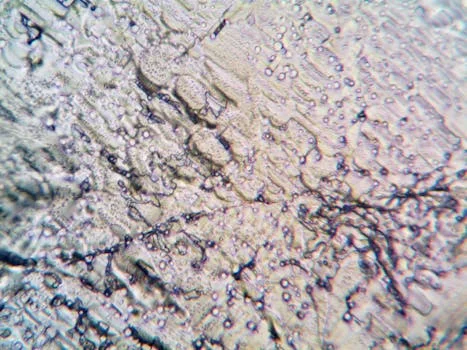
Managing mixed liquor suspended solids (MLSS) and sludge characteristics is key to reducing fouling risk. MLSS should be kept between 8,000–12,000 mg/L; exceeding this range increases sludge viscosity, raising the required TMP and promoting gel layer formation. Sludge viscosity must remain below 15 cP to ensure effective membrane scouring. Applying specific sludge retention time (SRT) strategies, such as feast-famine cycling at 8–15 days, reduces extracellular polymeric substances (EPS) and soluble microbial products (SMP) by 30–50%. These compounds are major contributors to organic and biological fouling. Controlling these parameters improves system stability and complements approaches used in root cause analysis of activated sludge bulking.
Leverage Chemical and Biological Fouling Mitigation
Chemical and biological strategies provide advanced options for fouling control. Periodic cleaning with sodium hypochlorite (NaOCl) at 500–1,000 mg/L removes organic and biofouling layers. Chemical cleaning in place (CIP) is typically performed every 2–4 weeks to restore permeability. For proactive biofilm control, quorum quenching (QQ) disrupts bacterial signaling and can reduce biofilm formation by 40–60%, addressing biofouling at its source. Microalgae-MBR hybrid systems offer a biological alternative, cutting energy use by up to 30%. Oxygen produced by microalgae enhances membrane scouring, while nutrient uptake reduces foulant precursors, suppressing fouling development.
Frequently Asked Questions

What is the normal TMP range for MBR membranes? Transmembrane pressure (TMP) in MBR systems should ideally stay below 0.06 MPa; a TMP consistently exceeding 0.08 MPa indicates severe fouling and warrants immediate investigation.
How often should MBR membranes be cleaned? MBR membranes typically require chemical cleaning in place (CIP) every 3–6 months, supplemented by weekly low-dose sodium hypochlorite (NaOCl) soaking for maintenance and prevention of membrane fouling.
Can you reverse membrane fouling? Reversible fouling, such as the cake layer, responds well to physical cleaning (e.g., increased aeration, backwash); however, irreversible fouling, which involves pore blocking or strong adsorption, usually requires chemical cleaning or ultimately membrane replacement.
What causes rapid TMP rise in MBR? A rapid increase in transmembrane pressure (TMP) in an MBR system is often indicative of severe biofouling or excessively high mixed liquor suspended solids (MLSS) concentration. Operators should immediately check sludge viscosity MBR and the MBR aeration rate.
How long do MBR membranes last? With proper operation and effective fouling control, MBR membranes can achieve a lifespan of 5–7 years. However, poor fouling management can drastically reduce membrane lifespan to as little as 2–3 years.
Related Equipment
- integrated MBR wastewater treatment system with submerged PVDF membranes — view specifications, capacity range, and technical data
- PVDF flat sheet membrane module with integrated aeration box — view specifications, capacity range, and technical data
Need a customized solution? Request a free quote with your specific flow rate and pollutant parameters.