Printed Circuit Board Wastewater ZLD: 2026 Engineering Blueprint with 99.9% Copper Recovery & Cost Breakdown
A 2026 PCB wastewater zero liquid discharge (ZLD) system can recover 99.9% of copper while eliminating disposal costs ($0.50–$2.00/gallon) and meeting EPA 40 CFR Part 433 limits (copper <0.4 mg/L). Hybrid systems combining microfiltration (92–97% TSS removal), reverse osmosis (85–95% recovery), and ion exchange (99.9% metal recovery) achieve the highest efficiency. For a 50,000 sq ft/year facility, this translates to $280K/year in savings and compliance with China’s GB 31573-2015 standards.
Why PCB Factories Are Adopting Zero Liquid Discharge (ZLD) in 2026
PCB manufacturing generates an estimated 50–150 gallons of wastewater per square foot of board produced, according to EPA 2023 data. The disposal costs for this effluent are a significant operational burden, ranging from $0.50–$2.00 per gallon as of a 2025 industry benchmark. This financial pressure is compounded by increasingly stringent environmental regulations. The U.S. EPA's 40 CFR Part 433 and China's GB 31573-2015 standards mandate strict limits for key heavy metals like copper (typically <0.4 mg/L), lead (<0.1 mg/L), and nickel. Failure to comply can lead to substantial daily fines, potentially reaching $50,000 per day as per EPA 2024 penalty structures, alongside significant reputational damage and potential OEM supply chain disqualification. Simultaneously, the economic opportunity presented by recovering valuable metals is becoming a critical factor. Copper, a primary contaminant in PCB wastewater, can be recovered with up to 99.9% efficiency using advanced ion exchange technologies, as demonstrated in leading case studies. This recovery can offset 20–40% of the total ZLD system investment. environmental pressures from end-users and the growing emphasis on supply chain sustainability scores are pushing PCB manufacturers toward ZLD solutions to reduce their carbon footprint and demonstrate a commitment to responsible manufacturing.
Hybrid ZLD System Design: Process Flow and Engineering Specs
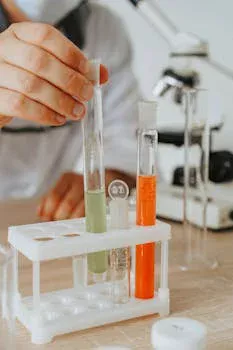
Implementing a robust ZLD system for PCB wastewater necessitates a multi-stage, hybrid approach designed to handle high concentrations of suspended solids and dissolved metals. The process typically begins with chemical pre-treatment to destabilize and aggregate contaminants. This stage involves pH adjustment, often using caustic soda or sulfuric acid, followed by the addition of coagulants like polyaluminum chloride (PAC) or ferric chloride (FeCl₃) at dosages of 50–200 mg/L. Flocculants are then introduced to promote the formation of larger flocs, reducing the total suspended solids (TSS) from an initial range of 500–2,000 mg/L down to less than 50 mg/L, achieving a 90–95% TSS removal efficiency. For advanced pre-treatment, dissolved air flotation (DAF) systems, such as our DAF systems for PCB wastewater pre-treatment, can further enhance TSS removal. Following pre-treatment, microfiltration (MF) with a pore size of 0.1–0.5 μm serves as a critical barrier, removing residual suspended solids and protecting downstream membranes. MF units typically operate at fluxes of 50–100 LMH and achieve 92–97% TSS removal, as per EPA 2024 benchmarks. The heart of the water recovery process is reverse osmosis (RO). Industrial RO systems, like our RO systems for PCB wastewater recovery, are designed to recover 85–95% of the water, producing permeate with a total dissolved solids (TDS) concentration below 50 mg/L. The recovery rate is dependent on the feedwater salinity, with brackish water RO membranes performing optimally within a TDS range of 5,000–20,000 mg/L. For advanced metal removal, particularly copper, nickel, and lead, ion exchange (IX) is indispensable. Chelating resins, such as those with iminodiacetic acid functional groups, are highly effective, achieving >99.9% removal of these target metals. A typical IX system might utilize 1–5 m³ of resin, with regeneration cycles occurring every 20–50 bed volumes. The final concentrate stream, which contains concentrated salts and residual contaminants, is treated through crystallization or evaporation to drastically reduce its volume by 90–95%, yielding solid salts for disposal or potential recovery. Thermal evaporation technologies, such as multi-effect distillation, offer efficient energy use, typically in the range of 0.1–0.3 kWh/m³, compared to membrane distillation which can range from 0.5–1.2 kWh/m³. Accurate chemical dosing is crucial throughout the process, managed by systems like our chemical dosing for PCB wastewater pH adjustment.
| ZLD Stage | Key Parameters | Typical Performance | Notes |
|---|---|---|---|
| Chemical Pre-treatment | Coagulant/Flocculant Dosage | 50–200 mg/L | Reduces TSS from 500–2,000 mg/L to <50 mg/L |
| Microfiltration (MF) | Pore Size / Flux | 0.1–0.5 μm / 50–100 LMH | 92–97% TSS removal, protects RO |
| Reverse Osmosis (RO) | Water Recovery / Permeate TDS | 85–95% / <50 mg/L | Dependent on feedwater salinity (5,000–20,000 mg/L TDS) |
| Ion Exchange (IX) | Resin Type / Bed Volume | Chelating (Iminodiacetic Acid) / 1–5 m³ | >99.9% Cu, Ni, Pb removal; Regeneration every 20–50 BV |
| Concentrate Treatment | Volume Reduction / Energy Use | 90–95% / Thermal: 0.1–0.3 kWh/m³ | Crystallization or Evaporation |
ZLD Technology Comparison: Membrane-Based vs. Thermal Evaporation for PCB Wastewater
When selecting a ZLD system for PCB wastewater, a critical decision lies between membrane-based technologies and thermal evaporation. Membrane-based ZLD, primarily comprising RO and ion exchange, typically presents a lower capital expenditure (CapEx), estimated at $1.2–$2.5 million for a 50 gpm system. However, its operational expenditure (OPEX) can be higher, ranging from $0.50–$1.50 per cubic meter, largely due to continuous energy consumption for pumping and the periodic replacement of membranes, which have a lifespan of 3–5 years. In contrast, thermal evaporation systems, such as multi-effect distillation (MED), involve a higher CapEx, in the order of $2.5–$4 million for a comparable 50 gpm capacity. Their advantage lies in lower OPEX, typically $0.20–$0.80 per cubic meter, as they leverage heat rather than high pressure for separation, leading to significantly lower energy consumption (0.1–0.3 kWh/m³ compared to 0.5–1.2 kWh/m³ for membrane systems, per 2026 DOE benchmarks). Thermal systems also boast a smaller footprint, requiring 50–70% less space than membrane systems due to fewer auxiliary units. A key consideration for metal recovery is efficiency: membrane-based systems, particularly with dedicated ion exchange, can achieve >99.9% copper recovery, whereas thermal evaporators may achieve 95–98% due to potential scaling issues that can hinder metal recovery. Maintenance also differs: membrane systems require frequent cleaning (often weekly) and replacement, while thermal systems typically need annual descaling procedures.
| Feature | Membrane-Based ZLD (RO + IX) | Thermal Evaporation (MED) |
|---|---|---|
| CapEx (50 gpm) | $1.2M – $2.5M | $2.5M – $4.0M |
| OPEX (per m³) | $0.50 – $1.50 | $0.20 – $0.80 |
| Energy Use (kWh/m³) | 0.5 – 1.2 | 0.1 – 0.3 |
| Copper Recovery (%) | >99.9% | 95% – 98% |
| Footprint | Larger (2–3x) | Smaller (50–70% less) |
| Maintenance | Frequent Cleaning (weekly), Membrane Replacement (3–5 yrs) | Annual Descaling |
CapEx and OPEX Breakdown: 2026 Costs for a 50 gpm PCB Wastewater ZLD System
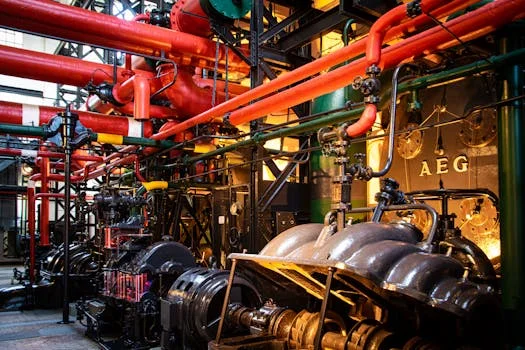
For a 50 gpm (approximately 11.4 m³/hr) hybrid ZLD system tailored for PCB wastewater, the estimated capital expenditure (CapEx) in 2026 ranges from $1.8 million to $3.2 million. This total includes significant investments in pre-treatment stages, such as chemical dosing and microfiltration, estimated at $300,000–$500,000. The reverse osmosis (RO) unit itself represents a substantial portion, typically $500,000–$800,000, followed by the ion exchange (IX) system for high-purity metal recovery, costing $400,000–$700,000. The final concentrate treatment, often involving crystallization or evaporation, can range from $600,000 to $1.2 million, depending on the technology chosen. Installation, commissioning, civil works, piping, and automation typically add another 20–30% to the CapEx, equating to $360,000–$960,000. Operational expenditure (OPEX) for such a system is projected to be between $0.80 and $2.00 per cubic meter. This OPEX is broken down into energy costs (30–50% of total OPEX), ranging from $0.30–$0.80/m³, chemicals ($0.10–$0.30/m³), membrane replacement ($0.10–$0.20/m³ for RO and pre-filters), and labor ($0.10–$0.30/m³). The annual savings from a ZLD system can be substantial, ranging from $280,000 to $500,000, primarily from avoided disposal costs and the value of recovered copper. Based on these figures and a 2026 copper price forecast of $9,000–$12,000 per ton, the return on investment (ROI) typically falls within a 3–7 year period. This ROI is highly sensitive to local disposal rates and the prevailing copper market prices, as illustrated in the cost sensitivity table.
| Cost Component | Estimated Range (50 gpm System) | Notes |
|---|---|---|
| CapEx | $1.8M – $3.2M | |
| Pre-treatment (DAF, MF, Dosing) | $300K – $500K | |
| Reverse Osmosis (RO) | $500K – $800K | |
| Ion Exchange (IX) | $400K – $700K | For high-purity metal recovery |
| Concentrate Treatment (Evaporation/Crystallization) | $600K – $1.2M | |
| Installation & Commissioning | $360K – $960K | 20–30% of equipment CapEx |
| OPEX (per m³) | $0.80 – $2.00 | |
| Energy | $0.30 – $0.80 | 30–50% of OPEX |
| Chemicals | $0.10 – $0.30 | |
| Membrane Replacement | $0.10 – $0.20 | RO membranes, filters |
| Labor | $0.10 – $0.30 | |
| Annual Savings | $280K – $500K | Disposal avoidance + metal recovery |
| ROI Period | 3 – 7 Years | Dependent on disposal costs & copper price |
| Scenario | Disposal Cost ($/gallon) | Copper Recovery Rate (%) | Estimated ROI (Years) |
|---|---|---|---|
| Baseline | $0.50 | 95% | 5.5 – 7.5 |
| Optimized | $2.00 | 99.9% | 3.0 – 4.5 |
Compliance and Permitting: Meeting EPA 40 CFR Part 433 and GB 31573-2015 Limits
Achieving and maintaining compliance with stringent environmental regulations is a primary driver for ZLD adoption in the PCB manufacturing sector. The U.S. EPA's 40 CFR Part 433 sets critical discharge limits for PCB wastewater, including copper at less than 0.4 mg/L, lead at less than 0.1 mg/L, nickel at less than 1.0 mg/L, and zinc at less than 1.0 mg/L, with these limits enforced as of 2026. Similarly, China's GB 31573-2015 standards impose rigorous requirements, often with even stricter limits for copper (<0.5 mg/L) and lead (<0.2 mg/L), particularly for facilities discharging into Class I water bodies. To ensure continuous adherence, ZLD systems must incorporate comprehensive monitoring capabilities. This includes online analyzers for parameters such as pH, TDS, and dissolved metals, coupled with robust data logging systems for regulatory reporting. The permitting process for new ZLD installations typically spans 6–12 months and can involve environmental impact assessments (EIA) and public hearings, especially in China. Common compliance pitfalls to avoid include inadequate pre-treatment leading to rapid fouling of RO membranes, improper ion exchange resin regeneration that compromises metal recovery efficiency, and a lack of redundancy in critical system components like RO pumps, which can lead to unscheduled downtime and non-compliance. A proactive approach to compliance involves a detailed checklist covering pre-treatment efficacy, essential monitoring points, and mandated reporting frequencies.
How to Select the Right ZLD System for Your PCB Factory: A Decision Framework
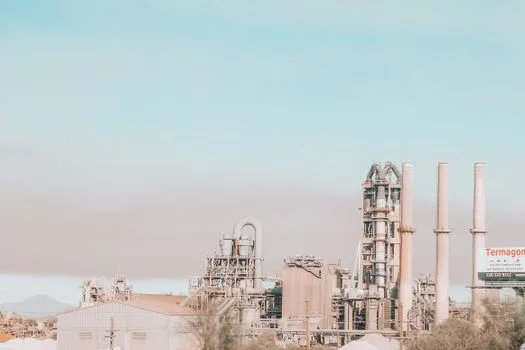
Selecting the optimal ZLD system for a PCB manufacturing facility requires a systematic evaluation of operational needs, recovery goals, and financial constraints. The process begins with a thorough assessment of the wastewater characteristics: accurately measure the flow rate in gpm, TSS and TDS concentrations in mg/L, and the specific concentrations of key metals like copper, nickel, and lead. Next, clearly define your recovery objectives. Are you prioritizing maximum water reuse, aiming for the highest possible metal recovery to generate revenue, or simply seeking complete elimination of liquid discharge? Once these parameters are established, compare the available ZLD technologies. Utilize the technology comparison table presented earlier to evaluate membrane-based systems (RO + IX) against thermal evaporation based on their respective CapEx, OPEX, energy consumption, and metal recovery rates. Consider your site's physical constraints and energy availability; membrane systems require more space but are generally less energy-intensive than thermal systems, which demand significant heat input. Crucially, model the ROI for each viable option, using the CapEx/OPEX data and factoring in local disposal costs and projected copper prices. The final step should involve requesting pilot testing from potential vendors. On-site pilot units (typically 1–5 gpm) are invaluable for validating system performance under your specific wastewater conditions before committing to a full-scale deployment. This structured approach ensures the chosen ZLD system aligns with your factory's unique requirements and strategic objectives.
Decision Tree for ZLD System Selection:
- Start: Assess Wastewater Volume & Composition
- Question: Is high-purity water reuse a primary goal?
- Yes: Prioritize RO performance and potentially post-treatment polishing. Proceed to next question.
- No: Focus on robust metal recovery and volume reduction. Proceed to next question.
- Question: Is maximum copper/metal recovery a critical objective (for revenue or compliance)?
- Yes: A hybrid system with advanced ion exchange is essential. Consider membrane-based ZLD.
- No: Thermal evaporation may offer lower OPEX if metal recovery is secondary.
- Question: Is site footprint a significant constraint?
- Yes: Thermal evaporation systems generally have a smaller footprint.
- No: Membrane-based systems offer flexibility in layout.
- Question: What is the available energy infrastructure (steam vs. electricity)?
- Steam Available: Thermal evaporation becomes more economically viable.
- Primarily Electricity: Membrane-based systems may be more efficient.
- Final Decision: Based on the answers, select the technology (Membrane-Based vs. Thermal Evaporation) and consult vendors for pilot testing and detailed cost proposals.
Frequently Asked Questions
What is the biggest challenge in treating PCB wastewater with ZLD?
The primary challenge in treating PCB wastewater with ZLD is managing high concentrations of suspended solids (500–2,000 mg/L) and dissolved metals, especially copper (up to 100 mg/L). These contaminants can rapidly foul downstream equipment. Robust pre-treatment, including microfiltration, is essential. Hybrid systems, while achieving 99.9% copper recovery, require diligent maintenance, including weekly membrane cleaning for RO units.
How much energy does a PCB wastewater ZLD system use?
Energy consumption varies significantly by technology. Membrane-based ZLD systems, primarily using RO, typically consume 0.5–1.2 kWh/m³. Thermal evaporation systems are more energy-efficient, using 0.1–0.3 kWh/m³. Energy costs represent a substantial portion of OPEX, often accounting for 30–50% of the total, or $0.30–$0.80 per cubic meter.
Can ZLD systems handle high-salinity PCB wastewater (e.g., from etching)?
Yes, ZLD systems can handle high-salinity PCB wastewater, but RO recovery rates can decrease. At TDS levels exceeding 20,000 mg/L, RO recovery may drop to 70–80%. For extremely high salinity streams, pre-treatment steps like nanofiltration or the use of thermal evaporation technologies might be necessary to achieve effective ZLD.
What are the maintenance requirements for a ZLD system?
Maintenance varies by component. RO membranes typically require weekly cleaning cycles to prevent fouling. Ion exchange resins need periodic regeneration, often monthly, depending on the contaminant load. Thermal evaporation systems usually require annual descaling to remove mineral buildup. Membrane lifespans are generally 3–5 years, while ion exchange resins can last 5–10 years.
How do I justify the cost of a ZLD system to my CFO?
To justify the investment to a CFO, emphasize the significant annual savings, estimated at $280,000–$500,000, derived from eliminating wastewater disposal costs and generating revenue from recovered copper. Highlight the projected ROI of 3–7 years. underscore the critical importance of regulatory compliance to avoid substantial fines and operational disruptions, and mention how ZLD contributes to OEM sustainability requirements and corporate environmental stewardship goals.