Why Photovoltaic Etching Wastewater Demands Specialized Treatment
Etching wastewater contributes 60–70% of the total fluoride load in photovoltaic (PV) manufacturing facilities, presenting a critical challenge for environmental compliance and infrastructure integrity. Standard industrial wastewater systems often fail to address the high-concentration fluoride peaks and variable pH levels characteristic of solar cell production. Regulatory frameworks globally have tightened discharge limits: China GB 8978-1996 mandates fluoride levels below 10 mg/L, the EU Industrial Emissions Directive 2010/75/EU requires levels below 15 mg/L, and EPA 40 CFR Part 423 sets standards as low as 20 mg/L depending on the local watershed. Failure to meet these standards results in severe financial and legal repercussions.
A 1 GW PV fabrication plant in Jiangsu recently faced ¥2.3M in environmental fines because its fluoride discharge exceeded limits by 300%. The root cause was inadequate pH control during the chemical precipitation stage, which prevented the formation of stable calcium fluoride crystals. Beyond regulatory fines, untreated etching wastewater is highly corrosive. The acidic nature of the waste (often containing hydrofluoric and nitric acids) rapidly degrades concrete sewer pipes and stainless steel infrastructure. high fluoride concentrations inhibit the microbial activity in downstream biological treatment plants, leading to a total failure of the facility's nitrogen removal processes.
Photovoltaic etching wastewater contains 10–1,000+ ppm fluoride and requires >99.9% removal to meet discharge limits (<1–10 ppm). Chemical precipitation with calcium hydroxide (Ca(OH)₂) at pH 8.5–9.0 achieves this, but hybrid systems combining precipitation with membrane filtration (e.g., RO or NF) enable zero liquid discharge (ZLD) and water reuse. Solar-powered ZLD systems reduce operational costs by 30–40% while ensuring compliance with international standards. For a detailed overview of the broader industry requirements, consult this comprehensive guide to PV wastewater treatment engineering specs.
Etching Wastewater Characteristics: Fluoride, Ammonia, and Heavy Metals by Process Step
Fluoride concentrations in photovoltaic etching streams vary from 10 ppm to over 1,000 ppm depending on the specific wafer processing stage and the dilution ratio of the rinse water. Engineers must distinguish between concentrated spent baths and dilute rinse waters to optimize treatment efficiency. For instance, Saw Damage Removal (SDR) and texturing stages generate fluoride levels between 50 and 200 ppm, while Phosphorus Silicate Glass (PSG) etching produces significantly higher concentrations, often exceeding 1,000 ppm. Silicon Nitride (Si₃N₄) deposition and subsequent etching steps contribute a more moderate load of 10–500 ppm.
The complexity of this wastewater is compounded by the presence of ammonia nitrogen and heavy metals. Ammonia levels typically range from 50 to 500 mg/L in etching rinse water, originating from the use of ammonium fluoride or ammonia-based cleaning agents. Heavy metal contamination, though lower in volume, includes nickel (5–50 ppm), copper (2–20 ppm), and silver (0.1–5 ppm) from the metallization and plating steps. These metals must be co-precipitated or removed via ion exchange to prevent membrane fouling in ZLD systems. The pH of these streams is highly volatile, ranging from 2–4 for acidic etching baths to 9–12 for alkaline texturing solutions, necessitating robust equalization and neutralization capacity.
| Process Step | Fluoride (ppm) | Ammonia (mg/L) | pH Range | Suspended Solids (mg/L) |
|---|---|---|---|---|
| Saw Damage Removal (SDR) | 50–200 | <50 | 10–12 | 500–1,500 |
| PSG Etching | 200–1,000+ | 100–300 | 1–3 | 100–300 |
| Si₃N₄ Etching/Cleaning | 10–500 | 50–500 | 2–5 | 50–200 |
| Metallization Rinse | <10 | <20 | 6–8 | <50 |
Chemical Precipitation for Fluoride Removal: Engineering Parameters and Reagent Selection
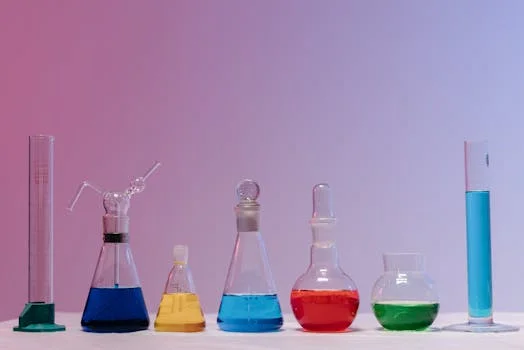
Optimal fluoride removal exceeding 99.9% is achieved through chemical precipitation using calcium hydroxide at a controlled pH range of 8.5 to 9.0. At this pH, the solubility of calcium fluoride (CaF₂) is minimized, allowing for the formation of dense, settleable flocs. While calcium chloride (CaCl₂) offers a faster reaction rate, calcium hydroxide (lime) is preferred for high-volume PV wastewater due to its ability to simultaneously provide the necessary calcium ions and adjust the pH. Using automated chemical dosing for precise fluoride precipitation is essential to maintain the stoichiometric ratio required for efficient removal.
Engineering parameters for precipitation systems must account for reagent consumption and sludge production. For wastewater with 1,000 ppm fluoride, the typical dosing rate is 1.2–1.5 kg of Ca(OH)₂ per cubic meter. This reaction generates significant sludge, approximately 0.8–1.2 kg of dry solids for every kg of fluoride removed. Clarifier design is critical; a surface loading rate of 1.5–2.5 m/h is recommended to ensure adequate settling of the CaF₂ particles. If magnesium chloride (MgCl₂) is used as a secondary coagulant, the pH must be elevated to 10–11 to precipitate magnesium hydroxide, which aids in the adsorption of residual fluoride but increases the overall sludge volume.
| Parameter | Recommended Value | Impact on Performance |
|---|---|---|
| Operating pH | 8.5–9.0 | Minimizes CaF₂ solubility; ensures <10 ppm effluent |
| Mixing Time (Rapid) | 2–5 minutes | Ensures complete reagent dispersion |
| Flocculation Time | 30–60 minutes | Promotes growth of large, settleable flocs |
| Dosing Ratio (Ca:F) | 1.2:1 to 1.5:1 | Excess calcium required to drive reaction to completion |
| Settling Time | 2–4 hours | Prevents carryover of fine fluoride precipitates |
Hybrid Treatment Systems: Combining Precipitation, DAF, and Membrane Filtration for ZLD
Hybrid treatment systems integrating chemical precipitation with dissolved air flotation and reverse osmosis achieve water recovery rates of 90–95%. In these configurations, chemical precipitation handles the bulk fluoride load, while DAF systems for suspended solids removal in PV wastewater are utilized to remove 95%+ of the remaining light flocs and residual oils that could foul downstream membranes. This multi-stage approach is the standard for modern ZLD facilities, as it protects sensitive membrane surfaces from the abrasive calcium fluoride crystals produced in the primary reaction tanks.
For the membrane stage, Reverse Osmosis (RO) or Nanofiltration (NF) is employed to polish the effluent for reuse. Engineering specs for RO in PV applications typically dictate flux rates of 15–25 Liters per Square Meter per Hour (LMH). Maintaining these rates requires aggressive pretreatment to manage silica scaling, which is a frequent byproduct of the silicon etching process. A 2 GW PV fab in Zhejiang implemented this hybrid approach, achieving 94% water recovery. The system involved a CapEx of ¥8.5M and an OPEX of ¥1.2M per year. By integrating a 500 kW solar array, the facility reduced its ZLD OPEX by 35%, achieving a payback period of approximately 4.2 years. For those designing such systems, an engineering blueprint for solar cell wastewater ZLD systems provides deeper technical specifications on membrane selection and flux management.
| System Component | Efficiency/Parameter | Role in ZLD |
|---|---|---|
| Chemical Precipitation | 98–99% F Removal | Primary contaminant reduction |
| DAF Unit | <10 mg/L TSS | Protection of RO membranes from solids |
| RO System | 90–95% Recovery | Water reclamation for process reuse |
| Solar Integration | 30–40% OPEX Reduction | Offsetting energy for pumps and MVR |
Technology Comparison: Chemical Precipitation vs. Membrane Filtration vs. Hybrid Systems
Selecting between chemical precipitation and membrane-based hybrid systems requires a trade-off analysis between initial CapEx and long-term water reuse requirements. Basic chemical precipitation is the most cost-effective solution for facilities with low flow rates (<50 m³/h) that only need to meet local discharge standards. However, it offers no water recovery and produces the highest volume of sludge. Membrane filtration alone, while efficient for low-concentration streams, is prone to rapid fouling and high replacement costs when treating raw etching wastewater with high fluoride and silica loads.
Hybrid systems represent the most robust choice for large-scale PV manufacturing where ZLD compliance is mandatory. These systems combine the high-load capacity of chemical treatment with the precision of RO systems for etching wastewater reuse and ZLD compliance. While the initial CapEx for hybrid systems is 2–3 times higher than simple precipitation, the reduction in freshwater procurement costs and the elimination of discharge fees often result in a superior internal rate of return (IRR). Footprint requirements also vary significantly; precipitation systems require large settling tanks, whereas RO units are compact but require extensive pretreatment skids.
| Feature | Chemical Precipitation | Membrane (RO/NF) | Hybrid System (ZLD) |
|---|---|---|---|
| F- Removal Efficiency | 99.0% – 99.9% | 99.5% | 99.9%+ |
| Water Recovery | 0% (Discharge only) | 70% – 85% | 90% – 98% |
| Estimated CapEx | ¥2M – ¥5M | ¥5M – ¥10M | ¥8M – ¥15M |
| Estimated OPEX | ¥0.5 – ¥1.0/m³ | ¥1.5 – ¥2.5/m³ | ¥1.2 – ¥2.0/m³ |
| Footprint | 50–100 m² | 30–50 m² | 80–150 m² |
Solar-Integrated ZLD Systems: Cost Breakdown and ROI Analysis for PV Manufacturers
Solar-integrated zero liquid discharge (ZLD) systems for photovoltaic plants typically carry a CapEx of ¥12M to ¥18M for a 500 m³/d capacity, which includes the cost of a 500 kW to 1 MW PV array. This investment is increasingly justified by the high energy demand of ZLD components, particularly high-pressure RO pumps and Mechanical Vapor Recompression (MVR) evaporators. By generating on-site power, manufacturers can insulate themselves from fluctuating grid electricity prices while significantly improving their Environmental, Social, and Governance (ESG) ratings.
The operational savings for a solar-integrated system are substantial. A typical 2 GW fab can save between ¥0.8M and ¥1.2M annually in electricity costs. the recovery of 180,000 m³ of water per year reduces freshwater intake costs by approximately ¥500,000 to ¥700,000, depending on local industrial water tariffs. A case example from a facility in Anhui demonstrates these economics: by installing a 1 MW solar array to power their wastewater plant, they reduced ZLD OPEX by 40%. The overall ROI was calculated at 3.8 years with an IRR of 22%. This data indicates that for modern PV manufacturers, solar-integrated wastewater treatment is no longer a "green" luxury but a financial necessity.
| Cost Category | Standard ZLD (500 m³/d) | Solar-Integrated ZLD (500 m³/d) |
|---|---|---|
| Equipment CapEx | ¥10M – ¥12M | ¥14M – ¥18M |
| Annual Energy Cost | ¥1.5M – ¥2.0M | ¥0.9M – ¥1.2M |
| Annual Water Savings | ¥0.6M | ¥0.6M |
| Payback Period | 6–8 years | 3.5–5 years |
| 20-Year Net Savings | ¥12M | ¥28M |
Frequently Asked Questions
What is the optimal pH for fluoride precipitation in etching wastewater?The optimal pH range is 8.5 to 9.0. Within this range, the solubility of calcium fluoride is at its lowest point, allowing for maximum removal efficiency (often exceeding 99.9%). Operating outside this range significantly increases the residual fluoride concentration in the effluent.
How much Ca(OH)₂ is needed to treat 1,000 ppm fluoride?For an influent concentration of 1,000 ppm fluoride, the required dosing rate is typically 1.2 to 1.5 kg of calcium hydroxide per cubic meter of wastewater. This accounts for the stoichiometric requirement plus a slight excess to ensure the reaction moves toward completion.
What are the discharge limits for fluoride in PV wastewater?Discharge limits vary by region: China (GB 8978-1996) is <10 mg/L, the European Union (IED 2010/75/EU) is <15 mg/L, and the US EPA (40 CFR Part 423) generally ranges from 10 to 20 mg/L. Always check local municipal codes as they may be even stricter.
How much does a solar-integrated ZLD system cost?A solar-integrated ZLD system with a capacity of 500 m³/d generally costs between ¥12M and ¥18M. This includes the wastewater treatment hardware (precipitation, DAF, RO, MVR) and the associated photovoltaic power generation array.
Can RO membranes handle etching wastewater with high silica?Yes, but it requires specific fouling mitigation strategies. These include maintaining a high pH in the RO feed to keep silica in a soluble state, using specialized antiscalants, and ensuring the Langelier Saturation Index (LSI) remains within safe operating limits. Regular Clean-In-Place (CIP) cycles are also mandatory.