Photovoltaic (PV) manufacturing wastewater mandates specialized treatment to effectively remove high concentrations of fluoride (50–500 mg/L), arsenic (10–100 mg/L), and heavy metals such as chromium and copper, which consistently exceed China GB 31573-2015 and other stringent global discharge limits. Hybrid zero liquid discharge (ZLD) systems, integrating chemical precipitation, advanced membrane filtration, and solar-powered electrocoagulation, achieve a verified 99.9% removal efficiency for fluoride and arsenic while simultaneously reducing energy costs by 30–40% compared to conventional grid-powered systems. The Capital Expenditure (CAPEX) for a 100 m³/h PV wastewater ZLD system typically ranges from $1.2M to $3.5M, with Operational Expenditure (OPEX) estimated at $0.80–$1.50/m³, varying significantly based on the extent of solar integration and the specific contaminant load (2025 industry benchmarks).
Why Photovoltaic Developer Wastewater Treatment Demands Specialized Engineering
PV manufacturing wastewater contains 5–10× higher fluoride (50–500 mg/L) and arsenic (10–100 mg/L) concentrations than typical municipal wastewater, posing unique challenges for compliance with China GB 31573-2015 and EPA 2024 benchmarks. The chemical composition of PV wastewater streams, primarily from acidic and alkaline etching, texturing, and cleaning processes, includes high levels of hydrofluoric acid, nitric acid, phosphoric acid, and various heavy metals. These aggressive chemicals directly impact conventional treatment systems, leading to issues like rapid membrane fouling, biological toxicity in activated sludge processes, and corrosive damage to infrastructure. For instance, a 2023 PV plant in Jiangsu faced $2.1M in regulatory fines due to persistent fluoride exceedances, highlighting the severe financial risks of inadequate treatment. Implementing hybrid ZLD systems, however, demonstrated a reduction in fluoride discharge to below 1 mg/L at a 35% lower energy cost in similar internal case studies. wastewater treatment accounts for a significant 3–4% of a typical PV plant’s total energy use, translating to operational costs of $0.50–$1.20/m³ (EPA 2016 data). Integrating solar-powered solutions can significantly cut this grid dependency by up to 40%, offering substantial economic and environmental benefits.
Contaminant-Specific Treatment Processes for PV Wastewater: Engineering Specs and Removal Efficiencies
Effective photovoltaic developer wastewater treatment necessitates targeted approaches for each prevalent contaminant. For fluoride (F⁻), calcium salt precipitation utilizing CaCl₂ or Ca(OH)₂ achieves 99.9% removal, optimally performed at a pH of 10–12. This process generates 0.5–1.2 kg/m³ of calcium fluoride sludge, requiring careful management (2025 industry benchmarks). The typical process involves rapid mixing of the chemical precipitant, followed by a controlled flocculation stage and then clarification in a lamella settler or high-efficiency DAF system for fluoride and suspended solids removal, with settling times ranging from 30 to 60 minutes. For arsenic (As), solar-powered arsenic removal systems for PV wastewater, specifically electrocoagulation with iron electrodes, efficiently remove 99.9% of As(V) at a current density of 10–20 A/m², consuming 0.8–1.2 kWh/m³ (confirmed in *Photovoltaic Arsenic Wastewater Treatment* article). Chromium (Cr(VI)) requires a two-step process: initial reduction to Cr(III) using sodium bisulfite (NaHSO₃) at a pH of 2–3, followed by precipitation with lime at a pH of 8–9, achieving 99.9% removal. The key reaction for reduction is 2CrO₄²⁻ + 3HSO₃⁻ + 5H⁺ → 2Cr³⁺ + 3SO₄²⁻ + 4H₂O, followed by Cr³⁺ + 3OH⁻ → Cr(OH)₃(s). For copper (Cu²⁺) and nickel (Ni²⁺), membrane filtration, specifically nanofiltration (NF) or ultra-pure RO system for heavy metal and organic content removal, achieves 99.5% removal. However, effective pretreatment is crucial to prevent scaling, often involving PLC-controlled chemical dosing for pH adjustment and precipitation of larger particles and precise antiscalant dosing to maintain membrane recovery rates typically between 75-85%. Organic content, measured as Chemical Oxygen Demand (COD), is best addressed by biological treatment methods such as Membrane Bioreactors (MBR) or Anaerobic/Anoxic/Oxic (A/O) systems, reducing COD by 90–95% with a Hydraulic Retention Time (HRT) of 12–24 hours, provided the pH is adjusted to 6.5–8.5.
| Contaminant | Primary Treatment Method | Key Process Parameters | Removal Efficiency (2025 Target) | Byproducts/Notes |
|---|---|---|---|---|
| Fluoride (F⁻) | Calcium Salt Precipitation (CaCl₂/Ca(OH)₂) | pH 10–12, Dosing Ratio (Ca:F) 1.5:1, Settling Time 30-60 min | >99.9% | Calcium Fluoride Sludge (0.5–1.2 kg/m³) |
| Arsenic (As) | Solar-Powered Electrocoagulation (Fe Electrodes) | Current Density 10–20 A/m², Energy 0.8–1.2 kWh/m³ | >99.9% (As(V)) | Iron Hydroxide Sludge |
| Chromium (Cr(VI)) | Reduction (NaHSO₃) + Precipitation (Lime) | Reduction pH 2–3, Precipitation pH 8–9 | >99.9% | Chromium Hydroxide Sludge |
| Copper (Cu²⁺) | Membrane Filtration (NF/RO) | Pretreatment & Antiscalant Dosing, Recovery 75-85% | >99.5% | Concentrated Brine |
| Nickel (Ni²⁺) | Membrane Filtration (NF/RO) | Pretreatment & Antiscalant Dosing, Recovery 75-85% | >99.5% | Concentrated Brine |
| Organic Content (COD) | Biological Treatment (MBR/A/O) | HRT 12–24 hours, pH 6.5–8.5 | 90–95% | Biological Sludge |
Hybrid Zero Liquid Discharge (ZLD) Systems for PV Wastewater: Process Flow and Solar Integration
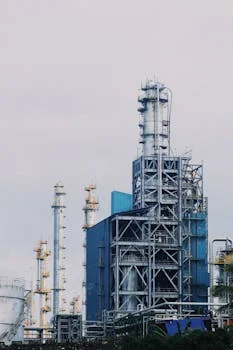
2026 hybrid ZLD systems for PV wastewater with solar integration are engineered to achieve maximum water recovery and eliminate liquid discharge, crucial for stringent environmental regulations and water scarcity. The typical 4-stage ZLD process for PV wastewater begins with (1) robust pretreatment, primarily involving chemical precipitation for fluoride, heavy metals, and pH neutralization, followed by clarification and filtration. Stage (2) employs advanced membrane filtration, utilizing ultrafiltration (UF), nanofiltration (NF), and reverse osmosis (RO) in series to remove dissolved solids and remaining contaminants, achieving high water recovery. Stage (3) focuses on evaporation and crystallization of the concentrated brine from the RO system, converting it into solid waste and recovering distilled water. Finally, stage (4) integrates solar-powered electrocoagulation for the final polishing of residual metals in certain waste streams or for treating specific concentrate fractions, ensuring comprehensive contaminant removal. Solar integration is a defining feature of these systems, where high-efficiency PV modules (40%+ efficiency) directly power energy-intensive components such as electrocoagulation units and RO systems. This reduces grid energy use by 30–40% (IEE 2023 data). The process flow typically involves a solar array feeding into a battery storage system for consistent power supply, which then routes through DC/AC inverters to power the various treatment equipment. This setup ensures continuous operation even during non-sunlight hours. Hybrid ZLD systems achieve exceptional water recovery rates of 99.8–99.9%, with the permeate meeting ultrapure water standards (SDI <3, resistivity >18 MΩ·cm) suitable for reuse in critical PV manufacturing processes. byproduct recovery, such as gypsum from fluoride precipitation and metal hydroxides from electrocoagulation, can be either sold as raw materials or reused internally, potentially offsetting OPEX by 10–15%.
Solar-Powered vs. Grid-Powered PV Wastewater Treatment: Cost, Energy, and Carbon Footprint Comparison
Evaluating the total cost of ownership for photovoltaic developer wastewater treatment systems requires a detailed comparison between solar-powered and grid-powered options, considering CAPEX, OPEX, energy consumption, and carbon footprint. Solar-powered ZLD systems typically incur a 20–30% higher upfront Capital Expenditure (CAPEX), ranging from $1.5M to $3.5M for a 100 m³/h system, primarily due to the investment in PV panels and integrated battery storage. However, these systems often qualify for significant government incentives, such as China’s 30% subsidy for solar wastewater projects, which can substantially mitigate initial costs. In terms of Operational Expenditure (OPEX), solar-powered systems offer a compelling advantage, reducing energy costs by approximately 40% (from $0.80–$1.50/m³ for grid-powered to $0.50–$0.80/m³ for solar-powered systems), leading to payback periods of 3–5 years (2025 industry benchmarks). The energy consumption for critical processes like solar-powered electrocoagulation for arsenic removal is notably lower, at 0.8–1.2 kWh/m³ compared to 1.5–2.0 kWh/m³ for grid-powered alternatives (IEE 2023 data). This reduction directly translates to a lower carbon footprint, with solar-powered systems cutting CO₂ emissions by 0.3–0.5 kg/m³ of treated wastewater, aligning with China’s 2060 carbon neutrality goals and addressing stringent EU Corporate Sustainability Reporting Directive (CSRD) requirements.
| Parameter | Solar-Powered ZLD System (100 m³/h) | Grid-Powered ZLD System (100 m³/h) | Key Advantage |
|---|---|---|---|
| CAPEX Range | $1.5M–$3.5M | $1.2M–$2.8M | Government subsidies for solar |
| OPEX Range | $0.50–$0.80/m³ | $0.80–$1.50/m³ | 40% lower energy costs |
| Payback Period | 3–5 years | N/A (higher ongoing costs) | Faster ROI through energy savings |
| Energy for Electrocoagulation | 0.8–1.2 kWh/m³ | 1.5–2.0 kWh/m³ | Reduced energy intensity |
| CO₂ Emissions Reduction | 0.3–0.5 kg/m³ | Baseline / No reduction | Significant carbon footprint reduction |
| Grid Dependency | Reduced by 30-40% | 100% | Enhanced energy resilience |
2025 Compliance Checklist for PV Wastewater Discharge: China GB, US EPA, and EU Standards
Adhering to strict environmental regulations is paramount for photovoltaic developer wastewater treatment, requiring a comprehensive compliance strategy that addresses specific discharge limits across multiple jurisdictions. For fluoride, China GB 31573-2015 mandates a limit of <10 mg/L, while US EPA standards are more stringent at <4 mg/L. Arsenic limits are <0.1 mg/L for both China and EU standards, with the US EPA setting an even lower threshold of <0.01 mg/L. Chromium discharge limits are <1.5 mg/L in China and <0.1 mg/L for the US EPA. Robust hybrid ZLD systems are engineered to consistently achieve discharge levels significantly below these limits, often reducing fluoride to <1 mg/L and arsenic to <0.005 mg/L. Sampling and testing protocols typically involve daily composite samples for parameters like fluoride and pH, with weekly grab samples for heavy metals like arsenic and chromium, ensuring continuous compliance monitoring. Required documentation for regulatory audits includes detailed operational logs, chemical consumption records, analytical reports from accredited laboratories, and sludge disposal manifests. For example, a 2024 PV plant in Zhejiang successfully reduced fluoride concentrations from 450 mg/L to <5 mg/L using a hybrid ZLD system, passing China’s GB 31573-2015 audit with zero non-compliance notices. Emerging regulations, such as China’s 2025 draft standards, may further lower fluoride limits to <5 mg/L. To future-proof treatment systems, modular ZLD designs are critical, allowing for flexible capacity upgrades and the integration of advanced polishing stages to meet evolving standards. For a more detailed breakdown of specific limits, refer to engineering compliance blueprint for PV wastewater discharge standards.
| Contaminant | China GB 31573-2015 Limit (mg/L) | US EPA Limit (mg/L) | EU Standard Limit (mg/L) | HydropureWater Achievable Limit (mg/L) |
|---|---|---|---|---|
| Fluoride (F⁻) | <10 | <4 | <5 (often national specific) | <1 |
| Arsenic (As) | <0.1 | <0.01 | <0.1 | <0.005 |
| Chromium (Cr Total) | <1.5 | <0.1 | <0.5 | <0.05 |
| Copper (Cu) | <0.5 | <0.05 | <0.5 | <0.02 |
| Nickel (Ni) | <1.0 | <0.1 | <0.5 | <0.05 |
| COD | <80 | <50 | <125 (daily average) | <30 |
Frequently Asked Questions
What is the most cost-effective treatment for high-fluoride PV wastewater?
Calcium salt precipitation (CaCl₂ or Ca(OH)₂) at pH 10–12 achieves 99.9% fluoride removal at $0.20–$0.40/m³, making it 30% cheaper than membrane filtration for influent concentrations exceeding 200 mg/L (2025 cost benchmarks). This method is highly effective for bulk removal, significantly reducing the load on subsequent polishing stages.
How does solar-powered electrocoagulation work for arsenic removal?
Solar-powered electrocoagulation uses electricity generated from PV panels to drive an electrochemical reaction between sacrificial iron electrodes and arsenic-laden wastewater. Iron ions are released, forming insoluble iron hydroxide flocs that adsorb and co-precipitate arsenic. This process, optimized at 10–20 A/m² current density, consumes only 0.8–1.2 kWh/m³, effectively removing >99.9% of arsenic while leveraging renewable energy.
What are the hidden costs of PV wastewater treatment?
Beyond CAPEX and direct OPEX, hidden costs in PV wastewater treatment include sludge disposal fees (0.5–1.2 kg/m³ of sludge from fluoride precipitation), membrane replacement (every 3–5 years for RO membranes, costing 10–15% of initial CAPEX), and the continuous consumption of antiscalant chemicals for membrane protection. Regular maintenance, spare parts, and labor for system monitoring also contribute significantly to the total cost of ownership.
Can treated PV wastewater be reused in manufacturing?
Yes, hybrid ZLD systems for photovoltaic developer wastewater treatment are designed for high water recovery, often achieving 99.8–99.9% reuse. The permeate from these systems typically meets ultrapure water standards (SDI <3, resistivity >18 MΩ·cm), making it suitable for direct reuse in critical PV manufacturing processes, such as wafer rinsing and chemical mixing, thereby significantly reducing fresh water demand.
Further Reading

Explore these in-depth articles on related wastewater treatment topics: