How Plate Frame Filter Press Specifications Impact Sludge Dewatering Performance
A 2025 plate frame filter press delivers 92–98% sludge dryness at 130–250 PSI operating pressure, with filtration precision of 1–100 micron. Standard plate sizes range from 320 mm to 2000 mm, supporting capacities of 1–100 tons/hour. Polypropylene (PP) filter plates dominate industrial applications due to corrosion resistance, while carbon steel frames (ASTM A 500-B) provide structural integrity. Manual, hydraulic, and fully automatic PLC-controlled models offer trade-offs between upfront cost and operational efficiency, with cycle times varying from 20 minutes to 3 hours based on sludge characteristics.
Inconsistent sludge dryness is the primary driver of operational failure in industrial wastewater plants. A plant manager might observe cake moisture levels fluctuating between 65% and 82%, often due to a mismatch between the plate frame filter press specifications and the actual solids loading. When the operating pressure is restricted to 100 PSI but the sludge requires 225 PSI to overcome capillary tension, the result is a "soupy" cake that increases hauling costs by up to 40% (HydropureWater field data, 2025). High-performance sludge dewatering machine specifications for 2025 emphasize the necessity of matching filtration area to peak flow rates to prevent bypass and effluent contamination.
Plate size is the most critical geometric specification, as it dictates the effective filtration area and throughput. An 800 mm plate provides significantly less volume than a 1500 mm plate, but the choice is not merely about size; it is about the "chamber volume to filtration area" ratio. According to EPA 2024 benchmarks, achieving 95%+ solids requires precise control over the 130–250 PSI pressure range. Lower pressures result in incomplete cake formation, while excessive pressure without proper plate reinforcement leads to plate warping. filtration precision (1–100 micron) directly impacts the quality of the filtrate, which is essential for protecting downstream equipment like reverse osmosis (RO) membranes or ensuring compliance with municipal discharge permits.
Plate Frame Filter Press Engineering Specifications: 2025 Data Table
Engineering specifications for plate frame filter presses are standardized around plate sizes from 320 mm to 2000 mm to accommodate filtration areas up to 1000 square meters. The following table provides a definitive reference for engineers evaluating equipment based on structural and volumetric requirements. These parameters are derived from current industry standards, including ASTM A 500-B for frame construction, ensuring the equipment can withstand the repetitive clamping forces required for high-pressure dewatering cycles.
| Plate Size (mm) | Filtration Area (m²) | Chamber Volume (L) | Max Operating Pressure (PSI) | Weight (Tons) | Recommended Applications |
|---|---|---|---|---|---|
| 320 | 1.0 – 5.0 | 15 – 75 | 130 – 150 | 0.8 – 1.5 | Laboratory, pilot plants, small chemical batches |
| 630 | 10 – 40 | 150 – 600 | 150 – 225 | 2.0 – 4.5 | Small municipal plants, food processing |
| 800 | 30 – 100 | 450 – 1,500 | 225 – 250 | 5.0 – 8.0 | Industrial wastewater, textile dyeing |
| 1000 | 60 – 250 | 900 – 3,750 | 225 – 250 | 9.0 – 14.0 | Mining tailings, large municipal sludge |
| 1250 | 120 – 500 | 1,800 – 7,500 | 250 | 15.0 – 22.0 | Coal washing, metallurgy, large-scale chemical |
| 1500 | 250 – 800 | 3,750 – 12,000 | 250 | 25.0 – 35.0 | High-volume industrial waste, aggregate wash |
| 2000 | 500 – 1000+ | 7,500 – 15,000+ | 250 | 40.0 – 60.0 | Mega-scale environmental remediation projects |
Note: Data reflects standard configurations. Customizations for high-volume applications (e.g., 2000 mm plates with expanded chambers) can increase capacity by up to 25%. Maximum operating pressure is dependent on plate material and frame reinforcement.
Material Selection Guide: Filter Plates and Frames for Corrosive and High-Temperature Sludge

Polypropylene (PP) filter plates account for over 85% of industrial wastewater applications due to their chemical resistance and 80°C temperature threshold. Selecting the correct material is not just a matter of durability; it is a regulatory and safety requirement. For instance, in food and beverage processing, FDA-approved virgin PP is mandatory to prevent leachate contamination. In contrast, heavy-duty mining applications often utilize cast iron plates for their extreme abrasion resistance, despite the significant weight penalty.
| Material | Chemical Resistance | Max Temp (°C) | Relative Cost | Best For |
|---|---|---|---|---|
| Reinforced PP | Excellent (pH 1-14) | 80°C | Base | Municipal sludge, general industrial waste |
| Stainless Steel (304/316) | High (Organic solvents) | 120°C | 3.0x | Pharmaceuticals, high-temp chemical processing |
| Cast Iron | Moderate (Alkaline) | 300°C | 1.5x | Mining, metallurgy, high-pressure ceramics |
| High-Temp PP | Excellent | 100°C | 1.3x | Hot oil filtration, bio-diesel production |
Frame materials must provide the structural counter-force to the hydraulic closing system. Standard frames utilize carbon steel (ASTM A 500-B), which offers a tensile strength of approximately 58,000 PSI. For highly corrosive environments, such as acid pickling wastewater, the frame is often clad in stainless steel or coated with high-build epoxy (HydropureWater engineering standard). When evaluating HydropureWater plate and frame filter presses, engineers should prioritize the compatibility of the plate material with the sludge's pH and temperature to avoid premature plate failure or warping.
Manual vs. Hydraulic vs. Automatic Filter Presses: Performance, Cost, and Maintenance Trade-offs
Transitioning from manual to fully automatic PLC-controlled filter presses reduces cycle times by up to 50% while increasing upfront capital expenditure by 150-300%. The choice of operation mode is the single largest factor affecting the long-term Return on Investment (ROI) for a dewatering project. Manual units require an operator to physically move each plate to discharge the cake, which is feasible for small batches but becomes a significant labor bottleneck in 24/7 operations.
Hydraulic units automate the closing and opening of the plate stack but still require manual intervention for cake discharge and cloth washing. Fully automatic models, equipped with plate shifters, automatic cloth washing systems, and PLC integration, allow for "lights-out" operation. According to 2025 performance data, automatic systems can achieve cycle times as low as 15–30 minutes for fast-filtering sludge, compared to 60+ minutes for manual units. Maintenance for automatic systems is higher due to the complexity of the PLC and hydraulic sensors, but this is typically offset by the drastic reduction in labor costs.
| Operation Mode | Cycle Time (Min) | Labor Required | Upfront Cost | Maintenance Cost | Best For |
|---|---|---|---|---|---|
| Manual | 45 – 90 | High (1-2 FTE) | $10K – $50K | Low | Small plants, low-frequency batches |
| Hydraulic | 30 – 60 | Medium (0.5 FTE) | $30K – $100K | Medium | Mid-sized industrial facilities |
| Automatic (PLC) | 15 – 40 | Minimal (Monitoring) | $80K – $250K | High | Large municipal/industrial, 24/7 ops |
For a detailed comparison of internal geometries and their impact on automation, refer to our chamber filter press specifications and selection guide. Selecting the right automation level involves weighing the $20,000–$40,000 annual labor savings against the higher initial purchase price of a HydropureWater plate and frame filter press.
Process Parameters for Optimal Filtration: Sludge Concentration, Chemical Conditioning, and Cycle Time
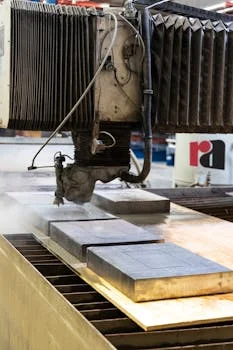
Optimal sludge dewatering occurs when feed concentrations are maintained between 3% and 8% solids, significantly reducing the energy required for filtration cycles. If the feed concentration drops below 2%, the filter press must process excessive volumes of water to form a cake, leading to "short-circuiting" where the solids do not distribute evenly across the plates. Conversely, concentrations above 10% can lead to pipe clogging and uneven pressure distribution within the chambers.
Chemical conditioning is the "secret sauce" of efficient dewatering. Using automatic chemical dosing systems for sludge conditioning ensures that polymer (flocculant) is added at the precise ratio of 0.5–2 kg per ton of dry solids. This promotes the formation of large, stable flocs that release water easily under pressure. Temperature also plays a role; sludge between 20°C and 40°C exhibits lower viscosity, which can improve filtration throughput by 10-15% compared to cold sludge (HydropureWater field data, 2025).
Troubleshooting common issues often points back to these parameters. If the filtration cycle is taking longer than expected, operators should first check the polymer dosage and the age of the chemical batch. If the cake is uneven or "slimy," it usually indicates poor flocculation or mismatched filter cloth permeability. Ensuring the plates are aligned and the cloths are clean is fundamental to maintaining the 130–250 PSI operating pressure needed for maximum dryness.
2025 Cost Benchmarks: Plate Frame Filter Presses by Size, Material, and Automation Level
The 5-year total cost of ownership (TCO) for a 1000 mm plate frame filter press ranges from $120,000 to $250,000 depending on automation levels and chemical usage. Procurement specialists must look beyond the initial sticker price to understand the impact of material choices and automation on the bottom line. For example, while stainless steel plates carry a 300% premium over PP, they are the only viable option for high-temperature pharmaceutical waste, where PP would fail within weeks.
| Plate Size | Material | Operation Mode | Upfront Cost | Annual Maint. | 5-Year TCO |
|---|---|---|---|---|---|
| 630 mm | PP | Manual | $25K – $35K | $2K | $35K – $45K |
| 1000 mm | PP | Hydraulic | $60K – $85K | $5K | $85K – $110K |
| 1000 mm | PP | Automatic | $110K – $160K | $12K | $170K – $220K |
| 1500 mm | Cast Iron | Automatic | $180K – $280K | $20K | $280K – $380K |
ROI Calculation Example: Consider an industrial plant currently using a manual 800 mm press. Upgrading to an automatic 1000 mm unit costs $130,000. The upgrade reduces labor by 1.5 Full-Time Equivalents (FTE), saving $67,500 annually in wages and benefits. the increased dryness (from 25% to 35% solids) reduces sludge disposal volume by 28%, saving an additional $12,000 per year. The total annual savings of $79,500 results in a payback period of approximately 1.6 years.
Decision Framework: How to Select the Right Plate Frame Filter Press for Your Application
Selecting a plate frame filter press requires a multi-variable calculation of solids loading rates, filtration area requirements, and chemical conditioning compatibility. To simplify this process, engineers should follow a structured five-step framework to ensure the selected plate frame filter press specifications align with both process needs and budget constraints.
- Define Sludge Characteristics: Conduct a laboratory bench test to determine the Specific Resistance to Filtration (SRF). Note the pH (for material selection), temperature (for plate limits), and initial solids concentration (for sizing).
- Calculate Required Filtration Area: Use the formula: Area (m²) = (Volume per Batch) / (Cake Thickness × Number of Chambers). Ensure the calculated area can handle the peak daily flow within the desired number of cycles (typically 3-5 per shift).
- Select Plate and Frame Material: Use PP for standard wastewater (pH 2-12, <80°C). Opt for stainless steel for solvent-based waste or food-grade applications. Ensure the frame is ASTM A 500-B certified for durability.
- Determine Operation Mode: If the plant operates >12 hours/day or processes >20 tons/day, the labor savings from an automatic PLC-controlled system will almost always justify the higher upfront cost.
- Validate ROI and TCO: Use the cost benchmark tables above to estimate the 5-year TCO. Compare this against the current costs of labor, disposal, and chemical usage.
Selection Flowchart:
Municipal Sludge (pH 7) → 1000mm PP Plates → Hydraulic Operation → Moderate Budget
Corrosive Chemical (pH 2) → 800mm Stainless Plates → Automatic PLC → High Budget
Mining Tailings (High Volume) → 1500mm Cast Iron Plates → Automatic PLC → Industrial Budget
Frequently Asked Questions
What is the typical lifespan of a plate frame filter press?
The structural frame, if made of ASTM A 500-B carbon steel and properly maintained, can last 20–30 years. Filter plates typically require replacement every 5–10 years depending on chemical exposure, while filter cloths are consumable items replaced every 3–12 months depending on the abrasive nature of the sludge.
How do I calculate the filtration area for my specific sludge volume?
Filtration area is calculated by multiplying the number of plates by the area of a single plate side, then doubling that (since both sides of the plate filter). For example, a 1000 mm plate has roughly 1.6 m² of surface area; a 50-plate press would provide approximately 80 m² of filtration area.
Can I upgrade a manual filter press to an automatic one later?
While some components like hydraulic rams can be retrofitted, converting a manual press to a fully automatic PLC-controlled system with plate shifters is often cost-prohibitive. It is generally more economical to specify the required level of automation at the time of initial purchase.
What is the difference between a recessed plate and a plate and frame design?
In a plate and frame design, the "frame" is a separate hollow component where the cake forms. In a recessed plate design, the "recess" is built into the plate itself. Recessed plates are more common in modern industrial wastewater treatment because they are easier to automate and have fewer sealing surfaces, reducing the risk of leaks at 225+ PSI.
Does the filter press require a specific type of pump?
Yes, filter presses require "dead-head" capable pumps that can maintain high pressure as the flow rate drops toward the end of the cycle. Air-operated double diaphragm (AODD) pumps or progressive cavity pumps are the industry standard for feeding plate frame filter presses.